
Sentosa Aquarium Singapore: Tickets, Opening Hours and Visit
Discover Sentosa Aquarium in Singapore: tickets, opening hours, key attractions and practical tips for planning your visit.
Deepavali in Singapore is a Hindu festival celebrated across the city, with a particularly visible atmosphere in Little India. Deepavali dates change from year to year: to find out the exact day and any possible service closures, check the official public holiday calendar and local announcements before your visit.
In the neighbourhood, lights, decorations and activities linked to Indian traditions give this period a distinctive character. The festival combines religious practices, family gatherings and events open to the public; their schedules and opening times may vary from year to year.
In brief
The date varies according to the Hindu calendar; check it each year with the Singapore authorities.
Little India is the main neighbourhood for discovering the festival of lights’ decorations and atmosphere.
The celebrations combine spirituality and cultural life, but practices differ between families and traditions.
Visitor numbers may increase near shopping streets and event venues, so it is best to plan your journey in advance.

Deepavali, also known as Diwali in several regions of the Indian subcontinent, does not fall on the same date in the civil calendar every year. The festival is set according to the Hindu calendar; in Singapore, it generally takes place during October or November. If you are planning a trip, do not therefore rely on a date used in a previous year.
Singapore’s official public holiday calendar is the right reference for confirming the relevant day. The dates of events organised in Little India are not necessarily the same as the festival itself: markets, performances and activities may run over several days, depending on the annual programme.
Before booking a visit or a meal, check the date with the official organisation that publishes the public holiday calendar, then consult organisers’ announcements for neighbourhood activities. Times, streets affected and access arrangements may change; it is best to check them shortly before setting off.
To plan your stay according to the season, the page on Singapore’s weather and climate helps you anticipate general conditions, although it does not replace the day’s forecast. Visitors travelling in October can also consult the information about Singapore in October and Deepavali.
The exact date can be anticipated, but it should always be confirmed using the official information for the year concerned.
As Deepavali approaches, Little India becomes the most obvious centre of the public celebrations. Shopping streets are often decorated with lights and colourful motifs; together, these highlight the neighbourhood’s Tamil cultural identity and attract both residents and visitors. The scale and route of the decorations may change with each edition.
The streets and shops contribute to the atmosphere: decorated shop windows, festival shopping and heavier footfall give the neighbourhood a different rhythm. This does not mean that every activity takes place everywhere or is accessible at all times. To discover the area beyond the festive period, see the guide to Little India in Singapore.
A walk allows you to see the installations and decorated façades, but bear in mind that Little India is also a residential neighbourhood and a place of worship. Follow posted instructions, avoid blocking entrances and ask people’s permission before photographing them. In temples, follow the rules on clothing and behaviour.
The concentration of visitors can make some routes slower to navigate. It is useful to check transport information on the day and allow extra time, especially if your visit is combined with an appointment or booking. Cultural events in Singapore are presented in the guide to Singapore festivals. You can also consult the guide to religious life in Singapore to better understand the places of worship you may encounter.
In Little India, the experience is as much about the lights as it is about consideration for the neighbourhood and the people who live there.
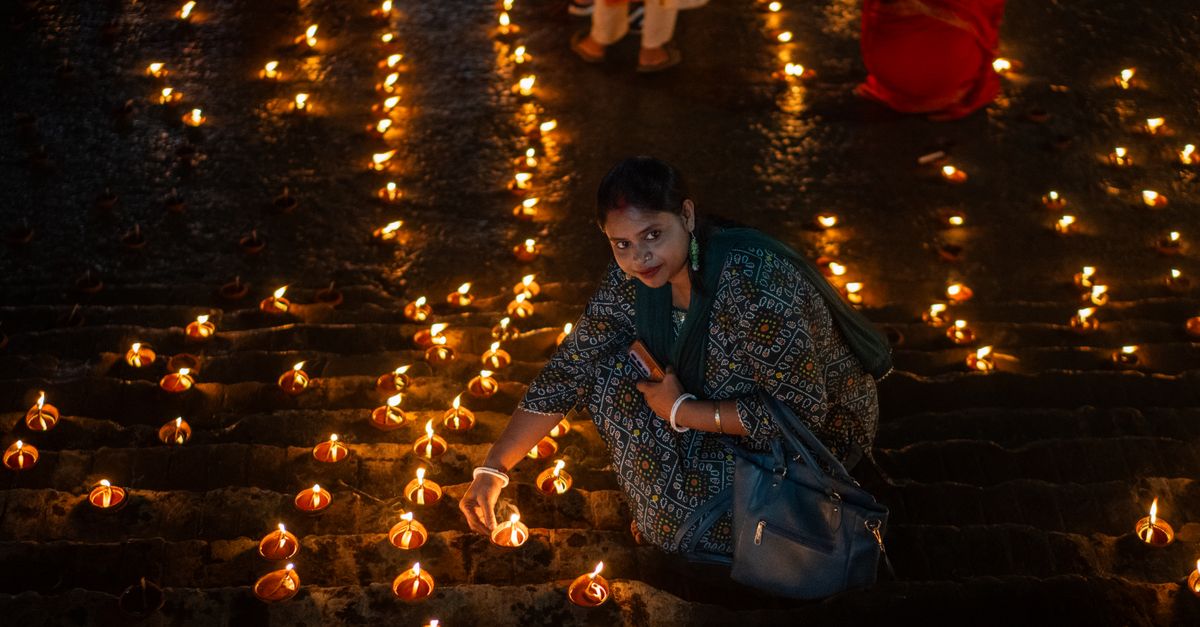
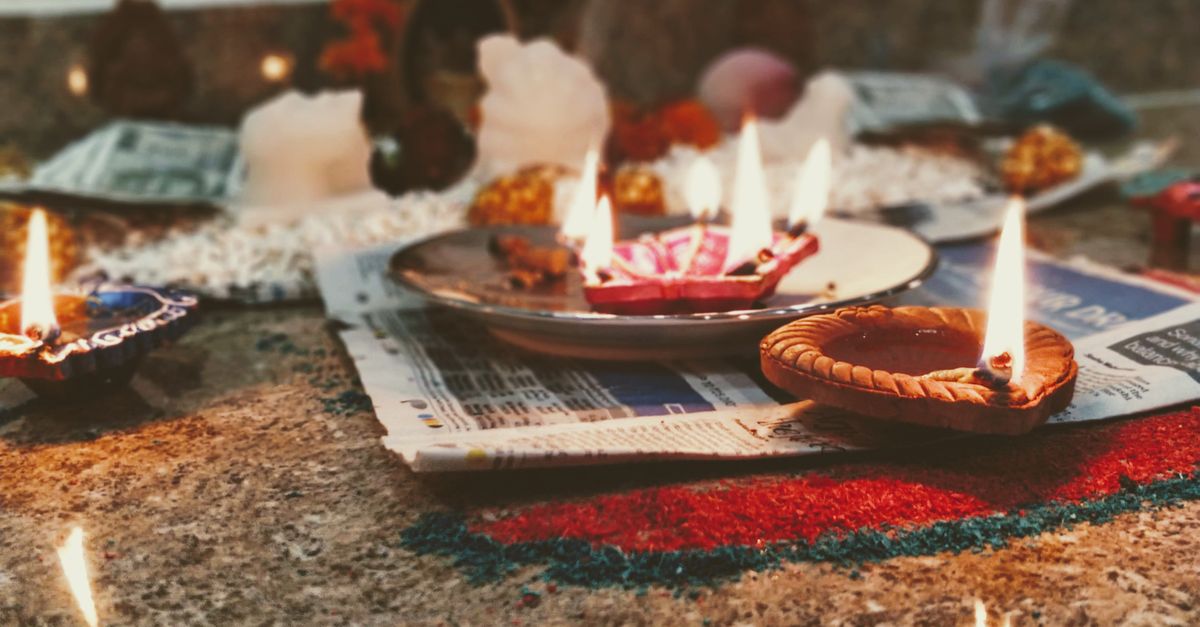
Deepavali is a Hindu festival often described as the festival of lights. This image refers to the symbolic use of light and to religious stories associated with the triumph of good over evil or knowledge over ignorance. Interpretations and practices vary according to communities, regions of origin and families; there is no single way to celebrate.
For many families, the day includes prayers, visits to a temple, reunions and shared meals. Some people wear new clothes or prepare sweets, while others give a central role to rituals at home. These actions are personal practices: visitors can discover them with interest without assuming that they are the same in every household.
Lamps and illuminated decorations give the festival a visible form, but Deepavali is not simply a street spectacle. Celebrations may have an important spiritual dimension, experienced with family or in a place of worship. A respectful approach is to observe without interrupting prayers and to follow the rules specific to each temple.
In Singapore, these traditions take place in a multicultural society where religious festivals form part of the shared calendar. To place Deepavali among the country’s practices and events, see the page on culture and leisure in Singapore. The festival is better understood when public activities are distinguished from family practices.
Light is a shared symbol, but the ways in which people give it meaning remain diverse.
Tip: set up a Singapore eSIM before departure so your data works on arrival.
A visit during Deepavali mainly requires you to take account of crowds and possible changes to traffic arrangements. Decorated streets and activity areas attract more people; a journey that looks short on a map may take longer on foot. Check transport information and any restrictions before heading to the neighbourhood. The Singapore MRT guide can also help you plan your journey.
If you would like to photograph the lights, choose areas where you can stop without obstructing passers-by. In places of worship, follow instructions concerning shoes, clothing and photography. Shops can be particularly busy: respect queues and ask before photographing a person or a private space.
It is easier to allow an adaptable visiting window than to build a tight schedule around a specific activity. Times and programmes may change from one edition to the next; check local communications before setting off. For meals, check directly with establishments about their opening times and arrangements during the festive period.
A walking itinerary can combine the shopping streets, decorated façades and a break in the neighbourhood, provided you follow signs and instructions on site. Do not assume that every installation remains visible all day or that every event is free and open without booking: these details depend on the organiser.
A successful visit depends on a flexible plan and respect for local instructions.
Little India concentrates much of the atmosphere visible to visitors, but Deepavali is also celebrated in homes and communities across Singapore. Private gatherings, prayers and family meals do not necessarily follow the schedule of public activities. This is why a walk through the neighbourhood offers only one glimpse of this Hindu festival.
Advertised events may include performances, cultural activities or retail areas, but their content depends on the year and the organisers. To avoid confusion, distinguish religious celebrations from programmes intended for the public. The page on festivals and celebrations in Singapore also helps place major cultural events within local life.
Deepavali is therefore at once a religious festival, a time for reunions and a period when Tamil culture becomes particularly visible in the urban environment. The lights attract attention, but family customs and the diversity of practices are at its heart. To find out which activities are actually planned, the announcements for the year remain the reference.
In Singapore, Deepavali can be discovered in the streets, but it is also understood through the diversity of the communities that celebrate it.
The date changes each year according to the Hindu calendar. Consult Singapore’s official public holiday calendar to confirm the exact day for the year concerned.
Little India is the neighbourhood most associated with the festival’s decorations and public atmosphere. The installations and their route may change from one edition to the next.
Yes, Deepavali is a Hindu festival, celebrated according to traditions and practices that vary between regions, communities and families.
Walking around the neighbourhood depends on local conditions, while some activities may require a booking or follow specific times. Check the organiser’s announcements before travelling.
To book tours and activities in Singapore ahead, see the options on Klook.
Updated on 22/11/2026
Scroll to see more articles →