Bird Paradise Singapore: Mandai’s Bird Park
Discover Bird Paradise Singapore, Mandai’s bird park, with immersive aviaries, rare species and memorable experiences for the whole family.
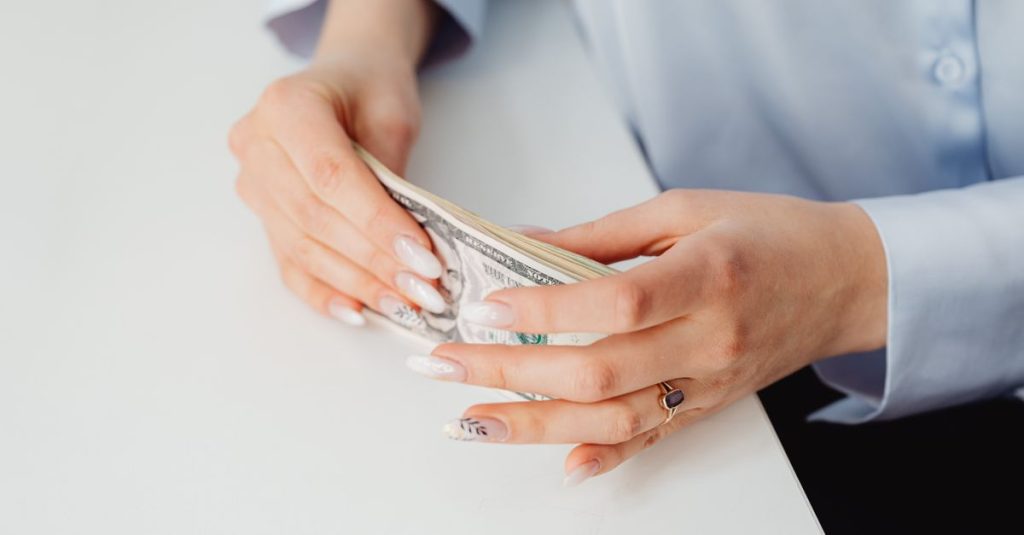
In Singapore, bank cards and contactless payments make most purchases easy, but it is still wise to carry some cash. Visa and Mastercard are widely accepted in shopping centres, hotels and major retailers; at some hawker centre stalls, neighbourhood shops and temples, cash may be more convenient. PayNow and local QR codes are part of everyday life, but access is not guaranteed for visitors without a Singapore bank account.
The currency is the Singapore dollar, shown as SGD or S$. To avoid unexpected charges, choose to pay in SGD when a terminal or ATM offers to convert the amount into your currency, check your card conditions with your bank and keep a small amount of cash with you. Exchange rates, bank fees, money changer opening hours and customs formalities can change: check them before departure with the relevant authorities.
In brief
The Singapore dollar is used in shops, restaurants and on public transport. Prices may be shown in S$ or simply with the “$” symbol in a local context; check the currency on the receipt or terminal when paying. Notes of different denominations and coins are useful for small purchases, but a large note can be inconvenient at a busy stall.
Singapore is highly equipped for digital payments, but cash transactions have not disappeared completely. In shopping centres on Orchard Road or around Marina Bay, cards are generally convenient. Conversely, some independent vendors, markets and food stalls prefer cash or offer a QR code that requires a local app. At markets such as Tiong Bahru, it is best to check which payment methods are accepted before ordering.
Keep a small amount of Singapore dollars for modest purchases, a terminal failure or a shop that does not accept your card. Cash is also useful for offerings at some temples. However, avoid carrying a large sum unnecessarily: combine a limited cash reserve with a payment card and, if possible, a second payment method kept separately.
The Singapore dollar is not generally accepted as a settlement currency instead of the local currency in ordinary shops: euros and US dollars are therefore not a reliable payment solution. To prepare for currency exchange, also see this guide to exchanging Singapore dollars.
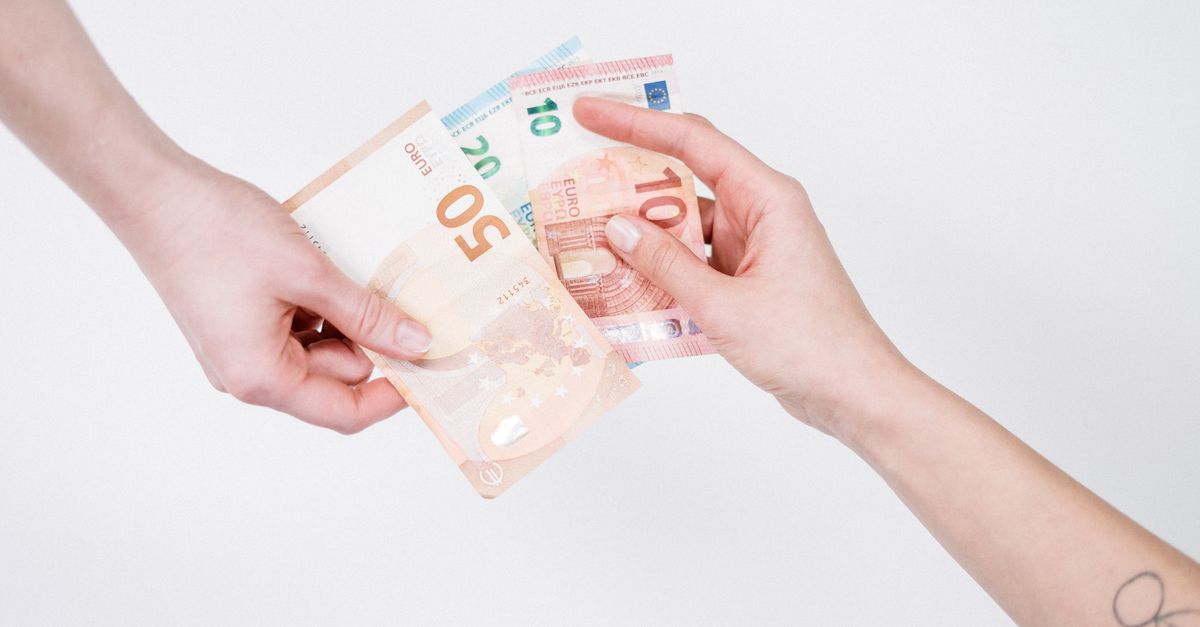
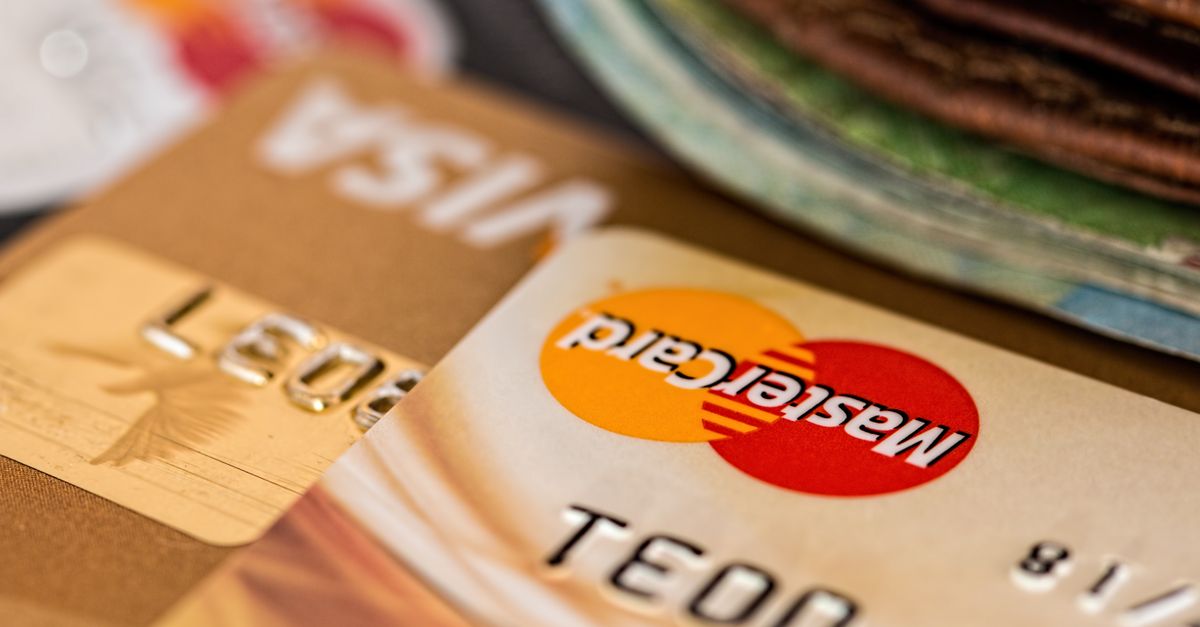
A Visa or Mastercard is the simplest payment method for hotels, supermarkets, attractions and most shops. Contactless payment is common; compatible cards can also be added to a digital wallet such as Apple Pay or Google Pay, depending on the issuing bank’s conditions. American Express is accepted at some establishments, but acceptance may be less consistent at smaller businesses.
Before leaving, check with your bank about overseas payment fees, spending limits and whether your card is activated for use outside France. Carry a physical card and its PIN: a flat phone battery, unavailable connection or incompatible terminal can make a digital wallet unusable. For larger purchases, ask the terminal to charge you in SGD rather than euros; the conversion offered by the merchant or ATM may use a less favourable rate.
At hawker centres, card acceptance varies from one vendor to another. Some stalls have a terminal, while others prefer cash or a local QR code. When ordering, check the payment methods displayed at the counter or ask before queuing: this avoids having to find an ATM after your meal.
ATMs allow you to withdraw Singapore dollars, but your bank and the local operator may charge fees. Read the screen before confirming and decline a conversion into euros if one is offered. To better understand the banking services available, see the page on banks and financial services in Singapore.
PayNow is a locally used payment and transfer service, linked in particular to bank details or a registered telephone number. It is convenient for residents with a compatible account, but travellers should not assume that they can use it with a French banking app. Access conditions depend on the bank and payment service used.
SGQR codes combine several payment options under one sign. Their presence in a food court or at a small shop does not mean that every foreign app can read them or make the payment. If your digital wallet does not recognise the code, ask whether the vendor accepts a card or cash rather than relying on a digital backup solution.
Bank cards stored on a phone provide a useful alternative in shops that accept contactless payments. Protect your device with a passcode or biometric authentication and activate payment notifications if your bank allows it. If you lose your phone or card, block the card or wallet immediately through your banking app and use your backup payment method. For a broader overview, see this guide to payment methods in Singapore.
For visitors, the practical rule is simple: use PayNow or a local QR code only if your bank or app explicitly confirms compatibility. A digital wallet linked to an international card is often more predictable, but keeping a physical card and some cash remains the best protection against declined payments.
Tip: set up a Singapore eSIM before departure so your data works on arrival.
Airport money changers are convenient for getting enough cash to reach your accommodation or pay for your first purchase. To exchange more, compare the rates displayed at several money changers in the city. You can find them in shopping districts and near Little India or Chinatown; their rates and opening hours can change, so check them on site.
A “commission-free” display does not guarantee the best rate: the margin may be included in the rate offered. Compare the final amount you will receive, ask whether additional fees apply and keep the receipt. Avoid exchange offers from individuals or touts outside the premises: use an authorised establishment and count the notes before leaving the counter.
For a withdrawal, choose an ATM in a busy location, such as a shopping centre or station. Check the machine’s fees before confirming; these may be added to your bank’s charges. If the ATM offers to convert the amount into euros, select a withdrawal in Singapore dollars and let your bank apply its own rate, after checking its conditions.
Border declaration rules depend on the amount carried and may change. Before travelling, check with the Immigration & Checkpoints Authority (ICA) the applicable threshold for cash and bearer negotiable instruments, as well as the procedure to follow. If you are unsure about carrying a large amount, contact the ICA before departure rather than relying on outdated information.
On public transport, visitors may, depending on the conditions of the system in force, use a compatible contactless bank card or a dedicated transport card. Check the rules applicable to your card before boarding and always use the same method to enter and leave the network when required by the system. Options, fees and compatibility can change: consult official transport information before your stay. This guide to the Singapore MRT will help you plan your journeys.
Tipping is generally not compulsory. In restaurants, check the bill: service charges may already be included. No tip is expected at a hawker centre; in a taxi or hotel, it remains optional when the service warrants it. If you choose to leave something, do so in Singapore dollars rather than small foreign notes.
Before leaving, make sure your card works abroad, note your bank’s card-blocking number and carry a backup solution. Shopping centres are generally well equipped for card payments, whereas markets and small shops sometimes require more flexibility; practical pointers can be found in this guide to shopping in Singapore.
| Situation | Preferred method | What to check |
|---|---|---|
| Hotel, supermarket or department store | Bank card or digital wallet | Choose payment in SGD |
| Hawker centre stall | Card if accepted, otherwise cash | Check acceptance before ordering |
| Public transport | Compatible contactless card or transport card | Rules and compatibility currently in force |
| Small shop with a QR code | Compatible app or cash | Do not assume PayNow works with a foreign bank |
| ATM withdrawal | Bank card, charged in SGD | ATM and bank fees |
Cards are widely accepted in hotels, shopping centres and major retailers, but some hawker centre stalls and small shops prefer cash or a local QR code. Keep some cash in reserve.
Not necessarily. PayNow is linked to compatible banking services, and access conditions depend on the bank. Check with your bank whether your account allows these payments in Singapore.
You should generally choose Singapore dollars to avoid the dynamic currency conversion offered by the terminal or ATM. However, check the fees and exchange rate applied by your bank.
No. It is generally not expected, particularly at hawker centres. In restaurants, check whether a service charge is already included on the bill; any additional tip remains optional.
To book tours and activities in Singapore ahead, see the options on Klook.
Updated on 20/11/2026
Scroll to see more articles →