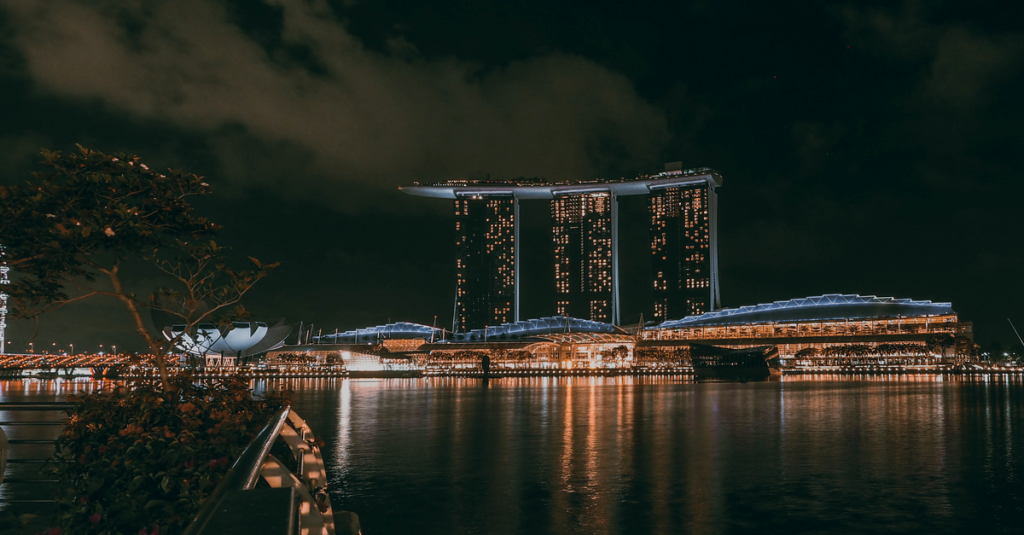
Singapore in March: Weather and Things to Do
Discover Singapore in March: temperatures, rainfall, sea conditions and practical ideas for enjoying your stay in the tropical heat.
In August, Singapore remains hot and humid, with tropical showers that may occur in the morning or late afternoon. The month is marked by National Day on 9 August, celebrated with a parade and fireworks, followed by Ghost Month, an important period in the Chinese calendar. Pack lightweight clothing, rain protection and a schedule that alternates outdoor visits with indoor activities.
Singapore’s weather in August is generally suitable for a trip, provided you take thunderstorms and heat into account. Dry haze is also possible when smoke from Indonesia is carried towards the island. The phenomenon varies from year to year: check local advisories during your trip and adapt your plans if air quality deteriorates.
In brief:
Tip: set up a Singapore eSIM before departure so your data works on arrival.
The tropical climate has no truly cool season: August remains hot, and humidity can make getting around tiring, especially in the middle of the day. Temperatures for this period are around 31 °C during the day and 25 °C at night. These figures are guidelines, not a daily forecast; check local weather reports before an important outing. For broader seasonal context, see our guide to Singapore’s climate and seasons.
The rainy season does not mean continuous rain. Sometimes heavy showers can cross the city quickly before giving way to brighter skies. Storms known as Sumatra squalls are associated with storm lines that can reach the island in the morning, while afternoon thunderstorms are also possible. A parade or outdoor excursion is therefore not safe from a shower, even if the sky looks clear at the start.
Rain mainly changes the rhythm of the day. A garden visit or walk in the city centre can be moved to the morning, while a museum, shopping centre or meal at a hawker centre is a good option when a storm breaks. Covered walkways and MRT stations make getting around easier, but do not replace personal protection against heavy showers.
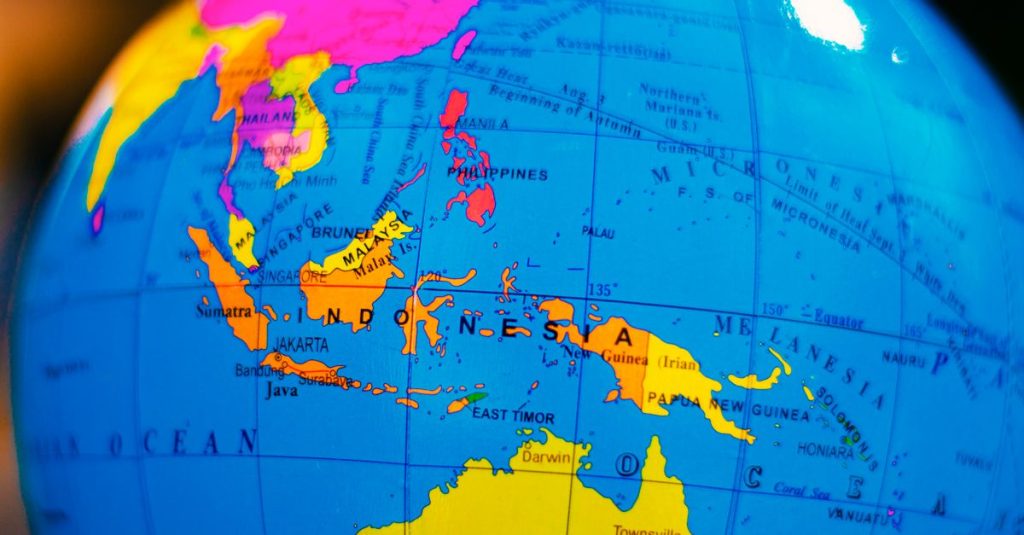
August is also the beginning of the period when dry haze can become a concern. Vegetation and peat fires in Indonesia can produce smoke carried towards Singapore by the winds. In some years, the episode is limited or absent; at other times, air quality may be affected for a longer period. Sensitive people can check health recommendations and prepare a suitable mask in case of an alert. The page on healthcare in Singapore provides additional practical advice.
The best approach is to leave some flexibility in your schedule: in Singapore, planning an indoor alternative is often more useful than trying to organise every hour around the sky.
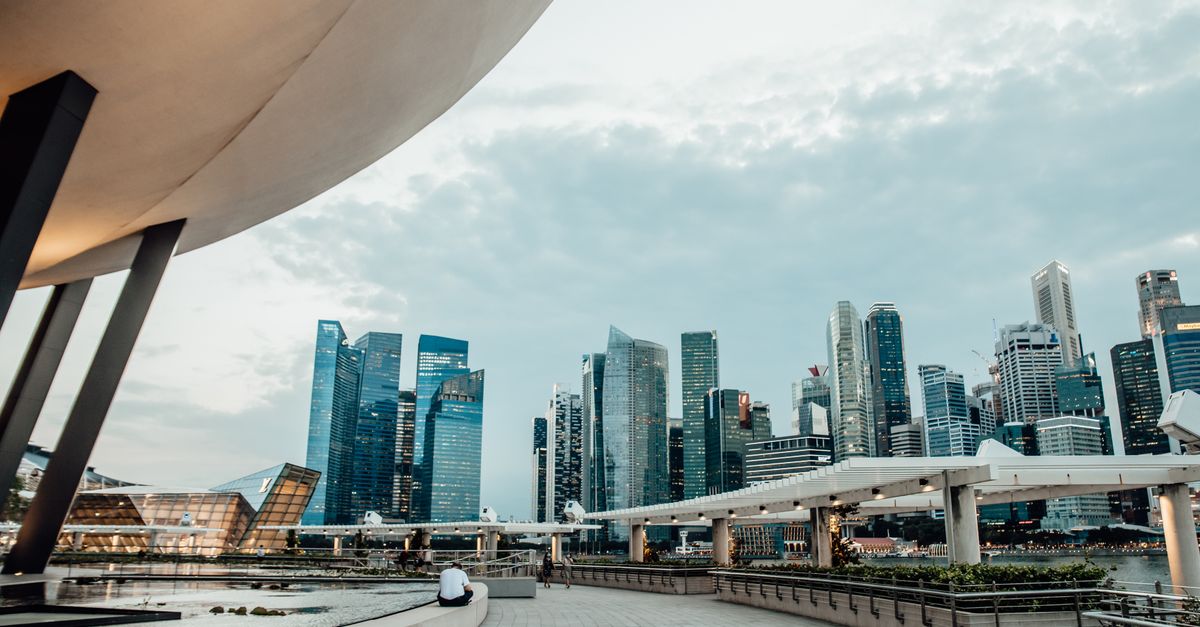
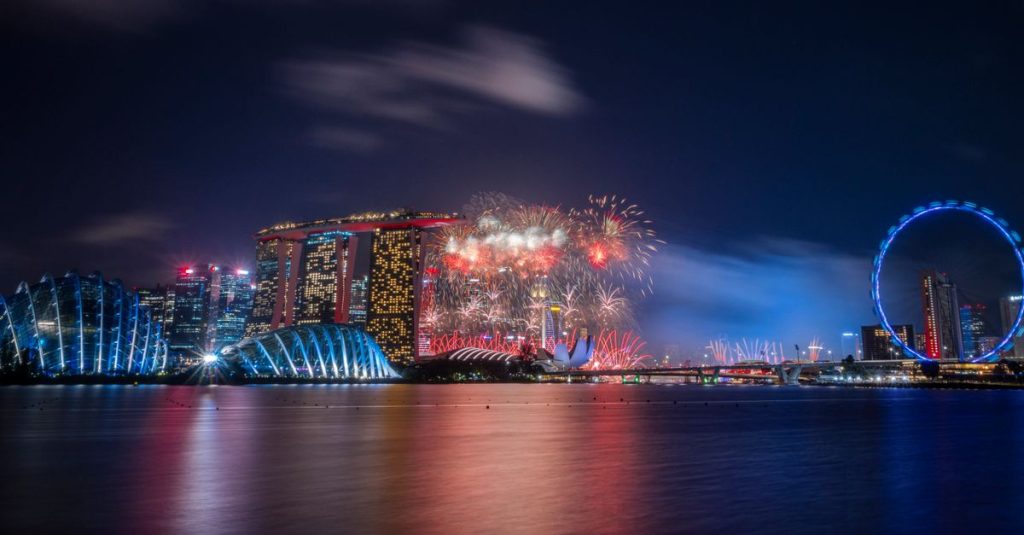
Singapore’s National Day commemorates the country’s independence in 1965. The central programme includes the National Day Parade, with a procession, aerial displays, performances and fireworks. The ceremonies are broadcast on television. Tickets to attend the parade are allocated by ballot and are practically intended for citizens and permanent residents; visitors can nevertheless enjoy the atmosphere in the city and look for an outdoor viewpoint, depending on the venue selected that year.
In 2026, 9 August falls on a Sunday. The Ministry of Manpower states that Monday 10 August is then a day off in lieu of the public holiday. In 2027, National Day falls on a Monday, according to the calendar published by the same organisation. Exact ceremony times, closed areas and viewing locations may vary: check official announcements before travelling.
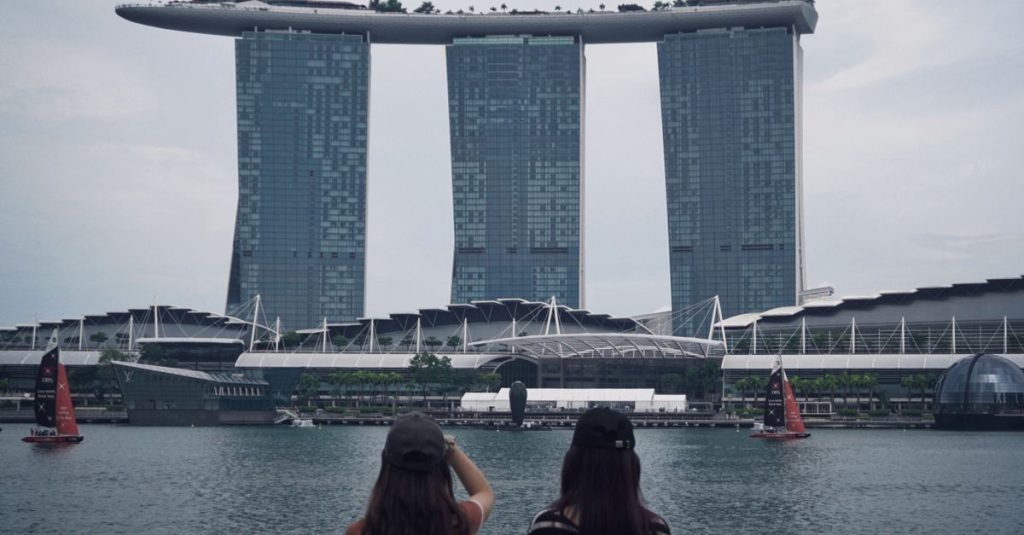
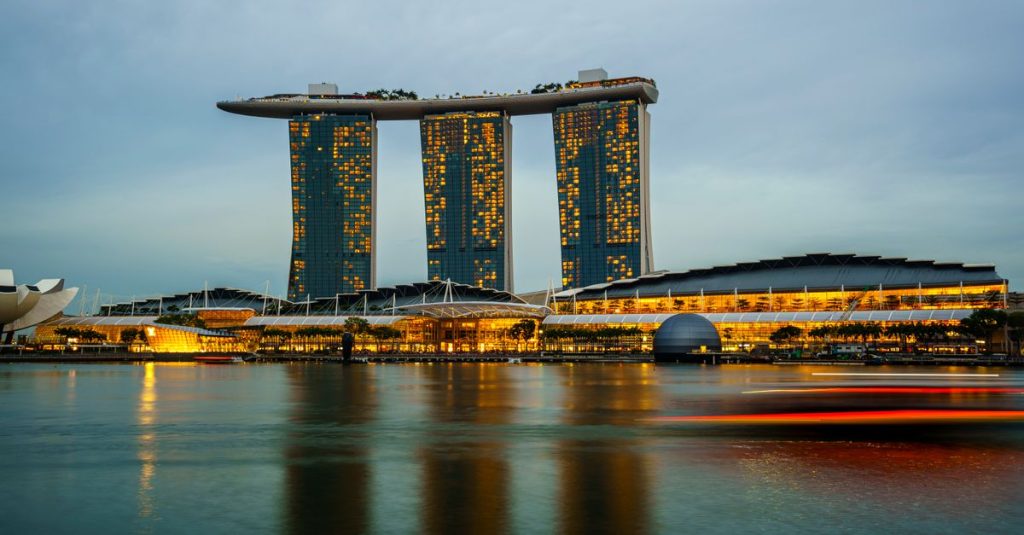
Marina Bay naturally attracts crowds when festivities take place there. If you hope to see the fireworks from the waterfront, arrive early and choose an unobstructed position; access may be restricted and visibility depends on that year’s arrangements. MRT stations near the centre can be extremely busy at the end of the show. It is sensible to plan an alternative route home, walk to a less crowded station or wait in an open venue before taking the MRT.
Weather is another factor to consider: an outdoor parade may take place in the rain. Bring a poncho or a compact, sturdy umbrella, while following on-site safety instructions. A red or white top lets you match the colours commonly seen during the celebrations; to better understand their symbolism, see the page on the Singapore flag and its colours.
National Day is both a spectacular event and a very busy day: choosing your viewpoint and return route matters just as much as the programme itself.
After the national celebrations, August may coincide with the seventh lunar month of the Chinese calendar, known as Ghost Month. According to tradition, the spirits of the dead return to the world of the living during this period. The dates change every year because they follow the lunar calendar: in 2026, the month begins around 13 August and ends around 10 September; in 2027, it runs approximately from 2 to 30 August. These dates are lunar references and should be considered approximate.
In some neighbourhoods, families burn incense or paper money in containers provided for this purpose, often near residential buildings. Getai performances, combining singing and variety acts on an outdoor stage, are also organised. By custom, the front rows are left empty for the spirits. For visitors, these scenes offer an insight into local practices, provided they observe discreetly and do not disturb participants.
Ceremonies may take place in residential or community spaces. Avoid touching offerings, stepping on objects that have been placed on the ground or taking close-up photographs of people without their permission. Fires and incense can also produce smoke: sensitive people should move away if they feel uncomfortable. Practices vary between families and neighbourhoods, so it is best to follow the instructions displayed on site.
This cultural calendar can also affect certain personal decisions. By tradition, some people of Chinese origin prefer to avoid moving home, getting married or buying a property during Ghost Month. This does not affect tourist visits, but some evenings may be livelier around community performances. For travellers, the main thing is to distinguish a public celebration from a family ritual and respect private spaces. You can find other cultural dates in Singapore’s festivals and events calendar.
Ghost Month offers a chance to discover one aspect of Singapore’s cultural diversity; curiosity is welcome, provided you remain attentive to local customs and the sometimes intimate nature of the ceremonies.
The first half of the month can be busy, particularly around the National Day weekend. Travellers from Europe are also numerous during the summer holidays, which can increase demand for flights and hotels. Prices nevertheless depend on the dates, how far ahead you book and availability: no fixed price can summarise the cost of a trip. Compare options and check the conditions directly with airlines and accommodation providers before booking.
The area around Marina Bay is particularly busy on 9 August. Road closures and access restrictions may change depending on the security arrangements. To avoid spending part of the evening on public transport, identify several walking routes in advance and check transport information on the day. Eating before the festivities or taking a break in a hawker centre after the fireworks can also allow the peak crowds to disperse.
The second half of the month may be quieter once the long weekend is over, but this does not guarantee cheaper tickets or an across-the-board fall in hotel rates. To estimate daily spending, transport and meals, the page on Singapore’s budget and cost of living provides additional guidance. As amounts change, always check prices when booking.
When planning visits, combine outdoor activities with air-conditioned venues. Gardens and walks are more pleasant early in the morning or in the evening; museums, galleries and shopping centres provide a practical solution during the hottest hours. If your plans depend on a specific event, check opening days and access arrangements with the organiser.
| Period | What to expect | Practical advice |
|---|---|---|
| Early August | Preparations and strong summer tourism demand | Book essential services in advance and compare conditions |
| 9 August | National Day and crowds around the celebrations | Check access arrangements, plan an alternative return route and bring rain protection |
| From mid-August | Ghost Month and getai performances in some neighbourhoods | Observe respectfully and avoid disrupting offerings or ceremonies |
| Late August | Possible risk of haze, varying from year to year | Follow local air-quality bulletins |
For a successful trip, it is therefore best to book with major gatherings in mind while keeping some flexibility for changing weather conditions.
Lightweight, breathable clothing is suitable for the heat, but a top covering the shoulders may be useful in some visitor attractions. Air-conditioned spaces, particularly shopping centres and public transport, can feel cool after a walk outdoors: a light long-sleeved layer adds comfort without weighing down your luggage.
Rain protection is essential, even if showers do not last all day. A sturdy umbrella or lightweight poncho will protect you during a downpour; quick-drying shoes are more practical than fragile or slippery footwear. A waterproof cover for your phone and documents can also prevent unpleasant surprises during a walk.
Add sun cream, a hat and a reusable water bottle. Heat and humidity can increase tiredness during a long visit, especially when several outdoor journeys are combined. Take breaks in the shade or in a cool place and adapt your pace to the day’s conditions. If haze is forecast, follow local health recommendations and carry a suitable mask if appropriate for your situation.
What to put in your bag:
A lightweight bag prepared for rain, heat and getting around allows you to enjoy sightseeing without having to interrupt every outing at the first change in the weather.
The weather is hot and humid, with sometimes stormy showers that are often brief but intense. Temperatures for the period are around 31 °C during the day and 25 °C at night; check local reports for current conditions.
Yes. The Ministry of Manpower states that Monday 10 August 2026 is a day off in lieu of the public holiday, which falls on a Sunday. In 2027, National Day falls on a Monday. Check the official calendar for any updates.
Tickets for the parade are allocated by ballot and are practically reserved for citizens and permanent residents. Visitors can look for an outdoor viewpoint for the celebrations, subject to the access arrangements and instructions announced for the year concerned.
It is possible, as smoke from fires in Indonesia can reach Singapore. The phenomenon varies considerably from one year to the next; check local air-quality notices and health recommendations during your stay.
Updated on 10/11/2026
Scroll to see more articles →