Festivals in Singapore
2026 Edition

Living the
Vibrant Rhythm of Singapore

Discover the comprehensive calendar of cultural, religious and festive events. From the passion of the ethnic neighbourhoods to the lights of Orchard Road, don’t miss a single highlight of the city-state.

Singapore’s calendar of festivals and events revolves around the multicultural celebrations that shape the year. Highlights include Chinese New Year in January–February, with its lanterns and parades; Deepavali in October–November, which lights up Little India; the Singapore Food Festival in August; and National Day on 9 August, with its spectacular fireworks at Marina Bay. Each ethnic community celebrates its traditions, transforming the city-state into a permanent showcase of cultural diversity.

Singapore: A Permanent Showcase of Diversity

Often dubbed the ‘Switzerland of Asia’ for its impeccable organisation and legendary safety, Singapore hides a beating heart beneath its modern exterior, moving to the rhythm of age-old traditions. In 2026, the city-state continues to establish itself as Southeast Asia’s ultimate cultural crossroads.

To get online as soon as you land, a Singapore eSIM can be installed before you leave, with no need to look for a local SIM card.

For a French-speaking expat, understanding the local calendar is the first step towards successful integration. Each month brings its share of colours, flavours and rituals, transforming the streets of Chinatown, Little India and Kampong Glam into real open-air stages.

💡

"Taking part in local festivals is the best way to break through the barriers of expat life and discover the multicultural soul of your host country."

Singapore Temple Street Food

2026 Highlights

A selection of events that define Singaporean identity.

Chinese New Year
January – February

Chinese New Year

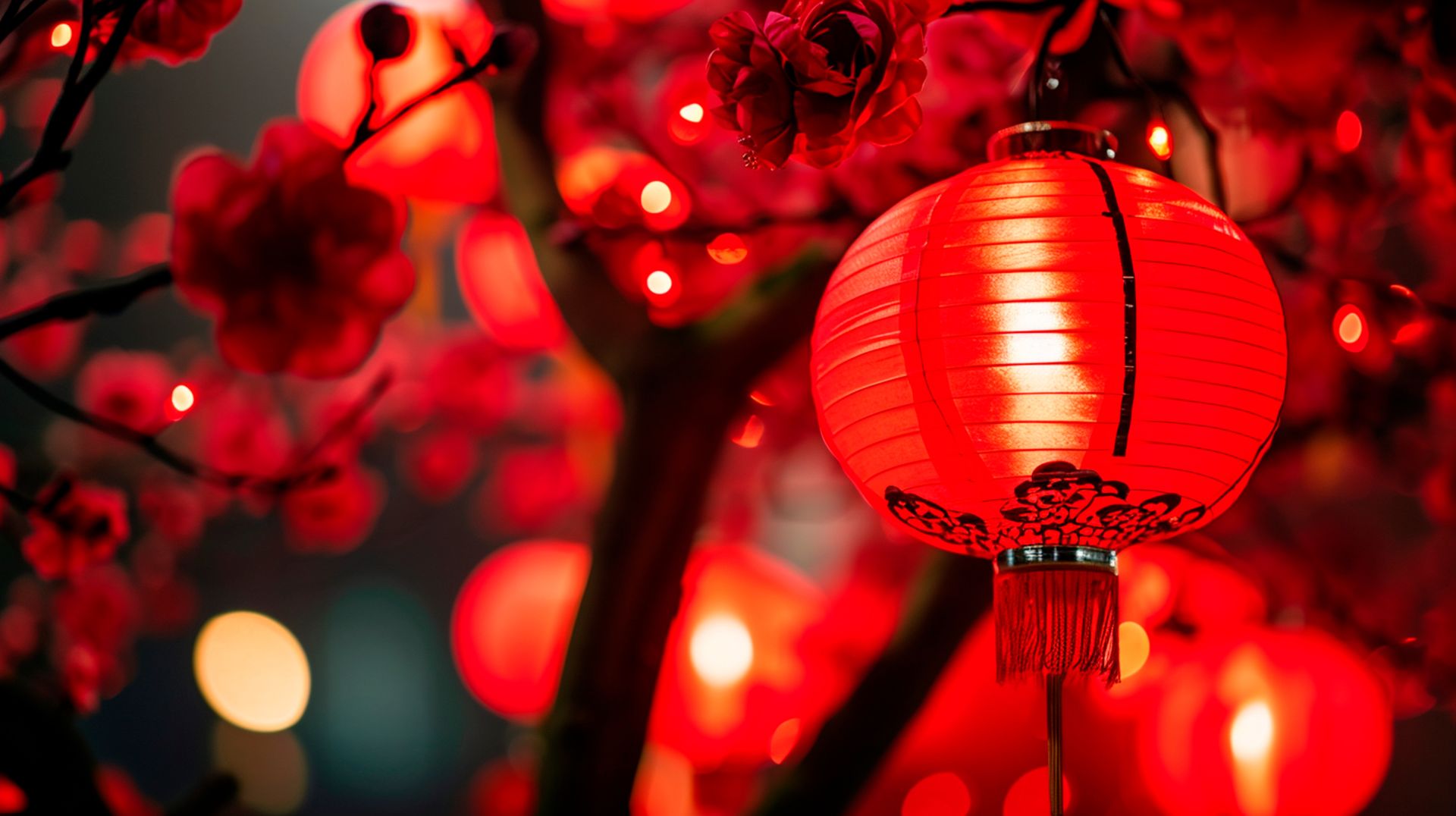
The most spectacular event. Chinatown glows with a thousand lanterns, night markets overflow with specialities and lion dances bring every street corner to life.

Find out more →
Wesak Day
May

The Wesak Festival

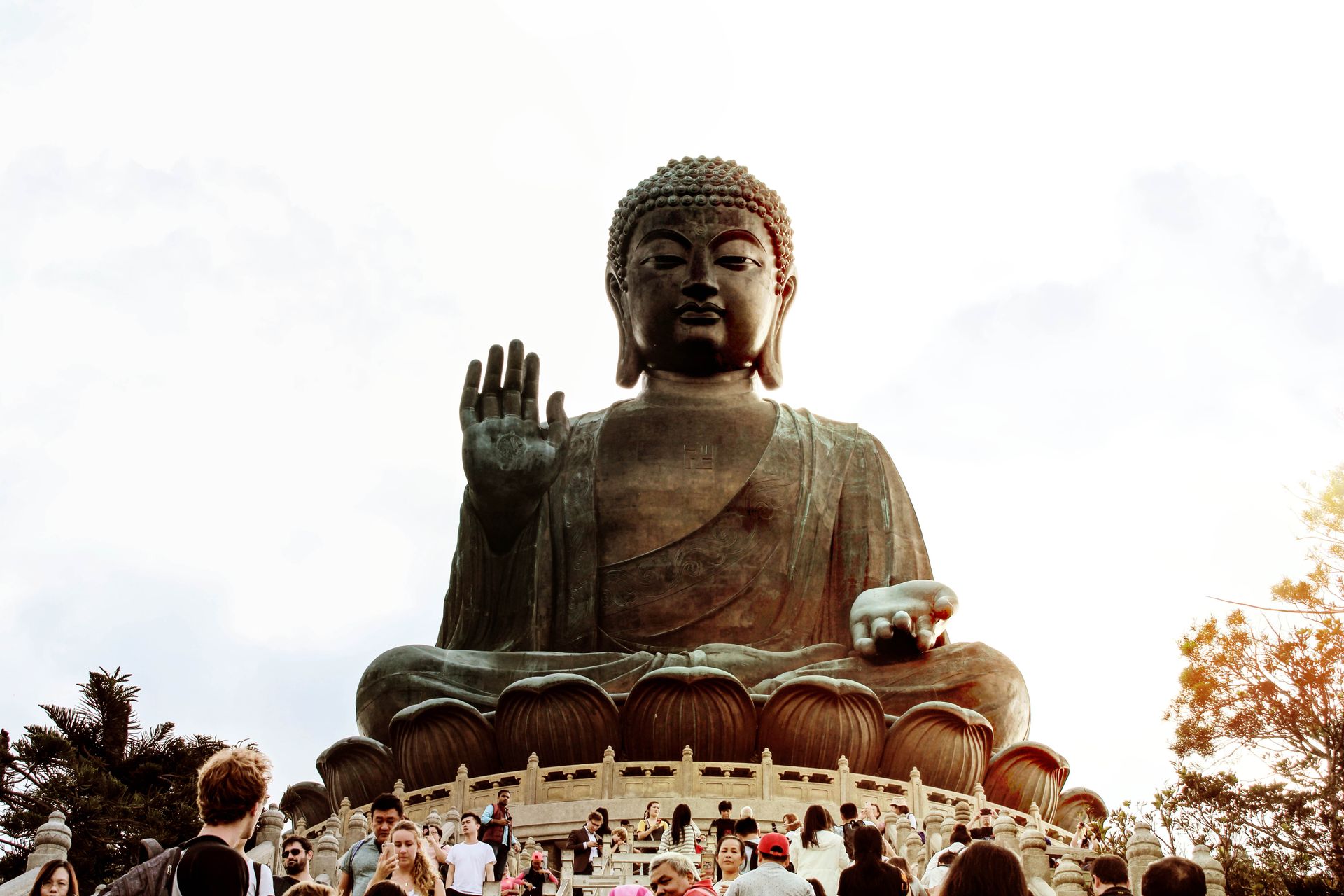
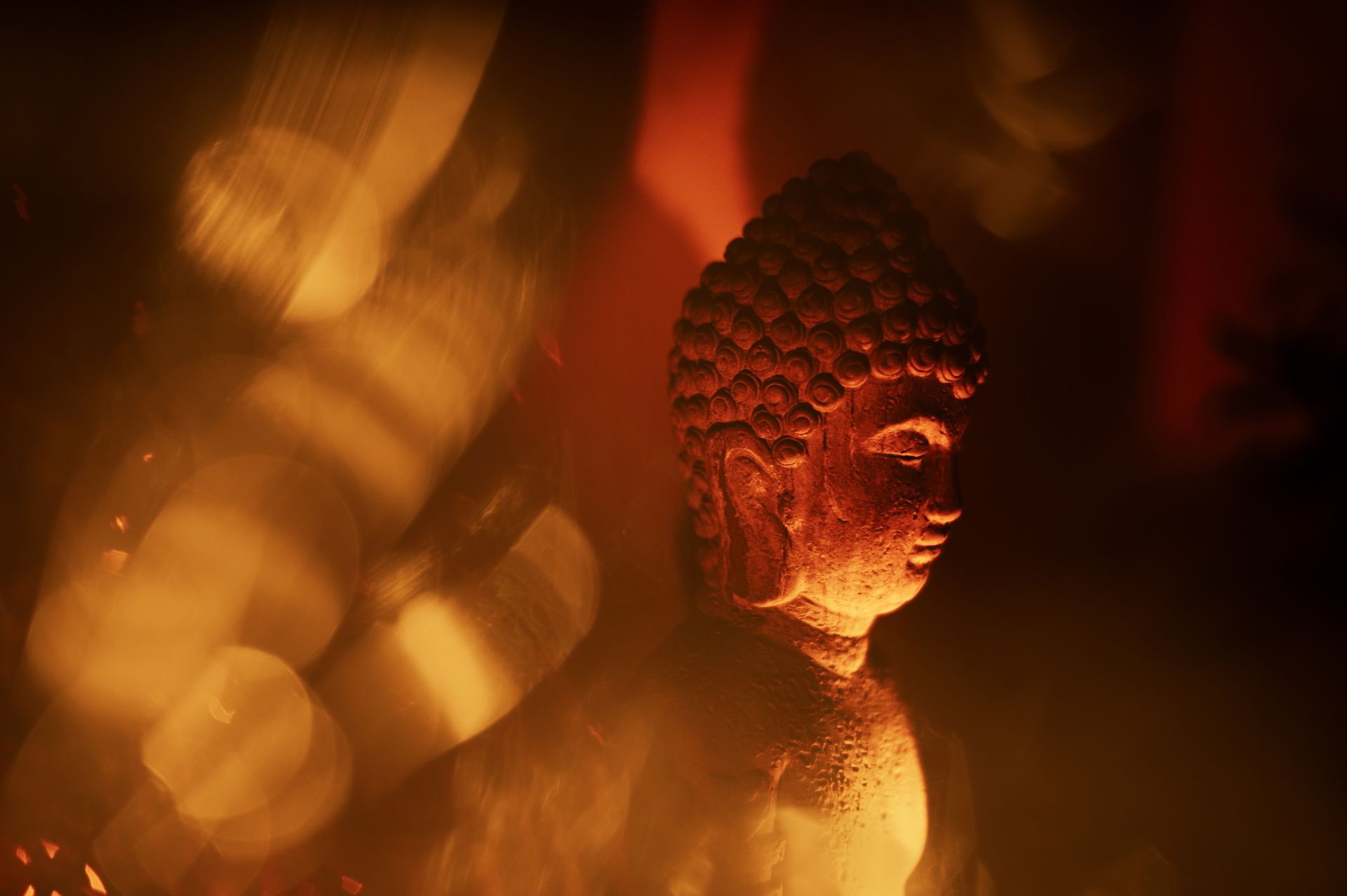
A celebration of Buddha’s birth, enlightenment and death. An atmosphere of absolute serenity fills temples such as the Buddha Tooth Relic Temple. Ideal for an introduction to local spirituality.

Meditation
August

Singapore Food Festival

A paradise for food lovers. Discover the iconic restaurants and ‘Mod-Sin’ (Modern Singaporean) flavours.

October – November

Deepavali (Diwali)

The Festival of Lights transforms Little India into a glittering fairy tale. Spice markets, henna and endless strings of lights.

Your Detailed Year-as-an-Expat Calendar

T1

January – March

The start of the year is marked by the excitement of Lunar New Year, as well as a growing global awareness.

March: International Women’s Day

In Singapore, this event takes on particular significance, with numerous conferences and galas organised by the expat and local communities. It is the ideal time to discover French-speaking women’s networks and get involved in mentoring initiatives.

March: Earth Hour

The city of glass and steel plunges into darkness for an hour. It is a unique experience to see the Central Business District (CBD) and Marina Bay Sands switch off their lights to raise awareness of climate change. Parks such as Gardens by the Bay organise candlelit night walks.

T2

April – June

The transition towards major religious and food celebrations.

May: Singapore Food Expo

Well before the August festival, this huge fair is a key event for professionals and enthusiasts. For expats, it is an opportunity to shop for rare products and discover surprising food-industry innovations.

June: Hari Raya Puasa (Eid al-Fitr)

Marking the end of Ramadan, Geylang Serai is lit up with spectacular decorations. It is an opportunity to taste authentic *ketupats* and *rendangs*. For families, it is a powerful moment of cultural sharing, often made easier by local meet-up groups.

T3

July – September

Between fervent patriotism and mystical beliefs.

9 August: National Day

Singapore celebrates its independence. Red and white dominate. Military parades, fighter jet flyovers and spectacular fireworks over the bay. Plan your journeys in advance by consulting our guide to transport in Singapore, as many streets are closed.

September: Hungry Ghost Festival

A fascinating month when people believe the gates of hell open. Street performances (Getai) are held to entertain the spirits. Residents burn incense and joss paper in metal bins throughout the city. It is one of the most striking cultural features for newcomers.

Festival Outing Budget Calculator 🏮

Plan your spending for a complete immersion in a major festival (Chinese New Year, Deepavali, etc.).

Total Estimate (SGD)

-- $

*Includes an allowance of $20 per person for souvenirs, temple donations and street snacks.

Practical Tips for Major Events

Strategic Accommodation

During Chinese New Year or Deepavali, book your accommodation very close to the festivities to avoid crowds on the MRT. Consult our guide to accommodation in Singapore.

Plan Ahead

The best restaurants for Chinese ‘Reunion Dinner’ are fully booked 3 months in advance. Use delivery services if you prefer to celebrate at home.

Payment Methods

Many small street stalls at fairs accept only PayNow or NETS. Check your options in our guide to payment methods.

Local Etiquette

Learn the lifesaving etiquette for religious ceremonies (covering up, removing your shoes) to respect the local customs.

Planning Your Holidays: Festivals vs School

Period Major Event Impact on School Expat Recommendation
Late January Lunar New Year 2 public holidays + long weekends Stay in Singapore for the atmosphere!
March Spring Break 1 week (Local System) Ideal for regional travel.
June Hari Raya & Holidays 4-week break Beware of the humid heat (climate).
October Deepavali 1 public holiday Head to Little India in the evening.
December Christmas & Year-end Schools closed Orchard Road is unmissable.

Frequently Asked Questions about Events

Are events free?

Most street festivals (lanterns, parades, temple rituals) are free. However, special concerts or food fairs may charge an admission fee.

Where can I buy tickets for the National Day Parade?

Tickets for the National Day Parade (NDP) are allocated by ballot to citizens and permanent residents only. Expats can nevertheless enjoy the free rehearsals every Saturday from July onwards.

How can I keep up to date with the exact dates?

Check our local news page regularly or visit the official website of the Singapore Tourism Board.

Is it suitable to bring children?

Absolutely. Singapore is one of the most *family-friendly* cities. We also have a comprehensive guide to children's activities.

What colours should I wear for Chinese New Year?

Red is the colour of good luck. Avoid black or pure white, which are traditionally associated with mourning in Chinese culture.

Are there any French-speaking events?

Yes! The vOilah! France Singapore Festival takes place every year to celebrate French culture. See the guide to French-speaking cultural activities.

How can I join the festivities if I am alone?

Join the community forum to find people to go out with or contact organisations such as Accueil Singapour.

Is the F1 Grand Prix considered a festival?

It is a major event in September (Night Race). More than just a race, it is a week of concerts and private parties across the island.

Can religious rituals be photographed?

Generally yes, but without flash and discreetly. Always ask if you see a no-photography sign or if the act seems very personal.

Which apps should I use for the events calendar?

Eventbrite Singapore and the Visit Singapore app are excellent resources. Also see our list of useful apps.

Don't Just Watch Singapore Go By

Join our community to share your festival photos, ask questions and organise group outings with other French speakers.

See also: weddings and major celebrations in Singapore to understand how this calendar affects your life as an expat.

To take your research further and book your places:

Updated on

Understanding Singapore's multicultural calendar

Singapore follows a hybrid calendar combining Western public holidays with Asian celebrations. This characteristic reflects the ethnic make-up of the population: Chinese, Malays, Indians and Eurasians live side by side and share their respective traditions. For you, as a French-speaking expat, this richness means around ten official public holidays spread throughout the year, along with dozens of neighbourhood festivals.

The dates vary each year because many festivities follow lunar or Hindu calendars. Chinese New Year falls between late January and mid-February, while Deepavali varies between October and November. This flexibility means you need to check the exact dates regularly when planning your outings and travel.

The four cultural pillars

Each major community contributes its own key celebrations. The Chinese community is the largest numerically, with Lunar New Year, the Mid-Autumn Festival and the Hungry Ghost Festival. Muslim Malays celebrate Hari Raya Puasa and Hari Raya Haji. Indians light up the city for Deepavali and Thaipusam. Christians mark Christmas and Easter. This diversity ensures that at least one major celebration brings the city to life every quarter.

Impact on daily life

Festive periods transform the urban atmosphere. Ethnic neighbourhoods are decked out in spectacular decorations several weeks before the official dates. Chinatown puts up its lanterns from early January, while Little India installs its illuminated garlands from September. Restaurants and hawker centres offer special menus, shopping centres organise activities, and public transport is often packed during major events.

Food festivals and street markets

Beyond religious celebrations, Singapore hosts several events dedicated to its national passion: food. The Singapore Food Festival in August is the highlight of this foodie calendar, but other events take place throughout the year.

EventPeriodSpecialityMain Area
Singapore Food FestivalAugustMod-Sin and hawker cuisineThe whole island
Chinese New Year (markets)January-FebruaryBak kwa, love lettersChinatown
Ramadan BazaarMarch-AprilMalay dishes, satayGeylang Serai
Deepavali (markets)OctoberIndian sweetsLittle India

Lau Pa Sat and other hawker centres regularly organise themed weeks. These events offer the chance to discover rare regional dishes prepared by guest chefs from Malaysia, Indonesia or Thailand. For curious expats, it is an opportunity to explore Asia’s culinary diversity without leaving the city-state.

Seasonal night markets

Pasar malam (night markets) appear in different residential neighbourhoods throughout the year. These temporary markets offer clothes, gadgets and, above all, street food at attractive prices. Their schedule is not fixed: they generally stay for two to three weeks before moving elsewhere. Local apps and residents’ groups announce their arrival.

Cultural and arts events

Singapore invests heavily in its cultural scene. Several international festivals take place throughout the year, attracting artists and audiences from around the world.

The Singapore International Festival of Arts (SIFA) in May-June presents theatre, dance and contemporary performances. The vOilah! France Singapore Festival celebrates French culture through film, gastronomy and concerts. The ArtScience Museum regularly hosts temporary exhibitions that become events in their own right, with queues and compulsory bookings.

Music and outdoor performances

Gardens by the Bay organises free concerts on some weekends. Esplanade - Theatres on the Bay puts on ticketed shows and free performances on its forecourt throughout the year. For families, the Huayi Chinese Festival of Arts programme in February offers traditional performances and workshops for children.

Preparing to attend major events

Attending major celebrations requires planning and organisation. Crowds can be impressive, especially during Chinese New Year or the National Day Parade.

Bookings and access

For the National Day Parade, only citizens and permanent residents can enter the ticket ballot. Expats can attend the free full-dress rehearsals held on the preceding Saturdays, but tickets go quickly. Register as soon as registration opens in June.

Popular restaurants are fully booked weeks in advance for Chinese New Year reunion meals. If you would like to enjoy this experience, book from November or opt for festive meal platters delivered by caterers and supermarkets.

Getting around and parking

Festive neighbourhoods become pedestrian-only during major events. Take the MRT to Chinatown, Little India or Geylang Serai during celebration periods. The nearest stations become exceptionally busy: allow extra time and avoid peak hours if possible.

Dress and etiquette

When visiting temples during Wesak or Deepavali, cover your shoulders and knees. Remove your shoes before entering places of worship. For Chinese New Year, wearing red is considered lucky, while black should be avoided. These signs of respect make it easier to connect with local communities.

Combining celebrations with regional exploration

School holiday periods often coincide with public holidays, creating opportunities to explore the region. The long Chinese New Year weekend allows for a short getaway to neighbouring Malaysia or Indonesia.

However, these same periods see flight and hotel prices rise sharply. If you stay in Singapore, take advantage of the unusual calm in some business districts while celebrations are in full swing elsewhere. It is the ideal time to discover places that are usually crowded or simply enjoy the festive atmosphere without a packed schedule.

School holidays and family planning

The local school system has four holiday periods. March and September offer one week, June four weeks, and December six weeks. Coordinate your travel plans with this calendar to avoid the crowds at regional tourist attractions, where Singaporean families flock on the same dates.
Orange Travel eSIM

Frequently asked questions

When is Chinese New Year in Singapore in 2026?

Chinese New Year 2026 will be celebrated in late January. The festivities begin several weeks beforehand, with decorations being put up in Chinatown and night markets opening. The two official public holidays provide an opportunity to watch lion and dragon dances across the city.

How can I get tickets for the National Day Parade?

The National Day Parade on 9 August reserves its tickets for citizens and permanent residents through a ballot. Expats can attend the free full-dress rehearsals held on Saturdays in July, by registering online from June. Tickets go quickly.

Do shops close during public holidays?

Shopping centres and tourist attractions generally remain open during public holidays, sometimes with reduced opening hours. However, small businesses in ethnic neighbourhoods may close during their respective festivals, particularly Chinese New Year.

Where can I see the best Deepavali decorations?

Little India has the most spectacular Deepavali decorations in October-November. Serangoon Road and the surrounding streets are lit up with thousands of fairy lights. The markets offer henna, saris and Indian sweet specialities for several weeks.

Can I attend food festivals for free?

The Singapore Food Festival in August offers free and ticketed events. Street markets and activities in hawker centres remain free to access, while some cooking workshops and special dinners require a paid booking.

What French-speaking events are held in Singapore?

The vOilah! France Singapore Festival is the annual event for the French-speaking community, featuring film screenings, concerts, exhibitions and tastings. Other occasional events are announced by French-speaking associations and the French Embassy throughout the year.