Singapore Laws: Chewing Gum, Fines and Banned Items
Discover the main Singapore laws on chewing gum, fines, vaping, drugs, medicines and daily rules to avoid penalties during your stay.
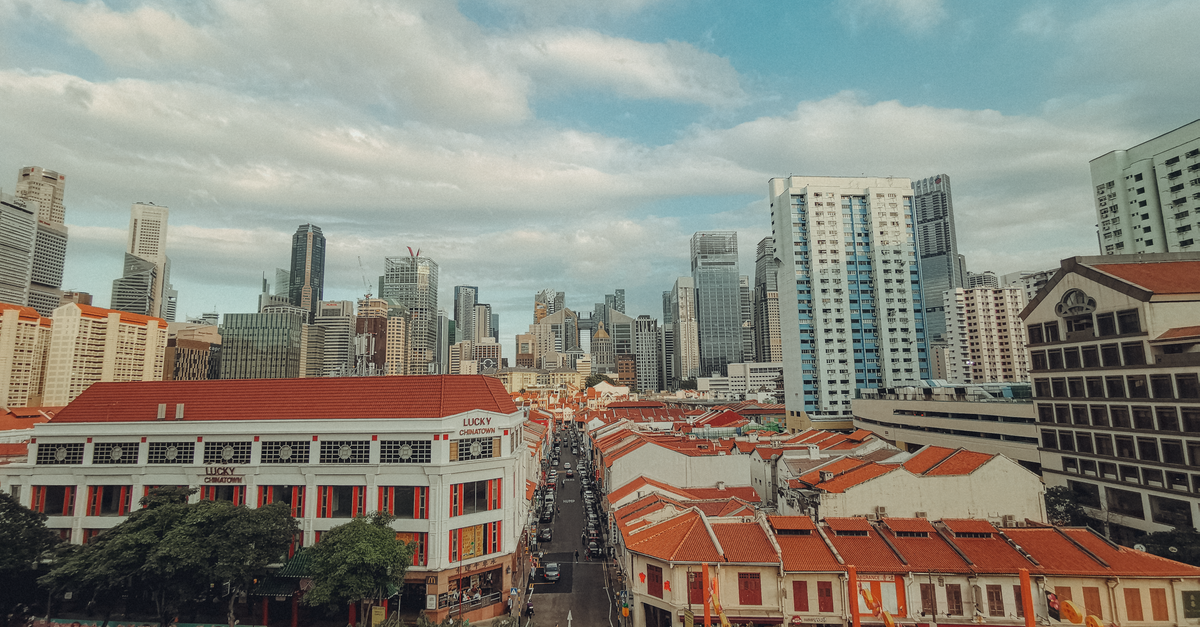
Chinatown deserves a place on your Singapore itinerary for its temples, shophouses and hawker centres. Around Pagoda Street, South Bridge Road and Smith Street, the neighbourhood brings together cultural heritage, shops and street food. The Buddha Tooth Relic Temple, Sri Mariamman Temple and the shared tables at Maxwell Food Centre are the main landmarks on a walking tour.
The appeal is not limited to the monuments: restored façades, tea merchants and meals eaten at shared tables reveal different sides of this historic neighbourhood. To make the most of it, plan your walk around the places of worship and a food stop, rather than trying to fit in too many stops without taking time to look around.
In brief
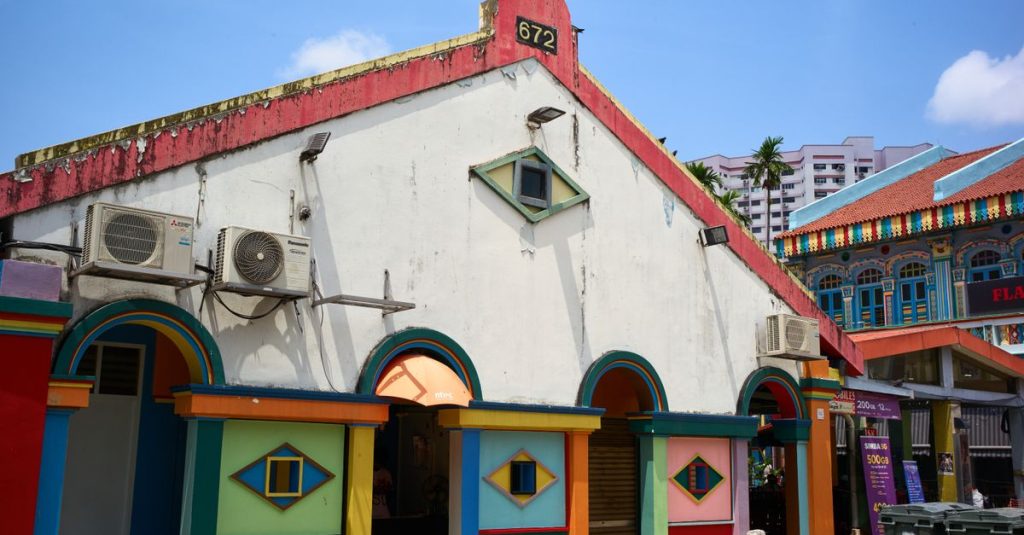
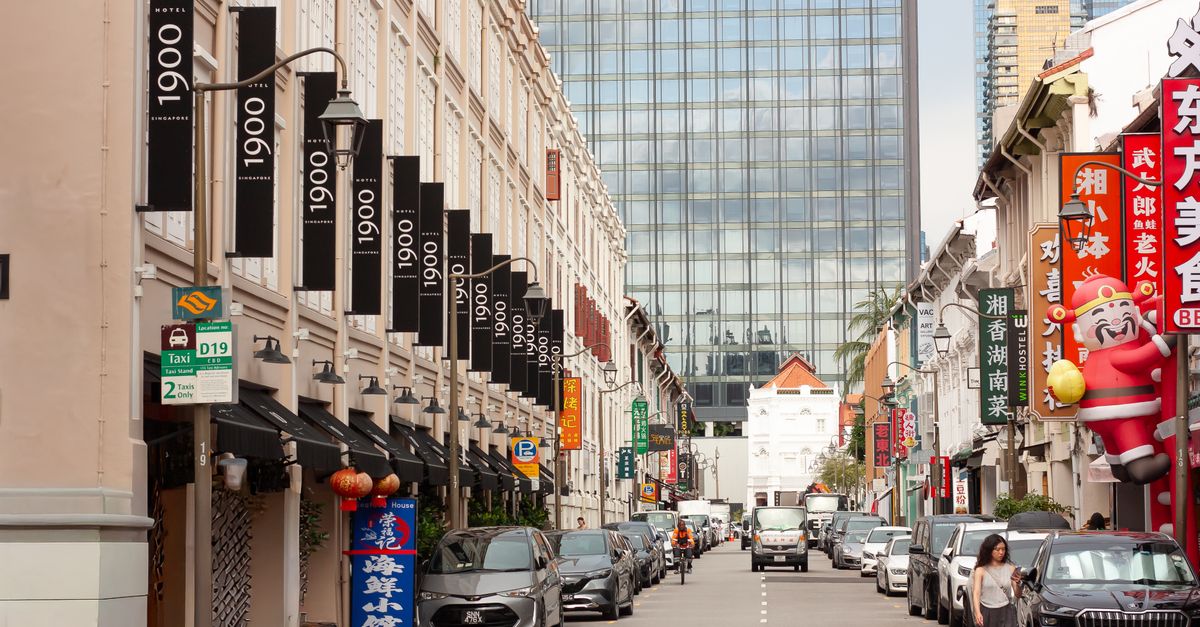
The heart of the walk lies around Pagoda Street, Temple Street, Smith Street and Trengganu Street. These streets offer a chance to discover the shophouses, narrow-fronted buildings whose traditional layout combines a commercial space on the ground floor with rooms upstairs.
To appreciate this traditional architecture, look above the shop signs. The shutters, window proportions, decorative details and colours of the façades offer more to see than the souvenir displays alone.
The covered walkways in front of the shops are also part of the neighbourhood experience. They provide partial protection from the sun or rain, but remain circulation areas: avoid stopping in front of an entrance to take a photograph.
Restoring the buildings does not mean that their use has remained unchanged. Cafés and bars now occupy some premises, alongside tea shops and herbalists; this combination shows how heritage adapts to contemporary activity.
Pagoda Street has a visitor-focused selection of shops. It is useful for finding easy-to-carry gifts, but its stalls do not represent the full diversity of the local markets and businesses in the area.
When buying tea, ask for more information about its origin, preparation and packaging. In a herbalist’s shop, do not treat a traditional product as a harmless remedy: a purchase intended for health purposes deserves appropriate medical advice.
Our guide to things to do in Singapore helps put these purchases into the context of the city’s commercial offering. Here, the best approach is to look at the buildings as much as the shop windows: that is what distinguishes a heritage walk from simply passing through a shopping street.
The proximity of a Buddhist shrine and a Hindu place of worship is a reminder that Chinatown is not limited to a single tradition. These are active religious sites, and tourist visits should remain respectful of worshippers.
On South Bridge Road, the Buddha Tooth Relic Temple stands out with its imposing scale, red tones and architecture inspired by the Tang style. Its appearance evokes a historic architectural vocabulary, but this inspiration should not be confused with the age of the building.
Inside, take time to look at the areas open to visitors rather than searching only for a spectacular photograph. The complex also includes museum spaces and a rooftop garden; check with the temple to find out which areas are open when you visit.
Cover your shoulders and knees, keep your voice down and follow the instructions concerning photography. Access conditions may differ from one area to another: a room open to the public does not automatically give access to every part of the shrine.
Sri Mariamman Temple is recognisable by its gopuram, the entrance tower decorated with colourful carved figures. Its presence in the heart of the Chinese district is a tangible example of Singapore’s multicultural history.
Remove your shoes where indicated and respect areas reserved for religious practices. If a ceremony is taking place, stay back and do not photograph people at prayer without their permission.
Contact each temple directly for current opening hours and visiting arrangements. To explore this context further, our page on culture and leisure in Singapore complements the visit: understanding how a shrine is used matters just as much as looking at its decoration.
Maxwell Food Centre and Chinatown Complex Food Centre let you experience popular local food without leaving the neighbourhood. These hawker centres bring independent stalls together around shared tables: each one offers its own speciality and ordering procedure.
Maxwell fits neatly into a walk around the Buddha Tooth Relic Temple. Hainanese chicken rice is an emblematic choice there, but take time to look at the other options rather than automatically joining the most visible queue.
Chinatown Complex suits a walk focused on Smith Street and the surrounding streets. Walk through the aisles before ordering: dishes, portions and accompaniments vary from one stall to another.
| Place | Why visit | Practical tip |
|---|---|---|
| Maxwell Food Centre | A food stop near the temple district | Compare the specialities on offer before choosing a queue |
| Chinatown Complex Food Centre | A meal to include while exploring the shopping streets | Note your stall and table so you can easily find your place again |
Check whether the stall asks you to wait there or return to collect your dish. Carry cash: whether a foreign card or mobile payment is accepted depends on the vendor and should not be assumed.
During busy periods, ask whether empty seats at a table are available before sitting down. After your meal, use the tray and crockery return points and follow the signs.
If you have an allergy, ask the vendor about sauces, broths and garnishes, not just the main ingredient. Our guide to Singapore restaurants and specialities helps you explore this street food culture; the right choice remains a dish whose ingredients you understand.
Chinatown MRT station, on the North East and Downtown lines, is a convenient starting point. At the exit, check the neighbourhood map to reach the historic streets: your choice of exit affects the beginning of your walk.
Start on Pagoda Street, then continue to Temple Street and the nearby walkways. This first section lets you look at the façades before heading to South Bridge Road to discover Sri Mariamman Temple.
Continue towards the Buddha Tooth Relic Temple. Adapt the order of your visits to the access conditions: if an area is temporarily unavailable, continue your walk rather than allowing it to disrupt your entire plan.
For a meal, choose Maxwell if you want to stay near this part of the route, or head back towards Chinatown Complex to continue exploring around Smith Street. There is no need to eat at both centres: it is better to take time to choose your dish and sit down.
The humid heat makes breaks useful even when the distances seem short. Bring water, wear comfortable shoes and consult our advice on Singapore’s climate and seasons to prepare for your outings. Our guide to the best time to visit Singapore can also help with planning.
In a shower, the covered walkways provide partial shelter, but do not form a completely protected route. A café or covered public space may provide somewhere to wait; a place of worship should not be treated as a simple waiting room.
For transport, check the latest information with the Land Transport Authority and network operators, then consult our guide to transport in Singapore. Keep your route flexible: site opening arrangements and the weather take priority over the planned order.
Chinese New Year gives Chinatown a particularly festive atmosphere, with decorations and events that change the feel of the streets. This period can enrich your visit, but it is not the same experience as a walk focused on façades and shops.
To attend a specific event, check the programme with the Singapore Tourism Board and the official organisers. Dates, access arrangements and traffic measures should be confirmed for the relevant edition.
When the streets are busy, allow more flexibility for meals and travel. With children, choose a compact route and an easy-to-recognise meeting point rather than a succession of distant objectives.
Celebrations also provide context for the products displayed in shop windows. Asking about the use of a decorative object or festive food often adds more than buying something without understanding its meaning.
Little India is a natural extension if you want to compare commercial practices, places of worship and cuisines. Around Serangoon Road and Tekka Centre, the visit introduces other traditions; Chinatown and Little India stations are served by the same MRT lines.
Kampong Glam offers another perspective on cultural heritage, around Sultan Mosque, Bussorah Street and Arab Street. Bugis is a convenient access point for reaching this area on foot.
There is no need to visit all these neighbourhoods in the same outing. Our selection of things to do in Singapore helps you create an itinerary based on your interests: comparisons are more rewarding when you give each neighbourhood enough time.
Yes, the main historic streets, temples and hawker centres can be explored on foot from Chinatown station. Plan breaks and adapt your route to the heat and showers.
Wear clothing that covers your shoulders and knees. At Sri Mariamman Temple, remove your shoes where indicated. At each shrine, follow the instructions concerning accessible areas and photography.
Base your choice mainly on your route, which stalls are open and which dishes appeal to you. Maxwell fits well with a visit around the Buddha Tooth Relic Temple, while Chinatown Complex extends the walk around Smith Street.
Yes, especially if you want to enter a temple, visit its museum spaces or eat at a particular stall. Check directly with the establishment concerned: the neighbourhood’s activity does not guarantee that every place is open.
Updated on 17/10/2026
Scroll to see more articles →