Singapore Laws: Chewing Gum, Fines and Banned Items
Discover the main Singapore laws on chewing gum, fines, vaping, drugs, medicines and daily rules to avoid penalties during your stay.
To visit Little India in Singapore, start at Tekka Centre, discover Tan Teng Niah’s house, then walk up Serangoon Road to Sri Veeramakaliamman Temple. When it comes to food, try a dosa, roti prata or biryani at the stalls and restaurants in the neighbourhood. Little India and Farrer Park stations make it easy to arrive by MRT and then continue on foot.
This neighbourhood is a place of commerce, worship and meeting, not just a collection of colourful façades. Its Tamil identity is important, but it exists alongside other Indian and Singaporean traditions: sari shops, flower garlands and restaurants reflect this diversity just as much as the monuments do.
In brief
Serangoon Road is the main landmark for exploring the neighbourhood. The surrounding streets then allow you to leave the traffic behind and look at shopfronts, shophouses and specialist businesses. The appeal of the walk lies as much in everyday activity as in its notable buildings.
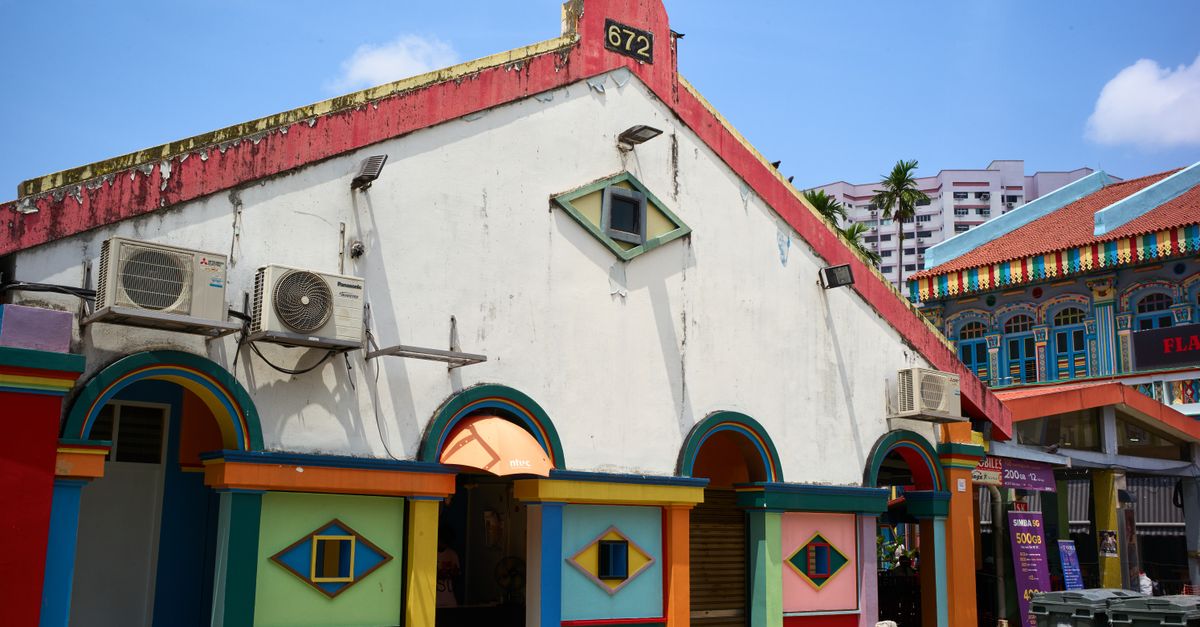
On Kerbau Road, Tan Teng Niah’s house stands out with its multicoloured façades. This former Chinese residence is a reminder that the area’s history is not limited to a single community, so it deserves more than a quick photograph in front of its painted walls.
Look at its openings, decorative details and contrast with the neighbouring buildings. Focus on viewing it from outside, without assuming that the interior spaces are open to the public, and leave passages clear when photographing the façade.
Around Campbell Lane and the adjoining streets, alternate between observing the façades and looking for murals. The artworks may change, so it is better to treat them as discoveries along the way rather than as an unchanging collection to tick off.
The shophouses traditionally combine commercial spaces with upper floors. Their proportions and covered walkways reveal a different form of urban development from the towers of the financial centre.
Flower shops add a religious dimension to this architectural reading. The garlands are not purely decorative: they may be used as offerings, which explains their presence near places of worship.
Ask permission before photographing a shopkeeper or their work. To continue exploring without adding unnecessary journeys, choose a destination among the other things to do in Singapore: the neighbourhood is easier to understand by walking than by visiting its monuments one by one.
Little India’s shrines are active places of worship. Their architecture should therefore be explored with worshippers, ceremonies and posted instructions in mind. An open door does not mean that every space is accessible to visitors.
Sri Veeramakaliamman Temple on Serangoon Road is dedicated to Kali. Its sculpted entrance tower, known as a gopuram, offers an introduction to the religious architecture of southern India, with a profusion of figures and scenes.
Take time to look at the details rather than immediately searching for an interior viewpoint. Wear clothing covering your shoulders and knees, remove your shoes where requested and respect photography restrictions.
Opening periods and religious activities may vary. Check timings with the shrine’s administration before travelling there, and do not treat a ceremony as a guaranteed tourist attraction.
Further along the same road, Sri Srinivasa Perumal is dedicated to Vishnu. This visit introduces another Hindu devotional tradition, without reducing the differences between shrines to their size or decoration.
On Campbell Lane, the Indian Heritage Centre adds to this perspective. This museum and Indian cultural centre presents the history of Singapore’s Indian communities and their links with a wider regional area.
It helps distinguish language, geographical origin and religion, concepts that the expression “Indian neighbourhood” can obscure. Check the centre’s access conditions, prices and programme directly with the institution. Combining a shrine with a cultural visit helps connect the practices you see with their history.
Indian cuisine is a reason to visit the neighbourhood in its own right. Southern Indian specialities have an important place here, but the selection also includes other regional traditions and dishes that have become part of Singaporean cuisine.
Tekka Centre brings together different activities, including food shopping and dining. Do not confuse the building’s opening with that of each individual stall: vendors organise their service independently.
Walk around the stalls before ordering, look at the dishes on offer and ask what comes with the plate. A curry, drink or garnish is not necessarily included in the displayed price; check directly with the vendor.
| Speciality | What to expect | What to check |
|---|---|---|
| Dosa or thosai | Fermented rice-and-lentil crêpe, served with chutneys among other accompaniments. | The filling and accompaniments. |
| Idli | Small savoury steamed rice-and-lentil cakes. | The sauces served with them. |
| Roti prata | Flaky flatbread, generally served with a curry. | Whether it contains egg and what is in the curry. |
| Biryani | Fragrant spiced rice served with different toppings. | The meat chosen or whether a vegetarian version is available. |
Biryanis are generous meals centred on spiced rice, while a masala dosa focuses more on the contrast between a crisp crêpe and potato filling. Roti prata offers a taste of a preparation that is particularly well established in local eating habits.
Komala Vilas is known for its South Indian vegetarian food. Contact the restaurant directly for its menu and arrangements, rather than assuming that a reservation or a particular dish will be available.
Vegetarian does not automatically mean vegan: clarified butter, milk and yoghurt may be used in recipes. If you have an allergy, clearly mention the ingredient concerned and ask the staff about the preparations and the risk of cross-contact.
A teh tarik, usually sweetened milk tea, is a popular accompaniment to a break. Choose your dish and how it is prepared before selecting an address based solely on its appearance.
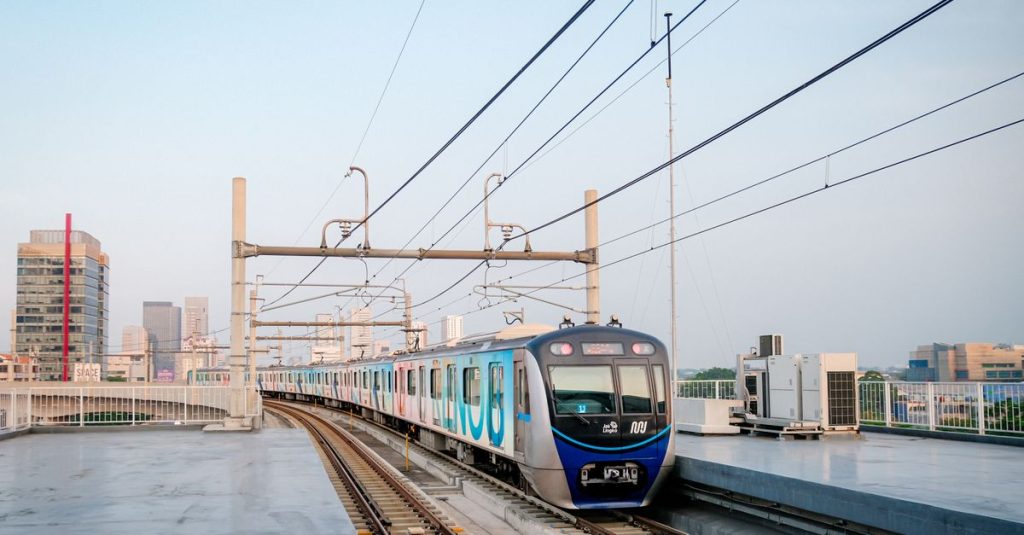
The MRT is a practical way to reach the neighbourhood without relying on traffic conditions. Little India station serves the North East and Downtown lines; Farrer Park is on the North East line. The best arrival point mainly depends on where you plan to start.
Little India MRT station is suitable for starting around Tekka, Kerbau Road and Campbell Lane. From the station, check the exit map before heading out: the right exit avoids unnecessary crossings at busy junctions.
Farrer Park is useful for areas close to Mustafa Centre and for a walk that then heads down towards Tekka. This allows you to cross the neighbourhood without repeatedly retracing your steps.
Bugis is another option if you want to include a walk from that area. However, this choice should take account of the heat, showers and tiredness, rather than just the apparent distance on a map.
From the airport, compare the public transport journey with a direct ride according to your luggage and exact destination. A hotel described as being in Little India may be closer to a different station than the one named after the neighbourhood.
For connections, fares and timings, check up-to-date information with the Land Transport Authority and the operators concerned, SBS Transit or SMRT. Our guide to the Singapore MRT and its lines explains how the network works.
Taxis can be harder to find when crowds increase, particularly at weekends. If you book a pick-up, choose an authorised, clearly identifiable location rather than waiting in front of a congested entrance.
Once you arrive, continue on foot using pedestrian crossings. The most comfortable route is the one that brings you closest to the actual start of your walk.
Adapt your route to the weather and the neighbourhood’s activity. Singapore remains hot and humid all year round, and a shower can quickly change walking conditions. Check the Meteorological Service Singapore forecast before setting out and consult our guide to Singapore’s weather when planning your outings.
Alternate outdoor sections with breaks under cover, without assuming that a covered market will be air-conditioned. Carry water and check the forecast before organising your outings.
Weekends and festivals can increase visitor numbers. Deepavali brings illuminations and a festive atmosphere, but dates and activities should be checked with the official organisers.
For a quieter experience, choose a weekday, without expecting empty streets. A festival period offers a different experience, focused on gatherings and celebrations rather than a peaceful walk.
Textiles, spices and jewellery are possible purchases, provided that you compare products. For a sari, ask whether alterations are included; for jewellery, clarify the composition, weight and return conditions.
Mustafa Centre offers a very wide range of products, but check its opening hours directly with the shop. Also bring a suitable payment method for small shops: not all of them necessarily accept your foreign card. You can also consult our guide to the Singapore dollar and payments.
Keep your belongings close in crowded passageways and do not block entrances while taking photographs. A successful visit respects the neighbourhood’s daily life as much as it enjoys its shops.
Yes, if you want to combine religious heritage, shopping streets and Indian food. The neighbourhood is best explored on foot, combining a few notable sites with markets and small shops.
Little India is suitable for Tekka, Kerbau Road and Campbell Lane. Farrer Park is convenient for starting near Mustafa Centre and then continuing towards the southern part of the neighbourhood.
Access depends on which areas are open and on the shrine’s instructions. Wear appropriate clothing, remove your shoes when requested and check opening times and photography restrictions with the administration.
Yes, South Indian restaurants offer many vegetarian dishes. If you follow a vegan diet, check specifically for clarified butter, milk or yoghurt.
Updated on 19/10/2026
Scroll to see more articles →