Singapore Laws: Chewing Gum, Fines and Banned Items
Discover the main Singapore laws on chewing gum, fines, vaping, drugs, medicines and daily rules to avoid penalties during your stay.
To discover Singapore, focus on Marina Bay, Gardens by the Bay, the historic districts and the Botanic Gardens. Add a meal in a hawker centre, these spaces bringing together food stalls, then choose between Sentosa’s beaches and an outing to the nature reserves. This programme lets you understand the city-state beyond its towers: a tropical, multicultural port city where places of worship stand alongside traditional shops and green architecture.
The most practical approach is to group your visits by area, rather than spending time criss-crossing the city. Around the bay, the promenades showcase the major landmarks; in the neighbourhoods, the interest lies more in the markets, façades and food. Leave some flexibility for showers and check the operators’ information before booking an attraction.
In brief
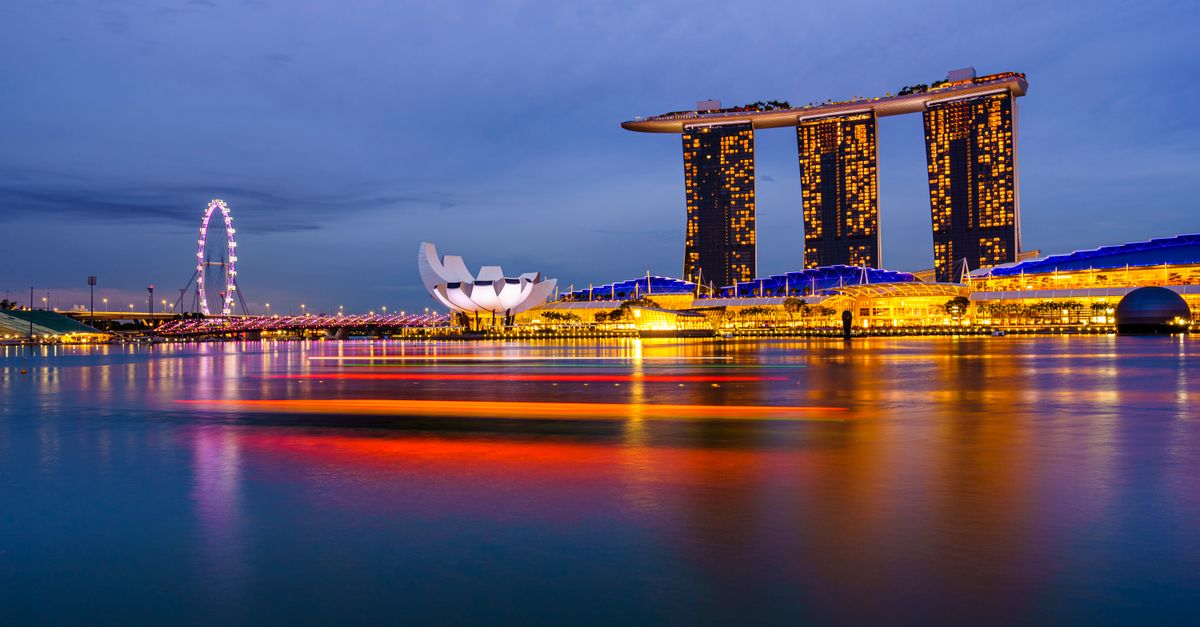
Gardens by the Bay is worth visiting both by day and at night. Natural light reveals the planting and views of Marina Bay Sands; after sunset, the Supertrees become the main attraction. Do not limit your walk to these structures: the themed gardens and the areas around the lakes offer a less photography-focused experience.
The conservatories offer contrasting environments. Cloud Forest presents high-altitude tropical vegetation around an indoor waterfall, while Flower Dome displays plants suited to drier climates and floral arrangements.
Choose the areas that match your interests rather than automatically buying a ticket covering every attraction. Check prices, time slots and maintenance closures with Gardens by the Bay, particularly for the conservatories and walkways. See our Gardens by the Bay guide before your visit.
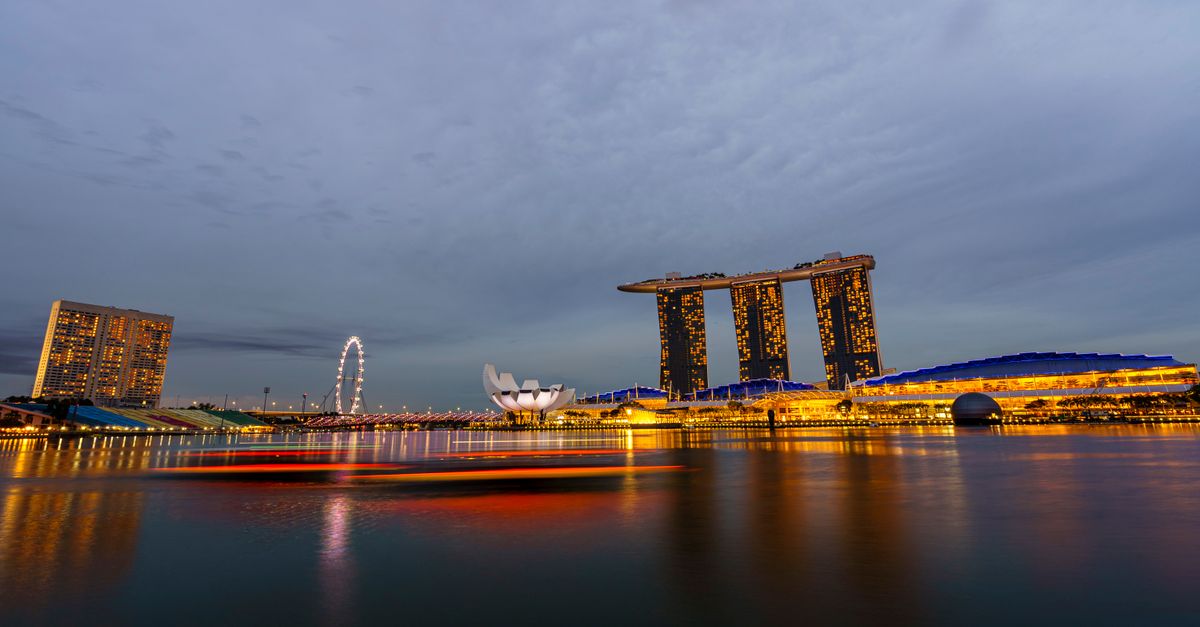
Merlion Park is a good starting point for viewing the Marina Bay Sands skyline from the opposite bank. The lion-headed, fish-bodied creature reflects Singapore’s identity; our page on the history of the Merlion provides more context about this symbol.
Continue along the promenades to vary the views. The appeal of this area lies as much in the urban ensemble—water, towers, bridges and cultural buildings—as in each individual landmark.
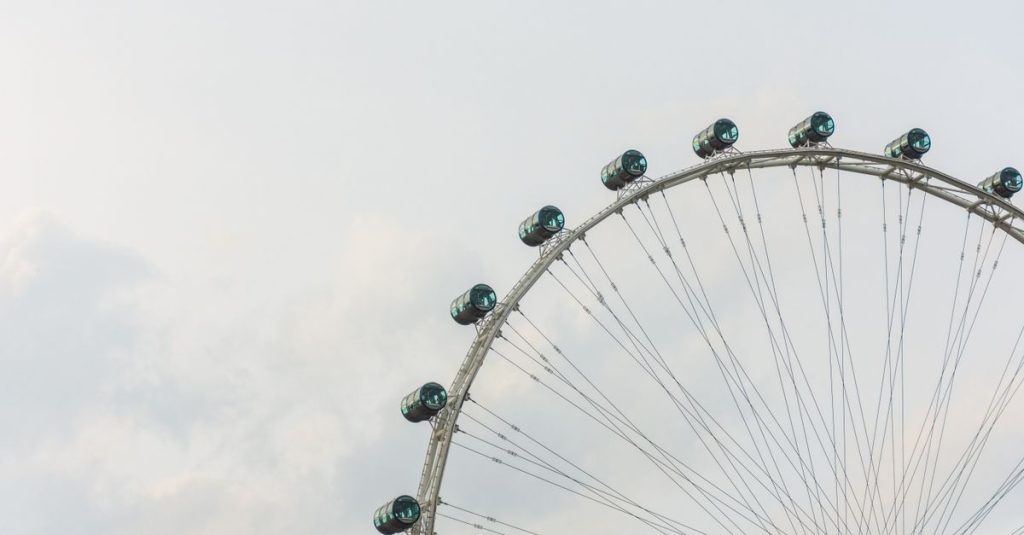
For a view from above, compare the Marina Bay Sands observatory with the Singapore Flyer: the first offers a perspective from the hotel complex, while the second provides a gradual view from a cabin. Check with the operators for access conditions and availability; buying several panoramic experiences is not essential. You can also read our guide to the Marina Bay Sands SkyPark.
Nearby, the Civic District provides a historical counterpoint, with St Andrew’s Cathedral, the Victoria Theatre and the buildings of the National Gallery Singapore. Combining the bayfront with the civic district helps you read the city’s different eras.
Discover Chinatown beyond its souvenir streets. Shophouses, traditional buildings combining shops and homes, illustrate an urban layout where commerce and living were closely connected. Look at their covered walkways, shutters and differing decorative details.
The Buddha Tooth Relic Temple and the Hindu Sri Mariamman Temple illustrate the proximity of different religious traditions. Towards Telok Ayer, Thian Hock Keng also recalls the links between Chinese communities and local maritime history.
These buildings remain places of worship: follow the guidance on clothing, shoes and photography. To extend your walk without changing areas, head to a hawker centre such as Maxwell Food Centre or Chinatown Complex.
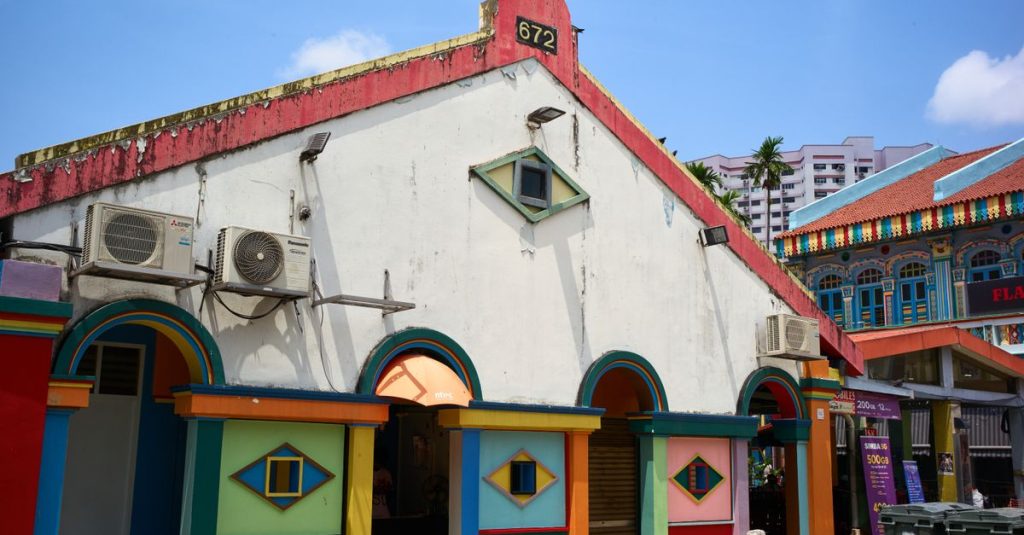
In Little India, Tekka Centre combines a market and food area: it is a useful stop for discovering the ingredients and preparations used in the city’s Indian cuisine. Textile, jewellery and flower-garland shops then give the walk a different rhythm.
Tan Teng Niah House attracts visitors with its colours, but the neighbourhood is more than this façade. The Sri Veeramakaliamman and Sri Srinivasa Perumal temples offer an introduction to its religious heritage, with respect for ceremonies and areas open to visitors.
Kampong Glam, also called Kampong Gelam, is organised around the Sultan Mosque. Arab Street and the neighbouring streets combine fabrics, perfumes and restaurants, while Haji Lane is better known for its shops and murals.
Contemporary terraces and businesses should not obscure the area’s Malay and Muslim history. To understand this diversity beyond the neighbourhoods, see our guide to Singapore’s official languages.
Further east, Katong-Joo Chiat sheds light on Peranakan culture, which emerged from encounters between communities from China and the Malay world. At Koon Seng Road, admire the façades from public spaces: these houses are also people’s homes, and their entrances must remain clear.
Singapore Botanic Gardens are the perfect complement to the bay’s futuristic scenery. Its mature trees, lawns and plant collections encourage you to observe rather than rush from one attraction to the next. Visitors interested in plants can prioritise the National Orchid Garden.
Choose your entrance according to the areas you want to explore: the grounds are extensive, and trying to cross them all can turn a pleasant walk into a tiring hike. Check NParks for access, any restrictions and visiting conditions for the orchid garden.
The Southern Ridges connect several green spaces in the south of the city. Henderson Waves bridge is an architectural landmark, but the route’s main appeal lies in the alternation of vegetation, hills and urban views.
You do not need to follow every trail. Choose a section suited to your fitness level, taking the stairs and access points into account; if you are using a pushchair, check the exact route with NParks.
The humid heat makes the climbs more demanding than a map might suggest. Take water, protect yourself from the sun and adapt your outing to weather alerts and reported closures.
Sungei Buloh Wetland Reserve offers a different experience, focused on wetlands and wildlife watching. Birds, monitor lizards and other wild animals are not guaranteed attractions: how visible they are depends on the conditions and the time of your visit.
Stay on authorised paths, keep your distance and do not feed any animals. Crocodiles inhabit this environment; the safety instructions displayed on site should guide your visit.
This excursion requires more planning than the central parks, particularly for the return journey. Check our section on transport and getting around and NParks’ information; to choose outdoor activities, our guide to the best time to visit Singapore helps explain the climate without promising a rain-free season.
Eating in a hawker centre is part of the cultural experience. These spaces bring specialist stalls together around shared tables: everyone can choose a different dish, making it easy to sample several culinary traditions during the same meal.
Hainanese chicken rice combines chicken, fragrant rice and condiments; laksa consists of noodles in a spicy broth, often enriched with coconut milk. Satays, skewers served with a sauce, offer another way to build your meal.
Lau Pa Sat is worth visiting as much for its architecture as for its location in the middle of the business district. Tekka Centre naturally complements a visit to Little India, while Katong’s establishments offer a deeper introduction to Peranakan cuisine.
If you have an allergy, ask directly about the ingredients and the possibility of cross-contamination. You can find more guidance in our guide to Singapore’s restaurants and specialities.
The National Gallery Singapore is a worthwhile stop for discovering Singaporean and Southeast Asian art. Housed in the former City Hall and Supreme Court buildings, it also demonstrates how institutional heritage can be reused.
A museum visit can replace a long walk during a heavy shower. Check the programme, entry conditions and accessible areas with the venue rather than relying on a particular exhibition being available.
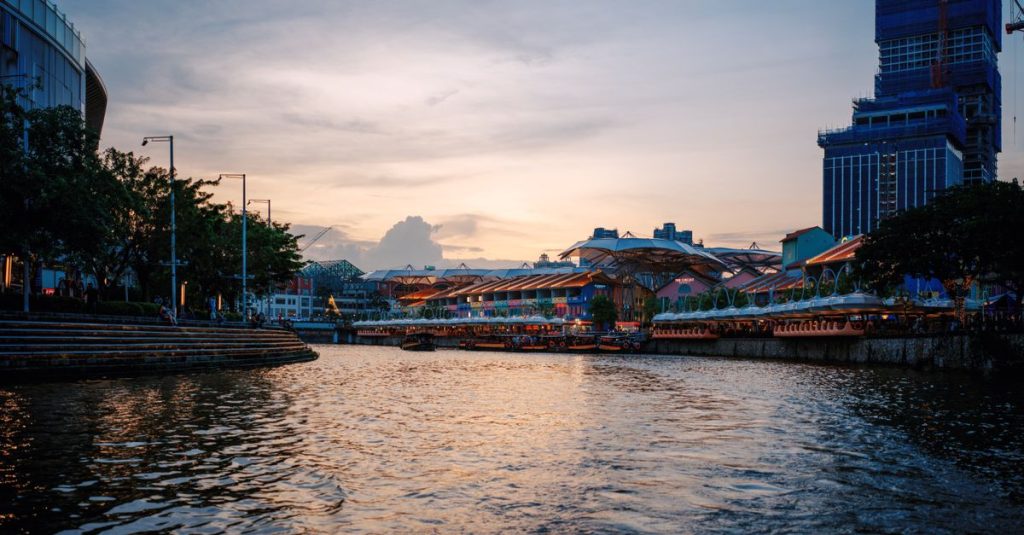
In the evening, Clarke Quay suits those looking for restaurants, bars and waterside entertainment. For an atmosphere less focused on partying, continue towards Robertson Quay and choose a stop according to the mood of the terraces.
Raffles Hotel will mainly appeal to enthusiasts of architecture and hotel history. If you would like to try its signature cocktail, our article on the Singapore Sling and its origins puts the experience into context.
Sentosa suits travellers who want to devote part of their stay to leisure. Universal Studios Singapore and Adventure Cove Waterpark cater to different interests; it is better to choose according to the attractions you want and your group’s constraints than to try to combine everything. Our Sentosa guide can help you plan your visit.
Check with the operators for opening times, access restrictions and booking conditions. Families should in particular check the requirements specific to each attraction before buying tickets.
Siloso, Palawan and Tanjong offer developed beach settings, but they are not isolated beaches. Check the local guidance and our guide to Singapore’s beaches and swimming spots before choosing your destination.
Jewel combines shops, restaurants and an indoor garden around the Rain Vortex. The complex is on the public side, not in the international transit area: a connecting flight therefore does not automatically allow you to access it.
Check whether you can enter Singapore with the Immigration & Checkpoints Authority, then confirm transit arrangements with your airline. Consult Jewel Changi Airport for information about the waterfall and our Changi Airport guide to plan your journey.
When choosing between outings, start with the experience you want. A coherent itinerary also leaves time for meals, travel and breaks, particularly when travelling with children.
| Your priority | Visits to prioritise | What to plan for |
|---|---|---|
| Architecture and panoramic views | Marina Bay and Gardens by the Bay | Time slots for chosen attractions |
| Culture and food | Historic districts and hawker centres | Access to places of worship |
| Nature | Botanic Gardens or Sungei Buloh | Weather and return journey |
| Family leisure | Sentosa | Restrictions specific to attractions |
| Airport stopover | Jewel | Formalities and time before the flight |
Prioritise Marina Bay, Gardens by the Bay and one historic district. Add a meal in a hawker centre and the Botanic Gardens to discover the city’s urban, cultural and tropical sides.
Choose a museum such as the National Gallery Singapore or one of the conservatories at Gardens by the Bay. During a storm, postpone exposed walks and follow the site operators’ instructions.
Booking ahead can be useful for attractions with timed entry and leisure parks. Check availability, ticket contents and cancellation conditions directly with the operators before paying.
It depends on whether you can enter Singapore and how much time you have before your next flight. Jewel is on the public side: check the formalities with the Immigration & Checkpoints Authority and connection restrictions with your airline.
Updated on 22/10/2026
Scroll to see more articles →