
ArtScience Museum Singapore: Exhibitions, Tickets and Access
Discover Singapore’s ArtScience Museum: exhibitions, tickets and practical advice for planning your visit to Marina Bay Sands.
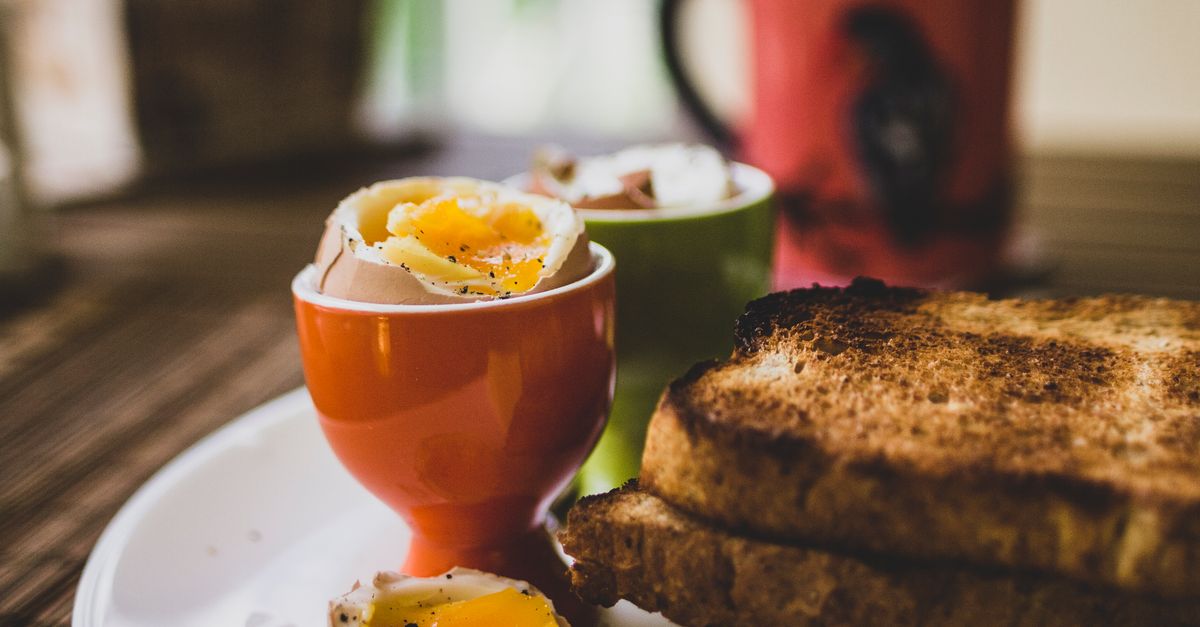
Kaya toast is one of Singapore’s iconic breakfasts: toasted bread filled with kaya jam and butter, served with soft-boiled eggs and local coffee, kopi. This speciality relies on a simple contrast: the crispness of the toast, the smoothness of a coconut-milk preparation and the freshness of butter beginning to melt.
Served in traditional cafés as well as specialist chains, it is part of everyday Singaporean cuisine. To discover it, the main things to understand are what the filling contains, how to enjoy the accompaniments and what distinguishes the different preparations.
In brief
Kaya jam is more like a spreadable cream than a fruit jam. The eggs thicken the mixture during cooking, while the sugar and coconut milk give it its sweetness and rich texture.
The Malay word “kaya” means “rich”, a fitting name for this generous consistency. The names srikaya and serikaya are also used in the region, with recipe variations reflecting different culinary traditions.
Pandan is an aromatic plant whose leaves are used to flavour the preparation. Its vegetal character complements the coconut without necessarily overpowering it; depending on the recipe, it also contributes to a green colour.
The nyonya version is generally associated with this light colour and pandan. Hainanese-style kaya tends to be brown and taste of caramelised sugar, but recipes vary from one producer to another.
| Preparation | Dominant character | What to look for |
|---|---|---|
| Nyonya-style kaya | Coconut and pandan notes | Often green, with a vegetal aroma |
| Hainanese-style kaya | More caramelised notes | Generally brown in colour |
| Homemade kaya | Balance specific to the recipe | Variable texture, sweetness and aromatic intensity |
Colour alone is not enough to judge quality. It also depends on the egg yolks and how the sugar is handled: a brown preparation is therefore not simply a green version that has been cooked for longer.
When buying a jar, look at its ingredients rather than its appearance alone. Honey, flavourings and other possible ingredients are not systematic; the label helps distinguish recipes and identify allergens.
A kopitiam is a traditional café where people come to eat and drink simply. Kaya toast naturally belongs there: it accompanies a hot drink and can be eaten at breakfast or during a break in the day.
This speciality is also popular in Malaysia. It reflects shared eating habits across the region rather than a strict culinary boundary between neighbouring countries.
The history usually associated with kaya toast highlights immigrants from Hainan and their work for the British, particularly as cooks. Toasted bread from the Western repertoire is thought to have been adapted with a local coconut filling.
However, the origin of the cream and that of the filled toast must be distinguished. The association between Hainanese cooks and this breakfast does not prove that they invented every regional preparation made with coconut and eggs.
This distinction explains why similar desserts exist elsewhere in Southeast Asia without being identical. Filipino coconut jams, for example, may contain no eggs, unlike the recipe described here.
In Malaysia, the name roti kahwin, often translated as “marriage bread”, evokes the union of butter and the sweet filling. The image accurately describes the principle: neither element produces the same balance on its own.
The bread provides structure, the cream sweetness and the fat rounds everything off. This combination explains why an apparently simple recipe can change noticeably depending on the thickness of the slice or the amount of filling.
To place this speciality among local eating habits, see our guide to things to do in Singapore. Here, the appeal lies as much in the pairing of ingredients as in the café tradition that accompanies it.
Eat the toast as soon as it is served. While you wait, the bread gradually loses its crispness and the butter melts further, making the contrast between the textures less pronounced.
Depending on the establishment, the slices may be thin and very crisp or thicker, with a soft interior. These differences do not necessarily represent a divide between a correct and incorrect recipe, but rather different ways of preparing the same combination.
The expression soft-boiled eggs may be confusing for a French reader. With this breakfast, they are often cracked into a small bowl, with a liquid yolk and very soft white, rather than peeled and served whole.
Dark soy sauce and white pepper provide a salty, spicy counterpoint. Add them gradually: their role is to enhance the eggs without completely masking their flavour.
You can eat them with a spoon or dip in a piece of toast. The latter method directly combines the sweetness of the filling with the saltiness of the seasoning, but it is not compulsory.
Pregnant people, those who are immunocompromised or particularly vulnerable to foodborne infections should choose well-cooked eggs and ask for an adaptation at the counter. Very light cooking is not suitable for everyone.
Kopi, local coffee, is the classic accompaniment; teh, tea, is another option. When ordering, specify your preferences regarding sugar and milk, as a drink with a familiar name may not match your usual preparation.
A lightly sweetened cup allows the coconut and caramel notes to stand out more. The right pairing therefore also depends on the drink, not just what is on the plate.
Ya Kun Kaya Toast and Killiney Kopitiam are well-known chains associated with this speciality. They offer practical reference points for discovering the complete breakfast, although their popularity does not objectively make one address better than another.
Traditional cafés are another option. Look at what the counter actually prepares: the type of bread, the accompaniments offered and the drinks available are more useful indicators than the simple word “traditional”.
An order of toast alone does not necessarily include the eggs and coffee. Before paying, check whether the set contains everything you want and whether the drink can be adapted.
Prices, menus and opening hours may change. Check the chain’s official information or ask directly at the outlet before travelling there.
To plan spending beyond this meal, our page on Singapore’s cost of living helps place café visits within your overall daily expenses. Above all, avoid comparing a single slice of toast with a complete set.
For a very crisp texture, look for thin bread. If you prefer a softer bite, a thick slice may suit you better, but it also changes the space taken up by the cream and butter.
Peanut-butter or cheese variations significantly change the flavour profile. To discover the speciality, starting with the kaya-and-butter combination gives you a clearer point of comparison.
Finally, choose an address that fits your itinerary rather than making a detour based solely on its reputation. Our Singapore transport guide can help you fit this break into your journey.
The simplest solution is to use ready-to-spread kaya, then take care with the toasting and assembly. For a homemade preparation, the main difficulty is cooking the eggs: the mixture must thicken without coagulating into grains.
Beat the eggs without trying to make them frothy, then strain them to remove less homogeneous parts. Infuse pandan leaves in the hot coconut milk, remove them and allow the temperature to fall before gradually adding the liquid to the eggs.
Add the sugar, then thicken gently while stirring regularly, particularly around the bottom of the container. Avoid a full boil: excessive heat encourages a grainy texture instead of the desired creamy consistency.
A bain-marie makes this delicate cooking process easier to control. The preparation should become thick enough to coat the back of a spoon; it firms up further as it cools, so avoid drying it out unnecessarily.
Transfer it to a clean container and refrigerate it promptly once cool. For a shop-bought product, follow the storage and post-opening instructions on the packaging.
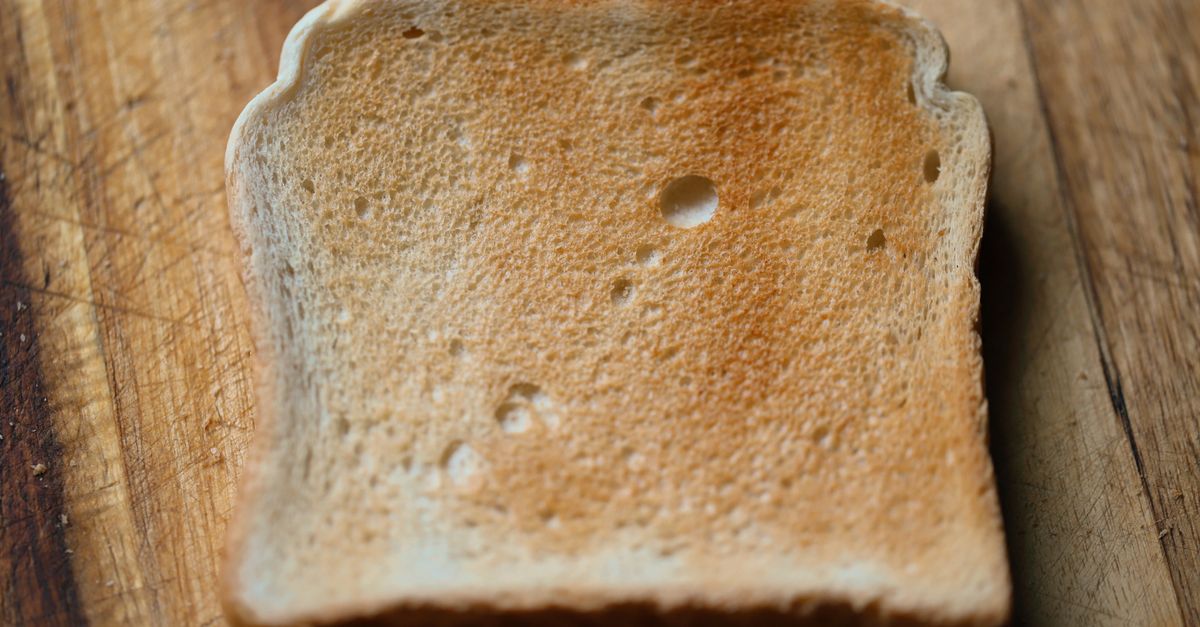
Toast the bread until the surface is dry and crisp. A toaster is suitable: charcoal belongs to some traditional methods, but it is not essential for recreating the desired contrast.
Spread on the cream, add a thin slice of very cold butter, then close with another slice. Serve immediately rather than leaving the toast stacked, as trapped steam softens the surface.
Salted butter heightens the contrast with the sweetness of the kaya; unsalted butter leaves more room for the coconut aromas. In both cases, assembling it at the last moment matters more than a complicated presentation.
No. Traditional kaya contains eggs and the toast is generally spread with butter. A vegan preparation therefore requires replacing both the cream and the fat.
No. Coconut milk, eggs and sugar form the base. Pandan flavours many versions, while others place more emphasis on caramelised sugar.
Check the options at the counter: the toast may be offered separately from the complete set. However, removing the eggs served alongside does not remove the eggs contained in the filling.
The traditional preparation contains eggs, usually dairy through the butter, and wheat in the bread. Soy sauce and variations may add other allergens: check the ingredients and ask staff if you have an allergy.
Updated on 29/10/2026
Scroll to see more articles →