
Language Study in Singapore: Schools, Budget and Student Visa
Compare language schools, study costs, accommodation and student visa requirements for a language course in Singapore.
HDB flats are generally better for keeping housing costs down; condos are mainly worthwhile for their facilities and private residential setting. In Singapore, however, your choice depends just as much on the address, the condition of the flat and your daily commute as on the type of building.
An apartment under the Housing & Development Board can offer a well-maintained interior and convenient access to shops. Conversely, a condominium with a swimming pool is not necessarily spacious, quiet or close to the MRT: when choosing your home in Singapore, compare the actual properties rather than the image they project.
In brief
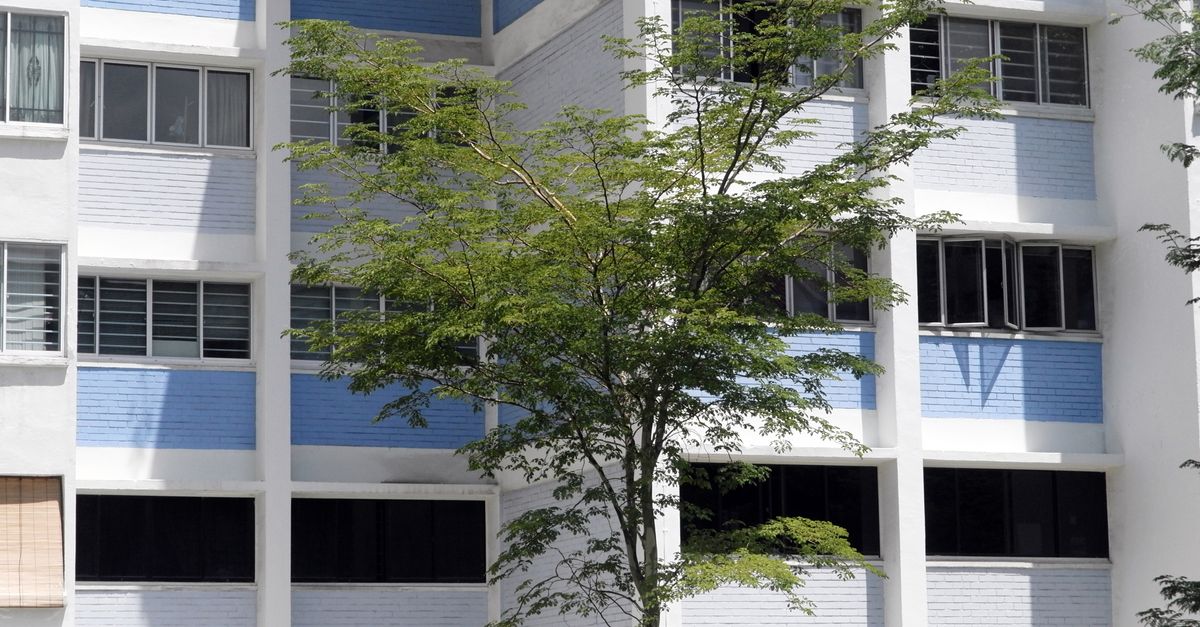
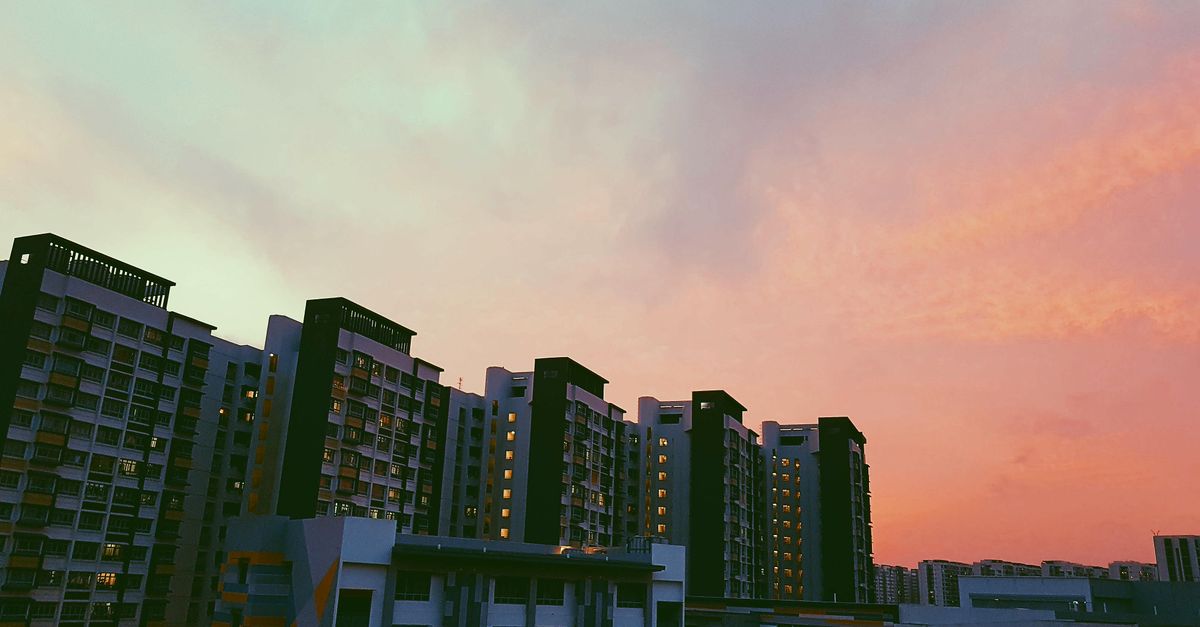
The acronym HDB stands for Housing & Development Board, the public body responsible for this housing stock. By extension, it refers to flats built within this framework, which play a central role in local housing.
Automatically equating these buildings with French social housing would be misleading. Their role in Singapore’s property market, access conditions and diversity of occupants belong to a different system.
These developments are often part of neighbourhoods with shops, markets, eating places and communal spaces. Void decks, open spaces at the foot of some blocks, illustrate the importance given to community activities and social interaction.
A condominium is a private development made up of apartments and communal areas. Depending on the development, it may include a swimming pool, gardens, gym, barbecue areas or tennis courts.
These facilities are not standard across all developments: some residences are very well equipped, while others are much simpler. Check which facilities are actually accessible, their condition and the rules for using them with the managing agent.
| Criterion | HDB | Condo |
|---|---|---|
| Type of property | Flat from the public housing system | Apartment in a private development |
| Rent | Generally more affordable | Generally higher |
| Facilities | Neighbourhood services and spaces | Communal facilities depending on the development |
| Access | Communal areas generally open | Access often controlled |
| What to check | Rental conditions and interior condition | Cost, maintenance and usefulness of the facilities |
The essential distinction therefore concerns the way of living and the facilities provided, rather than an automatic opposition between a modest flat and a comfortable one. Our guide to living costs in Singapore can help put the comparison into perspective.
The advertised rent is not enough to compare two apartments. Compare properties with similar floor areas, conditions and locations, then examine the costs associated with occupying them.
A renovated HDB flat near the MRT may be more attractive than a distant condo, even if the latter has a swimming pool. Conversely, a well-located private residence may reduce commuting and replace certain gym memberships.
When renting an apartment, compare the number of genuinely usable bedrooms, storage space and the room available for meals or working from home. A generous balcony does not necessarily make up for a bedroom that cannot accommodate your furniture.
Also ask what is included: furniture, appliances and access to facilities. Air-conditioning maintenance, routine repairs and any additional charges should be clarified in the contract, without assuming that practices are the same everywhere.
Communal condo facilities are only valuable if you use them. Paying for a gym that does not suit your routine or a swimming pool you rarely use reduces the development’s financial appeal.
The security deposit, sums payable when signing and refund conditions deserve careful attention. Before committing, ask for a written breakdown of the payments and clearly identify who will receive each one.
For up-to-date rental references, consult publications from the HDB and the Urban Redevelopment Authority, checking their reference period. Any tax charges applicable to the lease should be confirmed with the Inland Revenue Authority of Singapore.
Finally, relate this expense to your everyday budget in Singapore: food, transport and leisure still have to be paid for after the rent. The best value for money is measured by your daily life, not by the length of the facilities list.
A good location can matter more to everyday comfort than a swimming pool. The value of an address depends on journeys to work, school, shops and regular activities.
HDB neighbourhoods are often organised around local services. Condos can also benefit from this arrangement when they are close to the same markets, shopping centres and stations.
Do not rely solely on the distance stated in an advert. Locate the exit you can actually use, pedestrian crossings, covered walkways and access to the station: a large development can significantly lengthen the journey from your front door.
In Singapore, heat and heavy rain make these details particularly important. A sheltered route and a convenient bus stop can make an address more pleasant than an apparently shorter but exposed route.
Also compare interchanges and the complete journey, rather than looking only at how close a station is. The guide to Singapore’s transport system can help you assess each neighbourhood against your mobility needs.
Markets, hawker centres and local shops make everyday shopping and meals easier. However, they are not exclusive to public housing developments: you need to examine the immediate surroundings of the property.
A daytime viewing does not reveal the full atmosphere of a street. If possible, return at another time to observe traffic, deliveries, restaurant activity and movement around schools.
For a family, also check the route to school and leisure facilities that can be reached without a complicated journey. Our page on neighbourhood life complements this approach: choose an environment you will use, not simply an impressive address.
The interior condition matters more than the HDB or condo label. A well-maintained older property may be more comfortable than a newer apartment whose layout, orientation or finishes do not suit your needs.
Photographs rarely show airflow, smells, noise or how easy a kitchen is to use. The viewing should therefore be used to test the apartment, not simply to confirm its appearance.
Examine the orientation of the rooms, sunlight and ventilation options. A façade exposed to the sun can make certain rooms uncomfortable and increase reliance on air conditioning.
Inspect seals, ceilings, cupboards and areas near windows for signs of damp. With the permission of the person conducting the viewing, operate the equipment and ask how any defects identified will be dealt with.
Also check the genuinely usable floor area: the washing-machine position, laundry-drying arrangements, storage and door clearance. The layout must match your lifestyle, not just the marketing description.
Controlled access can limit people passing through a private residence, but it does not guarantee silence or the absence of overlooking. A swimming pool, playground or nearby road can become a source of noise depending on the apartment’s position.
For shared facilities, ask about bookings, access restrictions and maintenance. A gym that happens to be empty during a viewing does not necessarily reflect its usual level of use.
If you have a pet, do not assume that every condo allows pets or that every HDB prohibits them. Check the current provisions with the HDB or the Animal & Veterinary Service, then confirm the conditions set by the landlord and the relevant managing agent.
This check is particularly important before paying any money or arranging a move. Explicit agreement is better than an assumption based on the type of building.
Being able to rent an apartment does not mean you can buy it under the same conditions. The rules differ according to the property category, your status and the characteristics of your project.
For a foreign applicant or permanent resident, this distinction should be examined before carrying out extensive research. An attractive advert proves neither the applicant’s eligibility nor the compliance of the proposed transaction.
For an HDB flat, ask the Housing & Development Board to confirm the conditions that apply to the property and your situation. Do not treat the phrase “available to expats” as administrative approval.
Check the landlord’s identity and, if an agent is involved, their registration with the Council for Estate Agencies. Then request a tenancy agreement specifying the occupants, payments, maintenance, repairs and move-out arrangements.
Renting a room requires particular attention to shared areas: the kitchen, laundry, visitors and living with the owner. Important commitments should be put in writing, especially where the advert leaves certain uses implicit.
A documented inventory also protects both parties by distinguishing pre-existing defects from subsequent damage. Find the points to anticipate in our administrative procedures section.
When buying property, do not assume that permanent resident status automatically gives you access to any public-housing flat. Have your eligibility checked for the specific category concerned, together with the occupation and resale conditions.
For private housing, check the title, the length of the tenure held, communal charges and planned works. Taxation depends on the buyer’s situation and should be confirmed with the Inland Revenue Authority of Singapore.
A legal professional and the lending institution can clarify your commitments before signing. Legal and financial validation must come before any irreversible commitment.
It is generally more affordable to rent, but this is not always the case. The address, floor area, renovation and proximity to transport can change the comparison.
This may be possible subject to conditions. Ask the Housing & Development Board to confirm your eligibility and the conditions applying to the property before signing.
Its facilities may be useful, but they are not enough to determine the best choice. Interior space, the school commute, shops and your available budget matter just as much.
Not automatically. Check the official provisions applying to your pet, the tenancy conditions and the residence’s rules before committing.
Updated on 25/10/2026
Scroll to see more articles →