Henderson Waves and Southern Ridges Walk
Discover Henderson Waves and the Southern Ridges: a walk among spectacular bridges, lush forest and panoramic views across Singapore.
Bugis is one of Singapore’s neighbourhoods where shopping meets religious heritage and traces of a turbulent urban history. Bugis Street attracts visitors with its lively market, affordable clothes, accessories and souvenirs, while Bugis Junction offers a more organised shopping experience. Just a short walk away, temples and mosques reflect the area’s cultural diversity, while the lanes of Kampong Glam extend the visit towards Arab Street and Haji Lane.
Yet the neighbourhood is about more than its shops. Its past, shaped by communities and uses that have changed over time, helps explain Singapore today: a city where places of worship, modern businesses and older buildings stand alongside one another in a compact area. To plan a walking visit, it is best to distinguish Bugis Street Market from the nearby shopping centres, then allow time for the temples, historic streets and a street-food break. For a broader overview of the city’s districts, see this guide to Singapore’s neighbourhoods.
In brief
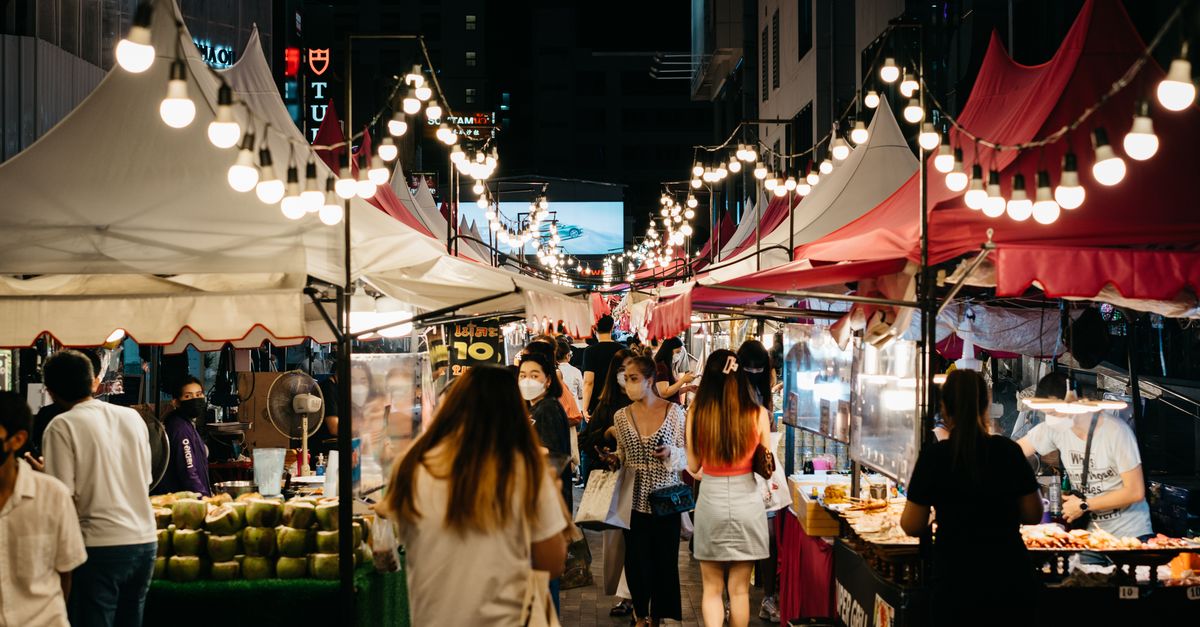
Bugis Street is the most obvious starting point for discovering the commercial side of the neighbourhood. The lanes are lined with tightly packed stalls selling clothes, accessories, phone cases and souvenirs, among other items. The atmosphere is that of a very busy market: goods are displayed within easy reach, the passages can be narrow and progress may be slow during peak periods.
The visit is best suited to people who enjoy comparing products and browsing a large number of small shops. The products are varied and displays differ from one stall to another, so it is better to take a general look around before choosing. As prices and stock vary between sellers, check the purchasing conditions directly on site rather than relying on a general estimate.
Bugis Street is often associated with Bugis Village, a name used for the shops and bazaar in the area. The shopping district is close to Bugis Junction, but the two experiences differ: the market focuses on stalls and dense foot traffic, while the shopping centre offers more structured spaces. To plan other shopping trips in the city, also see this guide to shopping in Singapore.
Street food is part of the appeal of the shopping streets, although the options and stalls may vary. A simple approach is to note places to eat during your walk, then stop when the crowd levels and choice suit you. This makes it possible to combine shopping with a food break without turning the visit into a route devoted solely to shops. For more ideas, browse this Singapore food guide.
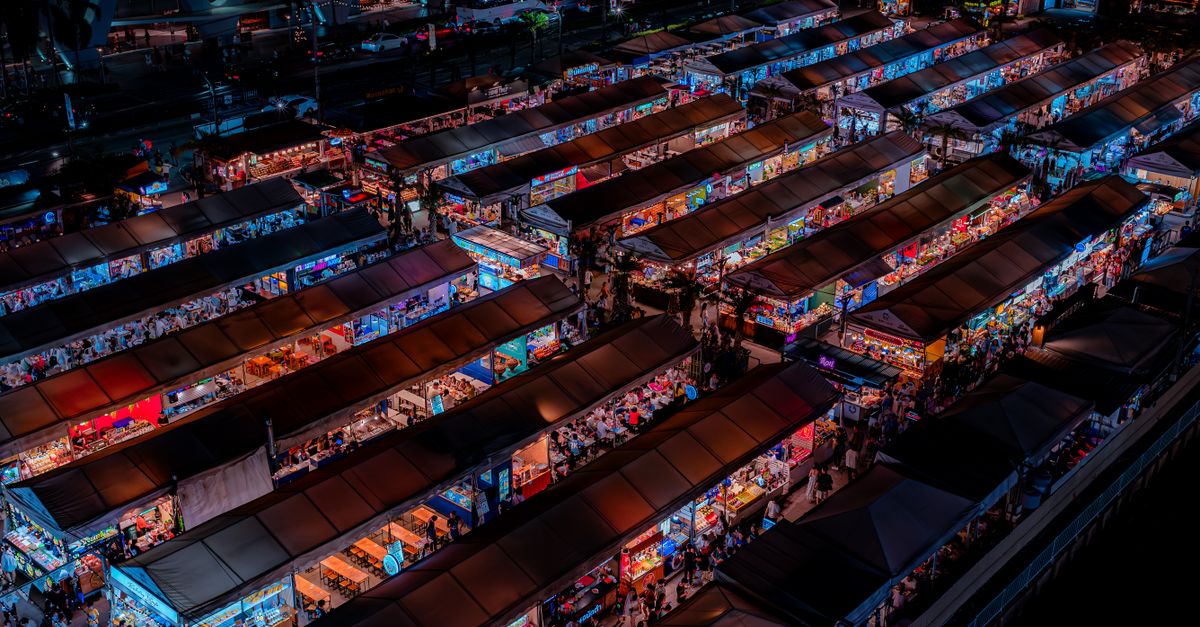
Bugis Junction is a natural complement to a visit to Bugis Street. The centre brings together shops and cafés in a complex combining covered commercial areas with open passages, while echoing the historic urban surroundings. This difference in atmosphere is useful: you can move from the more spontaneous and bustling market to a place where shops are grouped together and it is easier to get around.
The two areas do not meet exactly the same needs. Bugis Street is suited to looking for small items and souvenirs, while Bugis Junction allows you to browse established shops and take a break in the relative calm of a shopping centre. To avoid retracing your steps, it is practical to visit the market and centre in the same sequence, then continue on foot towards Kampong Glam.
Haji Lane offers another side of the neighbourhood: this narrow lane is known for its independent shops, colourful façades and bars. It attracts visitors looking for clothes or less standardised items than those found in major chains. Businesses and their activity may change; part of the appeal lies in observing the street and its contrasts, not just in shopping.
Arab Street extends the discovery with its cafés, shops and the presence of Sultan Mosque. The area retains an identity connected with Singapore’s Arab and Malay communities, while having become a popular place to go out and eat. To place Bugis within a wider stay, this two-day Singapore itinerary can help you combine the walk with other neighbourhoods.
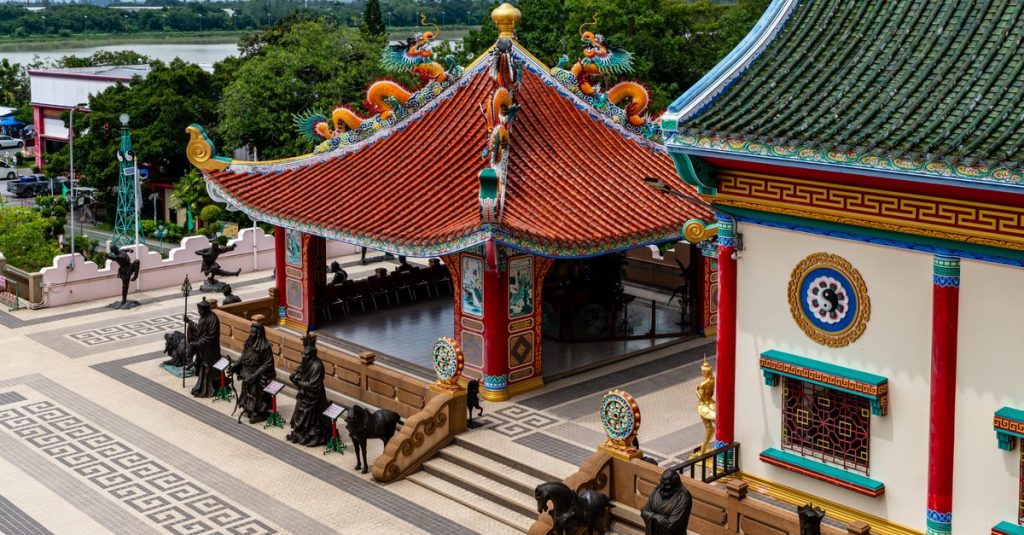
Religious heritage provides a counterpoint to the shop windows and stalls. Kuan Yin Thong Hood Cho Temple is dedicated to Kuan Yin, a figure associated with compassion and also known as Avalokitesvara. Its traditional architecture and relatively compact interior call for a discreet visit, particularly when worshippers are present.
The temple is a living place of worship, not simply a heritage backdrop. Keep your clothing and behaviour respectful, avoid disturbing people at prayer and follow the instructions displayed on site. Celebration periods may attract larger crowds; if the space is very busy, a brief and quiet visit is preferable.
Hajjah Fatimah Mosque, in the wider Bugis area, offers another example of Singapore’s architectural diversity. Its style combines Islamic and European influences, and its history is linked to its founder, a merchant from Malacca. The mausoleum of its patron is within the grounds; visitors must respect the rules of the site and the areas open to the public.
These buildings give the neighbourhood a depth that is not necessarily apparent when browsing only the shops. They show that local culture can be read in religious practices and buildings as well as in contemporary businesses. Further resources on cultural activities in Singapore can help you explore beyond Bugis. You can also learn more about the city’s religious life.
Bugis’s history is not limited to its visible monuments. The area has gone through different periods and changes in use, particularly around nightlife in the mid-twentieth century. The memory of the presence of trans women in Bugis’s streets, especially between the 1950s and 1980s, was revisited in the film Bugis Street, released in 1995. This history deserves to be discussed respectfully, without reducing the people concerned to a tourist curiosity.
The transformation of the neighbourhood can also be seen in the coexistence of preserved buildings, shopping centres and small shopping streets. Bugis Junction illustrates the meeting of modern forms and references to the older surroundings, while the places of worship testify to cultural continuity. Observing these contrasts helps explain why Bugis is both a shopping destination and a historic neighbourhood.
Nearby, Kampong Glam is a natural next stop for exploring this perspective. The Malay Heritage Centre is associated with Malay heritage and the history of the area; its status and visiting arrangements may change, so check the information with the organisation responsible before going. Arab Street and Sultan Mosque add visible landmarks in the urban landscape.
The National Museum of Singapore can also be included in a day focused on history, although it is not in the heart of Bugis Market. Its collections and exhibitions cover the history of the city and country; the programme changes, so it is useful to check the official information before visiting. This National Museum guide can help with planning. Bugis then becomes part of a wider itinerary rather than an isolated enclave.
Bugis is easy to explore by combining walking and the MRT. Bugis station is close to the neighbourhood’s main commercial hubs, allowing you to start at Bugis Street or Bugis Junction and then continue towards Haji Lane and Kampong Glam. Routes, connections and transport conditions may change: check updated information with the official operators. This guide to the Singapore MRT can help you plan your journeys.
For a balanced visit, spend the first part of your walk at the market and shops, then move away from the busiest lanes to discover the heritage streets and places of worship. This avoids confusing a visit to Bugis Street with a visit to the whole neighbourhood. It also leaves time to stop for food without having to return to the same area.
| Stop | What you will find | Things to bear in mind |
|---|---|---|
| Bugis Street | Stalls, fashion, accessories and souvenirs | Lanes can be crowded; compare items on site |
| Bugis Junction | Shops, cafés and commercial spaces | A different atmosphere from the market |
| Haji Lane and Arab Street | Independent shops, cafés and heritage | Opening hours and businesses vary |
| Temples and mosque | Architecture and active places of worship | Respect instructions and worshippers |
The visit suits several types of traveller, but it requires realistic expectations: people come to Bugis for the variety of shops, architectural contrasts and proximity to cultural sites, not for a uniform experience. By preparing a flexible route and checking practical information on the day, you can make the most of this lively part of Singapore.
Bugis Street brings together stalls selling clothes, accessories, phone cases and souvenirs, among other items. The range and prices vary between sellers.
No. Bugis Street refers to the market with its tightly packed stalls, while Bugis Junction is a nearby shopping centre with shops and cafés.
Kuan Yin Thong Hood Cho Temple and Hajjah Fatimah Mosque are heritage landmarks in the area. They are active places of worship, so visitors should follow the instructions on site.
The neighbourhood is served by the MRT, with a station close to the shops. Check routes and up-to-date transport information with the official operators.
Updated on 02/11/2026
Scroll to see more articles →