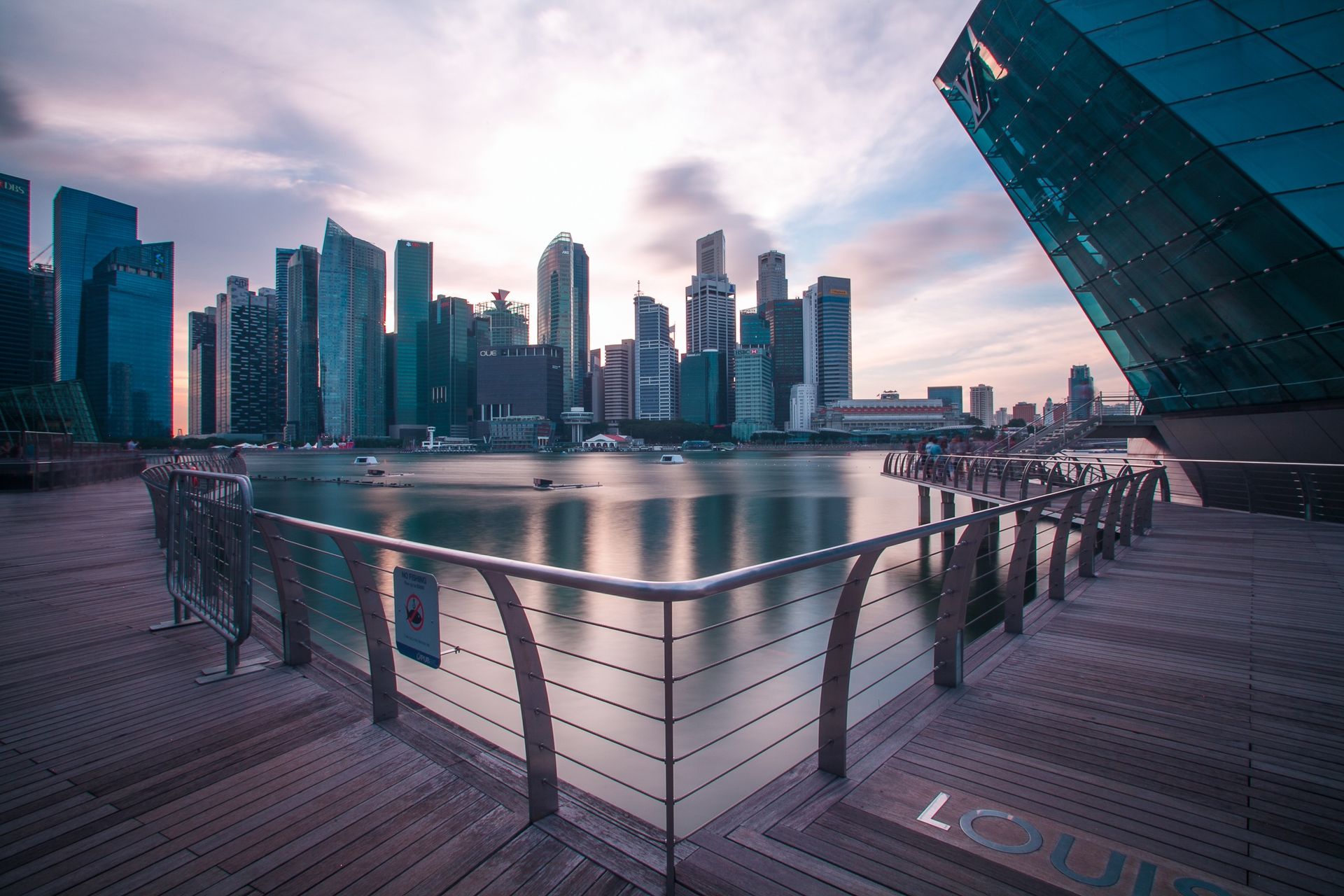
Neighbourhoods in Singapore:
Find your Eden in 2026
From the buzz of Orchard to the seaside calm of East Coast, explore the city-state’s unique neighbourhoods for a successful move.
The art of choosing a neighbourhood in Singapore
Moving to Singapore in 2026 is not just about looking for a flat; it is a quest for a lifestyle. Although compact, the city-state offers a mosaic of neighbourhoods with such distinct identities that they seem to belong to different worlds. For a French-speaking expat, this choice is the key to settling in.
Whether you are a young professional looking to be close to the Central Business District, a family whose daily life revolves around the International French School (IFS), or a couple seeking historic charm, each district has its own pace, flavours and unwritten rules.
Understanding Singapore’s property landscape
Condominiums (Condos)
The preferred choice for expats. 24-hour security, Olympic-sized swimming pools, gyms and often tennis courts.
- • High-end services
- • International community
- • Professional management
HDB (Public Housing)
The authentic experience. State-built homes offering generous space and total immersion in local life.
- • More affordable prices
- • Close to local markets
- • Well-maintained green spaces
Landed Properties
Detached or semi-detached houses. For those seeking privacy, a private garden and generous proportions.
- • Maximum privacy
- • Garden and outdoor space
- • Higher cost (Rare in the city centre)
Neighbourhood Profiles: Find yours
Serangoon & East Coast: A haven for children
If school is your guiding priority, Serangoon Gardens is your anchor. Close to the International French School (IFS), this neighbourhood offers a village atmosphere unique in Singapore. Here, children walk or cycle to school, while parents meet at the famous Chomp Chomp Food Centre.
On the other hand, East Coast appeals with its sea breezes. The 15km coastal park is the perfect playground for family weekends. This is where you can breathe easy, between Katong and Joo Chiat, famous for their colourful Peranakan heritage.
Discover the family guide

Orchard & River Valley: Hyper-connectivity
For those who live life at 100 miles an hour, Orchard Road is more than just a shopping street; it is a hub of activity. Living on nearby streets such as Emerald Hill offers surprising tranquillity just steps from the skyscrapers. Our Singapore shopping guide covers everything you can find there, from luxury to great deals.
River Valley, meanwhile, is the perfect compromise. Halfway between the CBD and the bars and restaurants of Robertson Quay, it is a favourite neighbourhood among young expat couples for its riverside brunches and high-end sports clubs.
Optimise your daily lifeTiong Bahru & Holland Village: Charm and tradition
Tiong Bahru is the most "Instagrammable" neighbourhood on the island. Its 1930s Art Deco architecture is home to independent bookshops, speciality coffee roasters and an irresistible retro-modern atmosphere.
Further west, Holland Village (or "Holland V") remains the historic stronghold of expats. Its market, terraces and accessibility via the Circle Line make it a lively yet human-scale neighbourhood, perfect for a gentle transition.
The local cultural calendar
Simulator: Which neighbourhood is right for you?
Answer a few questions to receive our personalised recommendation based on the 2026 market.
1. What is your absolute priority?
Your ideal match:
...
Urban geography and connectivity
Singapore is divided into 28 postal districts, but expats often concentrate in districts 9, 10, 11 (Central), 15 (East) and 4 (South). The key to your freedom of movement lies in the MRT (Mass Rapid Transit) network.
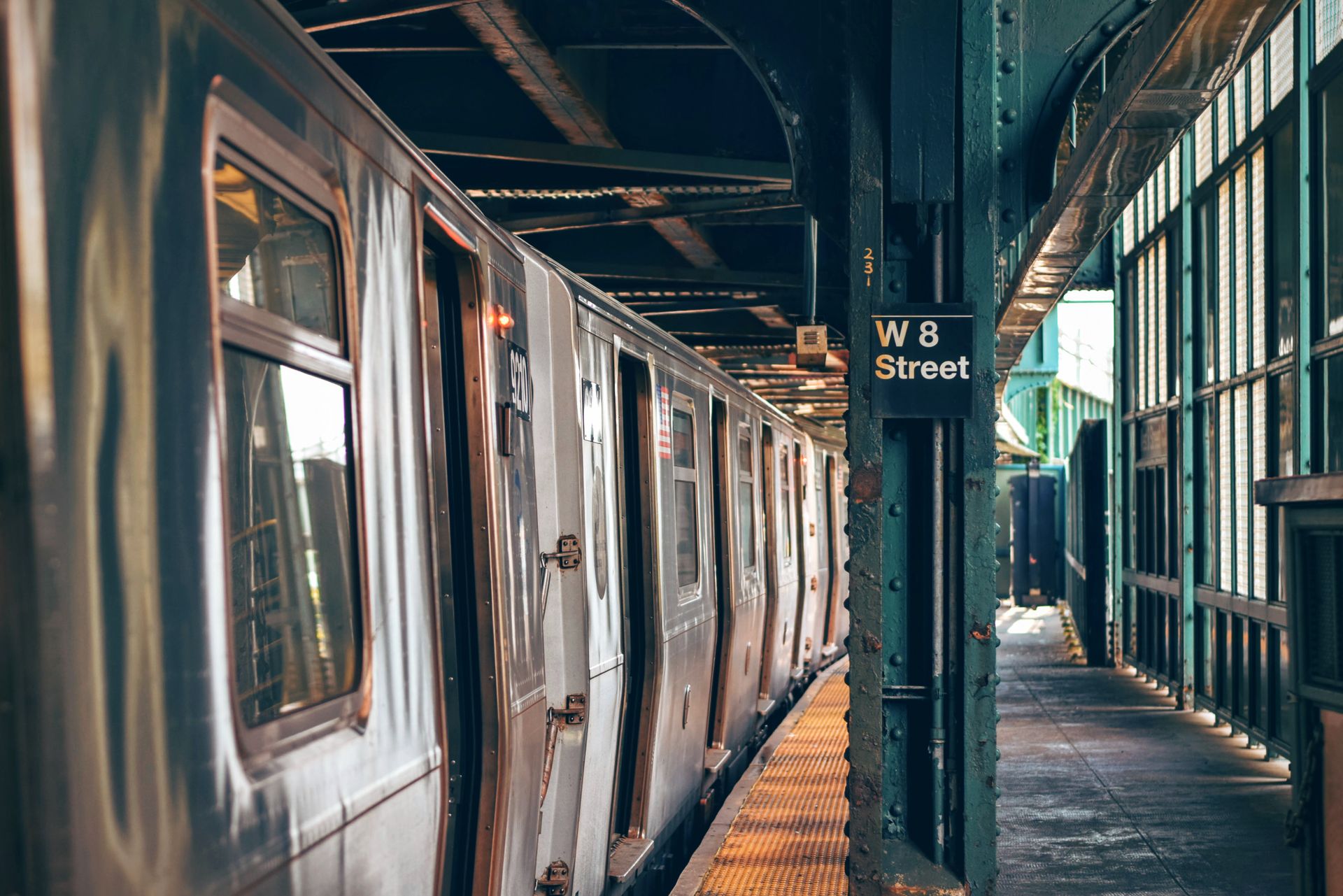
In 2026, new lines such as the Thomson-East Coast Line (TEL) have transformed the appeal of neighbourhoods that were once isolated. Living near a station is no longer a luxury; it is a strategic necessity for avoiding rush-hour traffic.
Expert tip:
"Do not overlook the buses. The network is remarkably efficient and often provides direct journeys that the MRT does not offer."
East vs West: The great divide
The East Side
"East Side, Best Side," residents say. A laid-back atmosphere, legendary local cuisine (Katong Laksa), proximity to Changi Airport and sea views.
The West Side
Considered the future "Second CBD", with Jurong Lake District. Very green (Bukit Timah), peaceful and ideal for those working in technology parks or academic institutions.
Indicative Rental Budget (2026)
| Neighbourhood | Type | Average Price (SGD) | Atmosphere |
|---|---|---|---|
| Orchard / River Valley | Condo (3 bedrooms) | 11,000 - 16,000 | Urban & Premium |
| Serangoon Gardens | Landed House | 8,500 - 13,000 | Village & Family-Friendly |
| East Coast / Katong | Condo (3 bedrooms) | 7,500 - 10,500 | Seaside & Relaxed |
| Tiong Bahru | Walk-up Apartment | 6,000 - 8,500 | Heritage & Trendy |
Note: These prices are estimates based on the current 2026 market. See our complete guide to the Cost of Living for more details.

Essential Services for French Speakers
Settling in starts with getting to know your immediate surroundings. Each neighbourhood listed offers easy access to:
- International Schools: School buses or direct proximity.
- Healthcare: Private clinics with French-speaking doctors or doctors who speak fluent English.
- Social Life: Neighbourhood WhatsApp groups and active associations.
Visit at different times!
A quiet neighbourhood at 10 am can become a hive of activity at 6 pm. Never sign a tenancy agreement without experiencing the weekend atmosphere.
Where to live in Singapore: comparing the best neighbourhoods for expats
Choose Tanjong Pagar or River Valley to work in the city centre, Serangoon for schooling at the French lycée, and East Coast or Bukit Timah for a more residential setting. The best choice is still the one that brings your home closer to your daily commitments without unbalancing your budget.
The areas popular with expats do not all offer the same experience. Some allow you to walk to the office; others offer more greenery, a neighbourhood feel or pleasant access to leisure activities, at the cost of longer commutes.
| Neighbourhood | Atmosphere | Who is it for? | Relative Rent | MRT Access |
|---|---|---|---|---|
| Orchard | Central, shopping-focused and lively | Professionals and households seeking readily accessible services | High | Orchard: North-South and Thomson-East Coast lines; Somerset depending on the address |
| River Valley | Central residential area, restaurants and riverside walks | Couples and families working near the centre | High | Great World; Fort Canning or Havelock depending on the area |
| Tiong Bahru | Older buildings, market, cafés and local shops | Households prioritising neighbourhood life close to the centre | High, with variations depending on the building | Tiong Bahru, East-West line; walking distance varies from the historic area |
| Holland Village | International, friendly and lively around the restaurants | Professionals in the west and international families | High | Holland Village, Circle line |
| Bukit Timah | Green, residential and with varied housing | Families seeking peace and proximity to certain schools | High | Downtown line: notably Tan Kah Kee, Sixth Avenue and King Albert Park |
| East Coast and Katong | Peranakan heritage, restaurants and coastal leisure activities | Families and professionals drawn to life in the east | Medium to high | Thomson-East Coast: notably Tanjong Katong, Marine Parade and Marine Terrace |
| Novena | Central, residential, with shops and medical services | Households wishing to live near the centre without a car | High | Novena, North-South line |
| Serangoon, near the French lycée | Family-friendly, local shops and landed housing areas | Families sending their children to the International French School | Medium; houses are often more expensive | Serangoon: North-East and Circle lines; a bus is often needed to reach the school and Serangoon Gardens |
| Tanjong Pagar | Urban, dense, with restaurants and close to offices | Professionals working in the Central Business District | High | Tanjong Pagar, East-West line; other stations depending on the building |
| Sentosa | Island-based, residential and focused on leisure | Households with a comfortable budget and flexible commuting arrangements | High | No MRT in the residential areas; change at HarbourFront, then take onward transport |
| Woodlands | Residential, family-friendly, far from the centre | People working in the north or prioritising budget and space | More affordable | Woodlands: North-South and Thomson-East Coast lines; nearby stations vary depending on the address |
These rent levels indicate a relative position, not a guaranteed rate. An older HDB and a recent condominium in the same area are not directly comparable: size, furnishings, overall condition and distance from the station can significantly affect the asking price.
Central Singapore neighbourhoods: paying for proximity
Orchard makes shopping and accessing services easy, but its commercial activity can affect the comfort of a flat overlooking a major road. River Valley often offers a more residential atmosphere, without ruling out possible disturbances near nightlife venues.
Tanjong Pagar is particularly suitable when your office is in the CBD. Its appeal decreases if your children’s school is in Ang Mo Kio or if work regularly takes you westwards.
Novena is another central option: its appeal lies more in its connections and everyday amenities than in a tourist atmosphere. Tiong Bahru, meanwhile, prioritises markets, small streets and distinctive architectural heritage.
Residential neighbourhoods in Singapore: check the exact address
Bukit Timah covers a large area: a residence close to the Downtown Line and a house set further back do not involve the same organisation. Holland Village also has a lively centre and quieter residential streets.
In East Coast, the presence of the coastline does not mean that the beach is directly accessible from every building. Identify the crossings and paths that provide access to East Coast Park.
Sentosa requires particular attention to onward transport, while Woodlands should be assessed according to your place of work. The neighbourhood name helps narrow down your search; the exact address determines your actual comfort.
Choosing where to live in Singapore based on school, commute and budget
Start by identifying your essential journeys, then look for the best home within the area compatible with your budget. This approach avoids renting an attractive residence whose location then makes every day more complicated.
Being close to the MRT is an advantage, but it is not enough. An additional change, a long walk from the exit or an inconvenient bus during school hours can cancel out the benefit of an apparently central address.
Living in Singapore near work and school
For a job at One-North, Holland Village and the surrounding Buona Vista area are generally worth considering before Orchard. For an office in Changi, looking in the east may make more sense than settling in Bukit Timah.
In the CBD, check which station is actually closest to your company. The offices grouped under this name are not all accessible by the same route, and an outdoor walk takes on a different dimension in heavy rain.
The International French School, formerly Lycée Français de Singapour, is located in Ang Mo Kio. Serangoon and Serangoon Gardens are relevant options, but they guarantee neither walking access nor a direct journey from every residence.
Before signing, confirm admission, timetables and school transport options with the school. The time spent on a bus depends on its route, not only on the distance between the home and the campus.
- Work: test the door-to-door route at your usual times, including changes.
- School: check the pick-up point, departure time and options after activities.
- Daily life: identify a supermarket, food shops and the services you need.
- Getting around: examine pavements, crossings and sheltered routes.
- Comfort: note the noise, exposure and nearby construction work during the viewing.
Housing budget in Singapore: compare the full cost
Set your ceiling in Singapore dollars, the currency used for the contract and local expenses. Converting to euros helps you monitor your French financial situation, but should not hide exchange-rate fluctuations.
Rent is only one part of the equation: electricity, water, internet, maintenance provided for in the tenancy agreement and transport can change the calculation. A cheaper home that depends on taxis does not necessarily deliver the expected saving.
Also allow for your initial cash requirements: security deposit, stamp duty, possible fees and setting up your home. To build a realistic budget, use the detailed categories in the guide to budget and the cost of living in Singapore.
Then compare like-for-like properties: the same number of bedrooms, a comparable usable area and a similar level of furnishing. An attractive listing may be for a room, a shared flat or an interior whose drawbacks are not shown in the photographs.
What is the use of a large swimming pool if getting home from the office becomes a chore every evening? Prioritise facilities according to how you will actually use them, rather than their impact during the viewing.
Finally, check that your arrangements remain workable when working from home, attending a late meeting or dealing with a sick child. The best location is the one that remains convenient when the day does not go as planned.
HDB or condominium in Singapore: which home should expats rent?
An HDB can offer a better budget compromise, while a condominium generally prioritises shared facilities and residential services. Neither format alone guarantees a comfortable, quiet or well-located interior.
HDBs are homes in Singapore’s public housing stock, frequently owned by private individuals. Condominiums belong to the private housing stock and often offer a swimming pool, gym, controlled access and communal areas.
Renting an HDB in Singapore: affordability and specific rules
A French expatriate may be eligible to rent an HDB flat, subject to the conditions applicable to their status and the property concerned. In particular, check the owner’s authorisation, the occupants’ eligibility and any non-citizen quotas.
Renting a room is not organised in exactly the same way as renting an entire flat. Check which areas are accessible, whether the owner is present, the rules for using the kitchen and the registration of each resident.
The minimum rental period is generally six months. For the eligibility criteria, occupancy caps and procedures in force when you move in, check the information on the official Housing & Development Board website.
This type of housing often makes it possible to live close to everyday shops, markets and popular food outlets. However, do not assume that all flats are spacious, renovated or close to a station: the building and its surroundings remain decisive.
Choosing a condominium in Singapore without paying for unused facilities
Private residences can make family leisure activities easier thanks to their shared facilities. Their value nevertheless depends on maintenance, access hours and booking rules, which should be checked before committing.
A newer development does not automatically offer more usable space. Examine the size of the bedrooms, storage options and the layout of the living room rather than relying solely on the advertised floor area.
In the private residential sector, the minimum rental period is generally three consecutive months. Occupancy conditions should be checked on the official Urban Redevelopment Authority website; an advert for a very short stay does not prove that it is legal.
Also clarify which payments are your responsibility. The tenancy agreement should distinguish between rent, utilities, any additional services and maintenance obligations, without allowing the phrase “utilities included” to replace a precise description.
Singapore flat comfort: the crucial checks
Test the air conditioning, water pressure, windows and supplied appliances. Signs of damp, persistent odours or deteriorated seals should prompt you to request written explanations and repairs before moving in.
The aspect of a property affects indoor heat and the use of air conditioning. Noise may come from a road, but also from a playground, mechanical ventilation or a nearby building site.
So-called “landed” houses are a third option, particularly in certain parts of Serangoon or Bukit Timah. They require extra attention to outdoor maintenance, access and the responsibilities set out in the contract.
For a move with children, also check the windows and balconies, as well as the conditions for installing approved safety features. Choose a home for its practical quality and compliance, not for its property label.
Where do French people live in Singapore? School, community and neighbourhood life
French people live in several parts of Singapore; Serangoon is particularly relevant for French-language schooling, although it is not an obligatory choice. Holland Village, Bukit Timah, River Valley and East Coast meet other family or professional priorities.
There is no exclusively French neighbourhood that can be recommended to every newcomer. Without verified local data, producing a numerical ranking of where they live would be misleading: it is better to explain what makes certain addresses suitable for French-speaking households.
Serangoon and Ang Mo Kio: living near the French school
The presence of the International French School in Ang Mo Kio makes the surrounding areas practically appealing. Living in Serangoon can make activities, meetings between parents and some school-related journeys easier.
However, Serangoon Central, Serangoon Gardens and the streets closer to the campus should be distinguished. Serangoon MRT interchange offers useful connections, while other areas rely more heavily on buses or school transport.
This difference matters to parents who work in the centre. Shortening the children’s journey may lengthen the adults’ commute: the trade-off must take the whole family’s schedules into account, not just the distance to the school.
Being close to households that speak the same language can sometimes make initial contacts easier. However, it is no substitute for a confirmed place at the school or a reliable arrangement for getting home after extracurricular activities.
Holland Village, Bukit Timah and East Coast: different family settings
Holland Village combines restaurants, services and access to the rail network in an international environment. Its liveliest streets do not offer the same level of peace and quiet as the residential developments set back from them.
Bukit Timah appeals with its greenery and the presence of several schools across the wider area. However, do not confuse geographical proximity with school access: admissions, the exact campus and transport must be confirmed separately.
In Katong, Peranakan heritage can be seen in the shophouse façades and culinary culture. This identity creates a different neighbourhood atmosphere from the large central developments, with walks and shops that form part of daily life.
East Coast Park provides a popular space for walking, running and cycling. Actual access from home remains essential: living in the east does not mean you can reach the coast without taking a detour.
Tiong Bahru, River Valley and Novena: integrating through local habits
Tiong Bahru stands out for its historic buildings, market and shops. This atmosphere suits people who want to organise their daily life around walking, provided they check how far the station is and the condition of the property.
River Valley offers a central lifestyle, with access to the river and restaurants. Novena may be better suited to those looking for a practical, well-connected address close to a wide range of services.
To explore these differences further, the profiles focusing on neighbourhood life in Singapore go beyond a simple property comparison. Then return to the area on a weekday evening and at the weekend: the atmosphere can change noticeably.
The community helps you find your bearings, but it is the shops, transport and everyday habits that make an address pleasant in the long term.
Renting in Singapore: essential procedures and practical questions
Before making any payment, check the landlord, the agent, the legality of the rental and the written terms of the contract. A convincing listing or an urgent request to reserve does not replace any of these checks.
If you are preparing your arrival from France, opt for a temporary solution that complies with the regulations while you view properties. Photographs can help you shortlist, but rarely reveal noise, smells, the condition of the equipment or the quality of access.
Signing a tenancy agreement in Singapore: steps to follow
- Check the parties involved: verify that the agent is registered with the public register of the Council for Estate Agencies, along with their official contact details and the party they represent.
- Check the property: confirm the identity of the owner or the representative’s mandate, as well as the necessary permissions for an HDB.
- Formalise the offer: if a Letter of Intent is used, have the conditions and the treatment of any sum paid clearly specified.
- Negotiate the contract: agree on the furniture included, repairs, maintenance, notice period and options for leaving early.
- Prepare the formalities: clarify the stamp duty, the supporting documents required and the procedures for setting up utilities.
- Document the handover of the keys: sign a detailed inventory, record the meter readings and keep the photographs and proof of payment.
Agency fees must be agreed clearly: do not assume that they are automatically payable according to a single fee scale. Also check that the recipient of each payment matches the contractual documents and an authenticated instruction.
For stamp duty, consult the official Inland Revenue Authority of Singapore website to find out how it is calculated and the applicable deadlines. Keep proof that the procedure was completed with the tenancy agreement and its appendices.
Tenancy agreement in Singapore: protecting your deposit and planning your departure
The security deposit and its return should be governed by the contract. Market practice does not replace a clause specifying possible deductions, the supporting documents required and the repayment deadline.
A diplomatic clause may allow early termination in certain professional circumstances. It is not automatic: check the minimum occupancy period, notice period, supporting documents and any financial consequences.
Also specify the obligations concerning air conditioning and minor repairs. An unclear allocation of responsibilities can easily lead to a dispute when an appliance breaks down or when the keys are returned.
Finally, have all promised repairs included before you move in. A useful promise is one that appears in the signed documents.
Your questions about choosing a neighbourhood in Singapore
Which neighbourhood should a French family choose in Singapore?
Start with the school. For the International French School in Ang Mo Kio, look at Serangoon and the surrounding areas, checking the school transport arrangements. Bukit Timah, Holland Village or East Coast may be better suited to other schools and workplaces.
Where should you live in Singapore without a car?
Choose a home that is genuinely close to a station useful for your journeys, with shops within walking distance. Novena, Tanjong Pagar, Orchard or certain addresses in River Valley may be suitable, but a less central area with good connections can be just as convenient.
Is Woodlands a good choice for reducing housing costs?
Woodlands generally offers more affordable options than sought-after central areas. However, compare like-for-like properties and factor in travel times: its advantages are particularly clear when your activities are based in the north.
Can French expats rent an HDB?
Yes, subject to your eligibility and the rules applicable to the property. The owner must have the required permissions and all occupants must be declared. Check the latest conditions with HDB before paying a deposit.
Do you need to sign a tenancy agreement before arriving in Singapore?
It is better to view properties before committing whenever your schedule allows. Legal temporary accommodation gives you time to test journey times and check the property. Do not pay money based solely on photographs or an announced emergency.
Frequently Asked Questions about Neighbourhoods
Ready to move to Singapore?
Leave nothing to chance. Download our themed guides and connect with our community for a stress-free move.
ADDITIONAL EXTERNAL RESOURCES