Religious Life & Worship
in Singapore
Explore the unique harmony of a city-state where spirituality meets modernity. A complete guide for French-speaking expats in 2026.
A Unique Spiritual Mosaic in the World
In 2026, Singapore continues to establish itself as the global laboratory for religious coexistence. For a French-speaking expat, arriving in the Lion City means discovering a landscape where the muezzin's call mingles with the bells of colonial churches and the fragrance of incense from Buddhist temples. This diversity is not the result of chance, but of a strict political commitment to preserving social order while respecting the identity of each community.
Settling here requires an understanding of the codes of this "religious harmony". More than simple tolerance, it involves active mutual respect, governed by precise laws such as the Maintenance of Religious Harmony Act. Whether you are a practising believer or simply an observer, Singapore's spiritual life offers an unparalleled opportunity for cultural immersion, essential for successful integration.
The Religious Landscape
Buddhism & Taoism
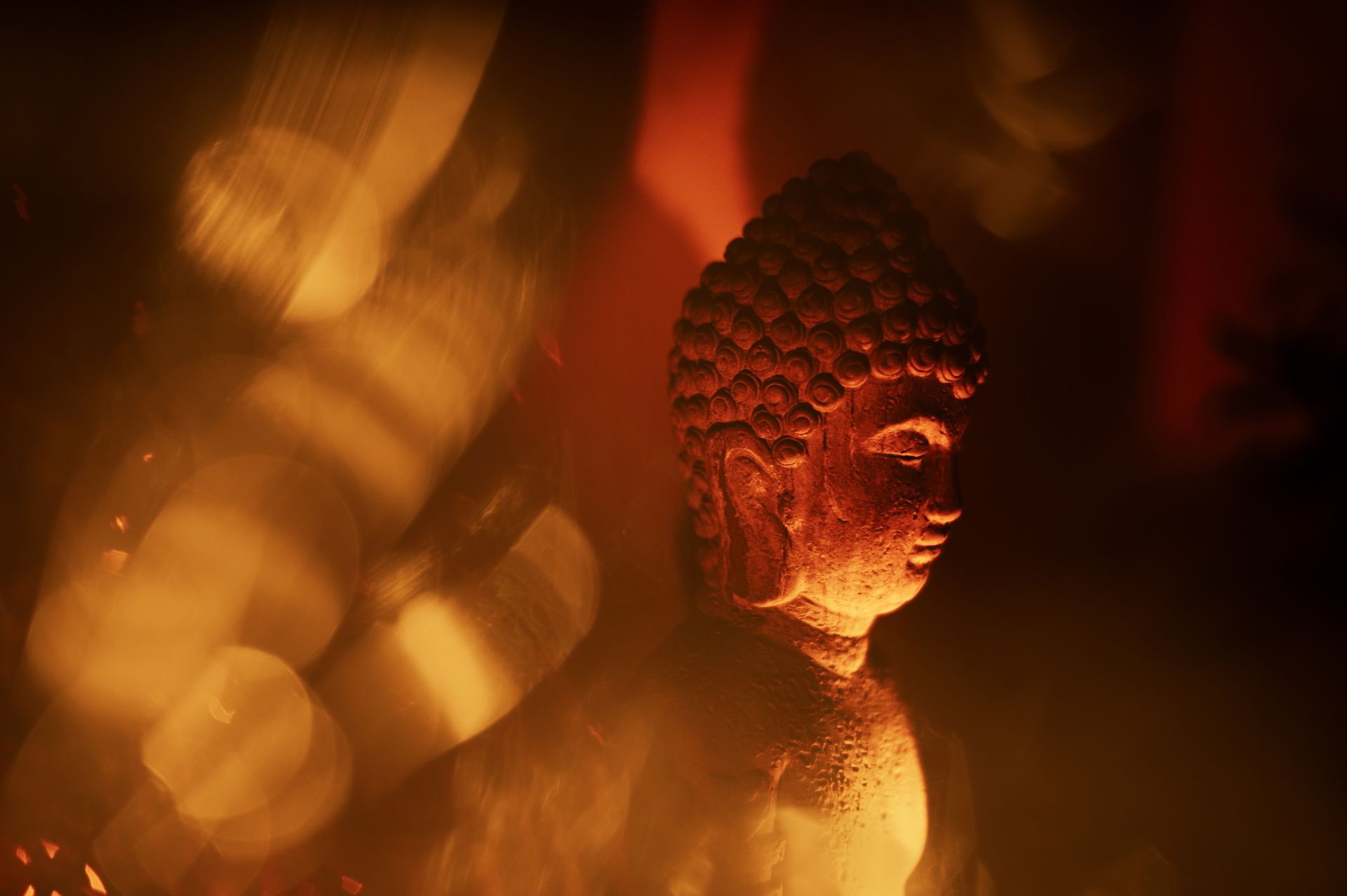
Predominant within the Chinese community, Buddhism (mainly Mahayana) and Taoism imbue the city with their aesthetic. The Kong Meng San Phor Kark See monastery is a must-visit for understanding the scale of this faith.
- • Thian Hock Keng Temple (Hokkien)
- • Vesak Festival (Buddha's Birthday)
- • Ancestor traditions
Christianity
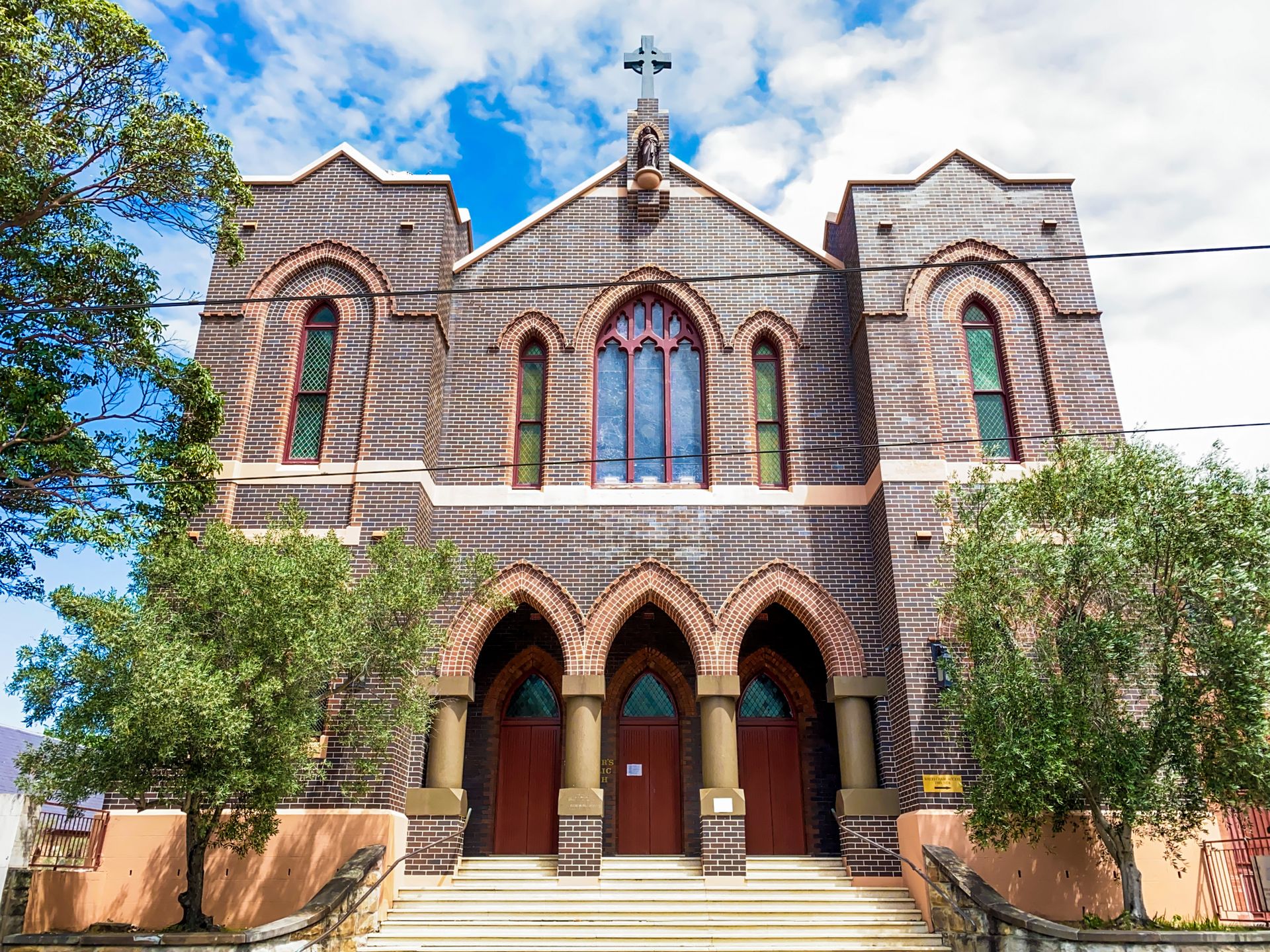
Around 19% of residents. Particularly prominent among French-speaking expats. French-language services are available at St Bernadette Church or through the French-speaking Catholic community.
See the networks →Islam
15% of the population, predominantly Malay. The Sultan Mosque in the Kampong Glam district is the hub of this vibrant community.
Hinduism
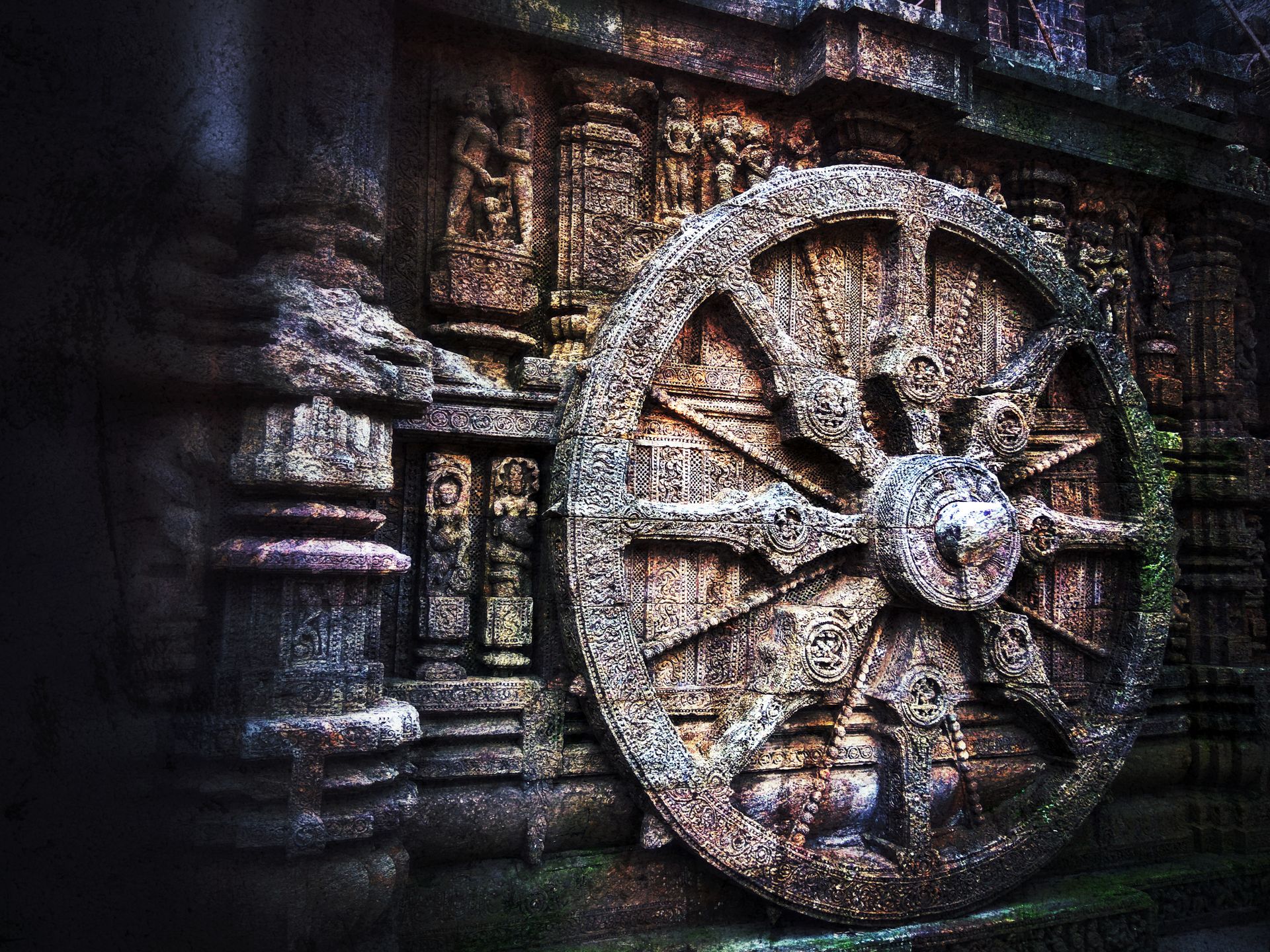
The Sri Mariamman Temple in Chinatown bears witness to the long history of the Indian community. Festivals such as Thaipusam and Deepavali transform Little India into a spectacle of colour and devotion.
Practising Your Faith While Respecting the Law
Singapore is not a classic liberal democracy when it comes to religion. The state actively intervenes to prevent tensions. Aggressive proselytising is strictly prohibited and may result in criminal penalties. As an expat, it is crucial to understand that while private practice is entirely free, public space is neutral.
Did you know?
In 2026, Singaporean companies are encouraged by the TAFEP charter to accommodate religious practices (prayer breaks, religious holidays) without compromising productivity.
The impact on your daily life is tangible: public holidays are distributed fairly among religions. The national calendar includes Christmas, Chinese New Year, Good Friday, Vesak, Deepavali and the two Muslim Hari Raya celebrations.
10+
Major religious public holidays per year
Cultural Immersion Simulator
Plan your budget and free time according to the 2026 multicultural calendar.
The Year's Highlights
How to take part in and respect local traditions.
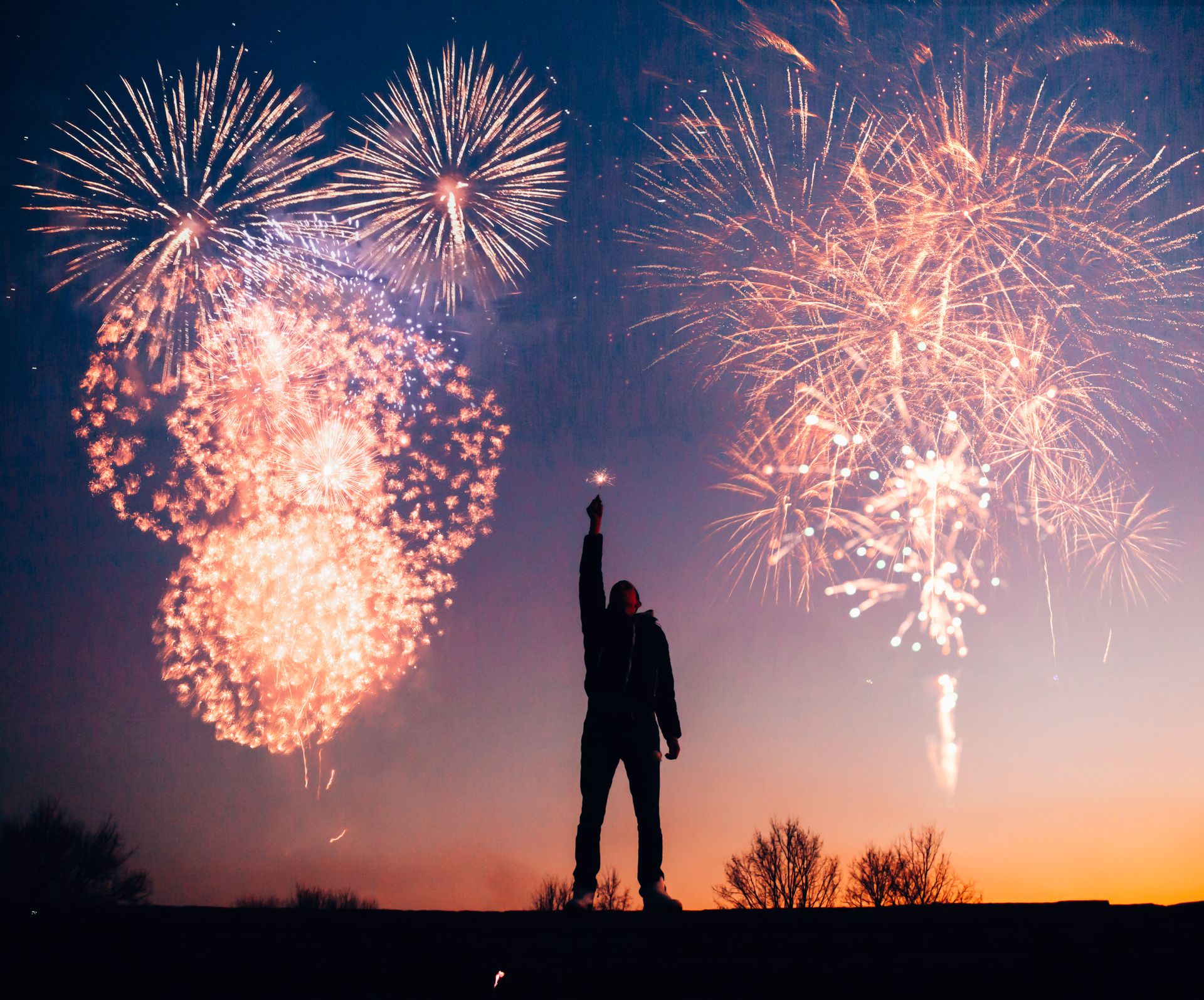
Chinese New Year (CNY)
The longest festival. Expect widespread shop closures for 2–3 days. The tradition of Ang Baos (red packets) and Lo Hei.
- • Must-see: River Hongbao at Gardens by the Bay.
- • Avoid: Wearing white or black.
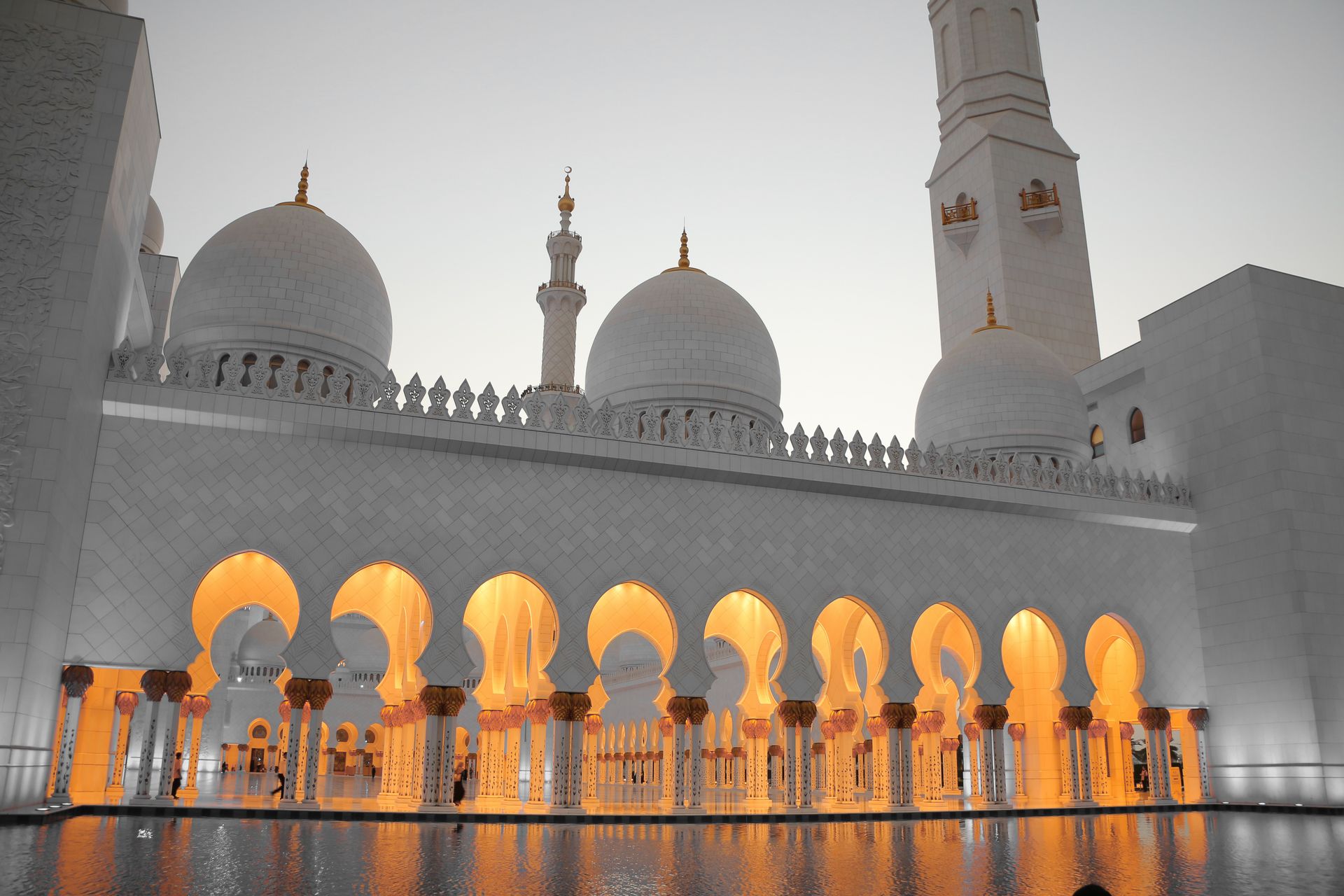
Hari Raya Puasa
Marks the end of Ramadan. Geylang Serai comes alive with lights. This is the time to try Beef Rendang and Ketupats at the "Open Houses".
- • Must-see: Geylang Serai Bazaar.
- • Good to know: Greet people with the traditional "Salam" gesture.

Deepavali
The festival of lights. Little India becomes a maze of garlands and colourful sand designs (Rangoli). A symbol of the victory of light over darkness.
- • Must-see: The light-up decorations along Serangoon Road.
- • Food: Sample sweets (Mithai).
Practical Etiquette Guide
Avoid awkward moments when visiting places of worship or interacting socially.
All our cultural tipsDress Code
Shoulders and knees must be covered in temples, churches and mosques. Remove your shoes at the entrance.
Photography
Always ask permission before photographing worshippers at prayer. Avoid using flash indoors.
Dietary Requirements
Respect the restrictions: Halal for Muslims, with vegetarianism common among Hindus and Buddhists.
Invitations
If you are invited to an "Open House", a small symbolic gift (fruit, cakes) is appreciated, but check for religious taboos.
Frequently Asked Questions (FAQ)
Are there Masses in French in Singapore? ▼
Yes, the Communauté Catholique Francophone de Singapour (CCFS) regularly organises Masses in French at Sainte-Bernadette Church on Zion Road. It is an excellent focal point for French-speaking families.
What are the rules on proselytising? ▼
It is strictly regulated. Aggressive proselytising or denigrating other religions is prohibited. Distributing religious leaflets in the street without a specific permit is discouraged.
Can you get married in a religious ceremony in Singapore? ▼
Yes, but a religious marriage must generally be preceded or accompanied by civil registration with the Registry of Marriages (ROM) to be legally recognised. See our guide to administrative procedures.
How can you find a mosque for Friday prayers? ▼
There are more than 70 mosques in Singapore. Masjid Sultan and Masjid Al-Abrar are historic. For residents, the MUIS app lets you locate the nearest mosque and check prayer times.
Is there a Jewish community in Singapore? ▼
Yes, it is very old and respected. The Maghain Aboth and Chesed-El synagogues are historic landmarks. The Waterloo Street area is an important centre for the community.
Are children exposed to religion at school? ▼
In public schools, the emphasis is on racial and religious harmony, but religious instruction is limited. In private and faith-based schools, it varies. For more information, visit our education page.
What is the "Harmony in Diversity Gallery"? ▼
It is a free museum run by the government (MHA) that explains how Singapore manages its religious diversity. A highly recommended visit for any new expat.
How are the dates of movable religious festivals determined? ▼
They follow the lunar (Chinese), Hijri (Muslim) and Hindu calendars. The exact dates are announced each year by the Ministry of Manpower (MOM).
Official Resources & Useful Links
Ready to experience Singapore?
Join our community to share your experiences and ask questions about neighbourhood life and local practices.