Understanding Singaporean culture
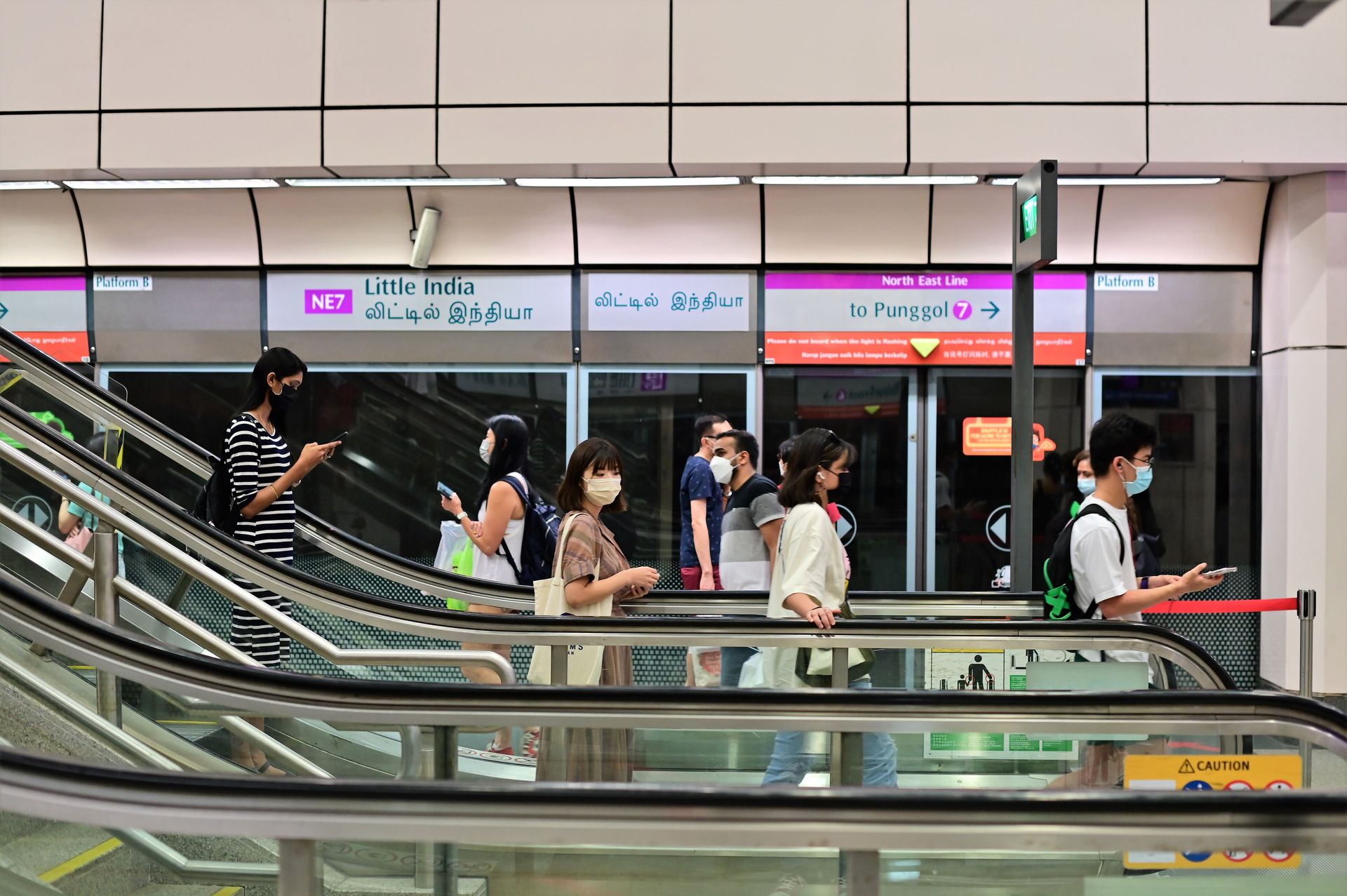
Singapore is a multicultural society where four main ethnic groups shape the national identity. This diversity is reflected in four official languages (English, Mandarin, Malay and Tamil) and a policy of mutual respect enshrined in law. Each community maintains its traditions, places of worship and distinctive neighbourhoods, while contributing to a shared Singaporean identity.
The model of coexistence is based on strict meritocracy and clear rules that safeguard public order. This administrative rigour, often perceived as severe, actually allows for remarkable cultural freedom: temples, mosques and churches stand peacefully alongside one another, and each community’s religious festivals are celebrated by everyone.
The pillars of local identity
Peranakan culture, born from marriages between Chinese traders and Malay communities, perfectly illustrates this fusion. You will discover its refinement in shophouse architecture, cuisine (laksa, kueh) and embroidered textiles. Respect for elders, the importance of the extended family and the concept of “face” (social dignity) shape interpersonal relationships.
Singaporean English, or Singlish, combines English vocabulary, Malay grammar and Chinese expressions. Although standard English is used in formal contexts, Singlish remains a marker of local identity and makes everyday communication easier.
Cultural festivals and events
Singapore’s calendar punctuates the year with major celebrations that transform neighbourhoods and streets. These occasions offer an authentic immersion in each cultural tradition.
| Period | Festival | Community | Main locations |
|---|
| January-February | Chinese New Year | Chinese | Chinatown, River Hongbao |
| April-May | Vesak Day | Buddhist | Temples, Buddha Tooth Relic |
| May-June | Hari Raya Puasa | Muslim | Kampong Glam, Geylang Serai |
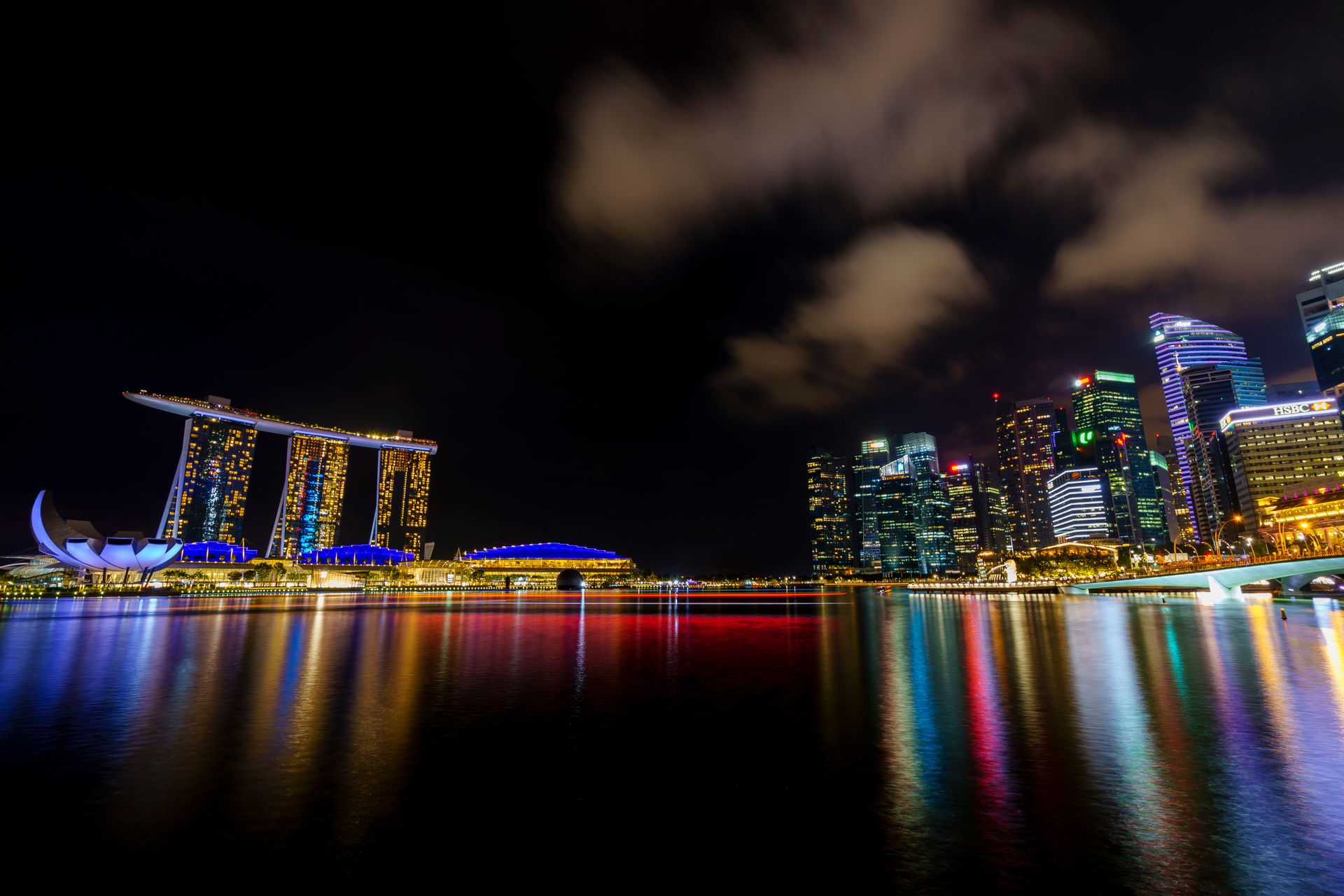
| August | National Day | All | Marina Bay, residential neighbourhoods |
| October-November | Deepavali | Indian | Little India, Hindu temples |
| December | Christmas on A Great Street | All | Orchard Road |
Street decorations go up several weeks before each festival, creating a festive atmosphere in the neighbourhoods concerned. Night markets (pasar malam) offer culinary specialities, handicrafts and entertainment. These events are free and open to everyone, providing excellent opportunities for expats to meet people.
Contemporary art scene
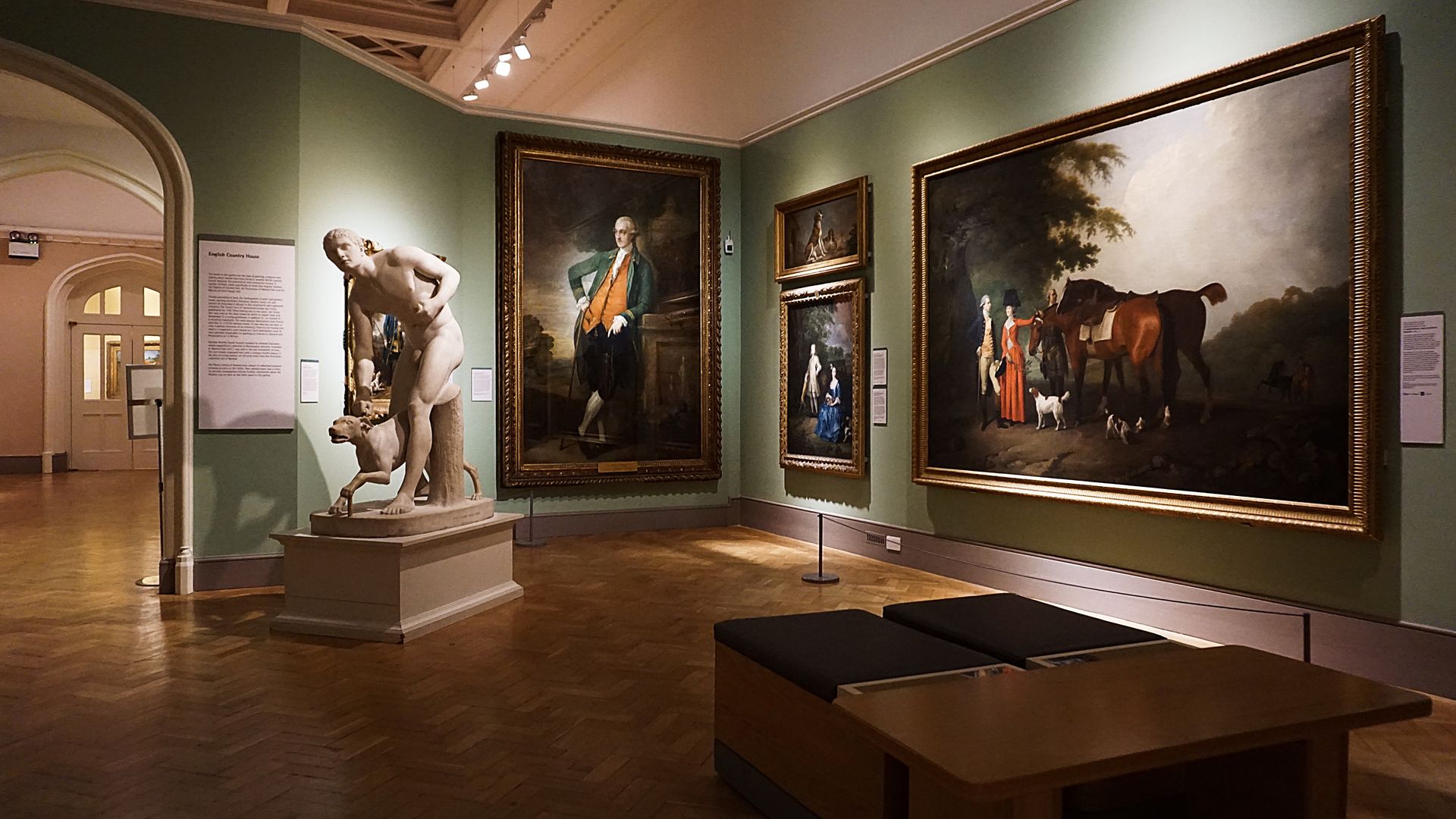
Beyond its traditions, Singapore is developing a vibrant modern art scene. Gillman Barracks brings together contemporary art galleries and artists’ studios in former military barracks. The Singapore Art Museum (SAM) and its branches showcase regional and international works through a regularly updated programme.
The annual Singapore Art Week brings together exhibitions, auctions and performances across the city. For live music, Clarke Quay and Boat Quay are home to bars and clubs featuring local and international artists. English-language theatre can be enjoyed at the Esplanade – Theatres on the Bay, nicknamed “the Durian” because of its distinctive shape.
Must-see cultural attractions
Certain places capture the cultural essence of Singapore and deserve a thorough visit, whether you are a resident or just passing through.
Temples and places of worship
The Buddha Tooth Relic Temple in Chinatown impresses with its Tang architecture and sacred relic displayed on the fourth floor. The Sri Veeramakaliamman Temple in Little India, dedicated to the goddess Kali, stands out for its richly carved gopuram (tower) covered in colourful deities. Sultan Mosque in Kampong Glam, with its golden dome, remains the main Muslim place of worship and welcomes visitors outside prayer times (respectful clothing required).
St Andrew’s Cathedral, built in the Neo-Gothic style, bears witness to Singapore’s British colonial heritage. These religious buildings are generally free to enter and often offer guided tours to help visitors understand their rituals and symbolism.
Architectural heritage
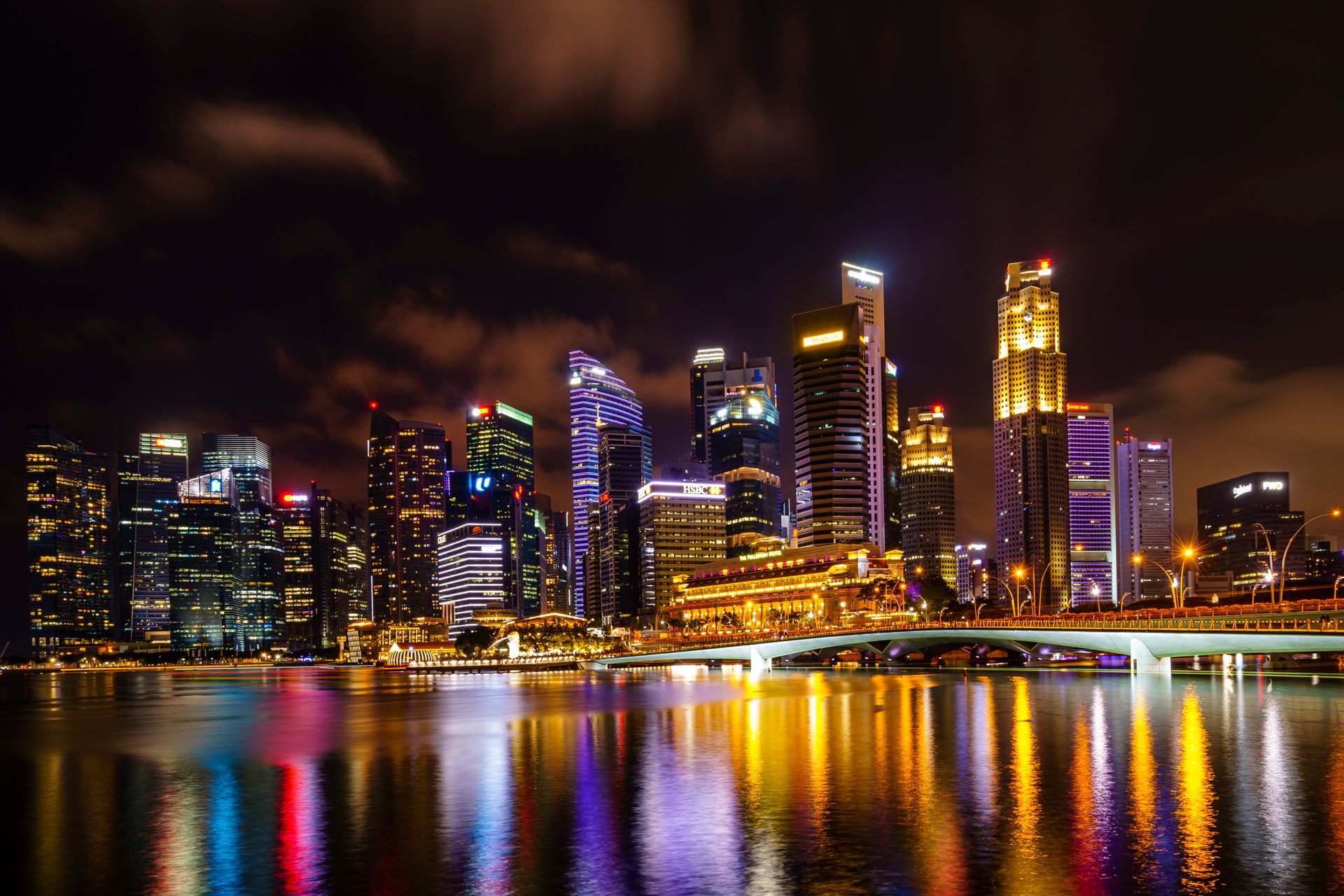
The Civic District preserves colonial buildings such as the former Parliament House, Victoria Theatre & Concert Hall and the recently renovated Raffles Hotel. A walk along the Singapore River allows you to observe the city’s development, from the restored warehouses of Clarke Quay to the skyscrapers of Raffles Place.
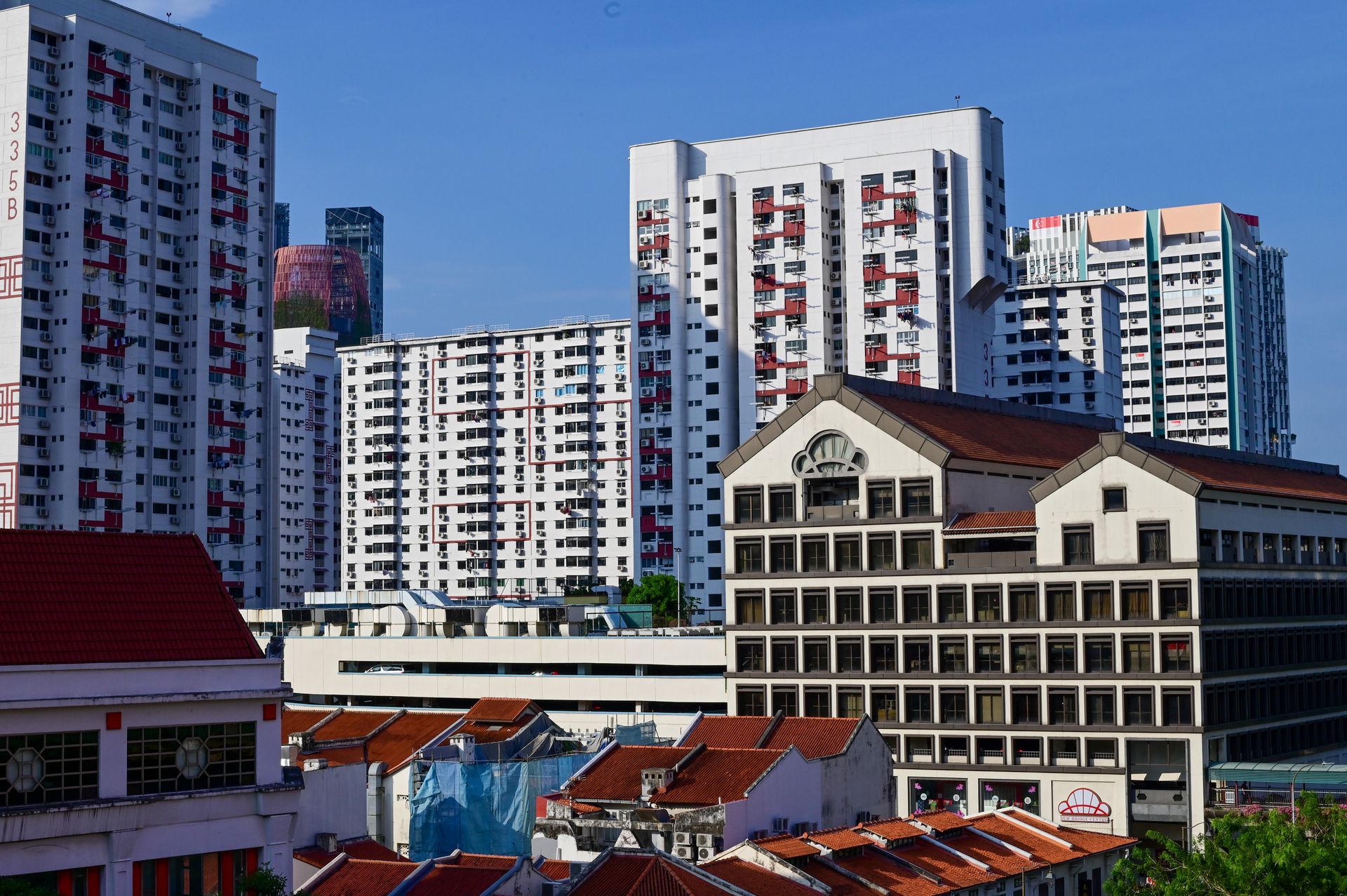
Shophouses, narrow shop-houses with ornate façades, are characteristic of historic neighbourhoods and shopping streets. Emerald Hill Road, near Orchard, is lined with superb restored examples. To deepen your understanding of the local way of life, see our guide to the budget and cost of living in Singapore, which details typical cultural expenses.
Everyday leisure activities
Living in Singapore offers a remarkable balance between urban stimulation and natural relaxation, accessible to all budgets.
Sports and outdoor activities
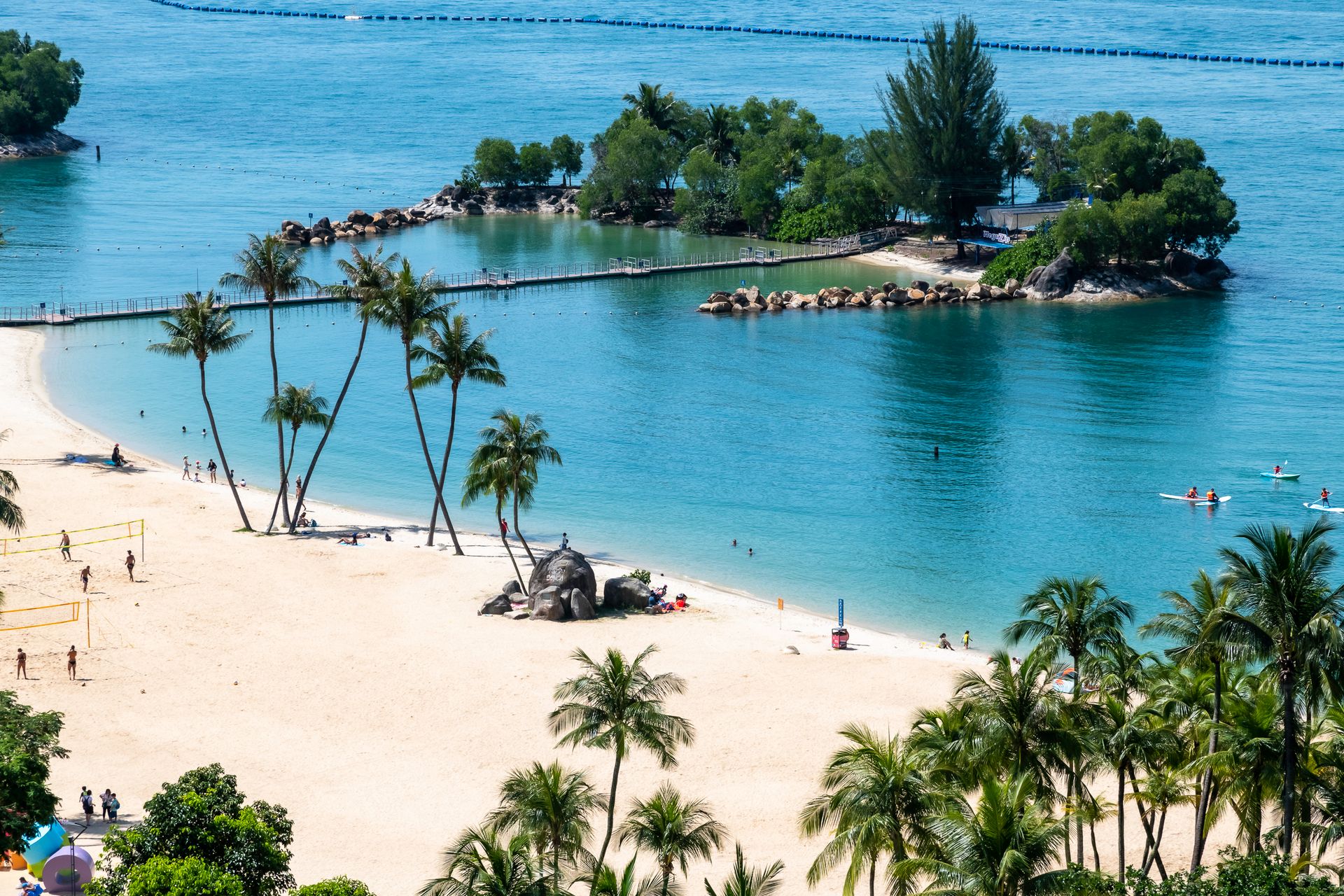
Park Connectors form a network of cycling and walking paths linking green spaces across the island. The Southern Ridges Walk offers a multi-kilometre urban hike with suspension bridges and panoramic viewpoints. East Coast Park, along the sea, is ideal for cycling, rollerblading, barbecues and water sports at weekends.
Public sports complexes (ActiveSG) offer swimming pools, sports grounds and halls at subsidised rates. MacRitchie Reservoir offers kayaking and the TreeTop Walk, a suspended walkway above the canopy. To reach these sites, the public transport network efficiently serves all neighbourhoods.
Shopping centres and cultural shopping
Beyond the luxury shopping of Orchard Road, some shopping centres reflect specific cultural identities. Mustafa Centre in Little India is open 24 hours a day and offers Indian products, textiles and electronics. People's Park Complex in Chinatown brings together traditional Chinese medicine shops and made-to-measure tailors.
Neighbourhood markets (wet markets) such as Tekka Centre and Tiong Bahru Market combine fresh food stalls with hawker centres. These authentic places allow you to observe local customs and practise your first phrases in Mandarin or Tamil. To make the most of your daily shopping, our page on shopping in Singapore details the best addresses by neighbourhood.
Cultural integration for expats
Moving to Singapore means understanding local customs and practices to make your professional and personal integration easier.
Etiquette and expected behaviour
Punctuality is valued in all situations. Singaporeans avoid direct confrontation and favour indirect communication and consensus. Public criticism or raising your voice is seen as an unacceptable lack of self-control. On public transport, in queues and in public spaces, order and respect for posted rules are strictly observed.
Shoes are removed before entering a home, Hindu temple or mosque. During shared meals, wait for the host to invite you to start and use the serving utensils, never your personal chopsticks. Respect for elders is shown through polite forms of address and giving them priority in queues.
Networking opportunities
Professional associations and social clubs facilitate meetings and exchanges. French-speaking groups organise cultural events, outings and activities for families. The community centres in each neighbourhood offer language courses, martial arts and intergenerational activities at affordable prices.
Volunteering with charities or at community events allows you to build genuine connections while contributing locally. To develop your professional network, see our guide to job opportunities in Singapore, which includes networking advice.
Nightlife and entertainment
Singapore offers a varied nightlife scene, from sophisticated rooftop bars to underground clubs, as well as shows and cinemas.
Nightlife districts
Clarke Quay brings together bars, restaurants and clubs along the river in a lively atmosphere. Quieter Boat Quay attracts a professional crowd for after-work drinks. Robertson Quay offers a relaxed atmosphere with terraces and cocktail bars. Haji Lane in Kampong Glam is popular for its intimate bars and alternative music.
Rooftop bars such as CÉ LA VI (Marina Bay Sands), 1-Altitude and Lantern Bar offer spectacular views but come with high prices. For moderate budgets, the bars in Tiong Bahru and Jalan Besar offer friendly atmospheres and reasonable prices. Most venues close around 1am–2am on weekdays and 3am at weekends.
Shows and cinema
Esplanade programmes classical concerts, jazz, theatre and contemporary dance. Free outdoor performances regularly take place in its amphitheatre. Singapore Repertory Theatre and Wild Rice present plays in English, often with local themes.
Multiplex cinemas (Golden Village, Shaw, Cathay) show international blockbusters and Asian productions in their original languages with subtitles. The Projector and The Screening Room screen arthouse films and documentaries. Prices vary depending on the day and time, with discounts for morning screenings and seniors.
Frequently asked questions
What are the main cultural differences to be aware of before moving?
Singapore values order, respect for rules and social harmony. Direct confrontation is avoided, punctuality is essential and public displays of affection remain discreet. Multiculturalism requires respect for everyone’s religious and dietary sensitivities. Strict laws on cleanliness, alcohol consumption and public behaviour help ensure safety but require adjustment for newcomers.
How can expats take part in local festivals?
All festivals are open to the public and free. Visit the relevant neighbourhoods during the celebration periods to see decorations, markets and activities. Some temples and community centres offer workshops and guided tours for expats. Local colleagues and neighbours will appreciate inviting you to share festive meals and family traditions if you show genuine interest.
Are there courses for learning local languages?
Community centres offer Mandarin, Malay and Tamil courses at subsidised rates for residents. Universities and private institutes offer more intensive programmes. Many expats learn conversational basics through apps or language exchanges in cafés. Knowing a few polite phrases in Mandarin makes daily interactions much easier, even though English is sufficient for all administrative procedures.
Which museums should you visit first to understand Singapore?
The National Museum of Singapore traces the city-state’s history from its origins. The Asian Civilisations Museum explains the cultural links between Asian civilisations. The Peranakan Museum reveals the unique culture that emerged from Chinese-Malay intermarriage. The National Gallery Singapore presents modern art from Southeast Asia in an exceptional architectural setting. Each offers audio guides in French and regularly updated temporary exhibitions.
How can you access cultural activities on a limited budget?
Many museums offer free admission on certain days or during specific time slots. Free performances at Marina Bay, Gardens by the Bay and Esplanade take place regularly. Temples, markets and historic districts can be visited free of charge. Public libraries offer cultural events, screenings and talks at no cost. Community centres organise courses and activities at very affordable prices for residents.
Is the language barrier a problem when enjoying local culture?
No. As English is the administrative and commercial language, you can easily access the entire cultural offering. Signs, brochures and audio guides are consistently available in English. Some plays and traditional performances use local languages but provide surtitles. Singaporeans appreciate linguistic efforts but are happy to communicate in English with expats, making cultural exchanges and discoveries easier.