Gourmet Food Markets in Singapore

The Gourmet Art of Living in Singapore

Dive into Asia’s most vibrant culinary melting pot. From Michelin-starred street food to fine-dining restaurants, discover how to savour every moment of your expat life.

Singapore is a food capital where Chinese, Malay, Indian and Western influences come together. You can eat at hawker centres for just a few dollars (chicken rice, laksa, chilli crab) or at Michelin-starred restaurants. Hawker centres, listed as UNESCO heritage, offer tasty dishes from 5 SGD, while the high-end dining scene rivals those of the world’s greatest cities.

A Sensory Odyssey

Singapore is not just a global financial centre; above all, it is a food capital where eating has been elevated to the status of a national sport. For a French-speaking expat, discovering the local cuisine is often the first step towards successful integration. Here, Chinese, Malay, Indian and Western influences collide to create a fusion that is unique in the world.

To get online as soon as you land, a Singapore eSIM can be installed before you leave, with no need to look for a local SIM card.

As you explore the streets of the city-state, you will smell the aroma of coconut milk infused into Laksa, the earthy fragrance of turmeric in Biryani, and the comforting softness of perfectly prepared Chicken Rice. This diversity reflects the island’s history: a free port where cultures have blended over the centuries.

To fully understand this dynamic, we recommend consulting our Complete Guide to Living Well in Singapore, which places food at the heart of residents’ daily lives.
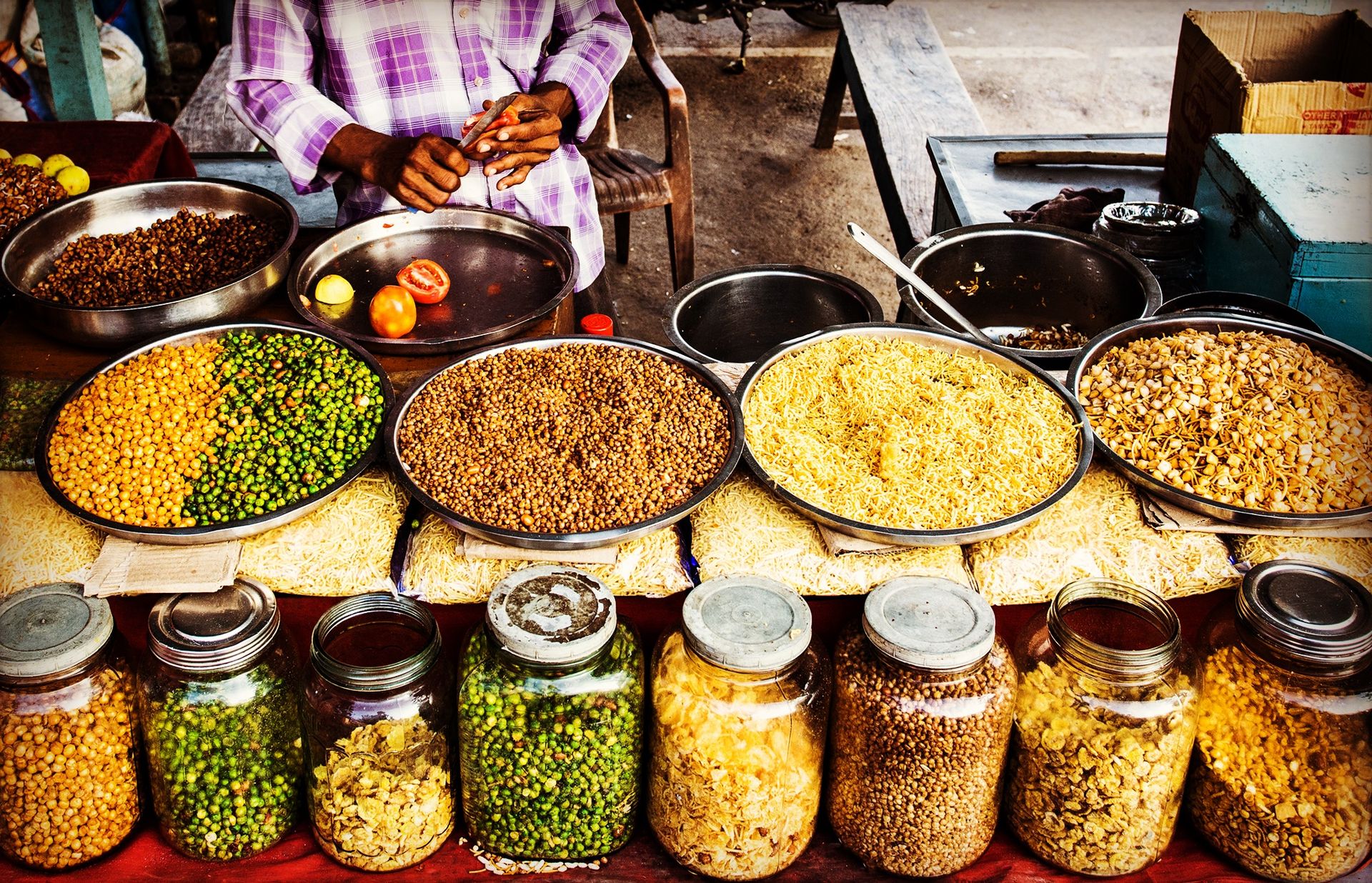
Chinese cuisine Indian spices Malay cuisine Tropical fruit

The Best Local Specialities

"If you haven’t tried these dishes, you haven’t quite arrived in Singapore yet."
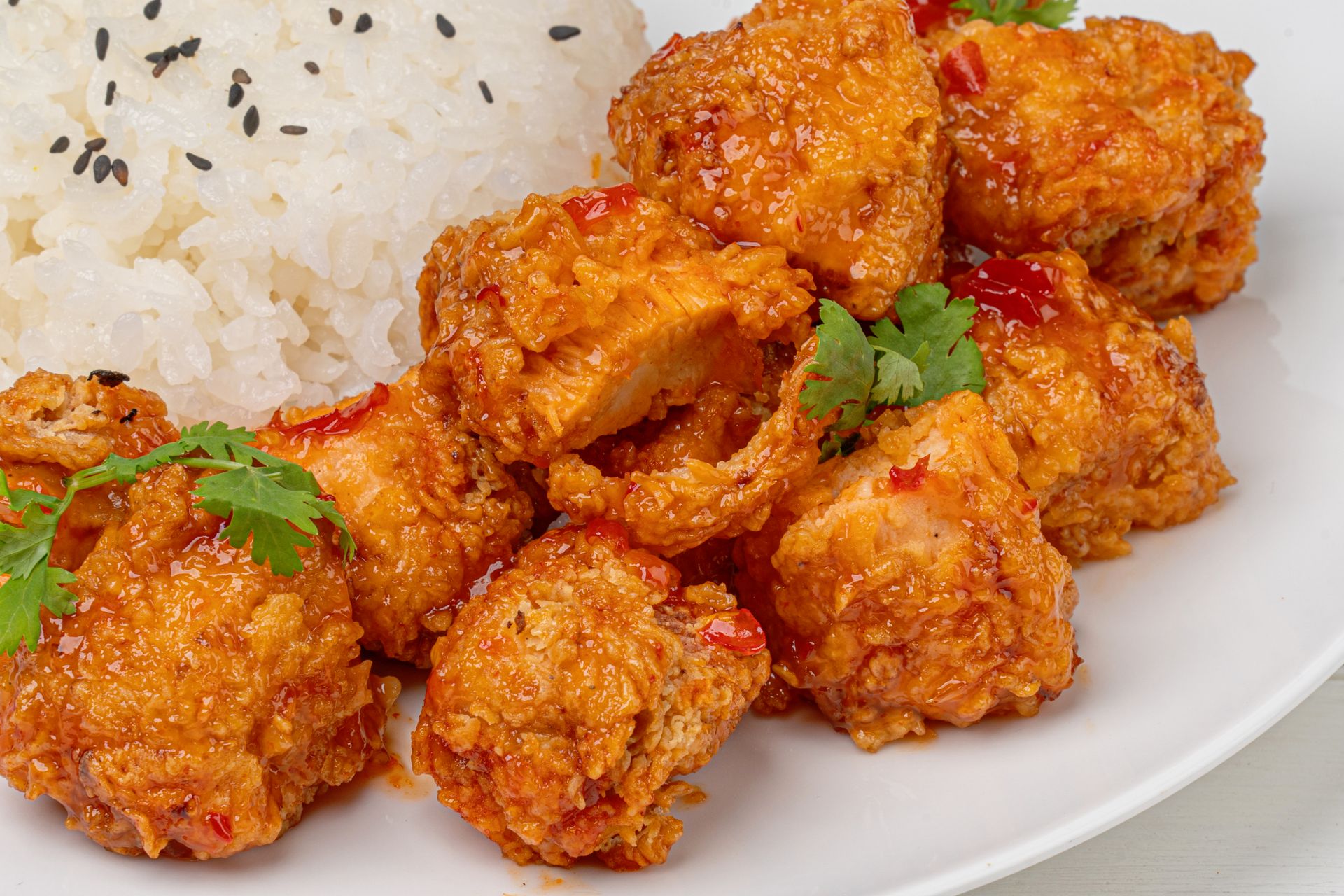
Hainanese Chicken Rice
Iconic

Hainanese Chicken Rice

The unofficial national dish. Exceptionally tender poached chicken, served with fragrant rice flavoured with garlic, ginger and chicken stock.
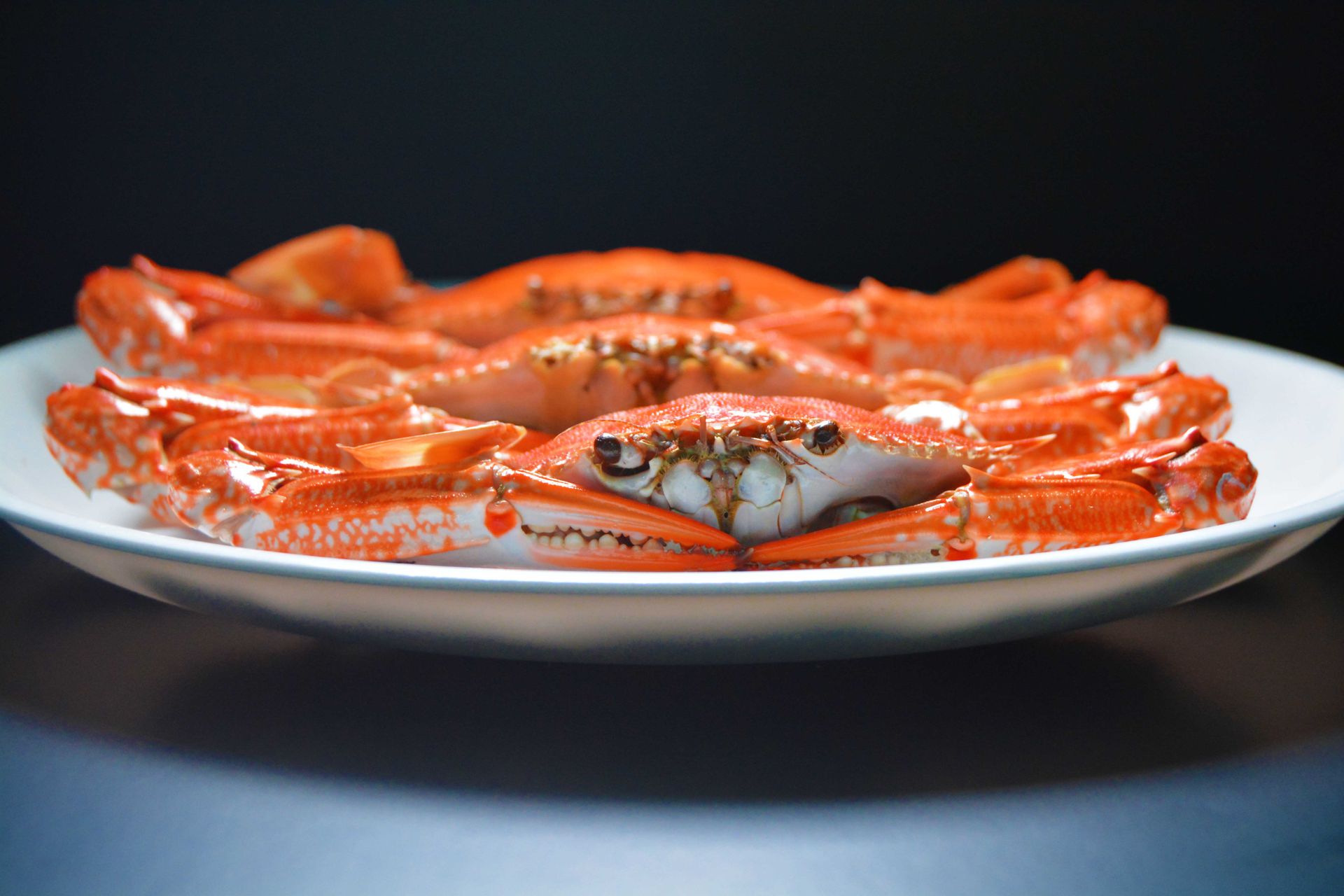
Chilli Crab

Chilli Crab

The king of seafood. A spicy, creamy tomato sauce to enjoy with fried mantous.
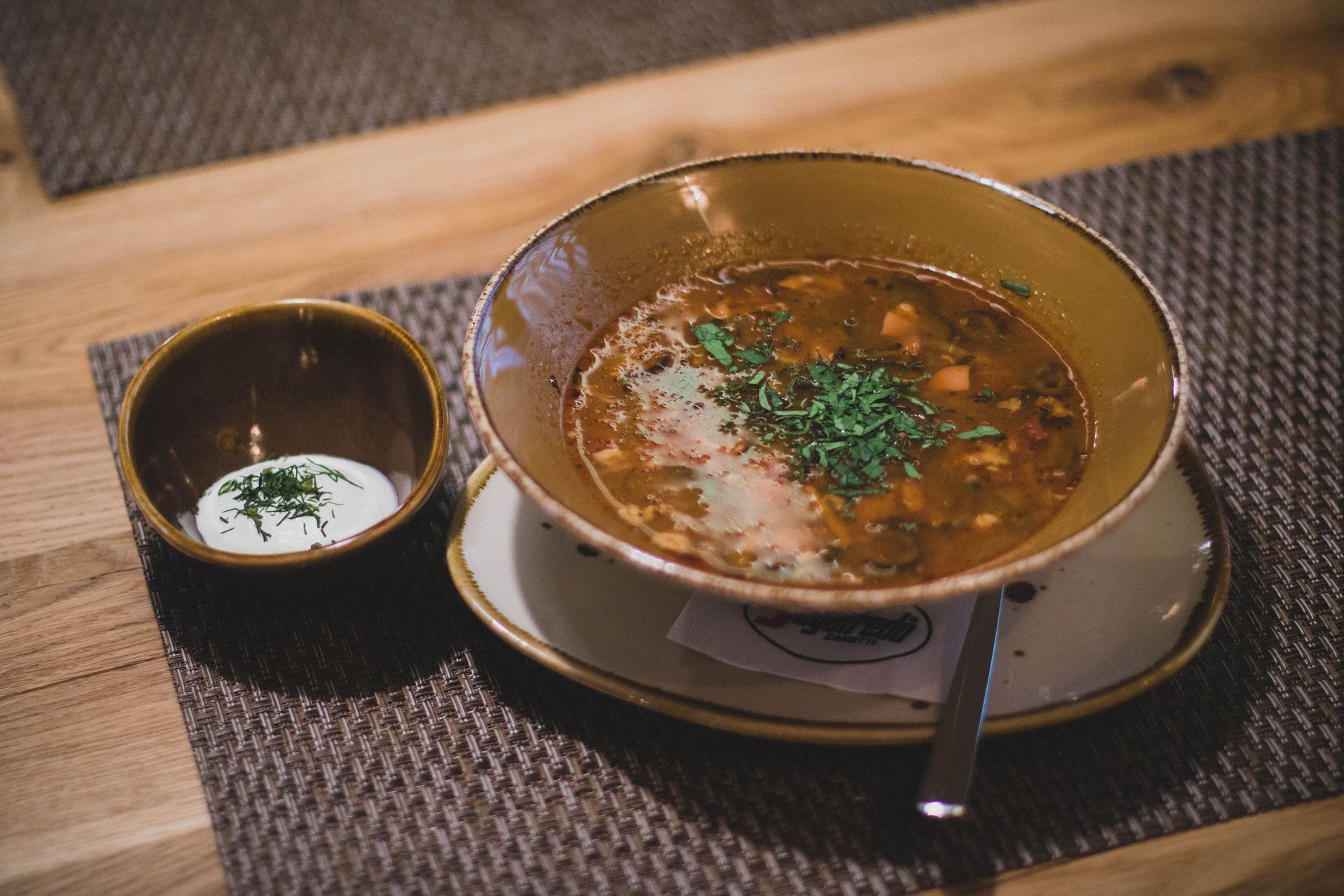
Laksa

Laksa

A noodle soup with curry and coconut milk. The Katong version is an absolute must.
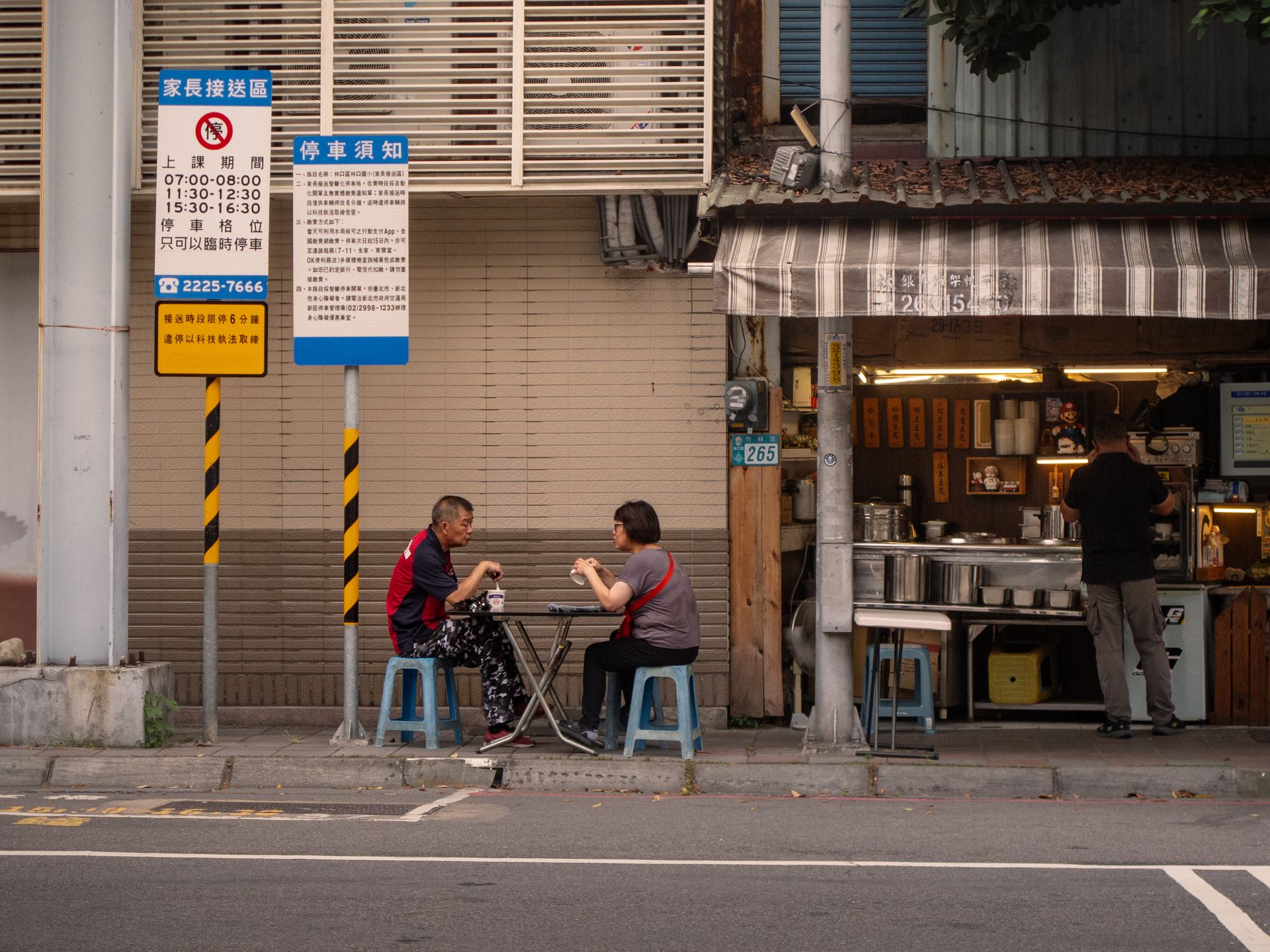
Satay

Satay & Roti Prata

Charcoal-grilled skewers and flaky Indian pancakes. Perfect for a relaxed dinner under the stars.

Hawker Centres: The Soul of the City

Listed as UNESCO Intangible Cultural Heritage, hawker centres are much more than food courts. They are modern village squares where CEOs and workers sit side by side to enjoy 5 SGD dishes. They are often found in the basements of large shopping centres, between two shops: see our Singapore shopping guide.

💡 Tips for Beginners

  • ✔ "Chope": Reserve your seat with a packet of tissues on the table before ordering.
  • ✔ Queues: The golden rule? The longer the queue, the better the dish.
  • ✔ Returning trays: It is compulsory. Look for the "Tray Return" stations.

To find out more about organising your new life, see our page on Daily Life in Singapore.

01

Maxwell Food Centre

Famous for the Tian Tian Chicken Rice recommended by the Michelin Guide.

02

Old Airport Road

A favourite among purists for Lor Mee noodles and fried oysters.

03

Lau Pa Sat

Magnificent Victorian architecture. Don’t miss Satay Street from 19:00.

Food Budget Calculator

Estimate your monthly food expenses based on your lifestyle.

7 meals
2 outings
1 evening
SGD

Estimated Monthly Budget

980 SGD

Note: Based on 2026 averages, including local inflation.

For a more detailed analysis of your overall expenses, visit our Budget and Cost of Living page.
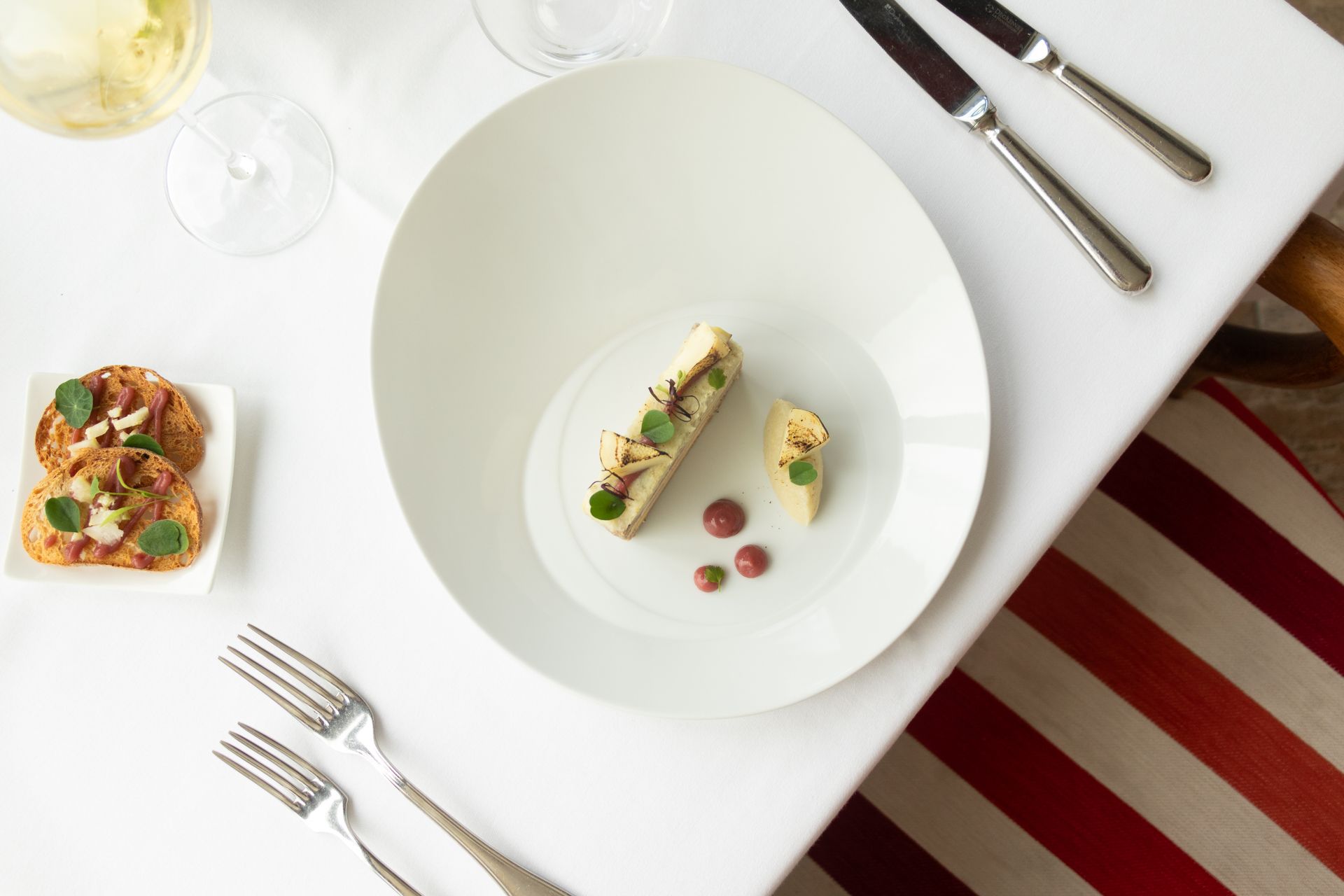
Fine Dining in Singapore

Beyond Street Food: Culinary Excellence

Singapore now rivals Tokyo, Paris and New York for the title of world food capital. The city-state is home to revolutionary concepts, bold fusion cuisines and establishments led by some of the world’s greatest international chefs.

Innovation is everywhere. You will find restaurants such as Odette, a leading name in modern French gastronomy, and Candlenut, the world’s first Peranakan restaurant to receive a Michelin star. The experience is not limited to the plate; it extends to the design of the venues, often breathtaking, set at the top of skyscrapers or in the heart of renovated colonial buildings.

Fusion Cuisine

The art of combining Western techniques with Asian flavours (umami, spices and textures).

Creative Mixology

Some of the world’s best bars (such as Atlas) are found here.

Table Etiquette: Avoiding Faux Pas

Sharing

In Asian culture, dishes are generally placed in the centre of the table to be shared. Do not use your own chopsticks to serve others; use the serving chopsticks (usually a different colour).

Chopsticks

Never stand your chopsticks upright in a bowl of rice. This recalls the incense sticks burned at funerals and is considered a bad omen. Place them on the chopstick rest or lay them flat.

Tipping

Tipping is not customary in Singapore. Most restaurants already add a 10% service charge and 9% tax (GST). The displayed price "++" means that both will be added to the bill.

To learn more about local customs, see our Guide to Cultural Particularities.

Cooking at Home

Where to find the taste of France and the best fresh produce in Singapore.

‘Expats’ Shopping

Sometimes, a good baguette or a well-matured cheese is essential for morale. Stores such as Cold Storage and FairPrice Finest offer a wide range of imported products. For specific needs:

  • ● Little Farms: Excellent meat and fresh produce from Australia.
  • ● Culinary French Stores: Specialist shops selling French wines and regional products.
  • ● RedMart: The local equivalent for large online grocery shops.
Discover the grocery shopping guide

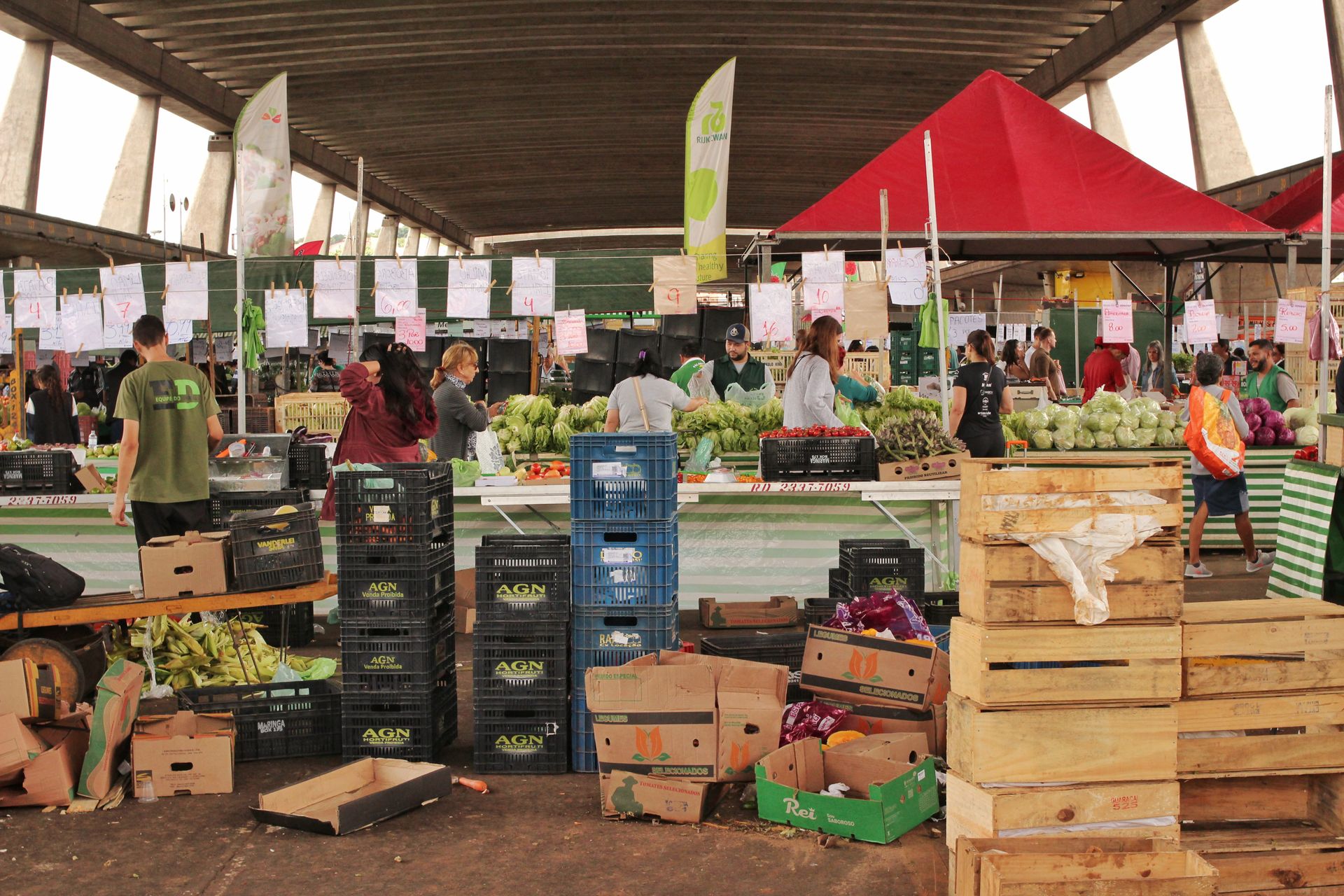
Farmers’ Markets (Wet Markets)

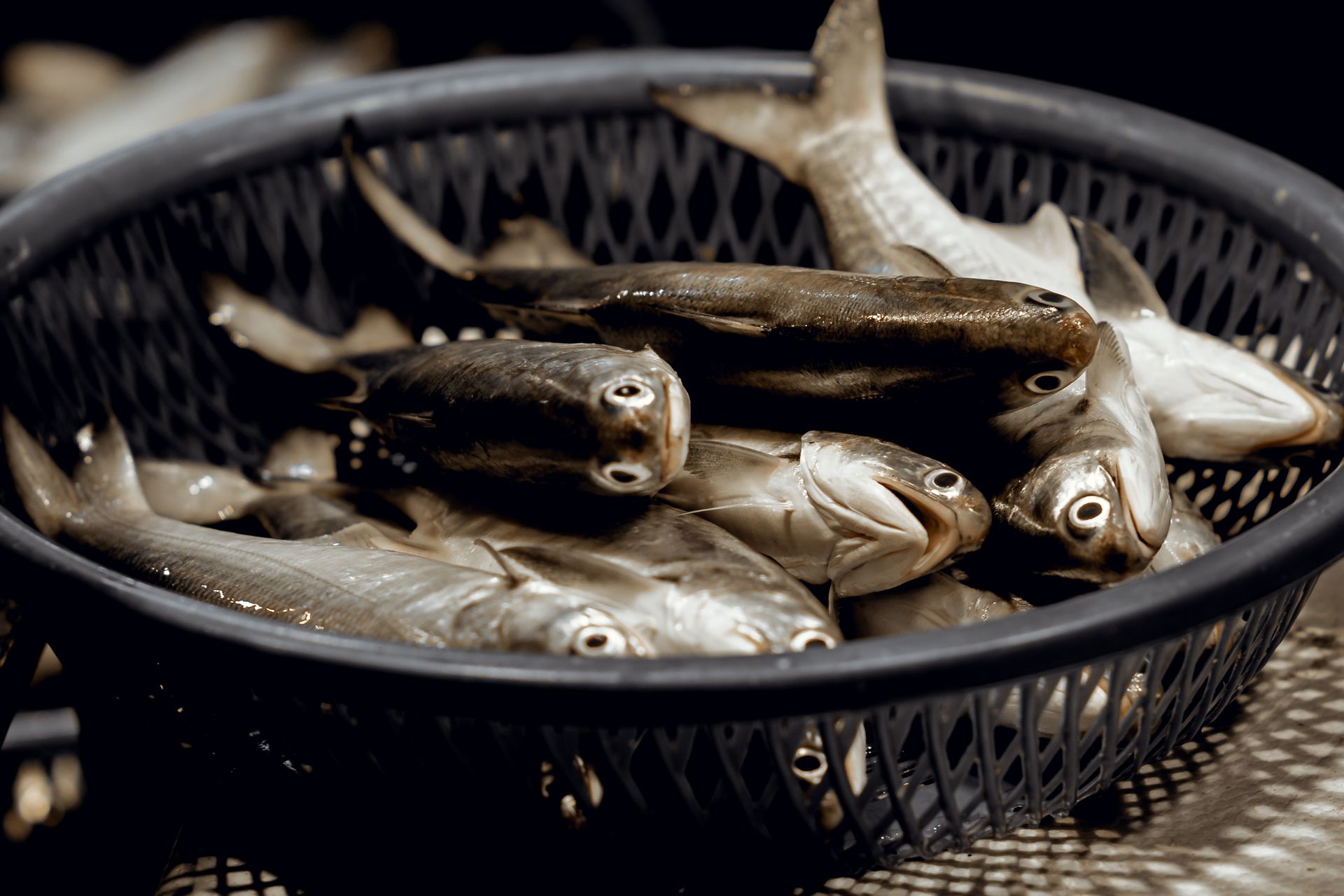
For an authentic experience and unbeatable prices on fruit, vegetables and fish, head to the ‘Wet Markets’ (such as the one in Tiong Bahru).

Tip: Arrive early (before 9am) for the best produce. Bring cash, even though many now accept PayNow.
Local market

Frequently Asked Questions About Food

Ready to explore the flavours of Singapore?

Share your favourite places or ask questions on our community forum to connect with other foodie expats.
Updated on

Where to eat in Singapore: hawker centres and restaurants

Singapore offers two complementary culinary worlds. Hawker centres are popular food courts where you will find stalls run by cooks specialising in one or two dishes. You order directly at the counter, pay in cash or via PayNow, then sit at a shared table. Prices generally range from 3 to 8 SGD per dish.

Restaurants cover every price range: neighbourhood establishments, international chains, fusion eateries and fine-dining venues. Mid-range restaurants charge between 20 and 50 SGD per person, while fine-dining establishments often cost more than 100 SGD per diner. Most add a 10% service charge and 9% GST (tax), shown by the ‘++’ symbol on menus.

The must-visit hawker centres

Maxwell Food Centre is home to the famous Tian Tian Chicken Rice, recommended by the Michelin Guide. Old Airport Road is popular with locals for its Lor Mee noodles and fried oysters. Lau Pa Sat, housed in a Victorian building, offers a lively Satay Street every evening from 7pm. Tiong Bahru Market draws visitors with its authentic atmosphere and traditional stalls.

Booking a table and using apps

For mid-range and upmarket restaurants, book through platforms such as Chope or Quandoo, especially at weekends. Hawker centres do not take bookings: arrive early (before 12.30pm or 6.30pm) to avoid the crowds. Use the ‘chope’ technique by placing a packet of tissues on a free table before ordering.

Culinary specialities you must try

Singaporean cuisine reflects the city-state’s ethnic diversity. Each community has contributed its recipes, creating a unique culinary repertoire. Here are the iconic dishes to discover during your stay or time as an expat.

DishOriginWhere to find it
Hainanese Chicken RiceChinese (Hainanese)Tian Tian, Boon Tong Kee
Chilli CrabSingaporeanJumbo Seafood, No Signboard
LaksaPeranakan328 Katong Laksa, Sungei Road Laksa
Roti PrataIndianThe Roti Prata House, Mr Prata
SatayMalayLau Pa Sat Satay Street, Haron Satay
Nasi LemakMalayChangi Village, Selera Rasa

Singapore’s laksa deserves special attention: this noodle soup with curry and coconut milk comes in Katong (thicker, eaten without a spoon) and Asam (more tangy) versions. Hainanese Chicken Rice, the unofficial national dish, consists of tender poached chicken, fragrant broth-cooked rice and sauces (ginger, chilli and dark soy).

Local desserts and drinks

Don’t miss kaya toast (toast with butter and coconut jam), served with soft-boiled eggs and kopi (coffee with sweetened condensed milk). Iced desserts such as ice kacang (shaved ice with red beans and jellies) and chendol (coconut milk, palm sugar and green jelly noodles) are the perfect refreshment after a spicy meal.

Food budgets and meal costs in Singapore

The cost of food varies considerably depending on your choices. A complete meal in a hawker centre costs between 5 and 10 SGD. Lunch in a neighbourhood restaurant costs 15-25 SGD, while dinner at a mid-range establishment comes to 40-70 SGD per person (including drinks).

Fine-dining restaurants charge between 100 and 300 SGD per person, or even more for Michelin-starred restaurants offering tasting menus. For groceries at home, budget 80-150 SGD per week for one person, depending on your habits (local or imported products).

Shopping for groceries: supermarkets and markets

FairPrice and Cold Storage are the main chains for everyday groceries. FairPrice Finest and MarketPlace offer a wider range of imported products. For French products (cheese, charcuterie and wine), visit specialist shops or Little Farms for Australian meat and fresh produce. RedMart delivers bulky grocery orders to your home.

Wet markets offer fruit, vegetables, fish and meat at reduced prices. The ones at Tiong Bahru and Tekka Centre are accessible and well stocked. Arrive before 9am for the best choice and bring cash, although PayNow is becoming increasingly common.

Dining etiquette and customs

Understanding local customs makes meals easier and helps you avoid awkward moments. In Singapore, dishes are generally shared: use the serving chopsticks (often a different colour) to help yourself, never your own chopsticks. Never stand your chopsticks upright in a bowl of rice, as this is associated with funeral rites.

Tipping is not expected: restaurants already add a 10% service charge. In a hawker centre, return your tray to the "Tray Return" station after your meal; this is compulsory and respected by everyone. If you order water in a restaurant, you will often be charged for it; tap water is safe to drink but rarely served free of charge.

Ordering local coffee

Kopi vocabulary follows a precise logic: "Kopi" means coffee with sweetened condensed milk, "Kopi O" means black coffee with sugar, "Kopi C" means coffee with unsweetened evaporated milk and added sugar, and "Kopi Kosong" means black coffee without sugar. Add "Siu Dai" for less sugar, "Gah Dai" for more sugar, and "Peng" for iced.

Eating vegetarian, halal or with dietary restrictions

Singapore caters easily to specific diets. Vegetarian stalls (often marked "Vegetarian" or with a green symbol) are common in hawker centres, inspired by Chinese Buddhist and Hindu traditions. The plant-based scene is developing rapidly, with modern places such as VeganBurg and Afterglow.

Most Malay restaurants and many Indian stalls are halal-certified (with a green and white logo issued by MUIS). Food allergies are taken seriously in formal restaurants, but in hawker centres, clearly communicate your restrictions as ingredients may vary.

Fine-dining restaurants and the high-end culinary scene

Singapore has more than fifty Michelin-starred restaurants, covering cuisines from around the world. Odette (modern French), Zen (Nordic), Les Amis (classic French) and Burnt Ends (Australian barbecue) are among the most renowned restaurants. Candlenut is the first Peranakan restaurant in the world to have received a star.

Creative mixology also shines: Atlas, Manhattan Bar and Native are among the best bars in the world. These venues offer inventive cocktails in spectacular settings, often at the top of skyscrapers or in renovated heritage buildings. Book several weeks in advance for the most sought-after venues.

Food events and festivals

Singapore regularly hosts events dedicated to gastronomy. The Singapore Food Festival (July) celebrates local cuisine with tastings, workshops and chef collaborations. The World Gourmet Summit (April) brings together international Michelin-starred chefs for exclusive dinners and masterclasses.

Farmers' markets take place at weekends in several neighbourhoods: Loewen Gardens, Pasarbella at Suntec City and The Lawn at Marina Bay. You will find artisan products, homemade pastries and regional specialities. Check the event calendar for dates and locations.

Orange Travel eSIM

Frequently asked questions

How much does a typical meal cost in Singapore?

A meal in a hawker centre costs between 5 and 10 SGD, lunch in a neighbourhood restaurant between 15 and 25 SGD, and a mid-range dinner between 40 and 70 SGD per person. Fine-dining restaurants charge 100 SGD or more per person.

Are hawker centres clean and safe?

Yes, Singapore enforces strict hygiene standards. Each stall displays a rating (A, B or C) based on regular inspections. The vast majority of residents eat at hawker centres every day without any health problems.

Where can I find French products in Singapore?

Cold Storage and FairPrice Finest offer imported products. For French cheese, charcuterie and wine, visit specialist shops or Little Farms. Tiong Bahru Bakery, Paul and Maison Kayser sell good bread and viennoiseries.

Can you eat late at night in Singapore?

Yes, many hawker centres and restaurants in neighbourhoods such as Geylang, Holland Village and Chinatown stay open until midnight, 3am, or even 24/7 for some stalls. The late-night food scene is very lively.

How do you order local coffee (kopi)?

"Kopi" means coffee with sweetened condensed milk, "Kopi O" black coffee with sugar, "Kopi C" coffee with evaporated milk and sugar, and "Kopi Kosong" black coffee without sugar. Add "Peng" for an iced version.

Should you leave a tip in restaurants?

No, tipping is not customary in Singapore. Restaurants already add a 10% service charge and 9% GST. The displayed price "++" indicates that these charges will be added to the final bill.