Singapore Souvenirs: Ideas and Customs Rules
Discover the best souvenirs to bring home from Singapore, from kaya to batik, and the customs rules to check before you travel.
In March, Singapore remains hot, humid and prone to showers, but the rain does not prevent you from enjoying the city. Data provided for March 2026 indicate an average temperature of 29.2 °C during the day and 25.6 °C at night, with the sea at around 28.7 °C. They also indicate 169.9 mm of rainfall over the month and around 5.6 hours of direct sunshine per day, so it is better to plan flexible outings rather than a programme entirely outdoors.
The tropical climate gives March a particular rhythm: constant heat, occasionally cloudy skies, sunny spells and showers that can follow one another. To visit Gardens by the Bay, explore the cultural districts or go up to Marina Bay Sands, prioritise the first hours of the day and keep indoor activities for the hottest or wettest periods. Here is how to understand Singapore’s weather in March and organise your days without giving up on sightseeing.
In brief
To get online as soon as you land, a Singapore eSIM can be installed before you leave, with no need to look for a local SIM card.
In March, Singapore’s weather remains hot from morning to evening. The figures provided for 2026 give a daily average of 29.2 °C and a night-time average of 25.6 °C; the highest daily temperature recorded in these data is 30 °C and the lowest night-time temperature is 25 °C. These values describe a monthly trend, not a temperature guaranteed at every hour or on every day.
The heat feels stronger because of the humidity, which is characteristic of the tropical climate. Walking in the sunshine can feel more tiring than visiting a museum or an air-conditioned shopping centre. Plan breaks in the shade, drink regularly and avoid concentrating long walks between late morning and mid-afternoon.
The rainfall figure given for March is 169.9 mm. This total does not mean that it rains continuously: cloudy conditions may alternate with sunny periods, and showers can interrupt an outing before giving way to clearer skies. The rainy season should therefore not be understood as an uninterrupted succession of wet days.
Keep a backup option close to outdoor attractions. If a shower arrives near Marina Bay, you can go into a covered space, take a break or postpone a walk along the waterfront. A small umbrella or lightweight waterproof jacket is more practical than a thick garment, which is difficult to wear in the heat.
The average wind speed provided for March is 3.9 m/s. This does not mean that every day will be windy: conditions vary according to the time and location. During a visit, shade, indoor spaces and breaks generally matter more than the wind when it comes to staying comfortable.
The data also indicate an average of 5.6 hours of direct sunshine per day. Cloudy skies can therefore give way to bright spells. Apply sun protection even when the sun is behind clouds and check local forecasts on the day before a long excursion. To place March in the annual cycle, see the guide to Singapore’s climate and seasons.
Key point: March combines persistent heat with changeable weather; planning alternatives lets you enjoy your days without relying on perfectly clear skies.
To decide what to do in Singapore, organise visits according to how exposed they are. Outdoor walks are more enjoyable early in the morning or towards the end of the day, while the hottest hours are better suited to museums, galleries, conservatories and shopping centres. This alternation is particularly useful in March, when heat and humidity can make you tired more quickly than a simple thermometer reading might suggest.
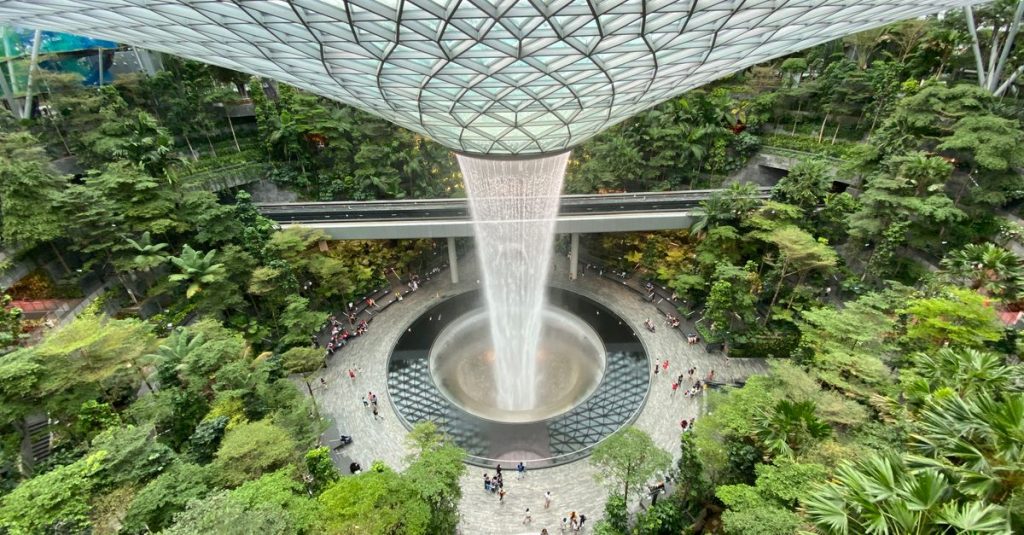
Gardens by the Bay works well as a visit in several stages. Explore the outdoor areas when the temperature is more bearable, then plan an indoor break if the sun becomes intense or a shower starts. The vegetation, pools and iconic structures create a remarkable landscape, but the site is large: comfortable shoes and a water bottle make the visit easier.
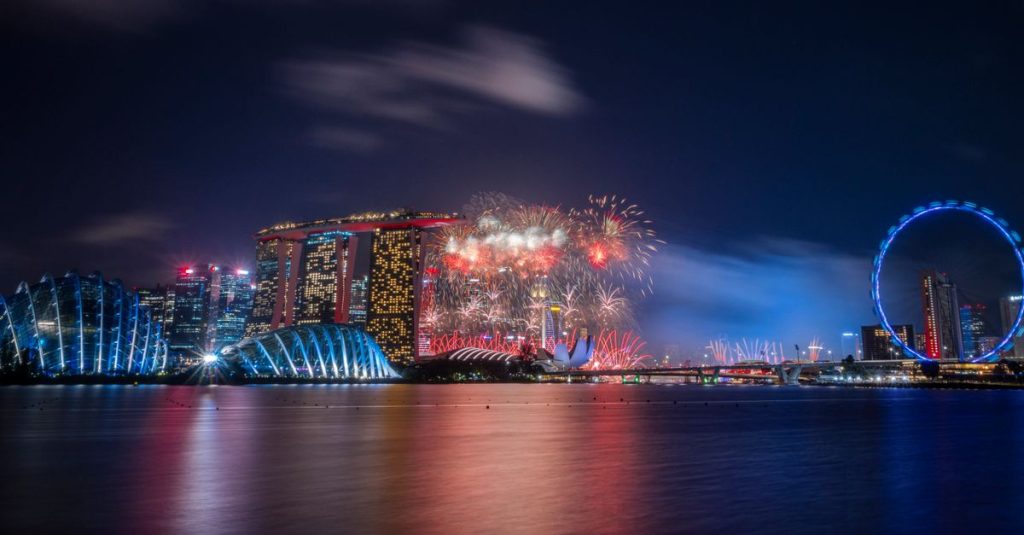
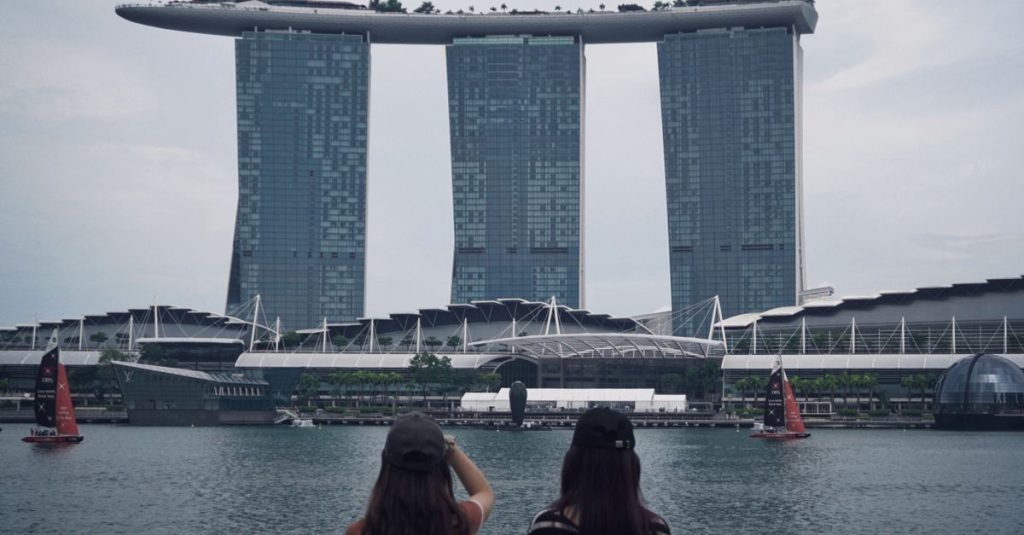
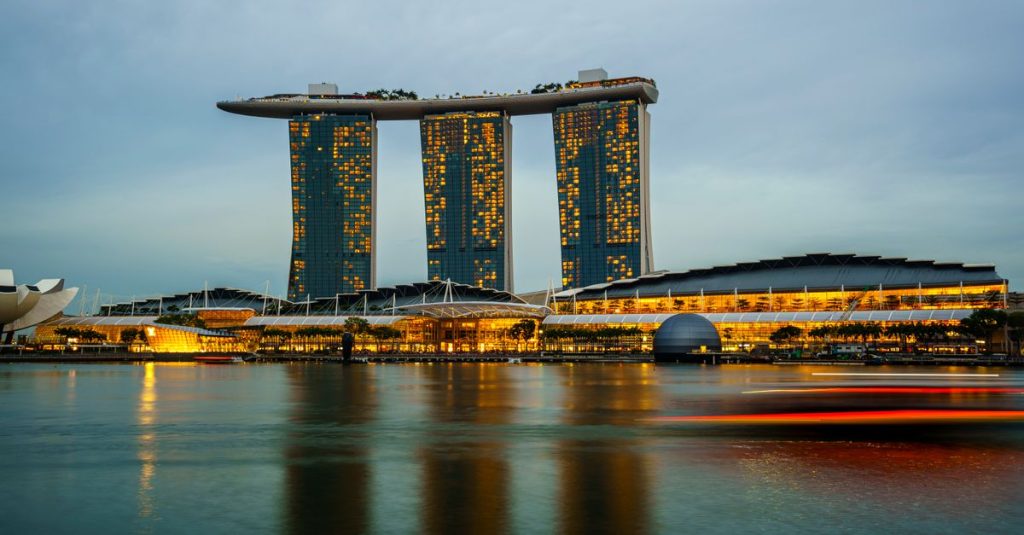
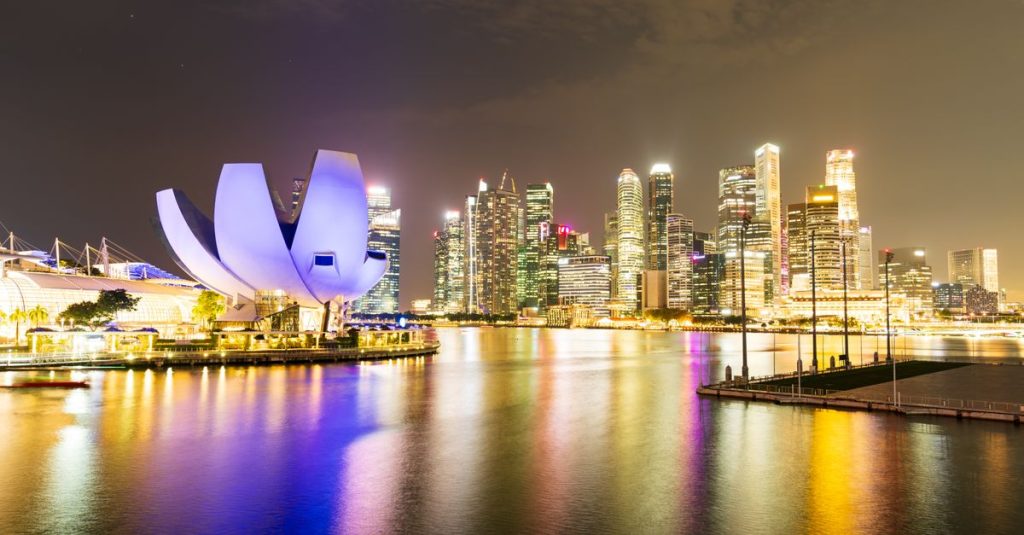
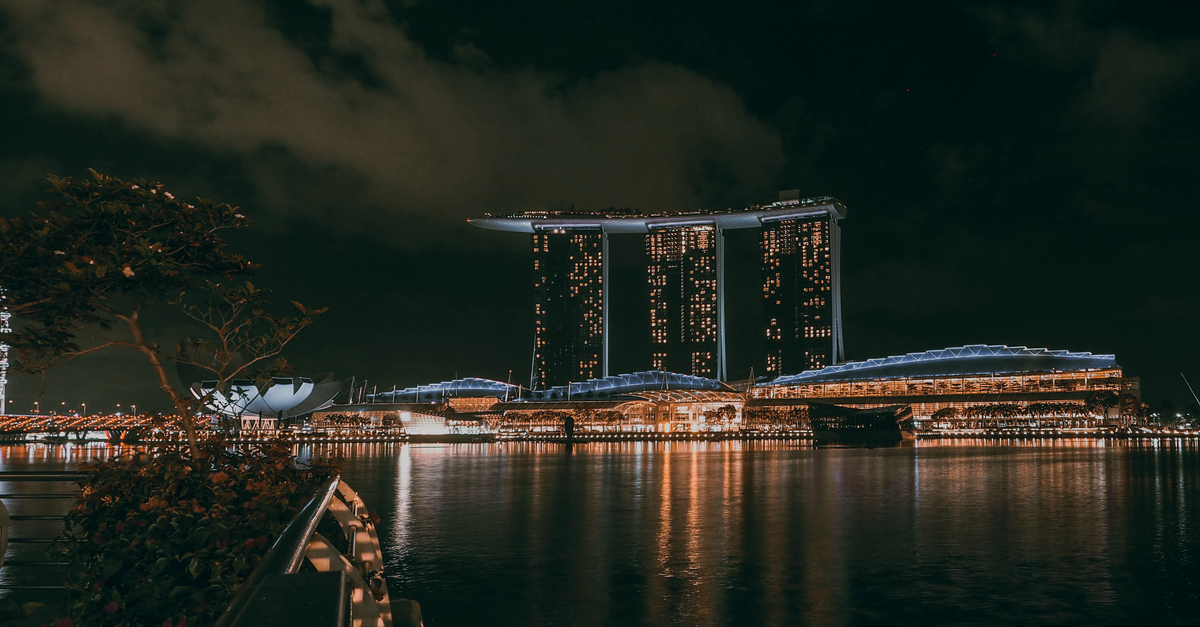
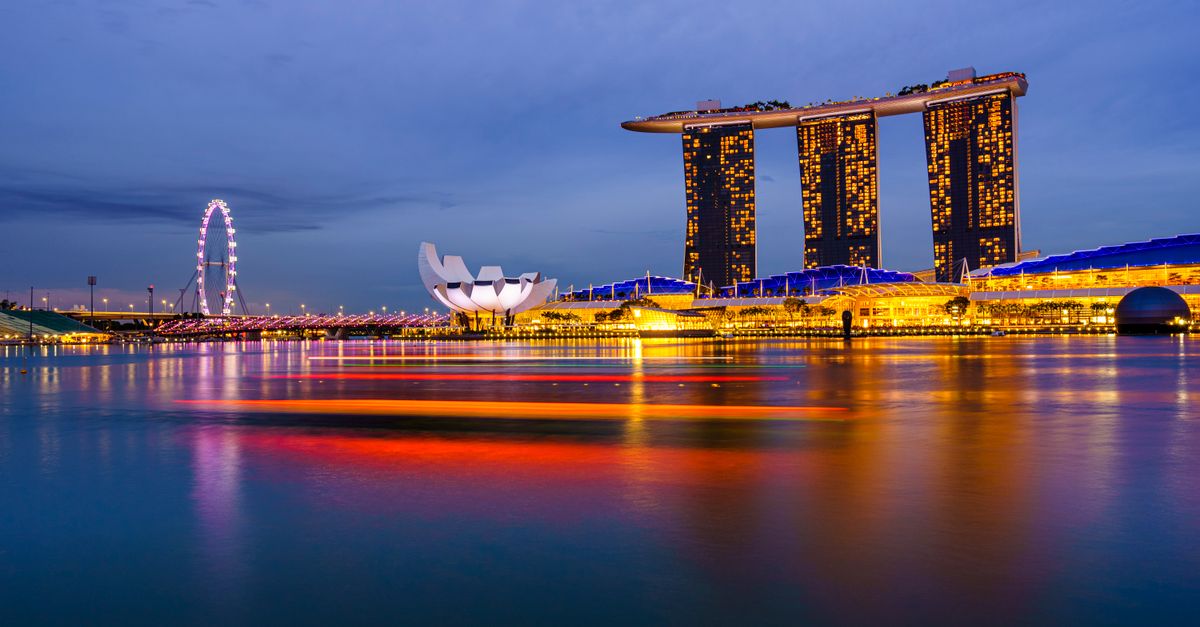
Around Marina Bay Sands, the walks offer views of the buildings and waterfront. Towards the end of the day, the light changes and the heat may feel less oppressive. It is still useful to check the weather conditions before booking an outdoor activity or planning a long walk along the quays. You can also explore the area through this guide to Marina Bay.
The area can also serve as a starting point for a flexible day: visit the gardens, take a break indoors, then return to the bay if the skies clear. Do not treat a rain forecast as a certainty for the entire day; instead, keep several options open and adjust the order of your visits on the spot.
In rainy weather, museums, galleries and shopping areas are straightforward alternatives. They allow you to keep an interesting activity without crossing the city in a downpour. Some places require a booking or have opening times that may change: check this information directly with the venue before setting off.
For a quieter break, choose a café or restaurant near your next visit rather than making multiple journeys. Public transport makes it easier to change your plans, but leave some time between activities: humidity, rain and connections can slow down your day. Mobility advice is covered in the guide to transport to and around Singapore.
Before you leave, spread outdoor and indoor visits over several days. This avoids having to remove an important experience because a particular time slot is disrupted by rain. In March, the best strategy is to keep the destination in mind while remaining flexible about the timing.
The sea remains warm in March. The data provided for 2026 indicate an average water temperature of 28.7 °C, with a minimum of 27.8 °C and a maximum of 29.2 °C. These figures relate to the month and do not replace local advice: sea conditions, permitted areas and swimming conditions must be checked on site.
A swim can be included in a sightseeing day, particularly if you are looking for a break after walking. Along the coast, the sun can be strong even when the sky is cloudy. Protect yourself, take water and avoid staying in direct sunlight for long periods during the hottest hours.
An outdoor excursion is best planned with a replacement option. If rain makes a walk less enjoyable, postpone it and use the time for an indoor visit. Conversely, a sunny spell may allow you to enjoy a park or waterfront without changing the rest of the day.
Outdoor activities also require you to consider the travel time. A short outing close to a station or covered venue is easier to adapt than a distant excursion with a fixed schedule. Check the forecast before leaving, but remember that it does not determine exactly what conditions will be like in every part of the island.
Lightweight, breathable clothing is suitable for the heat, while a compact waterproof layer offers protection during a shower. Shoes that can dry quickly are practical if pavements or paths are wet. A waterproof bag or pouch protects your phone and documents while you are travelling.
Swimming should not be the only reason for spending a day outdoors. Combine it with green spaces, a short walk or a meal in the area: if a shower arrives, you can change part of the programme without losing the whole day. The warm sea is an advantage, but flexibility remains the best equipment for March.
Travel images can help you identify places and routes, but the conditions on the day remain decisive. Before an outing along the coast, follow local guidance on access and safety.
Cultural districts are a good way to discover Singapore when heat or rain makes long walks less comfortable. Chinatown, Little India and Kampong Glam bring together places of worship, shops, restaurants and historic streets. You can visit them in stages: walk a few streets, enter a place open to the public and then take a break indoors.
Respect the customs of religious sites and the displayed instructions, particularly regarding clothing and photography. Opening times may vary depending on the venue and celebrations. To better understand the diversity of the city’s religious practices, see the page on religious life in Singapore.
In Chinatown, the shopping streets and heritage buildings can be visited before the heat fully sets in. Little India offers stalls, restaurants and temples, while Kampong Glam combines Malay heritage, shops and cafés. These districts are suited to short routes that are easier to interrupt if a shower starts. For more ideas, see our guides to Chinatown and Little India.
Local cuisine is also a practical way to take a break. Choose a venue close to your route and allow time to sit down rather than turning every meal into another journey. In March, indoor breaks are useful both for eating and for recovering from the heat and humidity.
Events in March depend on the annual calendar and the organisers. Without a confirmed programme for a specific date, it is better not to assume that a festival, parade or event will take place during your stay. Check official announcements from organisers and cultural venues before adding an event to your itinerary.
This check is particularly important for religious festivals and events that may affect opening times or the number of visitors in a district. A celebration can enrich your visit, but it does not guarantee that the relevant areas will be accessible under the same conditions as on an ordinary day. The page on festivals in Singapore helps you identify events to check against your travel dates.
Build your route around the places you want to discover, then add events that have genuinely been confirmed. This prevents you from basing your stay on an activity whose date or access has not been established. Cultural districts remain interesting in all kinds of weather, provided you respect the sites and check practical information.
Good preparation depends less on a perfect forecast than on an adaptable itinerary. Spread outdoor activities over several days, avoid chaining together long walks and identify covered alternatives near the main attractions. If rain arrives, you can swap two visits rather than abandon the whole programme.
Singapore’s temperatures remain high at night and during the day, according to the values given for March 2026. Heavy clothing is rarely useful for everyday outings, but an extra lightweight outfit may help after a shower or in heavily air-conditioned spaces. Keep water, a means of payment and the necessary transport information close at hand.
Schedule outdoor visits at the start of the day, then plan an indoor activity or a meal in a covered venue. You can leave the end of the afternoon for a walk if the weather is suitable. This rhythm limits exposure to the heat without turning your stay into a succession of rigid appointments.
For a day around Marina Bay, for example, you could begin with a walk, then visit an indoor venue before returning to the waterfront if the skies clear. This example describes one possible organisation, not a weather guarantee. Also check access conditions and opening times directly with the places you plan to visit, as they may change.
Entry formalities depend on your nationality, the purpose of your stay and the rules in force at the time of travel. Do not rely on outdated information: check the requirements with the relevant official authorities before departure. The page on administrative procedures in Singapore may provide general guidance, but does not replace up-to-date official instructions.
Also check attraction opening times, booking conditions and local forecasts shortly before each outing. Prices and opening hours vary between venues; it is preferable to confirm them directly with the relevant organisation rather than rely on information that may no longer be current.
Finally, take the time difference into account when organising your arrival and first appointments. The guide to Singapore time and the time difference can help you anticipate this adjustment. A March stay can be prepared effectively with suitable clothing, checked information and a programme that allows for changes in the weather.
The month alternates between sunny spells, cloudy periods and showers. The data provided indicate around 5.6 hours of direct sunshine per day on average, but conditions vary from one day to the next.
The figures provided for March 2026 give an average of 29.2 °C during the day and 25.6 °C at night. They describe monthly averages, not a forecast for every date.
The average water temperature indicated for March 2026 is 28.7 °C. Check sea conditions, permitted areas and safety instructions on site before swimming.
Pack lightweight clothing, sun protection, comfortable shoes and a compact umbrella or lightweight waterproof jacket. A water bottle makes sightseeing days easier.
No. Their calendar depends on the dates and organisers. Check official announcements for your travel dates before booking an activity or travelling to an event.

Updated on 10/11/2026
Scroll to see more articles →