Singapore in July: Weather, Events and Travel Tips
Discover Singapore in July: hot, humid weather, key events and practical travel tips to make the most of your stay.
Singapore in February generally offers a good balance for exploring the city: temperatures remain consistently warm, while rainfall is lower than at other times of the year. According to the Meteorological Service Singapore (MSS) 1991–2020 climate normals, the average maximum temperature is 31.5 °C and the average minimum is 24.6 °C in February, with an average of 105 mm of rain. These normals describe typical conditions, not the exact weather during your stay: showers and temperatures vary from day to day.
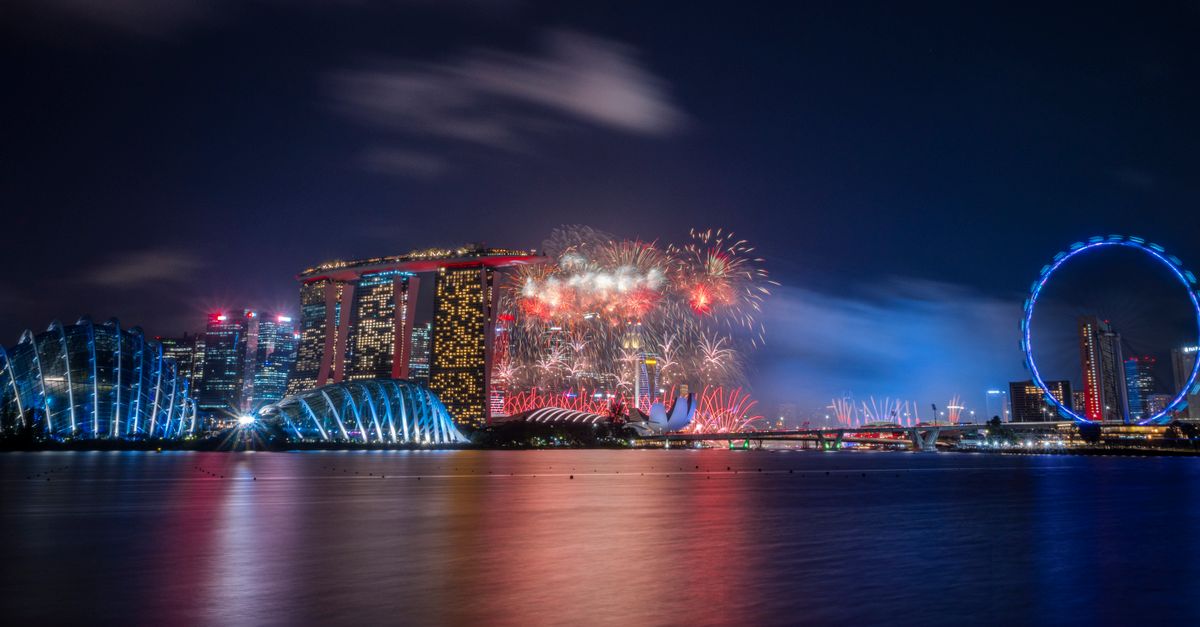
The month may also coincide with Chinese New Year and events such as the Chingay parade, depending on the annual calendar. To enjoy the festivities without facing the worst of the heat, plan walks for the morning, take shelter indoors in the afternoon and pack clothing suitable for both showers and air conditioning. Here are the key points for organising your stay and deciding what to pack.
Singapore weather in February is typical of an equatorial climate: the air is hot, humidity is high, and bright days alternate with sometimes intense showers. According to MSS climate normals calculated for 1991–2020 at Changi station, temperatures in Singapore range on average from 24.6 °C at night to 31.5 °C during the day. Average rainfall is 105 mm, and the month has an average of nine rainy days, according to the definition used by the meteorological service.
To get online as soon as you land, a Singapore eSIM can be installed before you leave, with no need to look for a local SIM card.
These averages cannot predict the weather on a particular day. A pleasant morning may be followed by a thunderstorm, while a day counted as rainy may experience only a brief shower. The rainy season therefore does not mean continuous rain: keep a compact umbrella close at hand and plan an indoor alternative for activities affected by bad weather.
February falls within the north-east monsoon. MSS normals show that the month is less rainy than December, which records an average of 332 mm of rain, although conditions can vary from one year to the next. To understand the differences between the seasons, see our guide to Singapore’s climate and seasons. As your departure approaches, check forecasts and alerts from the Meteorological Service Singapore, as seasonal data cannot replace a local forecast. You can also compare conditions with our guide to Singapore in December.
The heat is particularly noticeable when walking, in areas with little shade or during the middle of the day. Start outdoor visits early, then take a break in a museum, shopping centre or café when the sun is strongest. An evening outing often brings more comfortable temperatures, although humidity remains present.
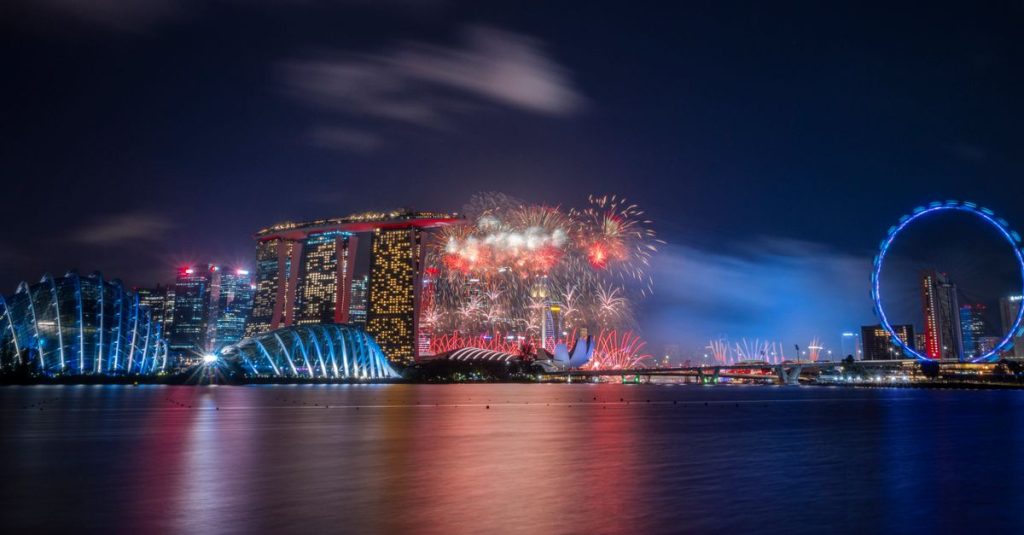
Chinese New Year is one of the February events that can change the atmosphere in the city. Decorations, markets and family gatherings give Chinese traditions a prominent place, but dates and programmes vary each year. In 2026, check organisers’ announcements and official calendars before planning a specific visit: practical information, opening times and traffic restrictions may change.
Chingay is also associated with Chinese New Year celebrations in Singapore. The parade features floats, costumes and cultural performances; access arrangements and the programme depend on the edition concerned. The shows attract crowds, so it is better to check booking requirements and plan your journey in advance rather than rely on arriving at the last minute.
Singapore’s festivals reflect the island’s religious and cultural diversity. To put these celebrations into context, you can consult the page about festivals and celebrations in Singapore, as well as the guide to religious life. During festivities, shops and restaurants may adjust their opening times; check directly with the establishments you plan to visit.
Weather remains a factor to consider during outdoor gatherings. Bring water, sun protection and a back-up option in case of a shower. To follow local announcements that could affect your itinerary, the page covering news in Singapore can complement information from event organisers.
For a February trip, choose lightweight, breathable clothing: fine cotton, linen and quick-drying fabrics are practical in a hot and humid environment. A change of clothes may be useful after a long day outdoors. Shopping centres, public transport and performance venues are often heavily air-conditioned; a long-sleeved shirt or light layer will help you avoid feeling cold indoors.
A compact umbrella also provides protection from the sun. Choose comfortable shoes that can cope with wet pavements, and pack sun cream and a hat for walks. If you plan to visit a place of worship, clothing covering the shoulders and knees is a respectful choice, although requirements may depend on the site.
These travel tips will help you stay comfortable without overfilling your suitcase. To organise the other aspects of your trip, see our guides to the best times to visit Singapore and international transport. You can also check our Singapore travel budget guide when planning your expenses.
In Singapore, your itinerary is best shaped around the heat rather than a continuous outdoor programme. Reserve the beginning of the day for walks, gardens and historic neighbourhoods. Keep museums, shopping centres and indoor activities for the middle of the day, then resume walking in the late afternoon if the weather allows.
This approach is particularly useful during festival days: streets may be busier and journeys around gathering places slower. Before attending an event, check the practical information provided by organisers and any local instructions. MSS short-term forecasts are more useful when deciding between a walk, an indoor visit or a break.
If you are travelling during Chinese New Year, also plan restaurant bookings and changes to opening hours in advance. Establishments do not all follow the same calendar, and opening times may be altered for the celebrations. To discover cultural activities that remain appealing when the sky clouds over, explore these ideas for culture and leisure in Singapore.
| February reference | Normal or advice | Source or precaution |
|---|---|---|
| Average maximum temperature | 31.5 °C | MSS, 1991–2020 climate normals, Changi station |
| Average minimum temperature | 24.6 °C | MSS, 1991–2020 climate normals, Changi station |
| Average monthly rainfall | 105 mm | MSS, 1991–2020 climate normals, Changi station |
| Cultural events | Chinese New Year and Chingay, depending on the annual calendar | Check programmes and arrangements with the organisers |
| Trip forecast | Check recent weather announcements | Climate normals do not predict daily conditions |
Yes, February is often a good compromise: MSS normals indicate less rain than in December while temperatures remain warm. You should still expect humidity and possible showers.
No. According to MSS 1991–2020 normals, the average February low is 24.6 °C. A light layer is mainly useful in air-conditioned spaces.
Celebrations may take place in February, but dates and programmes change each year. Check the official calendar and organisers’ information before travelling to an event.
Pack lightweight, breathable clothing, a compact umbrella, shoes suitable for showers, sun protection and a light layer for air conditioning.

Updated on 08/11/2026
Scroll to see more articles →