Singapore Layover: What to Do in 6, 12 or 24 Hours
Singapore layover guide: discover what to do in 6, 12 or 24 hours, from Marina Bay and historic districts to Changi Airport.
Singapore in July is a suitable destination for an urban break: the month falls in a relatively less rainy period than the end of the year, although the climate remains hot, humid and changeable. Tropical showers can occur even when the day begins under clear skies, so it is better to plan both outdoor activities and sheltered visits rather than rely on consistently dry weather.
Events in Singapore depend on the annual calendar. Singapore’s National Day takes place in August, and July may feature preparations or activities announced throughout the year, with no programme guaranteed from one season to the next. To organise your stay, choose practical accommodation, check official calendars before departure and adapt your days to the heat and humidity.
In brief
To get online as soon as you land, a Singapore eSIM can be installed before you leave, with no need to look for a local SIM card.
Singapore’s weather in July remains typical of a tropical climate: the air is hot and humid, and conditions can change quickly. The month falls within the generally less rainy period from May to August, but that does not mean the rain disappears. A shower may interrupt a walk or briefly cool the air before the sunshine returns.
Climate averages published for the month show lower rainfall than several months at the end of the year, while still recording rainy days. Treat this trend as a planning reference, not as a forecast for a specific date. A monthly average cannot tell you whether it will rain during a particular visit or how long the shower will last.
To enjoy outdoor spaces, schedule walks and parks when the heat feels more manageable, and keep covered visits in reserve. Museums, shopping centres and dining areas make it easy to change your plans if a shower arrives or the heat becomes tiring. This flexibility is more useful than building each day around supposedly stable weather.
Heat and humidity can make long walks tiring, especially in areas with little shade. Plan regular breaks, drink frequently and avoid stringing together several distant activities without checking journey times. Travellers who are sensitive to heat will benefit from a lighter schedule rather than trying to fit in multiple visits under the sun.
To compare July with other times of year, see the guide to Singapore’s climate and seasons. The month can suit a varied trip, provided you do not mistake it for a guaranteed dry season.
When deciding what to pack, prioritise lightweight, breathable clothing suitable for the heat, as well as a change of clothes if you are planning an active day. A compact umbrella or light rain jacket is useful: tropical showers can start quickly, and shelter is not always immediately available during a walk.
Air conditioning is often strong in shopping centres, on public transport and in some attractions. A thin long-sleeved layer can therefore be useful for journeys or indoor breaks without adding much weight to your luggage. Comfortable shoes that can be worn all day are a better choice than a new pair or footwear unsuited to walking.
Visits to religious sites or certain cultural spaces may require respectful clothing. Check the rules for each site rather than assuming that one rule applies everywhere. As for luggage, do not pack only beachwear: Singapore is also explored on foot, in shopping districts and places of worship where suitable clothing is preferable.
A well-planned suitcase does not need to cover every possible scenario. It should mainly allow you to move easily from humid outdoors to air-conditioned interiors without turning every journey into a burden.
Events in Singapore can vary from one year to the next. Concerts, exhibitions, shows and food events are announced by their organisers, so it is best to check official calendars as your trip approaches. A food festival may feature in the programme in some years, but its presence, dates and venues should not be taken for granted without a confirmed announcement.
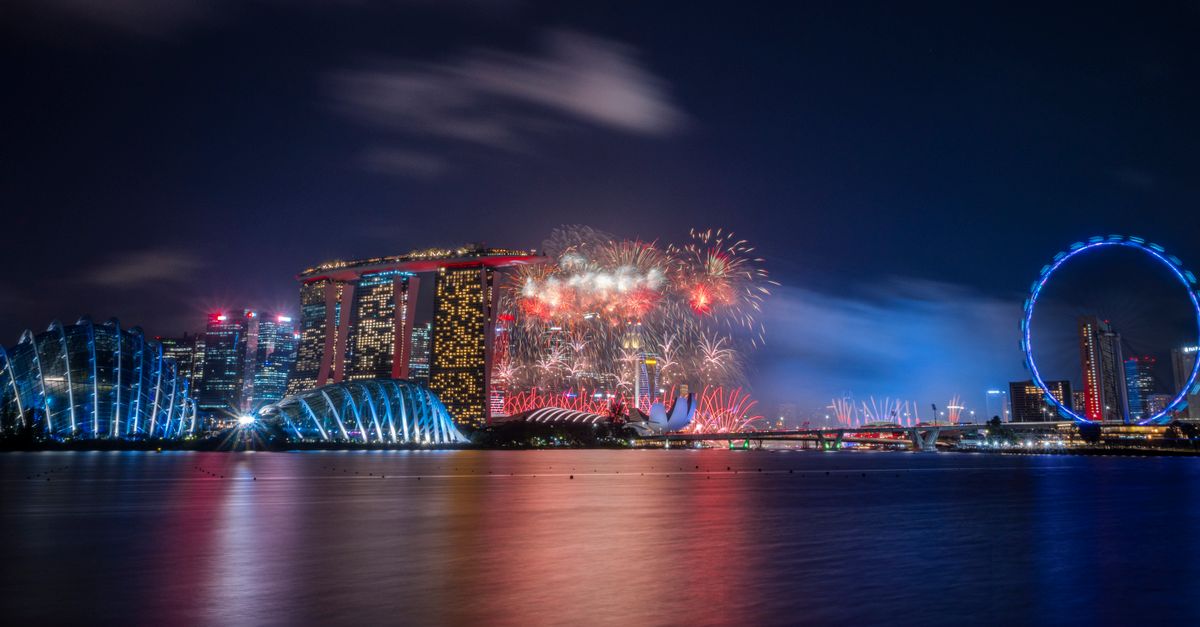
Singapore’s National Day is celebrated in August, not July. The preceding month may coincide with preparations or activities connected with the festivities, but their schedule is not consistent. If a national celebration is an important reason for your trip, check the information published for the relevant year before booking activities.
For a culture-focused visit, identify exhibitions and shows available during your dates, then check booking requirements directly with the organisers. A cultural day can also be planned without a major one-off event: historic districts, museums and performance venues offer options independent of the festival calendar. The guide to culture and leisure in Singapore can help you identify these possibilities.
Travellers interested in food can combine covered markets, food centres and restaurants with any special programme that may be taking place. This avoids basing the whole trip on a festival whose dates have not yet been published. For opening times, tickets and any restrictions, rely on announcements from the venues concerned, as this information can change. You can also explore this guide to Singapore’s restaurants and cuisine.
In July, the best reference point is therefore not a list of supposedly permanent events, but the confirmed calendar for your exact travel dates. The programme should be checked before organising a day around a specific event.
Tourist activities in Singapore lend themselves well to alternating between outdoor and indoor experiences. Gardens and walks offer an insight into the city’s green spaces, while museums, galleries and large shopping complexes provide alternatives when a shower arrives. It is sensible to group nearby places together and keep a covered option in the same area.
An effective itinerary might begin with an outdoor visit, continue with lunch in a food centre, and reserve the afternoon for a museum or indoor activity. This limits prolonged exposure to the sun and reduces the risk of having to cross the city in heavy rain. It also works well for families, for whom breaks and short journeys make days easier to manage.
The public transport network connects many districts without relying exclusively on walking. Check the latest route and network information in this guide to transport and mobility in Singapore. Traffic conditions and possible disruptions can change, so check them on the day if a journey is essential. The Singapore MRT guide can also help with planning.
When it rains, connections and covered walkways become particularly useful. Leave some time between bookings and avoid planning distant activities back to back if the journey involves several changes. Choosing well-connected accommodation also makes it easier to return for a break, especially after a day of walking.
For family activities, also see the suggestions suitable for children and teenagers. The central idea is simple: create a flexible schedule with an accessible backup option rather than letting the weather dictate the entire day.
The best travel tips for July come down to flexibility: leave some room in your itinerary, confirm events shortly before departure and check formalities with the relevant authorities. Entry rules can change; consult the official requirements applicable to your nationality and dates, rather than relying on old information or another traveller’s experience.
Your budget depends on your dates, departure point, accommodation type and demand. French school holidays may affect the price of flights and stays, but fares change frequently. Compare offers when booking and check cancellation conditions, taxes and included services directly instead of relying on an average price that may not match your itinerary.
| Need | Practical tip | What to check |
|---|---|---|
| Weather | Pack rain protection and plan breaks somewhere sheltered. | Local forecasts just before each day. |
| Events | Build your schedule around confirmed events. | Dates, tickets and times with the organisers. |
| Getting around | Prioritise well-connected districts and simple journeys. | Network conditions and routes on the day of travel. |
| Entry into the country | Prepare the documents required for your traveller profile. | Official rules in force at the time of departure. |
For broader preparation, the guide to the best time to visit Singapore places July within the annual climate calendar. Flexible planning, rather than searching for perfect weather, makes your stay more enjoyable.
Yes, if you are comfortable with hot, humid weather and the possibility of showers. July is generally less rainy than the end of the year, but this does not guarantee dry days.
Showers remain possible despite the relatively less rainy period. Check local forecasts before outdoor activities and keep a covered option available.
No, it is celebrated in August. Preparations or related events may be announced in July, but their schedule varies from year to year.
Pack lightweight, breathable clothing, compact rain protection, comfortable shoes and a light layer for heavily air-conditioned places.

Updated on 08/11/2026
Scroll to see more articles →