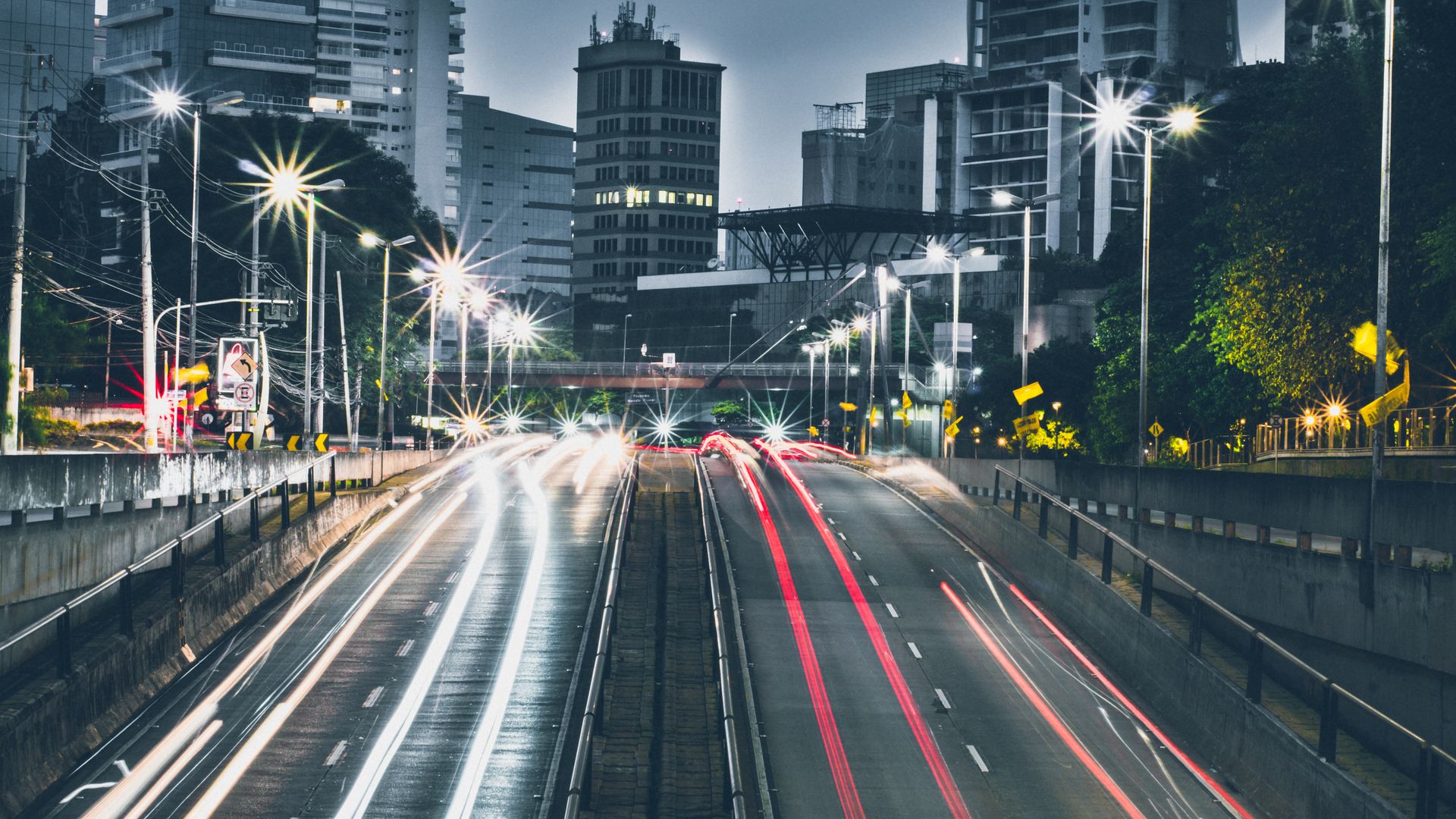
Mastering Mobility in Singapore in 2026
Navigate one of the most advanced transport systems in the world. From the ultra-modern MRT to sustainable mobility options, everything French-speaking expats need to know.
Excellence in the Urban Transport Network
Singapore is renowned worldwide for the efficiency, cleanliness and punctuality of its public transport network. In 2026, the city-state has raised the bar once again with the full automation of new metro lines and seamless integration of micromobility options. Whether you are a newcomer in the midst of settling in or a long-term resident, understanding how local mobility works is essential for optimising your budget and cost of living.
Thanks to the Land Transport Authority (LTA), the city follows a "Car-lite" vision aimed at reducing dependence on private cars. The result: a network density that allows 80% of households to live within a 10-minute walk of a metro station.
The Pillars of Your Journeys
The MRT & LRT
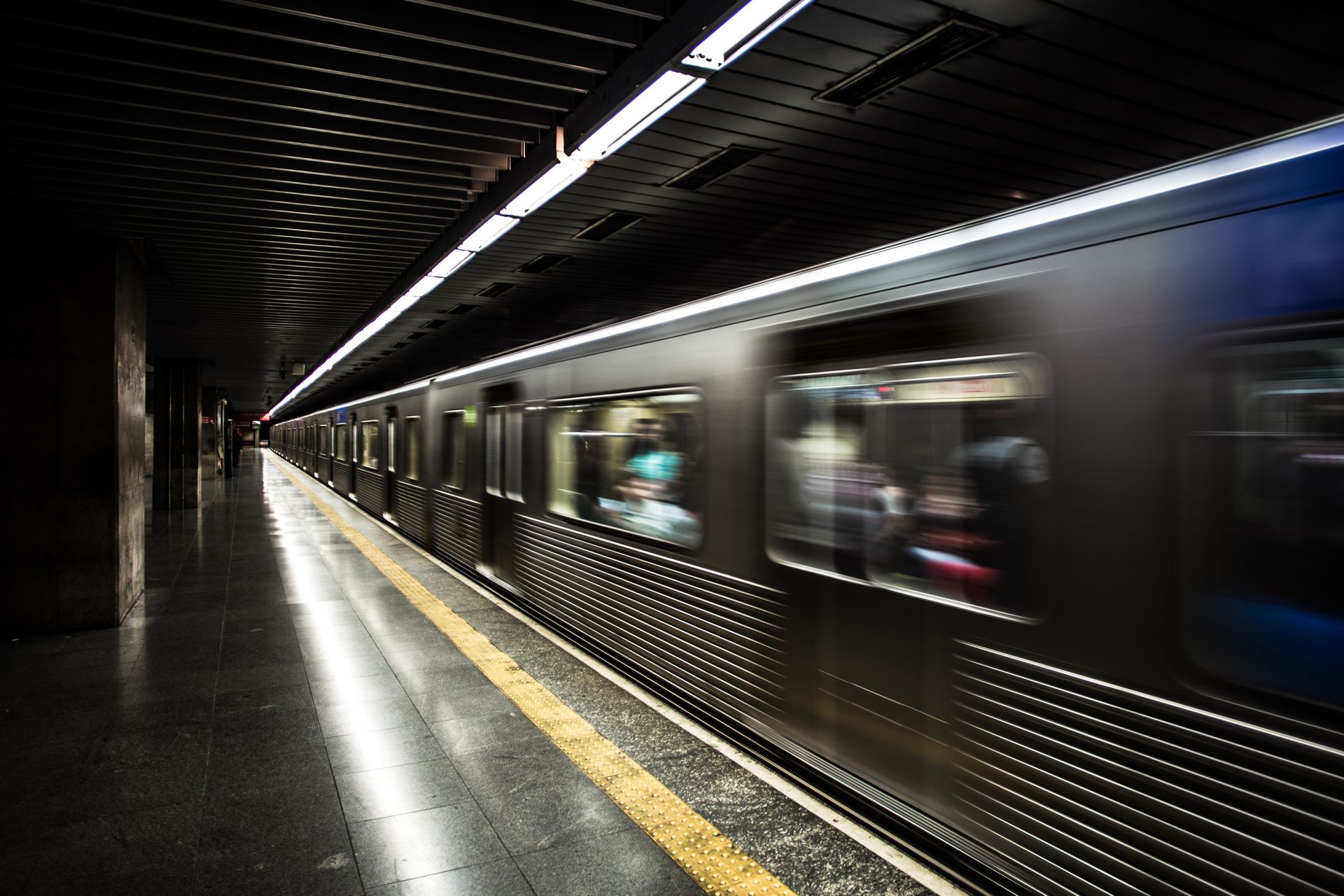
An underground network covering the entire island. Immaculately clean, fully air-conditioned, with trains every 2 minutes during peak hours.
- ✔ 6 major lines (North-South, East-West, Circle, etc.)
- ✔ Contactless payment via SimplyGo
- ✔ Fully accessible for people with reduced mobility
Bus Network
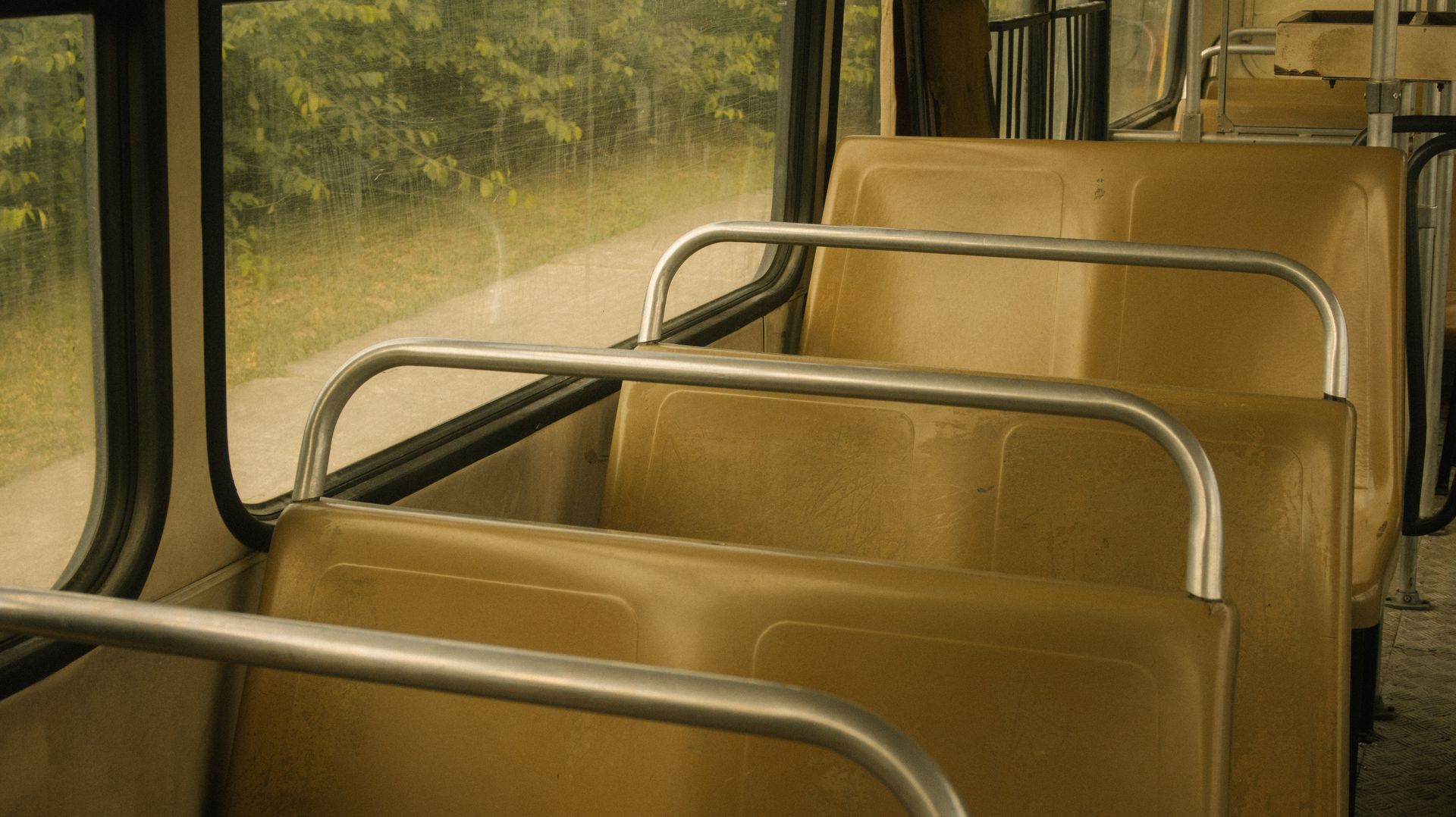
More than 350 routes reaching every corner of the island. Ideal for admiring the urban landscape while enjoying air conditioning.
Complete bus guide →Taxis & Ride-hailing
Grab, Gojek, Tada and Ryde dominate the market. Traditional taxis (ComfortDelGro) remain ubiquitous at designated taxi stands.
Beware of peak-hour surcharges!
Own a car?
An absolute luxury in Singapore. With the COE (Certificate of Entitlement) often exceeding SGD 100,000 and ERP (Electronic Road Pricing), a car is a major financial commitment.
Explore the costsThe MRT: The Beating Heart of the City
The MRT (Mass Rapid Transit) network is the backbone of mobility. In 2026, the extension of the **Thomson-East Coast (TEL)** line is fully operational, linking the north with the heart of the business district and the eastern beaches in record time.
How It Works & Timetables: Trains generally run from 5.30am to midnight. During peak hours (7.30-9am and 6-7.30pm), frequencies can be as low as 90 seconds. All stations are equipped with automatic platform screen doors for maximum safety.
SimplyGo & Payment: Forget paper tickets. Singapore uses the **SimplyGo** system. You can pay for your journeys directly with your Visa/Mastercard (including Apple Pay/Google Pay) or an EZ-Link card. Fares are calculated by distance.
Expat tip:
If you use a foreign bank card, check your bank's transaction fees. For everyday use, the local EZ-Link card is often the clearest option for managing your budget.

Monthly Transport Budget Calculator
Estimate your spending based on your lifestyle in 2026.
Note: Calculations are based on average 2026 fares ($1.80 per public transport journey and $18 per average ride-hailing journey).
The Bus: Comfort and Convenience
Singapore's bus network is impressively dense. Unlike the metro, it lets you enjoy the city's lush greenery. All buses are air-conditioned, a considerable advantage in the equatorial climate.
Signalling: At the stop, you must signal to the driver for the bus to stop.
Tap-on and Tap-off: You must tap on when boarding and tap off when getting off through the rear door. If you forget, you will be charged the route's maximum fare.
Useful Apps: Use **Citymapper** or the official **MyTransport.sg** app to see bus arrival times to the minute.
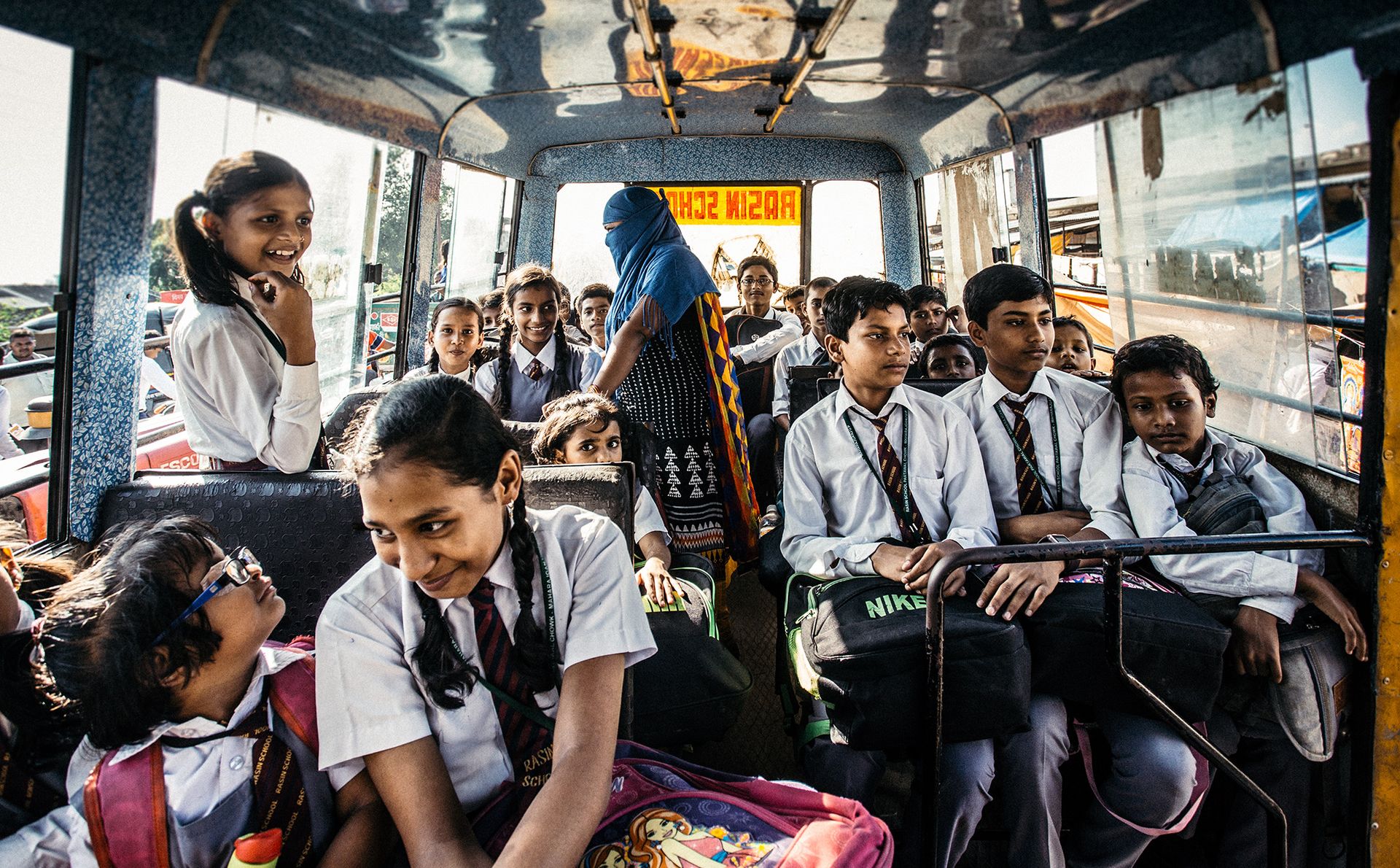
Taxis & Ride-hailing: When comfort comes first
Grab
The undisputed leader. A super-app including food delivery and payments. GrabShare helps reduce costs by sharing the ride.
ComfortDelGro
The largest traditional taxi fleet. Reliable, with official meters. The Zig app is excellent for booking.
Gojek
Often the best value for money. Very popular during peak hours, with fares sometimes more competitive than Grab.
Tada / Ryde
The challengers. Tada does not charge drivers a commission, which can translate into better fares for you.
Did you know?
In Singapore, you do not hail a taxi in the street in the city centre. You must go to a **Taxi Stand** (often outside shopping centres or hotels). Outside the centre, you can try your luck, but mobile apps are now the absolute standard for 90% of journeys.
Alternative Mobility & Tourism
For a Sunday outing or to discover the city from another angle.
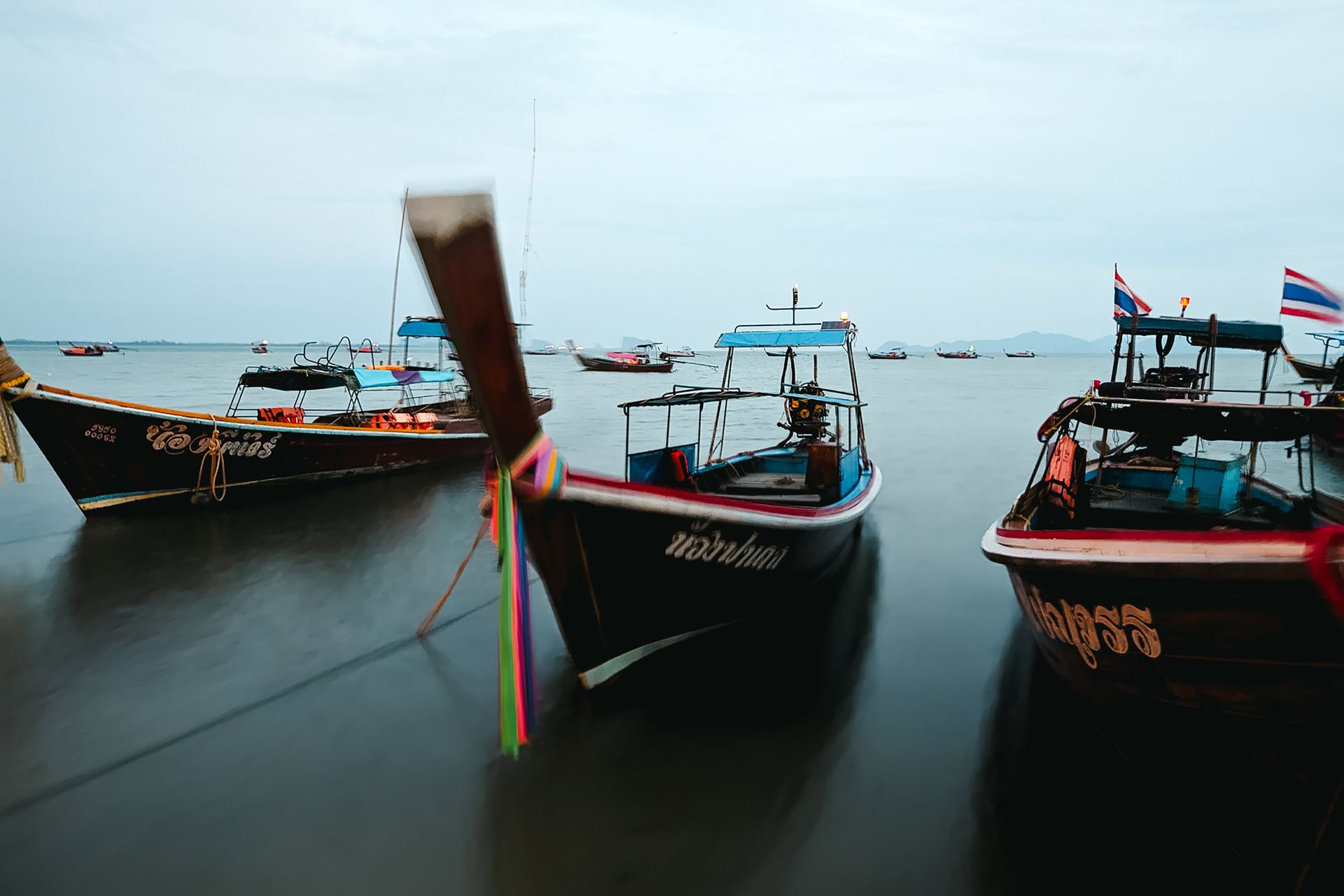
Singapore River Bumboats
Explore Marina Bay and Clarke Quay by water. A romantic and historic way to see the skyline.
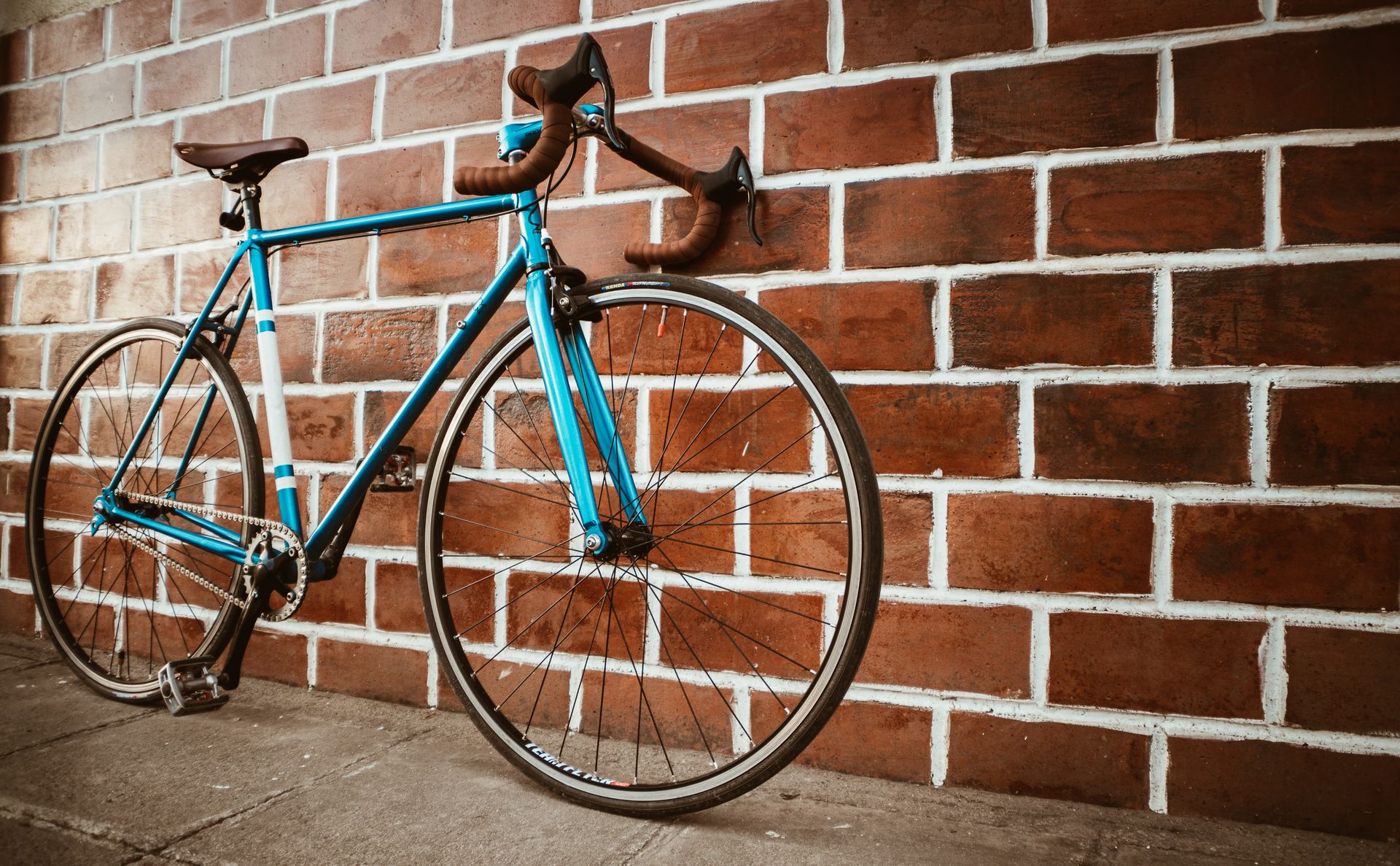
Bikes & PCN
The Park Connector Network (PCN) allows you to cross the island by bike in the shade of the trees. More information here.
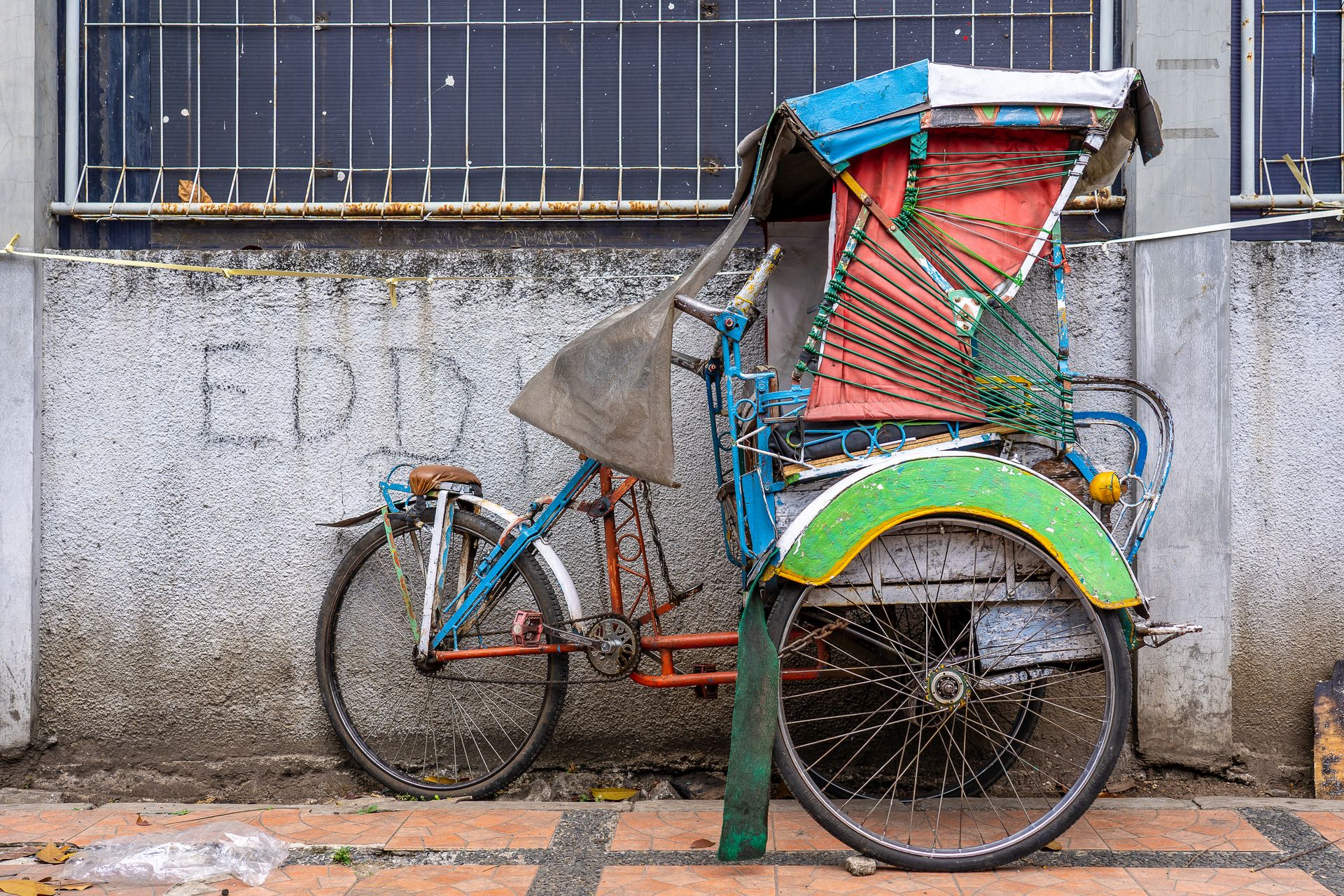
Trishaws Heritage
Mainly found in Bugis or Little India, these cycle rickshaws are perfect for a nostalgic cultural experience.
Driving in Singapore: The Survival Guide
"Why does my car cost as much as a flat?"
● The COE System
The Certificate of Entitlement (COE) is the right to own a vehicle for a period of 10 years. The government limits the number of COEs available to control congestion. Prices are set through fortnightly auctions.
In 2026, expect to pay between 90 000$ and 120 000$ just for the right to drive, before even buying the car.
● ERP (Electronic Road Pricing)
Singapore pioneered electronic urban road pricing. Gantries automatically charge your vehicle when you pass through congested areas at certain times.
Every car is fitted with an "In-vehicle Unit" (IU), into which you insert a stored-value payment card.
Converting your driving licence
If you become a resident (PR or Pass holder), you have one year to convert your foreign driving licence. You will need to take the **Basic Theory Test (BTT)**, a local road code test. More information on the administrative procedures.
Frequently Asked Questions About Transport
Can I drink water on the MRT?
Strictly prohibited. Eating or drinking (even water) on trains or in stations is punishable by a fine of 500 SGD. Cleanliness is sacred.
What is the best app for getting around?
**Citymapper** remains the favourite among expats for its accuracy, but **MyTransport.sg** (the official app) provides real-time data on crowds in stations.
Do children have to pay for transport?
Children under 0.9m travel free. Above that height and up to the age of 7, they can obtain a free "Child Concession Card" through service centres.
How do I get to Changi Airport?
The green line (East-West) serves the airport. Allow around 45 minutes from the city centre. By taxi, allow 25-35 SGD depending on the time.
Do buses run all night?
No. Most services stop around midnight. There used to be "NightRider" services, but these have been discontinued or replaced by limited trials in 2026. Use Grab or Gojek after midnight.
Is cycling safe in Singapore?
On the PCN cycling paths, yes. On the road, it is riskier because traffic is heavy. Helmets are compulsory and high-powered lights are recommended.
How can I pay for my taxi if I do not have cash?
Almost all taxis accept Nets, Visa/Mastercard and PayNow. Be aware that a 10% surcharge may apply to card payments in some traditional taxis.
What is the ERP 2.0 road-pricing system?
It is the new satellite-based (GNSS) version introduced around 2024-2025. It no longer requires large physical gantries and enables more precise billing.
Can I take a bicycle on the MRT?
Yes, folding bicycles are allowed at any time as long as they comply with the size limits (120cm x 70cm x 40cm). Non-folding bicycles are not allowed.
Is it easy to find a taxi in the rain?
It is the ultimate challenge! As soon as a storm breaks, demand soars and ride-hailing prices double. Plan your journeys ahead if it is raining.
In Singapore, getting around is not just a matter of knowing a metro line or bus number. It is a small system to understand if you want to save time, keep your budget under control and avoid nasty surprises when it is time to pay. For French-speaking families living in the city-state, the subject quickly becomes practical: school, shopping, medical appointments, commuting, weekend outings and airport transfers all depend on smooth, well-chosen transport. Singapore’s transport system is based on a logic that seems simple but is highly effective in practice: a dense public network, well-designed apps, almost universal contactless payments and useful private alternatives when the timing or luggage makes a journey more demanding.
What often surprises newcomers most is the gap between ease of use and the variety of rules to know. A journey may cost barely more than one Singapore dollar, while a simple detour in a private car can send the bill soaring because of urban road pricing, time-based surcharges or dynamic pricing. The good news is that getting around Singapore becomes easy to understand once you know the basics: how much a normal month costs depending on your profile, which apps are best for planning your route, how to avoid the busiest times, when the MRT remains unbeatable and when taking a taxi or Grab makes the most sense. To get around Singapore without wasting time, you mainly need to see the city as a network, not simply as a map.
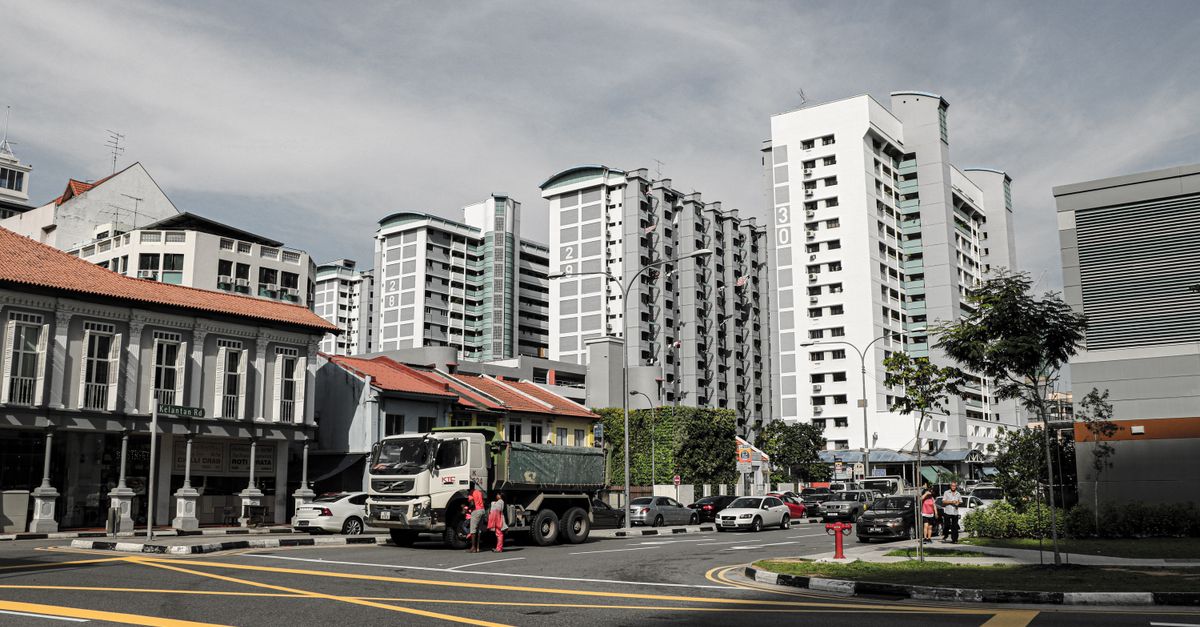
Comparing monthly transport costs in Singapore by user profile
Transport budgets in Singapore vary widely depending on your lifestyle, commuting distance and occasional use of private hire services. For a student living near an MRT line, monthly spending can remain very low. For an employee combining the metro, buses and a few ride-hailing trips after an evening out or a late appointment, the bill rises but often remains manageable compared with owning a car. For families, the real factor driving costs up is not just the number of journeys: it is mainly the unexpected trips, group errands, school schedules and travelling to several neighbourhoods on the same day.
With an EZ-Link card or a contactless bank card, public transport fares are still calculated by distance, giving you a fairly clear view of your spending. Without claiming that official prices are fixed, it is reasonable to allow for a range of 1,09 to 2,97 SGD for a standard MRT or bus journey, depending on the distance travelled. Someone making two journeys per working day, five days a week, may therefore spend around 50 to 130 SGD per month if they use almost exclusively the public network. Add a few taxi or Grab journeys, and an active employee will more often be closer to 120 to 220 SGD per month, sometimes more if they travel home late.
For a student, the most common scenario looks something like this: a campus–accommodation round trip on weekdays, a few outings at the weekend, and occasional journeys to libraries, shopping centres or leisure venues. In this case, the monthly budget often falls between 35 and 80 SGD when train and bus remain the main options. The cost rises if the accommodation is outside the central areas or if the student regularly uses ride-hailing services to get home after midnight. A family, on the other hand, may have a less consistent budget: a parent accompanying a child to school, extracurricular activities, visits to relatives and the Saturday shopping. In a household with two adults and one or two children, a realistic monthly range for everyday transport is frequently between 120 and 260 SGD when prioritising public transport, and higher if several private journeys are added each week.
The key point is not just the total amount, but the cost structure. In Singapore, a public transport journey remains predictable, whereas a taxi may seem reasonable over a short distance and become significantly more expensive as soon as a peak-hour surcharge, an app booking or a journey through a road-pricing zone is involved. This is particularly true for families who add up lots of short journeys, as the total cost of these “convenience” trips eventually weighs more heavily than one long journey. A simple rule is a great help: the more regular the journey, the more cost-effective public transport becomes; the more occasional, demanding or late the journey, the more a private option may make sense.
Here is a useful guide to help visualise the approximate figures:
| Profile | Main usage | Realistic monthly budget | Practical comment |
|---|---|---|---|
| Student | MRT + bus, occasional ride-hailing | 35 to 80 SGD | Cost-effective if the accommodation is close to the network |
| Employee | Public transport + a few private journeys | 120 to 220 SGD | Late returns quickly push up the total |
| Family | Multiple journeys, outings and school runs | 120 to 260 SGD | Group trips and irregular hours make a big difference |
The real way to save money in Singapore is therefore to choose the right combination. A household that reserves ride-hailing services for situations where they are genuinely useful can keep its monthly costs reasonable; a household that uses them out of habit will see its budget tighten quickly. The right comparison always starts with the usage profile, not the advertised price of a single journey.
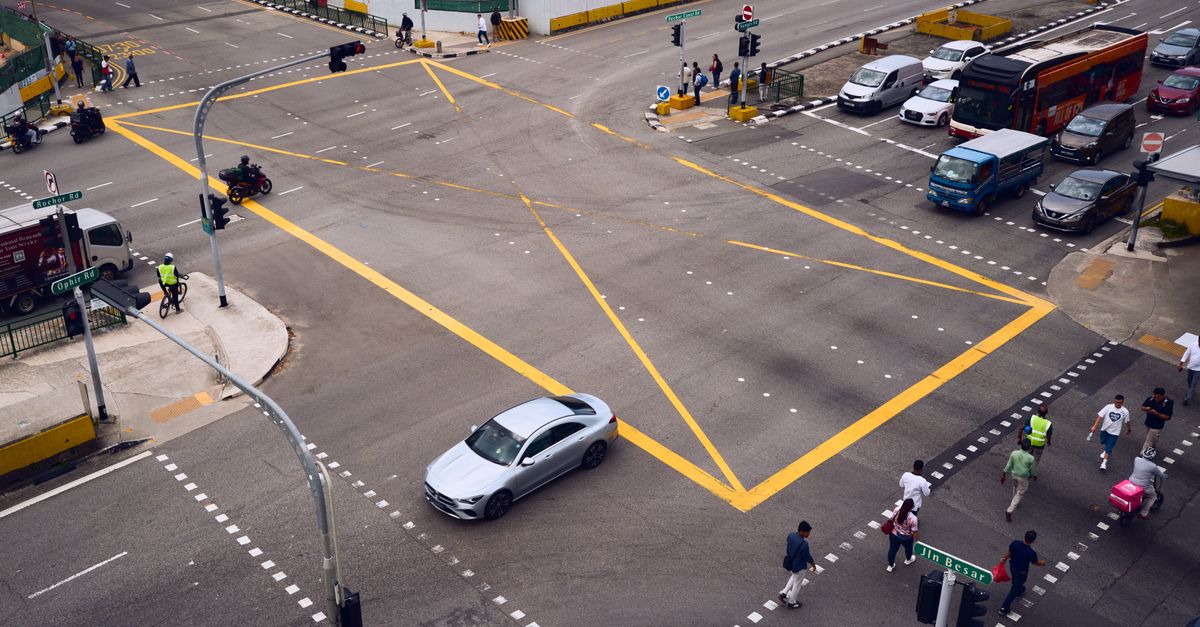
Essential apps for planning and paying for journeys without a physical card
In Singapore, an app is not just a convenience: it often becomes the key to an efficient journey. Newly settled families, busy employees and visitors passing through can all benefit from knowing the tools that simplify planning, payment and anticipating connections. The system centres on a few highly practical apps: Grab and Gojek for ride-hailing, SimplyGo for cashless payments on public transport, and MyTransport.sg or a metro-focused app such as Singapore MRT app for organising journeys in real time.
SimplyGo allows you to pay for MRT and bus journeys with a contactless bank card or a compatible mobile wallet, without taking out a dedicated physical card. The principle is simple: you “tap” in and out, and the system automatically calculates the distance-based fare. For a short stay or for anyone who does not want to manage a stored-value card, it is extremely convenient. The benefit is even clearer when a family already has several compatible bank cards. There is, however, one basic rule to follow: always use the same card to avoid confusion when tracking journeys, and check your statements regularly if several household members travel using different payment methods.
MyTransport.sg, which draws on official LTA data, helps you plan journeys with valuable reliability. The app provides real-time timetables, any disruptions, estimated journey times and bus or MRT routes. For getting around Singapore, it is often safer than relying on multiple third-party tools, especially for a journey during peak hours or a tight connection. Singapore MRT app, meanwhile, is useful for viewing the rail network quickly, locating the station closest to a neighbourhood and understanding which line best serves a particular area. In practice, many residents combine MyTransport.sg for reliable data with Google Maps for immediate clarity.
Grab remains the best-known private mobility app. It displays the price before you confirm, which is reassuring when budget matters. It is useful both for a short ride to a restaurant and for a more demanding transfer with children and luggage. Gojek plays more of an alternative role, often appreciated when Grab is busy or when the journey is cheaper outside peak times. The main principle is simple: Grab offers coverage and predictability, Gojek provides a competing option that is sometimes better value, and both are especially useful when public transport is less suited to the circumstances.
When planning a journey, the most effective method often looks like this:
- find the nearest MRT station or bus stop on MyTransport.sg or Google Maps;
- check the actual journey time rather than a theoretical estimate;
- choose contactless payment via SimplyGo if the journey uses the public transport network;
- book Grab or Gojek only if the time, weather, luggage or schedule makes it worthwhile;
- allow extra time in case of a complex connection or sudden rain.
This approach avoids scattering your efforts across too many options. It also makes it quick to identify the most sensible mode of transport for the circumstances. A meeting at 8.30am in the city centre requires different preparation from a 11.50pm return after a family dinner. An app is therefore not a gadget: it acts as a filter for making quick, sound decisions.
Driving in Singapore: avoiding peak hours and ERP zones
Driving in Singapore may seem convenient at first, especially for a family with children, a pushchair, sports bags or bulky shopping. However, once you look at the actual costs, the idea becomes much less appealing. Beyond the very high vehicle price due to the Certificate of Entitlement system, you need to factor in parking, petrol, maintenance, traffic restrictions and, above all, ERP charges, meaning Electronic Road Pricing. This system is not like a simple fixed toll: it varies according to the roads, time periods and congestion levels targeted by the authorities.
The first rule for anyone considering driving is to understand which times to avoid. Weekday rush hours generally fall between 8am and 9am in the morning, then between 5pm and 7pm. During these periods, some roads slow down considerably, city-centre car parks become less pleasant and journeys quickly turn into a series of minor delays. Trips towards the Downtown Core, Orchard, Marina Bay or the business districts can then become noticeably less smooth than outside these hours. The result is simple: a car does not necessarily bring more freedom; it may instead impose a timetable.
ERP deserves particular attention because it changes the logic of a journey. Whereas other cities charge an occasional toll, Singapore uses this system to regulate traffic according to actual congestion. In practice, this means that drivers must anticipate not only their route, but also the exact time they will pass through. A road that looks short on the map can become expensive if it crosses several zones with active charges. Taxis and some private-hire vehicles are not entirely exempt from this logic either, as the costs may be passed on in the final fare.
To limit unpleasant surprises, a few habits can make a real difference. Leaving a little earlier or later than the main flows is sometimes enough to make the journey less stressful. Using major roads outside the busiest periods, opting for park-and-ride car parks where appropriate and checking traffic conditions before setting off are all useful habits. In residential neighbourhoods with good MRT connections, it is often smarter to leave the car in the car park and complete the journey by train. This is particularly true for appointments in the centre or evening outings, when looking for a parking space can cost as much as the journey itself.
A practical example helps explain the logic. A family living in the east and travelling to Orchard for Saturday lunch may find the car convenient if the aim is to carry bulky items and avoid several changes. However, for the same journey on a Tuesday morning towards the centre, it may become less straightforward, slower and more expensive because of tolls and parking. The choice is therefore not ideological, but functional. In Singapore, you do not “take the road” on principle; you choose it when it offers a genuine advantage.
The most effective approach is often to think in terms of occasional use. For an important appointment, an outing with young children or a trip home with a full load of supermarket shopping, a car remains an option. For daily journeys, public transport is still more practical, easier to understand and far less exposed to hidden extra costs. This is where good planning saves both time and money.
Journeys to Changi Airport and long-distance travel: when time and luggage change everything
The journey to Changi Airport is a good illustration of Singapore’s approach. On paper, the MRT offers a direct, affordable and reasonably comfortable solution for one person or a couple with a manageable amount of luggage. The journey from the city centre generally takes 30 to 40 minutes and often costs around 1,89 to 2,39 SGD, depending on the precise destination and the sequence of changes. If you are starting from a well-connected station, the option is remarkably efficient, especially during the day.
But everything changes when it is late, there are several suitcases or a child falls asleep at the wrong moment. In these situations, a taxi or Grab naturally has the advantage. A metered taxi from Changi to central Singapore often costs around 25 to 35 SGD before surcharges, which may include night-time or airport pick-up fees. Grab may be slightly cheaper, or simply easier to understand thanks to the price shown in advance. For a family, this certainty matters just as much as the difference of a few dollars. Who wants to calculate extra charges after getting off a plane, with two bags and a tired child?
The airport shuttle is another option, and one that is often underestimated. It is particularly useful for travellers staying in hotels served along its route, especially in business districts. Its main advantage is the price, often around 9 SGD per person, which can be attractive for solo travellers. The downside is obvious: multiple stops increase the total journey time, and the service is not designed for those who want to travel quickly or arrive at the exact time of an appointment. For families, this option is not necessarily the most comfortable if the children are tired or the luggage is bulky.
Long-distance travel in Singapore follows the same principle. The more changes a journey involves, the more important comfort becomes. Travelling to areas such as the far east, some outlying parts of the west or beaches poorly connected to railway stations may require an additional bus or a private-hire vehicle for the final connection. In such cases, the point is not to pit different modes of transport against each other, but to combine them intelligently. MRT to a major interchange, bus to the exact neighbourhood, then Grab if the luggage or the time makes the final stretch difficult: this combination is often the most efficient.
It is also worth thinking about the return journey. A departure at dawn may be easier to manage by ride-hailing service or taxi than by public transport, while a daytime arrival means keeping the MRT as the preferred option. Families staying in a hotel near a station should often check not only the outward route, but also return access after the flight. Real comfort is not measured solely by the price, but by the energy saved when the journey comes to an end. In Singapore, the best transfer is the one that makes you forget the logistics.
Comparing the MRT, buses, taxis and Grab in Singapore: speed, budget, comfort and accessibility
When it comes to making an informed choice, nothing beats a practical comparison. The MRT remains the benchmark for speed along major routes, buses provide detailed coverage of neighbourhoods, taxis offer immediate availability, and Grab adds fare visibility to flexibility. The right choice therefore depends on the situation: time, exact destination, luggage, reduced mobility, weather, children and tiredness. A clear table makes things easier to see at a glance, especially when you have to decide after work or in the middle of a day of sightseeing.
| Mode | Speed | Cost | Comfort | Accessibility for people with reduced mobility | Most suitable use |
|---|---|---|---|---|---|
| MRT | Very fast on main routes | Very low, SGD 1.09 to 2.97 depending on the distance | High, air-conditioned and reliable | Good, with lifts at most stations | Daily journeys, city centre, efficient connections |
| Bus | Variable, sometimes slower | Very low, similar to the MRT | Adequate, depending on traffic | Good to average depending on the stop and the vehicle | Neighbourhoods not served by rail, local connections |
| Taxi | Fast door-to-door if traffic is flowing | Medium to high with surcharges | High, convenient with luggage | Often good, depending on the vehicle | Late return journey, rain, suitcases, direct route |
| Grab | Fast if a driver is available | Variable, price shown before confirmation | High to very high depending on the service | Variable depending on the journey selected | Predictable journeys, families, unusual hours |
This comparison highlights a simple reality: the best mode of transport is not the one that wins in every category, but the one that best meets the constraint of the moment. The MRT is unbeatable for sticking to a budget and crossing the city quickly. Buses become invaluable when the final destination is away from the rail network. Taxis are useful when immediacy matters more than price. Grab adds a layer of clarity, which is often reassuring for families and newcomers. To decide quickly, a practical rule works well: if the journey is regular and predictable, go public; if it is late, involves heavy luggage or needs to be very direct, go private.
Accessibility also deserves a straightforward look. The newest MRT stations and many buses are well adapted, but some walks to the station can still be more tiring with a pushchair or wheelchair. In that case, the perfect route on paper may be less practical in real life. This is why it is worth switching between modes rather than looking for an absolute winner. In Singapore, the smartest way to get around is often a hybrid one.
For expats who want to take a closer look at settling in day to day, housing choices also influence how they get around. A very well-connected neighbourhood can significantly change daily spending and comfort, which is reflected in transport decisions as well as housing decisions. Our guide to housing in Singapore helps show just how much a neighbourhood’s urban structure influences journeys and transport habits.
To keep a practical overview of everyday choices, a few habits can save time:
- choose the MRT for main routes and normal traffic hours;
- use the bus for the last few kilometres to outlying neighbourhoods;
- book a taxi or Grab for luggage, rain and journeys home after midnight;
- check peak hours before deciding to drive;
- check the return journey before entering an attraction or a less central neighbourhood.
It is these small, repeated choices that make getting around Singapore as smooth as it appears. Behind the apparent efficiency, there is above all a highly rational way of combining options according to the context.
Families and new residents sometimes forget that price is only part of the equation. Clarity, tiredness, the climate, luggage and departure time all affect the real cost of a journey. A slightly longer public-transport journey may be worth far more than a private ride if it avoids waiting, a connection or walking in tropical rain. Conversely, taking a ride-hailing service out of habit can send a budget soaring without providing any real benefit. The quality of Singapore’s transport lies precisely in this fine balance between saving money and comfort.
Frequently asked questions about transport in Singapore
Do you need an EZ-Link card to use public transport in Singapore? ▼
No, a compatible Visa or Mastercard contactless bank card is sufficient in most cases via SimplyGo. An EZ-Link card remains useful for those who prefer a dedicated, reloadable card or who want to keep better control of their transport spending.
How much should you budget per month for getting around Singapore? ▼
A student can often get by on between SGD 35 and 80, an employee on between SGD 120 and 220, and a family on between SGD 120 and 260, depending on how often they use private transport. Costs rise quickly once taxis and Grab become regular habits.
Is Grab cheaper than a taxi in Singapore? ▼
Not always. Grab often displays the price in advance, which provides clarity, but fares can rise according to demand. Metered taxis can remain competitive outside peak hours, while Grab is often more convenient for setting a budget.
Is it better to take the MRT or a taxi to Changi? ▼
The MRT is generally the best choice during the day if your luggage is manageable, with a journey of around 30 to 40 minutes from the centre. A taxi or Grab is more comfortable late in the evening, with lots of suitcases or when you want to avoid changing trains.
Is driving in Singapore a good idea? ▼
For everyday use, rarely. Car costs, ERP tolls, parking and congestion times make driving much less attractive than the public transport network. A car only makes sense for certain very specific journeys or when family logistics make it necessary.
Ready to explore Singapore?
Now that you have mastered the transport system, it’s time to choose your ideal neighbourhood or plan your daily budget. The MRT also provides direct access to most major shopping centres: see our Singapore shopping guide.