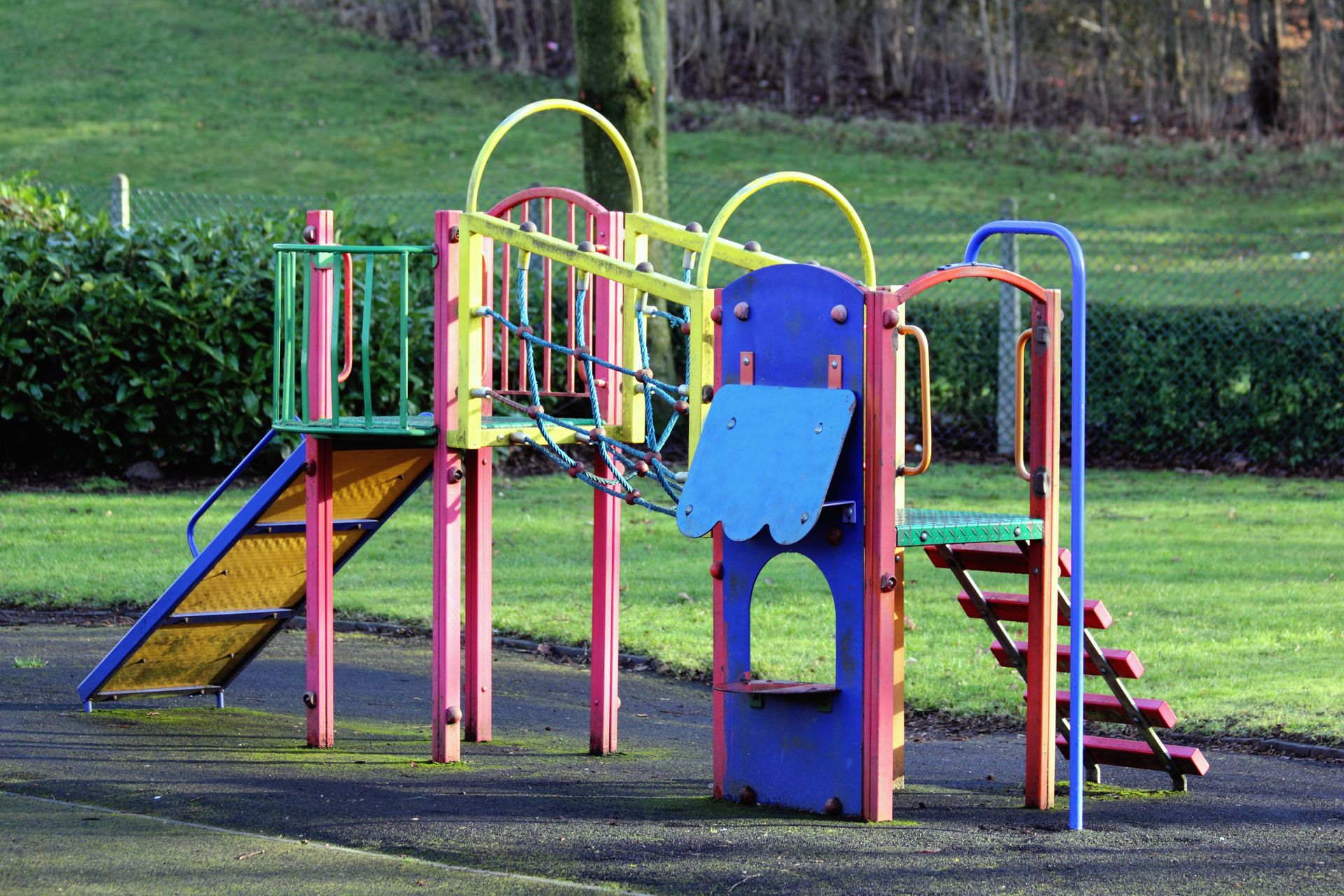

Children playing in Singapore
2026 Edition

Helping Your Children Thrive in Singapore

Discover the ultimate guide to keeping your children and teenagers occupied, educated and entertained in the "Garden City". From futuristic theme parks to tropical hiking trails, give them an extraordinary childhood.

Why is Singapore a paradise for expat families?

In 2026, Singapore continues to top global rankings for families' quality of life. With absolute safety, world-class infrastructure and nature everywhere you look, the city-state offers an exceptional playground for young French-speaking children.

Moving here with children requires some organisation, particularly when choosing a school (see our education guide), but once you have found your bearings, the opportunities for outings are endless. Whether you are looking for activity ideas for bringing children and teenagers together as a family or specialist sports clubs, this guide brings everything together.

400+ Parks and Green Spaces
98% Perceived Safety Index
Family in Singapore

A world of possibilities

Explore the four main pillars of entertainment for young people in Singapore.

Nature & Outdoors

From the MacRitchie treetops to futuristic gardens. Perfect for curiosity and physical activity.

Explore the parks →
Nature

Sport & Adrenaline

Football, swimming, as well as parkour and ultra-modern skateparks at East Coast.

View the clubs →

Culture & Discovery

Interactive museums and art workshops.

Indoor Workshops & Leisure

Beat the monsoon with hands-on activities: robotics, pottery or air-conditioned trampoline parks.

STEAM Crafts Indoors

Reconnect with the essentials: A tropical adventure

Singapore is not just a concrete jungle. For a child, it is a living laboratory. The benefits of contact with nature are well established: reduced stress, sensory stimulation and enhanced creativity.

Our favourite escapes:

  • 01.
    The MacRitchie Treetop Walk: A suspension bridge above the rainforest. Your teenagers will love the physical challenge and taking selfies with the macaques (from a distance!).
  • 02.
    Jacob Ballas Children’s Garden: The first garden in Asia dedicated entirely to children. Learn about ecology while having fun in treehouses.
  • 03.
    Cycling on Pulau Ubin: A journey back in time. Hire bikes for the whole family and discover the island's last kampongs (traditional villages).

"Contact with soil and plants develops fine motor skills and an inner sense of calm that screens cannot provide." - Child development expert.

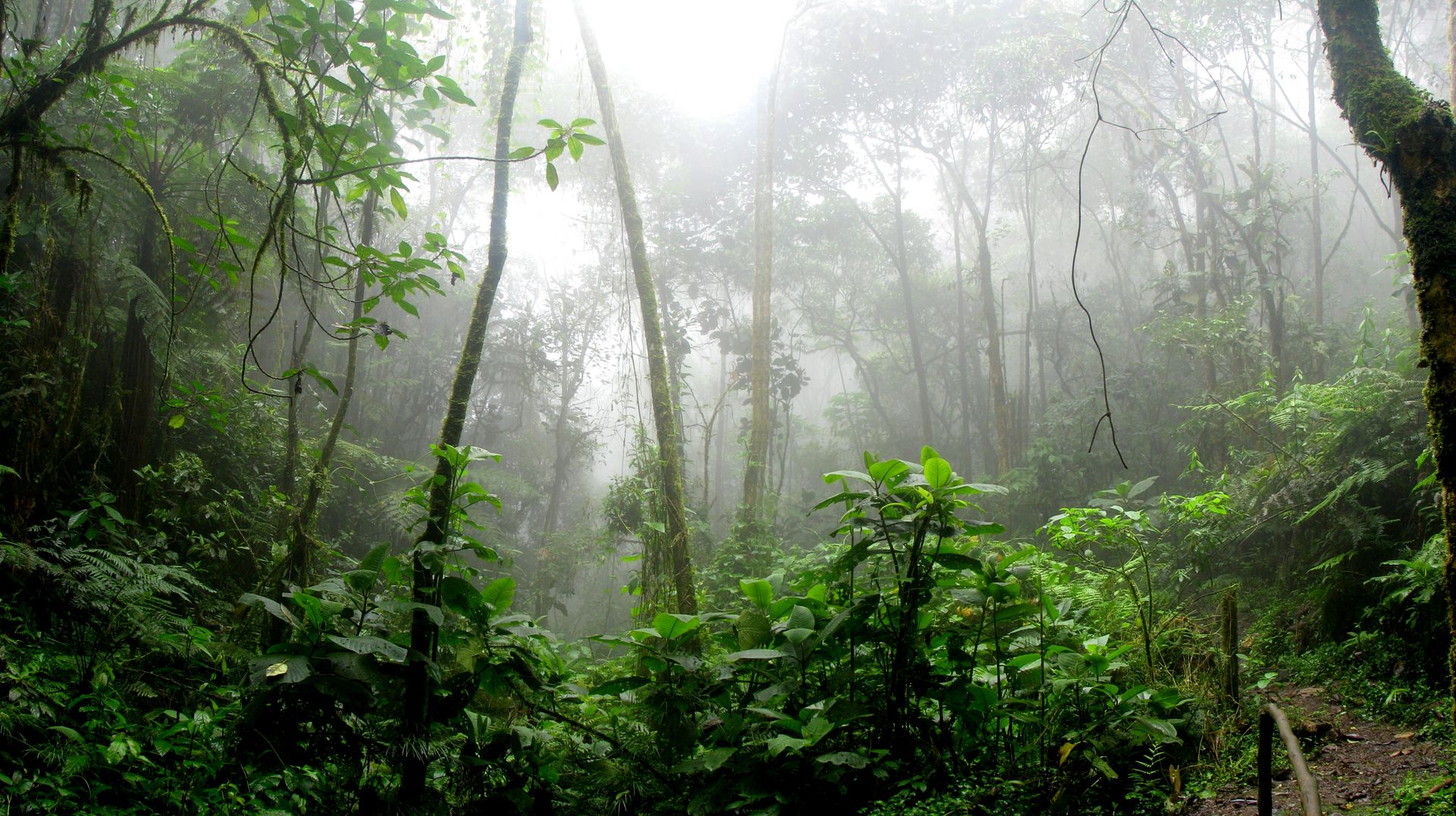
Singapore Park Hiking Forest Lake

Find the ideal activity

Use our smart simulator to get a personalised recommendation.

Sport: Building body and mind

In Singapore, sport is not just physical activity; it is a major way for expat children to socialise. Taking part in extra-curricular sports activities makes it easier to integrate into the French-speaking or international community.

Essential Classics

  • • Swimming (Essential given the climate)
  • • Football (Clubs such as ANZA or LFA)
  • • Tennis (Facilities in every condo)

Originality & Thrills

  • • Parkour & Trampolining (Bounce Singapore)
  • • Climbing (Climb Central)
  • • Wakeboarding (Singapore Wake Park at East Coast)

Psychological Benefits

Sport in Singapore helps children cope with homesickness, builds self-confidence during life changes and teaches discipline in a multicultural environment.

TEENAGER FOCUS (12-17 years)

Capturing your teenagers' interest

Going out with a teenager in Singapore can be a challenge. They need independence and "Instagrammable" experiences. To limit screen time, prioritise activities with a strong social dimension.

1

Dhoby Ghaut Escape Games

Build teamwork and logical thinking under pressure. An absolute favourite among activities for young people aged 12–17.

2

Creative Co-working Spaces

Discover places like *The Projector* or co-working centres where they can explore content creation.

3

Youth Volunteering

Get them involved in volunteering activities to raise their awareness of local and regional issues.

Teenagers

"Give them the freedom to choose the day’s itinerary—Singapore is one of the safest cities to explore alone!"

Monsoon & Heat: Activities at Home

Painting

Visual Arts

Make recycled paper or try stop-motion workshops on a smartphone. Perfect for developing patience.

Cooking

Little French Chef

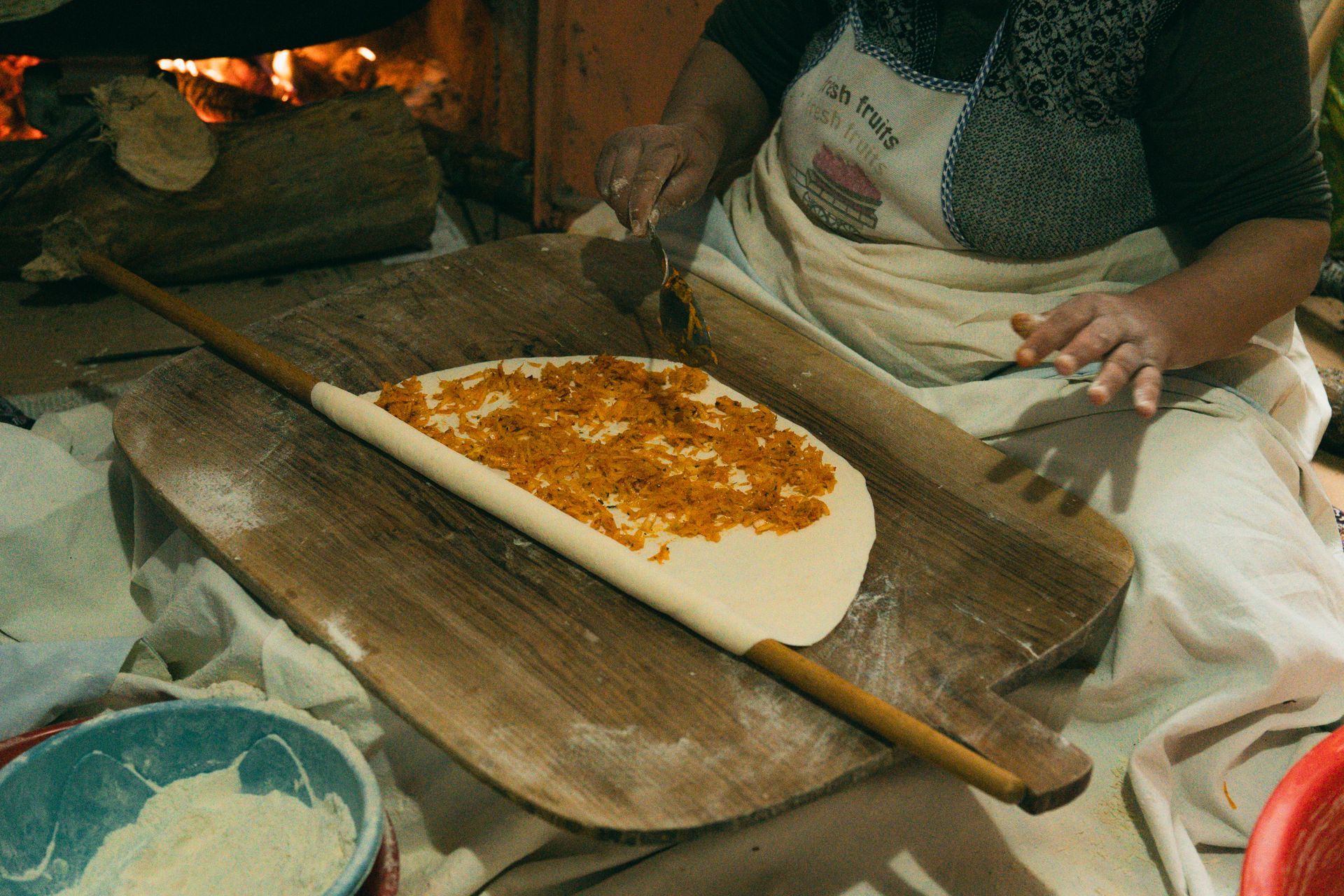
Learn to make crêpes or local pastries such as Pandan Cake. An educational treat.

Coding

Robotics & Coding

Programme a mini drone or build complex technical LEGO sets.

Board Games

Strategic Games Evenings

Organise modern board game tournaments to strengthen family bonds.

For more ideas, see our top activities to do at home.

Children’s Activity Comparison Tool in Singapore

Choose the ideal activity based on age, weather and budget

Quickly filter family leisure ideas to find the activity best suited to your child and the day in Singapore.

0 activity(ies) displayed

Indicative budget for children’s activities in Singapore in 2026

Budget is a key consideration, as Singapore can quickly seem expensive when you add up admission fees, meals and transport. The good news is that there is a real difference between free outings, low-cost activities and more premium experiences. Parks such as East Coast Park and certain areas of Gardens by the Bay are very affordable, or even free for much of the route. Free water play areas and nature walks make it possible to put together genuinely enjoyable half-days without costs spiralling. This is a major advantage for larger families or those who want to travel around Asia for a longer period while keeping to a budget.

Museums, specialist gardens and some water-based activities, however, require a mid-range budget. It is better to allow for reasonable price ranges rather than fixed amounts, as prices vary according to age, combined offers and the time of year. In practice, many families budget for tickets ranging from a handful of Singapore dollars for small cultural venues to higher amounts for Sentosa’s major attractions or observation decks. Meals are another factor: at hawker centres, a family can often eat well for little money, whereas a tourist restaurant or a venue with a view will push up the bill. The difference between these two options is clear, and it matters to the overall balance of the trip.

The best approach is to spread out your spending. A “free” day in a park can offset a more expensive outing the following day. Lunch at a hawker centre is often enough between visits, while a restaurant in Marina Bay can be saved for a special evening. For expat families, this approach works even better over time, as it allows you to make Singapore part of everyday life without constantly feeling as though every outing has to be a special occasion. The table below provides a simple overview of the typical price ranges, helping you plan without surprises.

Type of activity Indicative range per child Indicative range per adult How to optimise
Park, walk or free water play area Free to low cost Free to low cost Bring water bottles, caps and snacks
Interactive museum / cultural venue Moderate Moderate to medium Choose combined tickets where available
Water park / major attraction Medium to high Medium to high Set aside a full day for it
Indoor playground / library low to moderate often low-cost or free Go in the late morning or when it rains
Extracurricular class / club varies depending on the duration varies Try a taster class before committing to a long-term enrolment

Singapore with children by age: babies, young children and teenagers

The choice of activities changes considerably depending on age, and Singapore is very well suited to this. With babies, comfort is the priority: shade, easy-to-manoeuvre prams, frequent breaks and places where you can sit down without stress. Gardens, certain waterfront walks and air-conditioned spaces become your best allies. Parents particularly appreciate places where it is easy to change plans or get back quickly by public transport. At this age, a successful outing does not have to be long; above all, it should be peaceful and adaptable.

With young children, the city really comes into its own. Jacob Ballas Children’s Garden is an excellent option, as are the water play areas at Gardens by the Bay, indoor playgrounds and fun neighbourhood visits. Children aged 4 to 8 love activities with a hands-on element: climbing, touching, running, observing and starting again. This is also the age when interactive museums become particularly worthwhile, as they combine fun and learning. Families wanting to avoid overstimulation often make the right choice by alternating an energetic activity with a quieter period on the same day.

With teenagers, activities need to be more stimulating and offer greater independence. Sentosa Island fits the bill well, with its sports activities, water parks and holiday atmosphere. High-up views, urban cruises and some more substantial cultural outings may also suit them better than spaces aimed at younger children. The key is clear: make them feel that they are not simply being “taken along”, but are involved in the selection. In Singapore, this flexibility is possible. The city does not impose a single format for outings; on the contrary, it allows you to build days around energy levels and interests, which is often the best way to enjoy a multigenerational trip.

To make choosing easier, an age-based approach works very well: babies for quiet, shaded spaces, young children for fun gardens and interactive museums, teenagers for Sentosa, panoramic views and more independent activities. This division avoids frustration and helps parents plan realistic rather than theoretical days. This is where Singapore really comes into its own as a family destination.

Safety and planning tips for expat parents in Singapore

Singapore reassures many families because it is considered very safe, including in the evening. That does not mean you can dispense with sensible planning, especially with children. The first rule is to take the weather seriously: water, hats, sun cream, lightweight clothing and regular breaks are essential. The heat is unforgiving, even on an outing that seems short. It is better to plan simple journeys and avoid cramming too many stops into the same half-day. Children generally cope very well with the city when the schedule remains clear and flexible.

The second important point concerns bookings. Many popular places, particularly well-located restaurants and the most sought-after experiences, fill up quickly at weekends. It is therefore wise to book certain tables and activities in advance, especially if the family is travelling during busy school holiday periods. Hawker centres, on the other hand, offer more spontaneity, making them a useful option when you need to improvise. Transport also plays a role: the MRT is generally the simplest, cleanest and quickest option, but some families prefer taxis or private-hire services to avoid changes with young children. In Singapore, logistical comfort directly contributes to a successful day.

Another tip appreciated by expats is to think of accommodation as a small base. A swimming pool, a well-located room and a lively but practical neighbourhood all help things run more smoothly. The choice of neighbourhood has a major influence on the experience: Orchard for its central, shopping-focused feel, Robertson Quay for riverside walks, and Little India or Chinatown for their atmosphere and affordable places to eat. These are useful reference points when you need to manage naps, meals and travel time. Families settling here quickly learn that in Singapore, organisation is not an administrative detail: it is what turns a tiring stay into a comfortable daily routine.

Supplement: practical questions

What are the best places for young children in Singapore?

Shaded spaces that are easy to get around are the most suitable: Jacob Ballas Children’s Garden, certain areas of Gardens by the Bay, quiet parks and libraries with children’s corners. For babies, comfort and the opportunity to take breaks matter more than a packed schedule of activities.

Is Singapore an expensive destination for families?

Yes, particularly when it comes to accommodation and some major attractions. However, hawker centres, public parks and several free spaces make it possible to keep to a reasonable budget if the days are well balanced.

What can you do in Singapore with children when it rains?

Libraries, indoor playgrounds, interactive museums and air-conditioned shopping centres are the best options. Rain is part of everyday life in the tropics, so having an indoor plan is essential.

Which places do teenagers enjoy most?

Sentosa is often a safe bet thanks to its sports and water activities, but panoramic views, urban cruises and some more substantial cultural visits also work very well. Ideally, let them have a say in the choice.

Should you book activities in advance in Singapore?

For popular restaurants and some weekend attractions, yes. Free activities and parks are more flexible, but highly sought-after experiences fill up quickly, especially during school holiday periods.

Parents’ Frequently Asked Questions

Which parks are best suited to very young children (under 5)?

Gardens by the Bay has an absolutely brilliant water play area (Children's Garden). Alternatively, West Coast Park is renowned for its many playgrounds suitable for all ages.

How can I sign my child up for a French-language extracurricular activity?

Several organisations, such as IFS (International French School) and private clubs, offer activities in French. See our French-speaking Associations page for more details.

Is it safe to let my teenager take the MRT alone in the evening?

Yes, Singapore is one of the safest cities in the world. Public transport is monitored and runs late. Nevertheless, always remind them to respect the strict local laws (see Safety).

Which museums do teenagers enjoy most?

ArtScience Museum is a favourite thanks to its immersive TeamLab exhibitions. The National Museum also offers highly modern digital installations that capture their attention.

Are there holiday camps during school terms?

Absolutely. Many organisations (Newton Show, Camp Asia) offer a range of themes: science, cooking, sport or theatre.

Ready to organise your next outing?

Join our community to share your tips and ask other expat parents questions.

Updated on