Chilli Crab: Singapore’s Iconic Dish and Where to Try It
Discover chilli crab, Singapore’s iconic dish, from its sweet-spicy sauce and sides to restaurants, prices and practical ordering tips.
East Coast Park is one of Singapore’s major outdoor leisure spaces: people come here to walk by the sea, cycle along the park’s cycling path, enjoy the beach or sit down at a seafood restaurant. Its appeal also lies in its atmosphere, which is less focused on attractions than some of the island’s busier areas. You can explore it at your own pace, combining a walk, sports activities and an open-air meal without trying to do everything in one visit.
For a first visit, the simplest approach is to choose one main activity and add a break around it. A cycling outing works well with a stop near the coast, while a visit centred on swimming should take the day’s conditions and local information into account. Transport, rental options and opening arrangements may change, so check practical information with the relevant organisations before setting off.
In brief
To rent a scooter or a bike, book it ahead for your dates.
East Coast Park offers a different way to discover Singapore: the experience takes place outdoors, among sand, coastal vegetation and sea views. The park attracts walkers as well as people looking for a more active outing or a table by the coast. This is not an isolated beach, but a leisure area integrated into urban life.
Its proximity to the city explains its distinctive character. The sea and open spaces form the backdrop, while port activity and maritime traffic remind visitors that they are in a major metropolis. Those looking for a completely natural landscape with no sign of human activity may not find the image of a deserted cove here. However, the combination of a coastal environment and everyday Singaporean life is part of the park’s appeal.
A walk lets you enjoy the park without planning a complicated programme. You can follow the shoreline, stop to look out to sea, then choose a spot for a break. To plan a day around the island’s beaches, also consult this guide to Singapore’s beaches.
Swimming should not be taken for granted. Sea conditions, possible warnings and displayed instructions may affect which activities are possible; check them on site rather than relying on a visual impression. This precaution is particularly useful if your outing includes children or people who are not confident in the water.
The park is also suitable for a visit without swimming. You can come to walk, read, take a break by the water or simply change the atmosphere after a day in the city. For families, the attraction lies in being able to alternate activity and rest instead of focusing the whole outing on a single attraction. East Coast Park is best enjoyed by adapting the pace to your own preferences.
For people living in Singapore, regular access to outdoor spaces can be a factor when choosing a neighbourhood. Questions about proximity, housing and travel are covered in this guide to housing in Singapore. A visit to the park therefore offers a practical glimpse of the place outdoor leisure has in local life.

Cycling is one of the most practical ways to discover East Coast Park. On foot, it is easy to focus on one area and take time to stop; by bicycle, you can connect several parts of the park and see different landscapes as you go. The cycling path lets you follow the coast without turning the visit into a simple journey between two points.
However, you have to share the space with other users. Walkers, families and people travelling at different speeds may be using the same paths or areas nearby. Keeping to a suitable speed, slowing down in busy areas and signalling when changing direction all help make the outing more pleasant for everyone.
If you are not bringing your own equipment, find out about rental options and their conditions before setting off. Availability, prices and opening hours may change, so check them with the relevant operator. This avoids organising the whole day around a rental that is not available when you visit.
A family outing does not need to become a long ride. It is often more comfortable to plan a short route with stops rather than trying to cover the whole park. Children can then enjoy cycling and the seaside without becoming tired before the meal break.
Cyclists who want to ride for longer can organise their route according to their ability and equipment. Take water, protect yourself from the sun and leave time for breaks: heat and humidity can make the effort more demanding than it initially seems. Health advice and local weather conditions should guide your preparations; see also this guide to Singapore’s climate and seasons.
The park also offers other sports and leisure activities, including activities connected with water sports. Access arrangements and safety requirements depend on the activity and the operator, so check the applicable instructions before booking or travelling. To organise a day suitable for different age groups, this page about activities for children and teenagers may provide further ideas.
A successful route is not necessarily the one that covers the greatest distance. Alternating cycling, a break in the shade and a stop near the beach lets you enjoy the scenery without turning the park into a training ground. The cycling path is as much for getting around as it is for creating a flexible visit made up of stops and discoveries.
East Coast Park’s beach invites you to slow down, but a day by the water should be prepared like any outdoor outing in Singapore. Heat, sun exposure and sea conditions affect comfort and the activities available. A covering garment, sun protection and drinking water are practical choices, particularly if your visit includes a long walk or a cycling outing.
Before swimming, look at the signs and information displayed in the area where you are. Instructions may vary according to conditions and location; they take priority over a general rule read elsewhere. If a warning restricts access to the water, it is better to choose a land-based activity than to take an avoidable risk.
The beach can also be enjoyed without swimming. Some visitors come to walk on the sand, enjoy the sea breeze or sit for a while before heading to the dining areas. Others prefer to combine a walk with a sports activity. This variety explains why the park works equally well for a short escape or an outing planned over a larger part of the day.
Families should set a meeting point and supervise children near the water and on shared paths. Facilities and accessible areas may change, as may local conditions, so check on site rather than assuming that a service or installation is available. Leisure areas do not replace active adult supervision.
To put East Coast Park among the country’s other options, the guide to Singapore’s beaches lets you compare different atmospheres. If you are visiting with an animal, check the rules applying to the relevant spaces before setting off; information about pet-friendly places is also useful for planning a walk that respects other users.
The coast is also a living urban landscape, not a motionless postcard. Maritime activity in the distance may surprise people expecting a wild bay, but it reflects Singapore’s context. By checking conditions and adapting your expectations, you can enjoy the beach more fully as an accessible place to relax.
Seafood restaurants are one of the reasons to extend an outing at East Coast Park. After cycling or walking, a meal provides a proper break and lets you enjoy the outdoor atmosphere. The area’s establishments offer a different experience from eating in a shopping centre: the coastal setting is part of the occasion, even when the sea view varies according to the location and crowd levels.
Menus, prices and opening hours are not constant. It is therefore best to check directly with your chosen restaurant, especially if you are coming in a group or during a particularly busy period. Information displayed on site or provided by the establishment can also tell you about booking options and dishes available that day.
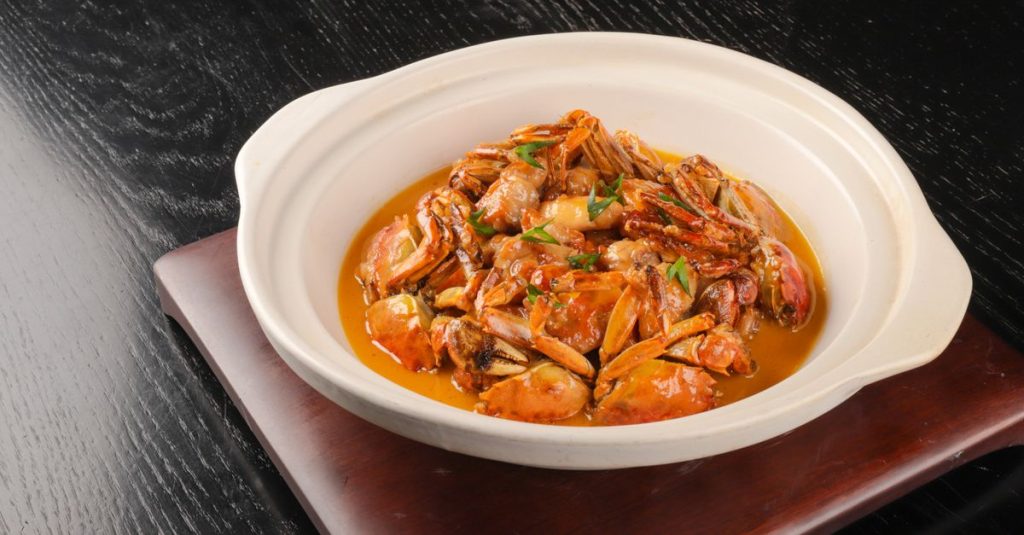
A seafood meal can be an opportunity to discover dishes associated with Singaporean cuisine. Chili crab, for example, is an iconic dish that you can explore before choosing a restaurant; this guide to Singaporean cuisine and restaurants can help you understand the local specialities. Not every restaurant necessarily offers the same menu, which is another reason to check before visiting.
For a family outing, taking children’s eating habits and appetites into account can help avoid long waits. A shared meal suits some groups, while others may prefer to order separate dishes. Restaurants can be very busy at certain times; if the meal is a central part of the day, plan ahead by checking the arrangements for welcoming customers.
You can also keep the programme flexible. Start by walking or cycling, then decide where to eat according to your location and the group’s energy levels. This approach avoids crossing the park at a specific time if the weather or pace of the visit has changed.
To continue exploring food beyond the coast, the pages about leisure and cultural life help place this outing within Singapore’s wider range of activities. East Coast Park is not only a place to eat: the meal works best as one stage of a visit that also includes the beach, cycling and walking. The best programme is often the one that leaves time to savour both the setting and the food.
East Coast Park is easier to visit when you choose your starting point and main activity in advance. As the park is extensive, arriving with the intention of seeing everything in one go can make the day unnecessarily tiring. Identify the access points and useful services for the area you are aiming for, then adapt your route depending on whether you are coming for the beach, cycling, a meal or simply a walk.
Transport options should be checked at the time of your visit. Information about routes, connections, transport services and possible works may change, so consult the relevant operators before setting off. If you use a taxi or car service, specify the exact area of the park you want to reach rather than relying on arrival at one central point; the Singapore transport guide can help you plan your journey.
Also prepare the simple things that make an outing more comfortable: water, sun protection and suitable footwear for your activity. For a cycling trip, check the condition of the equipment before setting off and remain alert to pedestrians. For a beach outing, follow the instructions on site and keep a back-up plan in case conditions do not allow swimming.
A balanced programme can combine a walk by the water, a sports activity and a meal without a rigid timetable. Families can plan frequent breaks; visitors mainly interested in the scenery can prioritise walking and stop wherever the atmosphere appeals to them. As activities and services may vary according to the period, it is best to confirm practical details with the relevant organisations or establishments.
East Coast Park can also encourage you to learn more about local lifestyles: picnics, group outings and outdoor leisure all contribute to its atmosphere. For people moving to Singapore with children, the guide to moving to Singapore with your family provides useful context about organising everyday life. By choosing a realistic area and pace, you can turn a visit to the park into a genuine coastal break.
You can walk, enjoy the beach, cycle on the designated paths and choose from various leisure activities or seafood restaurants. The exact options should be checked according to the area and period.
Swimming depends on local conditions and instructions. Check the signs and warnings on site before entering the water, and adapt your outing if conditions are unfavourable.
Rental options may be available in the area, but their availability, opening hours and prices may change. Check this information with the operator before travelling.
This depends on the establishment and the time of your visit. Check its customer arrangements, opening hours and booking options directly, particularly if you are coming as a group.

Updated on 04/11/2026
Scroll to see more articles →