Rest Area
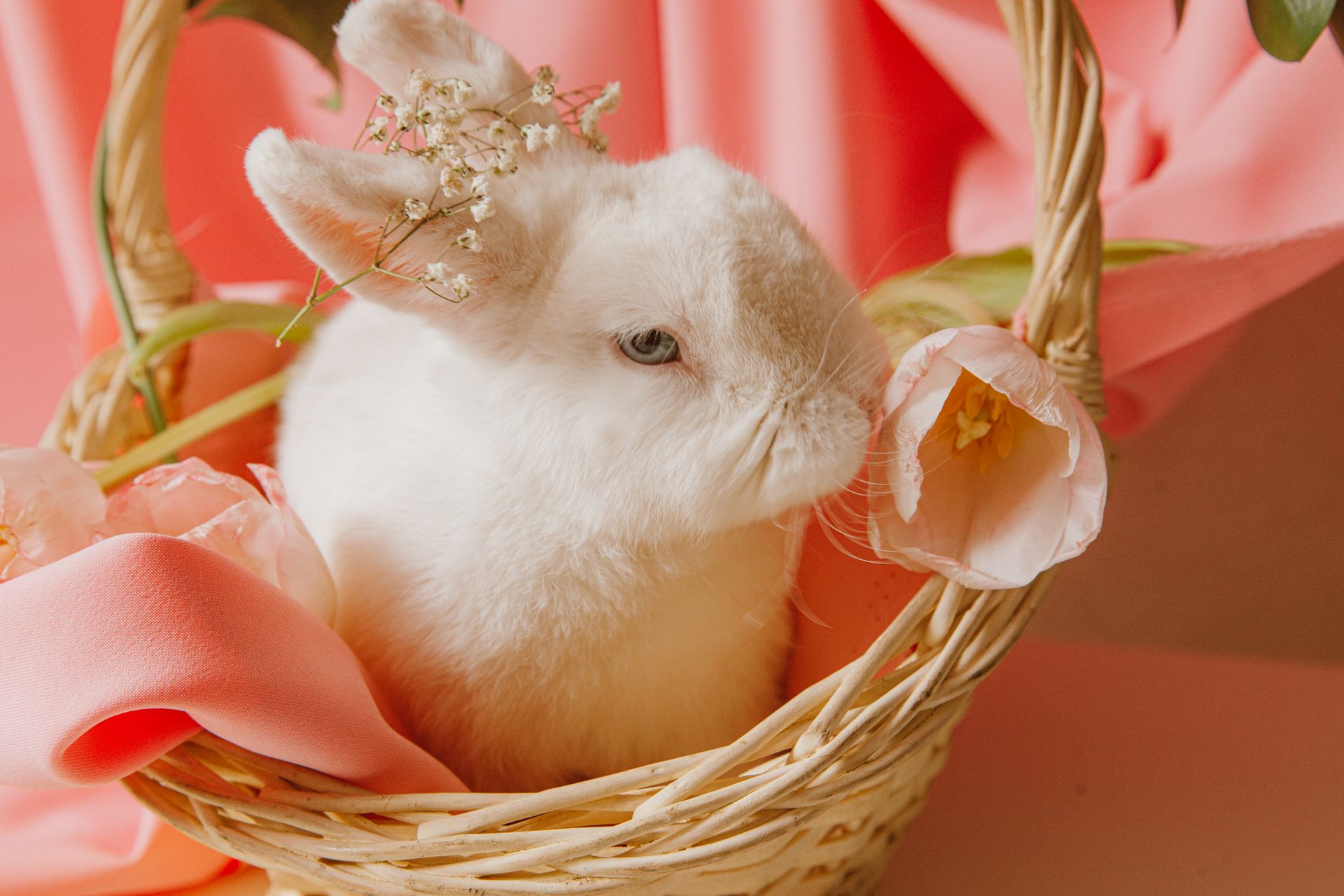
Every pet should have a place where they will never be disturbed, either by guests or children. Place their bed in a quiet corner of the living room or in a calm bedroom. For cats, choose igloos or elevated beds.
From HDB flats to luxury condos, make the most of every square metre for the happiness and health of your four-legged companions.
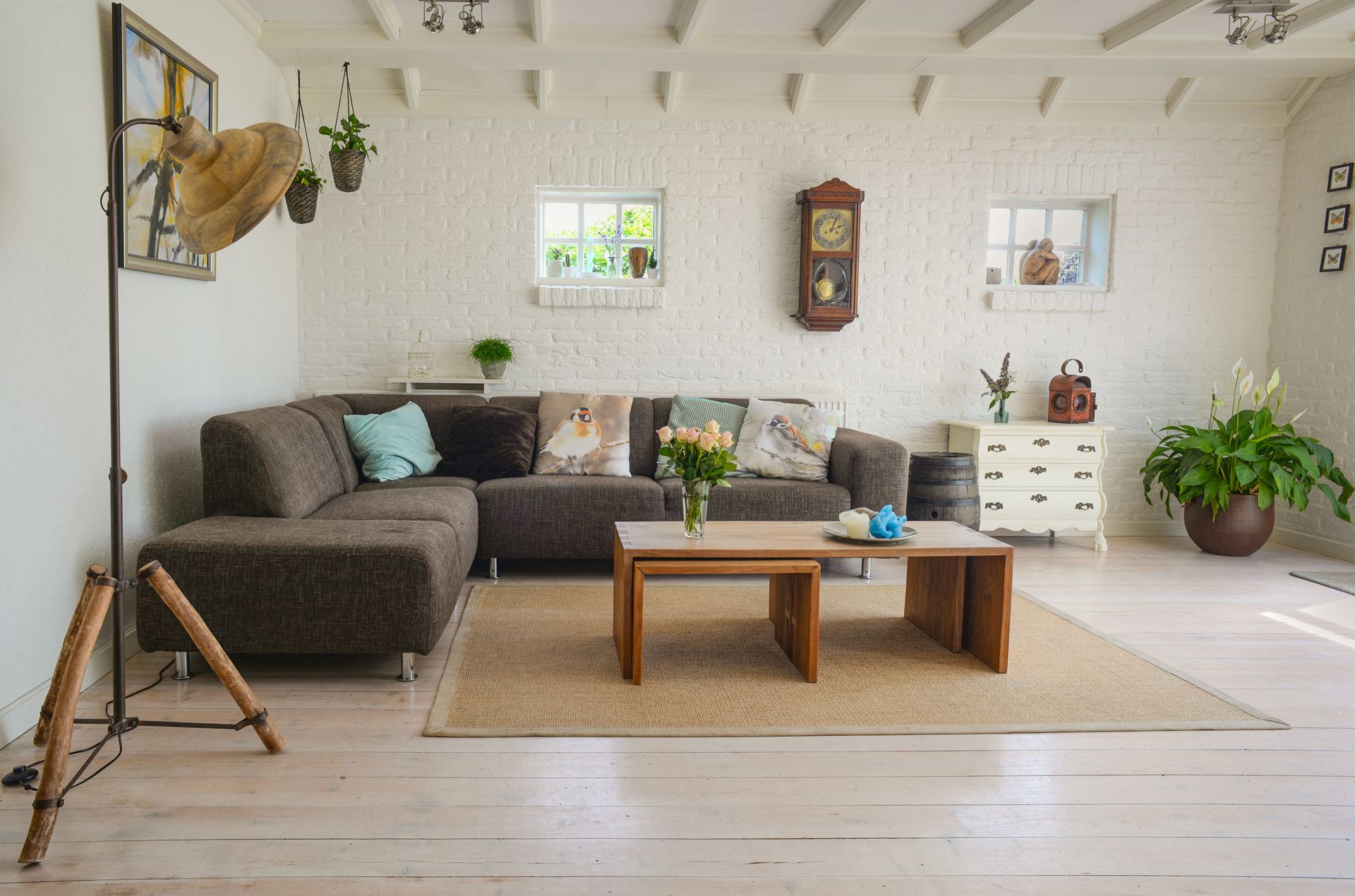
Living in Singapore as an expat often means adapting to flat living. However, for a dog, cat or small mammal, space is about more than floor area. It is a sensory environment, a safe zone and a place for behavioural expression.
A lack of suitable space can lead to anxiety, obesity and destructive behavioural problems. Conversely, a small, intelligently arranged space can provide greater mental stimulation than a large, empty garden. Our guide explores how to transform your Singapore home into an ecosystem that supports your pet’s wellbeing.
"The quality of the layout often matters more than the number of square metres."
These breeds (Poodles, Terriers, Beagles) adapt well to urban living if you provide a quiet resting area and a play corridor. They need 15 to 20m² of free movement space.
For a cat, volume matters more than floor area. A 40m² flat can become a 100m² palace with wall-mounted walkways and cat trees.
View layout tips →They need wide, clear areas to prevent joint injuries on slippery floors.
Please note: Some breeds are restricted in HDB flats.
Modular enclosures of at least 4m² to allow daily running and jumping.
Singapore is the world capital of aquaria. Choose a location away from direct sunlight to prevent algae and make sure the floor is strong enough to bear the weight of the water.
Enter your pet’s details to discover our layout recommendations and suggested minimum dimensions.
Please complete the form to see the results.
Every pet should have a place where they will never be disturbed, either by guests or children. Place their bed in a quiet corner of the living room or in a calm bedroom. For cats, choose igloos or elevated beds.
Keep water and food away from litter areas. In Singapore, choose raised stands to keep ants away. The area should be clean, quiet and easy to clean (tiled flooring or PVC matting).
Discretion and ventilation are key. In urban flats, litter-box furniture blends perfectly into the décor. Make sure this area is always accessible.
Most residences in Singapore are high-rise towers. Securing windows and balconies is not optional; it is vital.
Install invisible nets or fine mesh on your balconies to prevent ‘parachute cat syndrome’.
In small spaces, everything is within reach. Use cable sleeves to protect cables and store cleaning products up high.
Beware of Monstera plants and lilies, which are very common here but extremely toxic to your companions.
For more advice on home safety, see our residential safety guide.
When space is limited, mental stimulation becomes the main driver of wellbeing.
Use snuffle mats, food puzzles and toy rotation. A 15-minute mental-work session tires a dog as much as an hour’s walk.
Activities for expats and pets →
Create a secure corner on your balcony with cat grass, water fountains and vantage points. It is the ideal way to provide sensory stimulation without the risks of the street.
Outdoor guide →Essential in Singapore with our equatorial climate. Use parasols or dense vegetation.
Minimum height of 1.80m for large dogs, with an inward overhang for cats if possible.
Essential for preventing the heatstroke that is common in temperatures of 32°C.
If you live in public housing (HDB), the rules are strict: one dog per household, and it must be on the list of breeds approved by AVS (Animal & Veterinary Service). Cats were technically banned in HDBs for years, but the rules are evolving towards regulated tolerance.
In a Condo (Private), the rules depend on the Management Corporation Strata Title (MCST). Always check your tenancy agreement.
See the procedures for petsFor expats preparing their return to France, please note that a landlord cannot ban a pet unless it is a category 1 dog.
In Singapore, microchipping and an annual AVS licence are compulsory for all dogs. Failure to comply may result in heavy fines.
Singapore offers exceptional dog parks (Dog Runs), such as those at Bishan-Ang Mo Kio and East Coast Park. However, consideration for others is crucial: dogs must be kept on a lead everywhere else, and the clearing up of waste is closely monitored.
Transport: Animals are not allowed on the MRT or public buses. Use apps such as "GrabPet" instead.
Pet-Friendly Places: More and more cafés in Tiong Bahru and Robertson Quay welcome dogs on their terraces.
For those moving between the two cultures, Paris has changed radically. More than 70 Parisian parks are now open to dogs.
Source: Ville de Paris - Les chiens à Paris
If your home is too small for your pet’s energy levels, don’t wait for problems to develop. Singapore offers world-class services to make up for the lack of space.
Professionals offer "Pack Walks" to socialise your dog and give it physical exercise.
Air-conditioned dog daycares offer agility courses and supervised playtime.
See our guide to babysitting and pet-sitting services.
No, provided its physical and mental exercise needs are met outside. A stimulated dog spends 80% of its time sleeping indoors.
Cats (thanks to vertical space), hamsters, or small companion dogs such as the Cavalier King Charles. See our top 12 pets for flats.
You need the MCST’s permission if it changes the appearance of the façade. Invisible nets are generally accepted because they are barely visible.
Flushing waste is prohibited in Singapore’s drains. You must bag it and dispose of it in the bins provided for this purpose. A fine of 500$ to 1000$ may be imposed.
In Singapore, the tenancy agreement takes precedence. If there is a "No Pets" clause, it is enforceable. Always negotiate before signing.
Excessive paw licking, incessant barking at corridor noises, or destroying furniture.
See our shopping guide for the best places, such as Pet Lovers Centre and independent craft shops.
Yes, because you can bring viruses in on your shoes or through the windows. Rabies is not endemic in Singapore, but other diseases are.
Yes, charitable clinics are available. See our page on the healthcare system.
Contact AVS or SPCA Singapore. The numbers are available on our emergencies page.
An AVS import permit, an ISO-compliant microchip and a valid rabies vaccination are required before the flight. See our complete import and quarantine guide for 2026.
Join our expat community and share your best home-organisation tips for pets.
Updated on