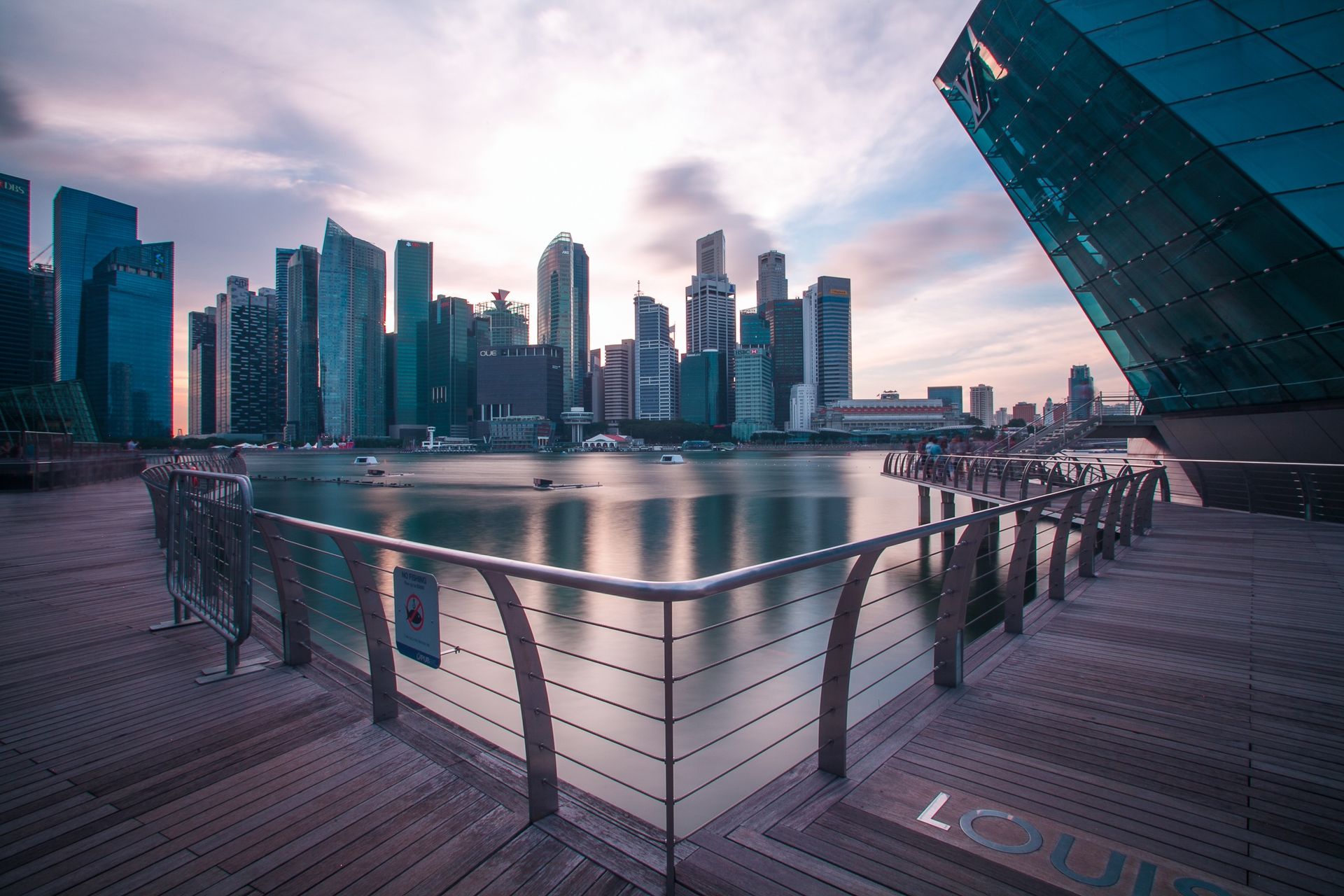
Successfully settling your family in Singapore.
From finding the ideal condo to enrolling your children at school, we guide you step by step to turn your expatriation into a peaceful and fulfilling adventure.
The call of the Lion City: A family life project
In 2026, Singapore continues to establish itself as the preferred destination for French-speaking expatriate families. Combining bold modernity with preserved traditions, this city-state offers an exceptionally safe environment, a world-class healthcare system and unparalleled educational opportunities. However, a successful relocation cannot be improvised.
From high property costs and the specific requirements of work visas to adapting to a consistently equatorial climate, the challenges are many. This guide was designed to give you a realistic overview, far removed from clichés, so that your family project rests on solid foundations.
The 6 pillars of your new life
Strategic Housing
Finding the right neighbourhood is crucial. Proximity to the school (IFS), access to the MRT or parks for children? Every neighbourhood has its own character.
Explore the neighbourhoodsEducation & Schooling
Choosing between the French Lycée (IFS) and international schools is the first major decision for parents.
Read the school guideHealth & Safety
A top-of-the-range private system. Health insurance is not an option; it is an absolute necessity for your family.
Our health adviceBudget & Banking
Understand the real cost of living in 2026. From supermarket shopping to managing income tax.
Budget analysisUrban Mobility
Forget the car? With the MRT and buses, Singapore is the best-connected city in the world for families.
Getting around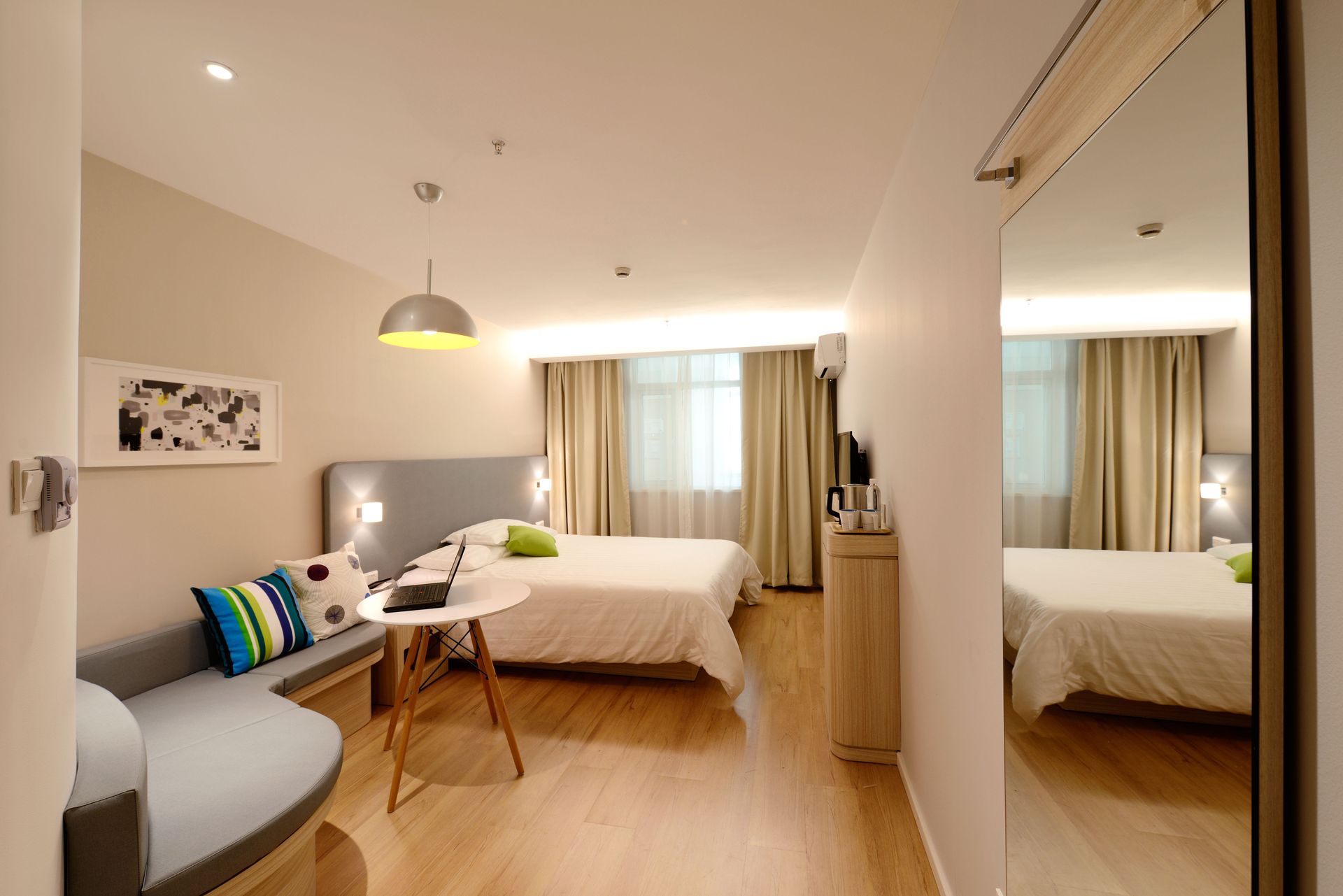
Housing: The key to family fulfilment
In Singapore, the property market is dynamic and demanding. For a family, the usual choice is a Condominium. Unlike HDBs (public housing), condos offer essential facilities: a swimming pool, playgrounds, a gym and 24-hour security.
- Popular neighbourhoods: Bukit Timah (for greenery), East Coast (for the sea) and River Valley (for its proximity to the centre).
- Budget: In 2026, allow between 5,000 SGD and 9,000 SGD for a quality three-bedroom property.
- Lease: The standard term is 2 years, often with a diplomatic clause allowing you to end the contract after 12 months.
Tip: Always visit the communal areas at different times to assess noise levels and how busy they are. For more information, see our guide to Finding accommodation in Singapore.
2026 Family Budget Calculator
Estimate your monthly expenses for a family of 4.
*This simulation includes an average estimate of fixed costs. Taxes are not included.
The Administrative Maze: Visas & FIN
Before setting foot on Singaporean soil, the key priority is obtaining your visa. In 2026, the COMPASS system (Complementarity Assessment Framework) governs the allocation of Employment Passes (EP). This points-based system assesses not only your salary, but also your qualifications and your company’s diversity.
Employment Pass (EP)
The main visa for professionals. The minimum salary for expatriate families has been increased to ensure economic self-sufficiency.
Dependant's Pass (DP)
This is the visa for your spouse and children. Important: DP holders wishing to work must obtain their own EP or a specific permit.
Not married? The DP does not apply: you will need the Long Term Visit Pass (LTVP).
As soon as you arrive, your absolute priority is your FIN (Foreign Identification Number). This number is the key to everything in Singapore: opening a bank account, taking out a fibre-optic broadband subscription or enrolling your children in sports activities. For more details, read our article on Administrative Procedures.
Remember that the Immigration and Checkpoints Authority (ICA) is extremely strict. Start your procedures at least 3 months before your departure. This is the number one piece of advice from all relocation experts, as suggested by Petit Journal Singapour.

Life with a "Helper"
This is undoubtedly the biggest cultural change for French families: employing a Migrant Domestic Worker (MDW). In Singapore, it is common to have domestic help who lives in your home ("live-in").
Duties
Housekeeping, cooking and, above all, managing the children’s logistics (school, activities).
Cost
Salary between 650 and 900 SGD + government levy (Levy) + food and healthcare costs.
Responsibility
You are her legal employer. This involves managing her in a humane, respectful manner and in accordance with MOM (Ministry of Manpower) laws.
Schooling: Excellence at the heart of Asia
IFS French Lycée (IFS)
Located in Ang Mo Kio, the International French School (IFS) is the beating heart of the community. It offers the French curriculum from nursery to upper secondary school, with a strong international dimension.
- • Educational continuity with the French system.
- • Outstanding bilingual sections.
- • A strong social network for parents.
Int International Schools
UWCSEA, Tanglin Trust or SAS. These schools offer incredible campuses and IB (International Baccalaureate) programmes. Fees are generally higher than at IFS.
- • Full linguistic immersion in English.
- • Olympic-standard sports and arts facilities.
- • Global cultural diversity.
Tax: What you need to know
Taxation in Singapore is among the most attractive in the world, but it requires disciplined saving. Unlike in France, tax is not deducted at source.
- Tax rate (average) 15% - 22%
- Tax deducted at source No
- Tax treaty with France Yes
Tip: Set money aside each month to pay your annual tax bill (IRAS). See our guide to Taxation in Singapore.
Healthcare: The price of excellence
There is no social security system here. For a family, medical costs can rise very quickly (a paediatric consultation costs around 100-150 SGD).
Hospitalisation: Choose private hospitals (Mount Elizabeth, Gleneagles) for family comfort.
Insurance: Choose a "Full Coverage" plan including repatriation and outpatient care for children.
Frequently Asked Questions from Families
What is the best time to move?
Ideally between June and August. This coincides with the start of the school year (IFS and international schools) and allows children to begin the year settled while getting used to the climate during the holidays.
Can you live in Singapore without a car?
Absolutely. 80% of expats do not have a car. The cost of a COE (Certificate of Entitlement) makes buying a vehicle prohibitively expensive. Buses, the MRT and taxis (Grab/Gojek) are extremely efficient and affordable.
Do children adapt easily?
Yes, Singapore is a paradise for children. Free water parks, incredible libraries and complete safety. They often become bilingual very quickly thanks to the widespread use of English.
What strict rules should you be aware of?
No imported chewing gum, no eating on the MRT, and no littering. What may seem rigid helps guarantee the cleanliness and safety you will appreciate so much. See our Safety Guide.
How can you meet other French-speaking families?
The Singapour Accueil association is a fantastic way in. Neighbourhood WhatsApp groups and parent-teacher associations (such as the one at IFS) are also very active.
Family Testimonials
"Moving to Singapore with three children under 10 worried us. In the end, with good preparation and help from French-speaking networks, we felt at home within three months. The children love their school and we appreciate the peace of everyday life."
The Moreau Family
Expats for 2 years
"Don't underestimate the housing budget! It is the number-one expense. But beyond that, the quality of life is incomparable. We go out in the evening without any fear, and travelling throughout Asia from Changi is an incredible luxury."
Marc & Sophie
Expats for 5 years
Ready to take the plunge?
Join our community and benefit from personalised advice for your move to Singapore.