
East Coast Park: Beach, Cycling and Seafood Restaurants
Discover East Coast Park in Singapore: enjoy its beach, cycling paths and seafood restaurants for an outdoor escape by the coast.
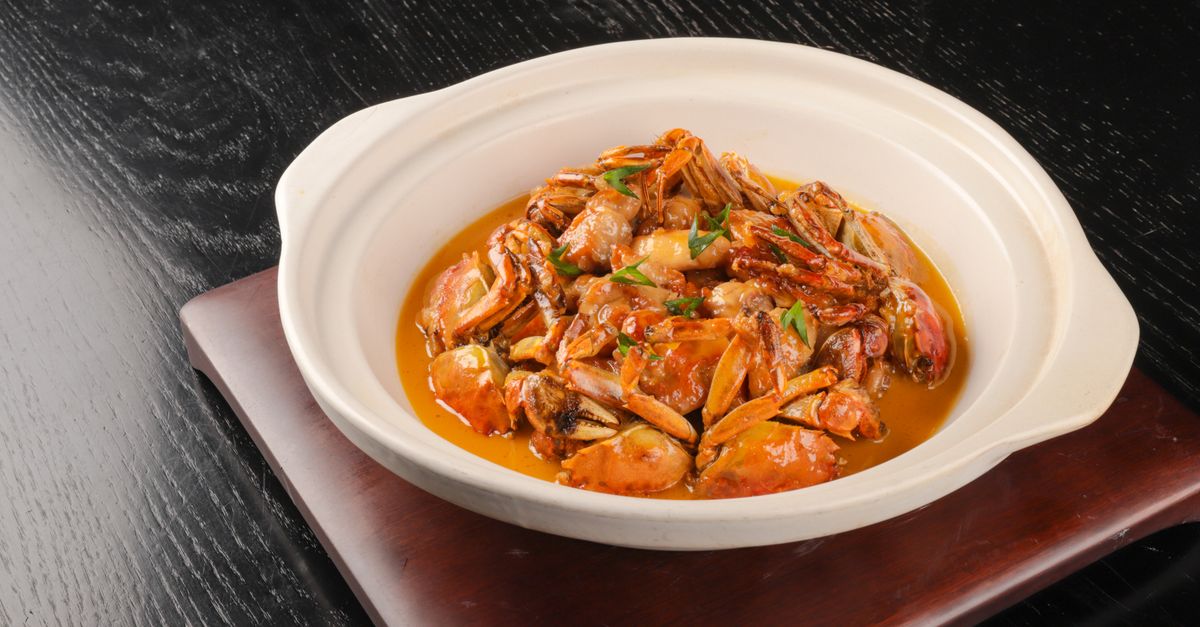
Chilli crab is one of Singapore’s most recognisable dishes: a whole crab stir-fried in a wok, then coated in a sweet, tangy, chilli-spiced tomato sauce enriched with egg. It is mainly served in seafood restaurants, where the price depends on the crab’s weight and the sides you order. To try it without an unpleasant surprise, ask for the price per kilo and the weight before cooking, then plan to order mantou for dipping into the sauce.
This iconic dish is also a shared dining experience: you crack the claws, eat with your fingers and share the crab with the other dishes in the middle of the table. Jumbo Seafood, No Signboard Seafood, Long Beach Seafood and Roland Restaurant are among the best-known names, while the stalls at Makkansutra Glutton’s Bay offer a simpler approach. Your choice depends on your budget, the atmosphere you want and the preparation you would like to discover.
Despite its name, chilli crab is not necessarily fiery. Its sauce usually combines tomato, chilli, garlic, ginger and sugar, followed by beaten egg at the end of cooking. The egg forms silky strands that give the preparation its rich, coating texture. The result combines sweetness, acidity and a chilli warmth that is often moderate.
To get online as soon as you land, a Singapore eSIM can be installed before you leave, with no need to look for a local SIM card.
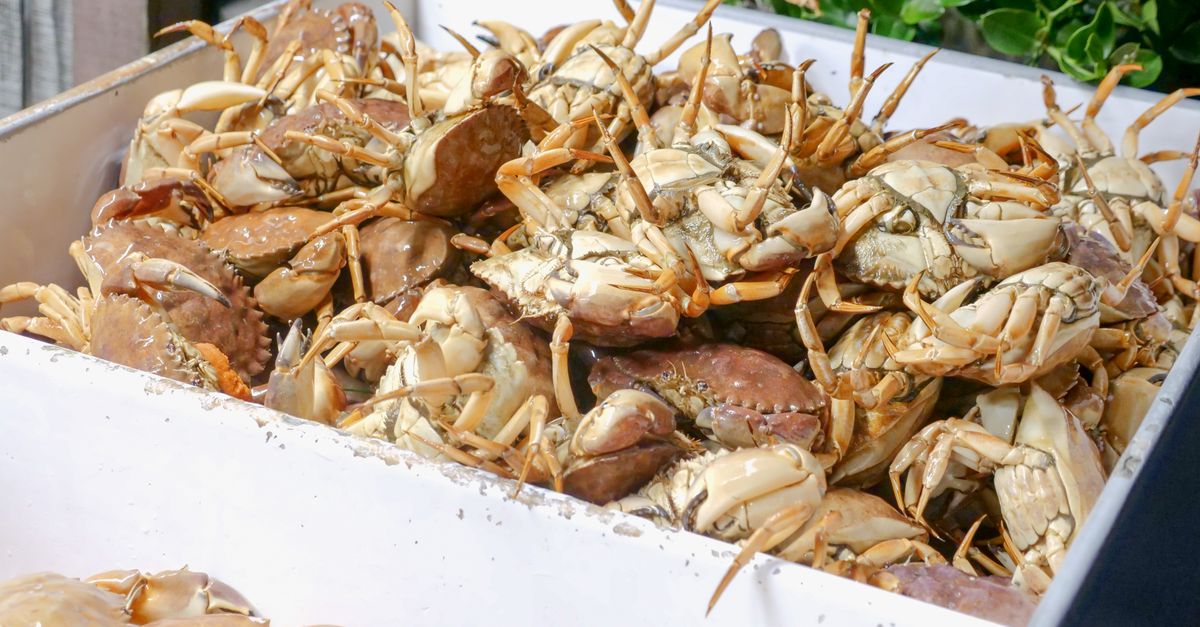
The dish is made with mud crab, appreciated for its meaty claws and firm flesh. In seafood restaurants, the crab is commonly kept alive in a tank and cooked to order. Supplies may come from different countries in the region, so ask the restaurant where the crab comes from if this information matters to you.
Cooking contributes as much to the result as the sauce. The crab is cut into pieces, seared in a wok with aromatics, then mixed with the tomato and chilli preparation. The egg is added towards the end to preserve its texture. The dish often arrives in a large serving dish, with the claws and shell pieces covered in sauce: it is not designed to be eaten elegantly, but to be shared.
Chilli crab is often presented as an iconic dish of Singaporean cuisine, without needing to be considered its only representative. Singapore brings together diverse culinary traditions; dishes served in hawker centres, family restaurants and seafood establishments reflect different habits. To explore this wider scene, the guide to Singapore restaurants and cuisine places this local speciality alongside other flavours from the city.
Culinary accounts associate the creation of the dish with Cher Yam Tian and her husband, who are said to have sold prepared crab from a mobile stall near the coast in the mid-20th century. The recipe then evolved in restaurants, with each kitchen adjusting the proportions of tomato, sugar and chilli. Chilli crab is therefore less an immutable formula than a recognisable preparation whose variations are part of the experience.
The sauce is the heart of the dish, but the quality of the crab remains decisive: firm flesh and generous claws give the meal its full value.
Expect to eat with your fingers. Restaurants generally provide utensils for cracking the claws and extracting the meat, as well as napkins. Open the joints, patiently retrieve the flesh and keep the mantou within reach: these small fried buns are made for soaking up the chilli sauce. It is worth asking for extra napkins at the start, especially if this is your first time trying the dish.
A whole crab can be rich and more filling than it appears. For a table of two, ask the staff what size suits your appetite and take the other shared dishes you are considering into account. For a group, two crabs prepared in different ways may be more interesting than one very large crab: everyone can compare the sauces and the meal gains variety. The staff can help you adjust the quantity.
Mantou deserve a separate order. Ask for them when choosing the crab and check whether they are fried to order. Their slightly crisp exterior and soft interior go particularly well with the sauce. If you order too few, you may leave some of the preparation in the dish; if there are leftovers, they are easy to share with the other dishes.
Add a vegetable to lighten the meal. Stir-fried kai lan with garlic or oyster sauce, water spinach and certain tofu dishes are common sides in zi char-style restaurants. Plain rice suits those who prefer a neutral base, while butter cereal prawns add another texture that is crispier and more aromatic.
Chilli crab is best enjoyed without long pauses: as it cools, the sauce thickens and the flesh becomes harder to extract. Take your photographs before starting, then eat while the dish is hot. If you would like to limit the heat, ask whether the kitchen can adjust the seasoning; this depends on the establishment and its recipe.
A crab meal is therefore about more than the amount of meat: the buns, vegetables and pace of service matter too. The best order is one that leaves room to enjoy the sauce without adding unnecessary dishes.
Jumbo Seafood is often chosen for a first tasting. The chain has several outlets, including at East Coast Seafood Centre, Robertson Quay and Dempsey Hill. Its staff are used to helping visitors choose the crab and sides. For dinner, especially at weekends or during festive periods, it is better to book and specify that you want to order chilli crab.
No Signboard Seafood also serves this preparation, but is particularly known for its white pepper crab. This version uses white pepper, whose aromas differ from those of black pepper: the heat seems more fragrant and less defined by a tomato sauce. The restaurant has several locations; check the address and booking arrangements before travelling, as the offering may vary between outlets.
Long Beach Seafood is associated with black pepper crab, which the chain claims to have invented. This attribution is disputed, so it is preferable to present the story as the restaurant’s claim rather than an established fact. The preparation itself is worth trying: the crab is stir-fried with crushed black pepper and a drier, powerful sauce that is less messy than chilli crab sauce.
Roland Restaurant is another option if you would prefer an atmosphere less focused on visitors. It is often mentioned for its version of chilli crab, associated with an interpretation closer to the earliest recipes. Tastes vary from one kitchen to another, so there is no universally best restaurant: some people prefer a sweeter sauce, while others look for a touch of chilli or a peppery seasoning.
East Coast Seafood Centre refers to a group of restaurants rather than one individual establishment, near East Coast Park. The seaside setting gives the meal a different atmosphere from restaurants in the city centre. The area’s venues, including Jumbo and Red House Seafood, make it possible to compare several kitchens in the same neighbourhood. Access and traffic conditions vary according to the time of day; consult the guide to transport and getting around Singapore when choosing between a taxi, private-hire car and public transport.
Makkansutra Glutton’s Bay, near the Esplanade, is a more casual option. Some stalls display a per-plate price rather than selling the crab by weight, making the cost easier to anticipate. However, the format is not the same as in a restaurant where you order a whole crab. Before choosing, compare the displayed price, portion size and included sides.
The neighbourhood and style of meal matter as much as the restaurant’s name: book for a large table and choose a waterside venue if the atmosphere is one of your priorities.
Chilli crab is generally more expensive than a meal in a hawker centre. The main reason is that the crab is sold by weight, with mantou, vegetables, rice, drinks and charges shown on the bill potentially added separately. The price varies according to the establishment, the crab’s size, supply and the time of year. There is therefore no single price that applies to every restaurant.
Before the kitchen prepares the crab, ask for its weight and the amount corresponding to the day’s rate. If possible, ask the staff to confirm the total calculation. This is normal in a restaurant where the price depends on weight: it allows you to choose a suitable portion and avoid a higher-than-expected bill. Also check whether the displayed prices include service charges and applicable taxes.
| What to check | Why it matters | Useful question |
|---|---|---|
| Crab price | The price may be calculated by weight and change with supply. | “What is today’s price by weight?” |
| Weight before cooking | The size determines a large part of the final amount. | “Could you confirm the weight before cooking?” |
| Sides | Buns, vegetables and drinks may be charged separately. | “Which sides are included?” |
| Charges and taxes | The bill may exceed the prices displayed on the menu. | “Are the charges and taxes already included?” |
| Items placed on the table | Water, napkins or appetisers may be charged depending on the establishment. | “Are these items chargeable?” |
As displayed prices and charges can change, always check the menu and conditions directly with the restaurant when you visit. Periods of high demand can also affect the availability of crabs and tables. If you are travelling during a major festival, book early and ask whether the establishment applies any special conditions.
To control your budget, choose the sides before ordering and avoid adding several rich dishes alongside the crab. A vegetable dish, rice and a suitable quantity of mantou are often enough to complete the meal. If a whole crab is beyond your budget, look in food markets, food courts or certain stalls for a crab-sauce preparation served with rice. The portion and recipe will be different, but you can discover the flavours without ordering a whole crustacean.
Restaurants may also charge for items placed on the table, such as water or napkins. If you do not want them, simply ask the staff to remove them. To discover other home-meal options or organise your food-focused days, see the information on food delivery in Singapore.
The simplest rule is to clarify the full cost before cooking begins: the weight, sides and additional charges should be clear before the order goes to the kitchen.
Black pepper crab is the best-known alternative to chilli crab. The crab is stir-fried over high heat with a preparation dominated by black pepper, often supplemented with butter and oyster sauce. The sauce is less abundant and the flavour drier, more intense and more peppery. If you enjoy bold flavours, this version may appeal to you more than the tomato and chilli recipe.
White pepper crab, particularly associated with No Signboard Seafood, offers a different profile. White pepper brings a more discreet aromatic heat than black pepper, without the sweetness of tomato sauce. In a group, ordering several styles makes it possible to compare the seasonings, provided you confirm the weight and price of each crab before ordering.
There are also crab dishes that are less famous than the two pepper recipes. Crab bee hoon, for example, combines pieces of crab with rice noodles. Sin Huat Eating House is known for this preparation and gained further visibility after being mentioned by chef and presenter Anthony Bourdain. Recipes and availability may vary, so ask the restaurant which dishes are being served on the day of your visit.
These preparations show why crab holds a particular place in Singapore’s Asian food culture. The same ingredient can be transformed by a generous sauce, a pepper seasoning or a noodle dish. Comparing the styles also highlights the different cooking choices: chilli crab focuses on the balance between tomato, sugar and chilli, while black pepper crab emphasises pepper aromas and the heat of the wok.
The dish is not vegetarian and the sauce may contain animal-derived ingredients, particularly seafood products. If you avoid seafood, ask for a suitable preparation rather than assuming that crab sauce can be replaced without changing the recipe. Singapore offers many vegetarian options, but their availability varies between establishments.
For those who want to focus on the sauce without paying for a whole crab, stalls and food courts may offer rice or noodle dishes inspired by chilli crab. This is not the same experience: the meat, cooking to order and ritual of shelling the crab are absent. However, this option lets you try the sweet and spicy flavour profile at a generally more accessible cost, which should be checked on site.
Your choice ultimately depends on what you are looking for: the sauce and ritual of a whole crab, a more peppery preparation or a quick tasting in a casual setting.
The sauce is generally moderately spicy, with tomato sweetness tempering the heat. Ask the restaurant whether the level of spiciness can be adjusted.
Confirm the price by weight and the crab’s weight before cooking. Also ask whether sides, drinks, service charges and taxes are included or charged separately.
Jumbo Seafood is often convenient for visitors discovering the dish. No Signboard also allows you to compare pepper-based recipes, while Long Beach is associated with black pepper crab. Check menus and addresses before booking.
Some stalls and food courts offer rice or noodles with a sauce inspired by chilli crab. The portion and experience differ from a whole crab, but this option may suit a more limited budget.
Fried mantou are the most useful side for dipping into the sauce. Add a vegetable dish and rice if you would like to balance the meal, then ask the staff for advice on adjusting the quantities.

Updated on 04/11/2026
Scroll to see more articles →