The Soul of Singapore:
2026 Festival Guide
Dive into a whirlwind of colours, flavours and traditions. From Chinatown to Little India, discover how the city-state celebrates its multicultural diversity through spectacular events.
Recommended by Singapore’s French-speaking community
A Cultural Mosaic Unlike Any Other in the World
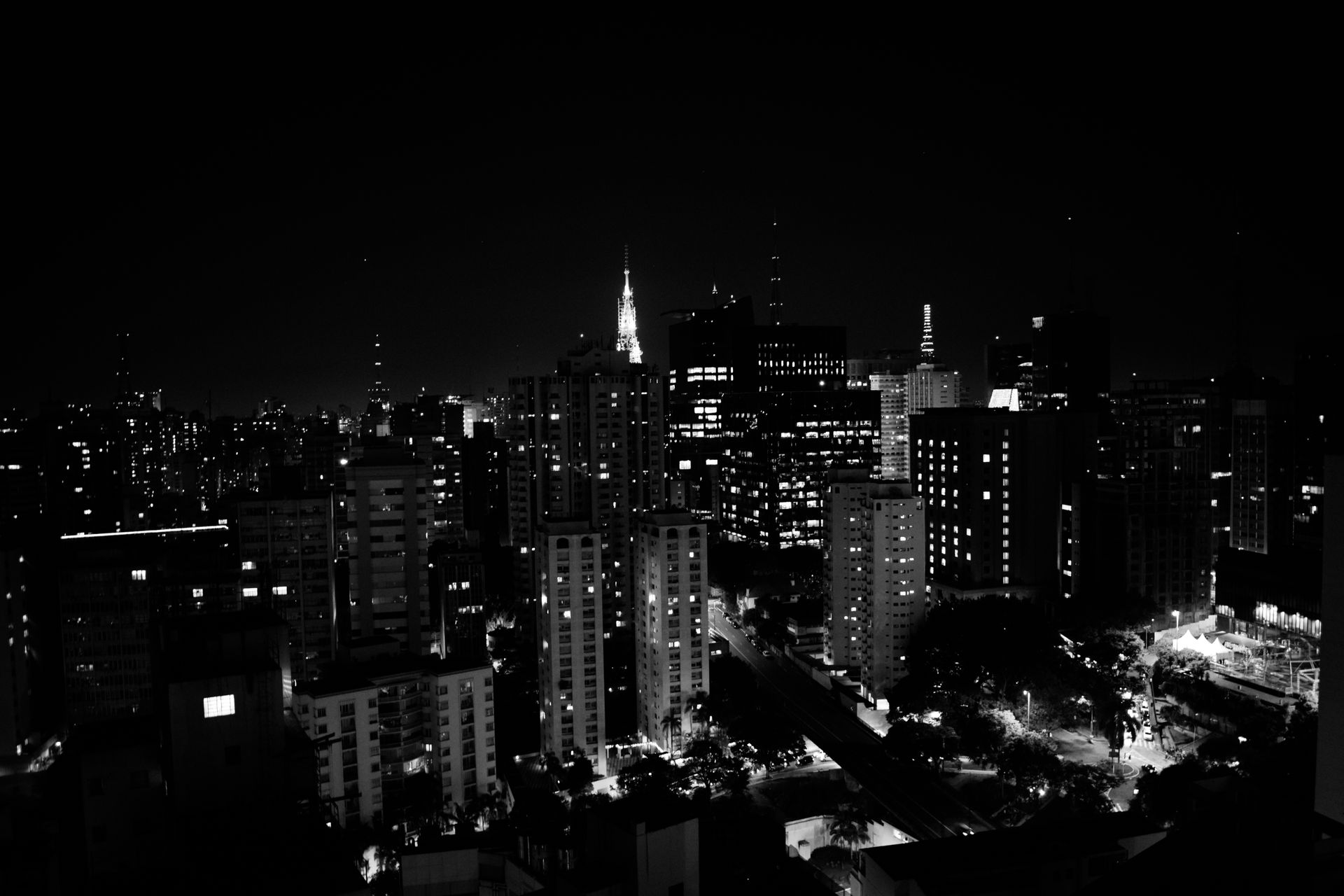
Singapore is not just a global financial centre or a technological marvel. Above all, it is a vibrant home where four major communities coexist harmoniously: Chinese, Malay, Indian and Eurasian. This diversity is most vividly expressed through its festivals. In 2026, the city continues to prove that tradition can not only survive, but thrive at the heart of a futuristic metropolis.
Each celebration is an invitation to understand the island’s roots. Whether it is the deafening firecrackers of Chinese New Year, the contemplative prayers of Hari Raya Puasa, the twinkling lights of Deepavali or the spiritual reflection of Vesak, each event transforms the urban space into an open-air theatre stage.
For French-speaking expats, taking part in these festivities is the quickest way to integrate and understand the cultural specificities of Singapore. It is an opportunity to sample dishes prepared only once a year, enter normally quiet temples and see your neighbours in a new light.
The 4 Festive Pillars
Chinese New Year
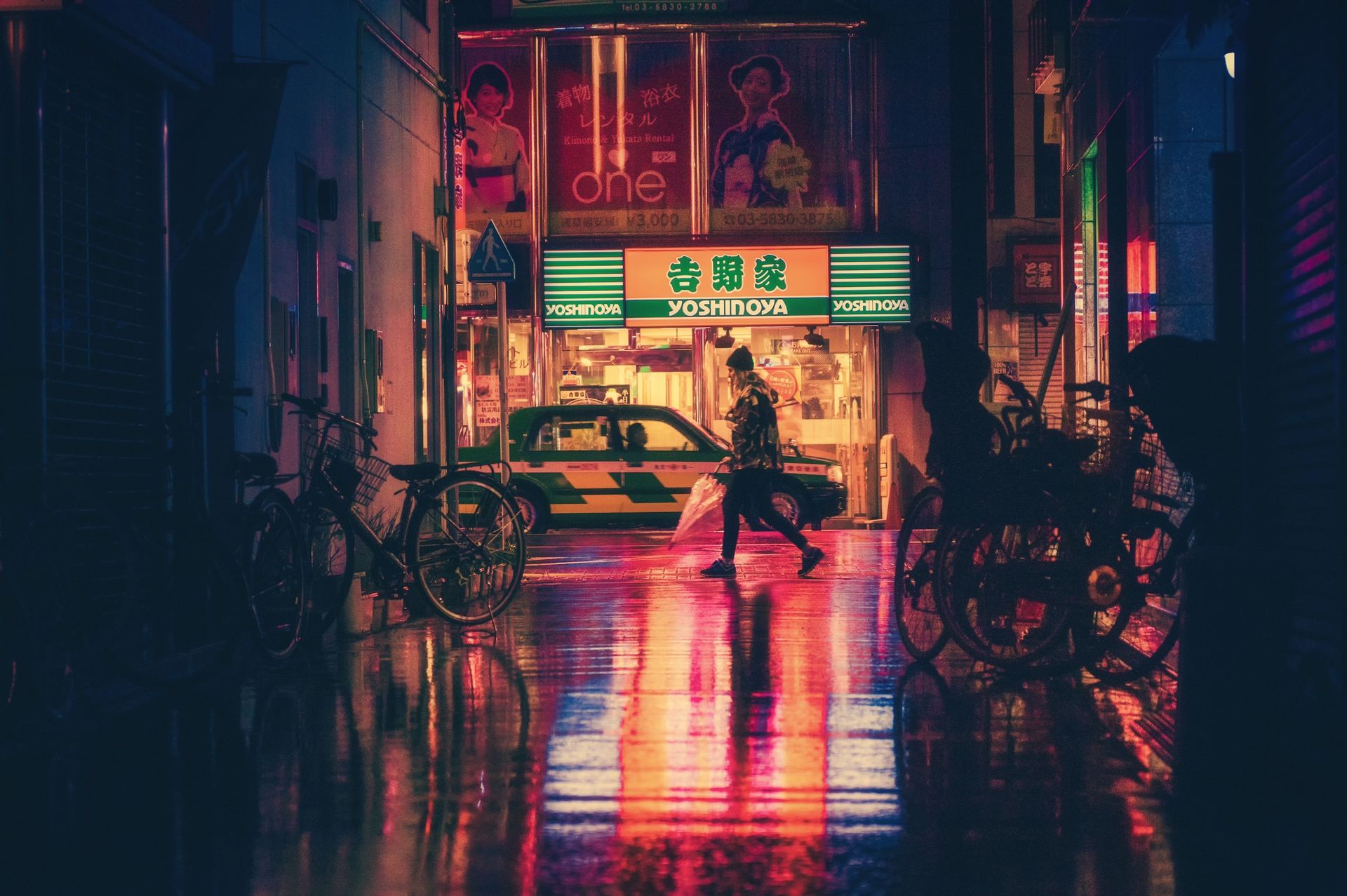
The most important festival. Chinatown bursts into life beneath red lanterns, lion dances and street markets overflowing with delicacies.

Deepavali (Diwali)
The Festival of Lights transforms Little India into a glittering wonderland.
Hari Raya Puasa
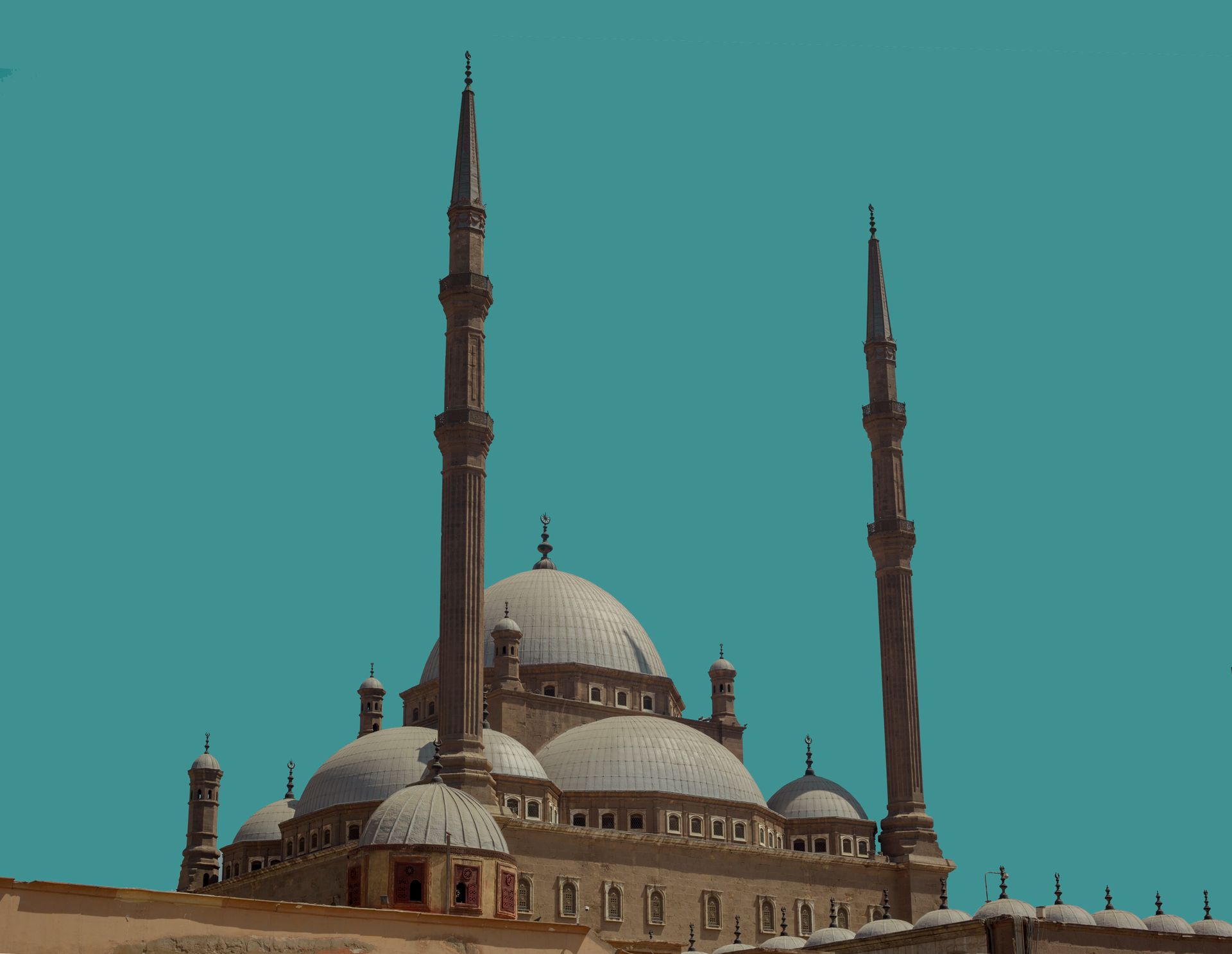
Marks the end of Ramadan with incredible feasts in Geylang Serai.
National Day
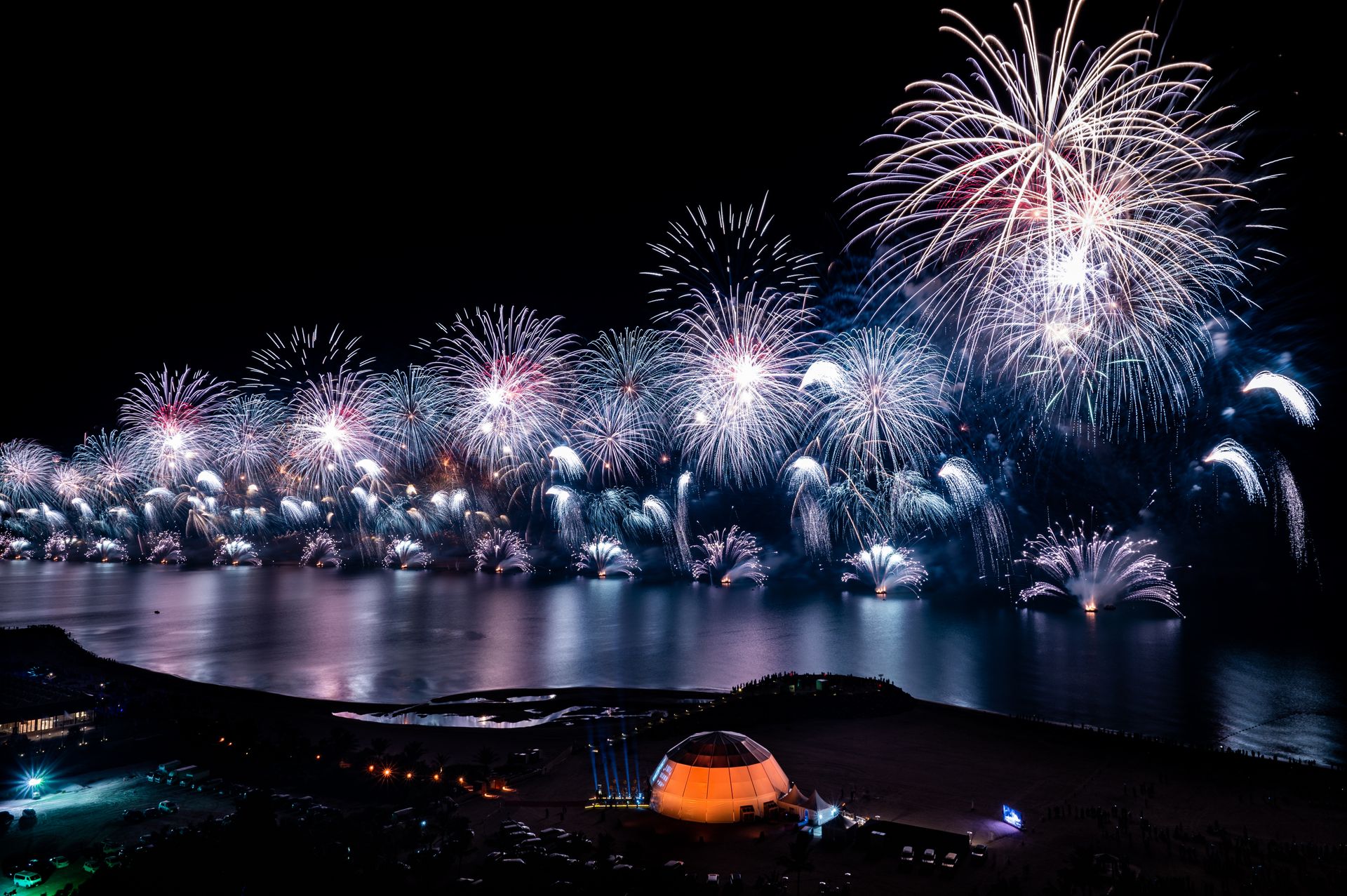
Patriotism at its peak, with legendary parades and fireworks.
Festival Budget Calculator
Planning to enjoy the local festivities? Use our tool to estimate your spending (food, transport, traditional gifts) based on the size of your family and your celebration style.
Based on average prices observed in 2026 in the Chinatown and Geylang districts.
The Complete 2026 Cultural Calendar
January - February
Chinatown at Its Peak
Chinese New Year & Thaipusam
In 2026, the Year of the Fire Horse (beginning on 17 February) promises boundless energy. Chinatown is transformed by thousands of intricately crafted lanterns. Don’t miss River Hongbao at Gardens by the Bay, a giant fair featuring colossal lanterns.
At the same time, the Tamil community celebrates Thaipusam. It is an intense spiritual procession in which devotees carry kavadis (ornate structures) attached to their bodies with silver spikes, walking from Sri Srinivasa Perumal Temple to Sri Thendayuthapani Temple. It is a visual and spiritual experience without equal.
March - April
Muslim Elegance
Ramadan and Hari Raya Puasa
The Geylang Serai district comes alive with its night market (Bazaar), offering traditional Malay clothing, pastries and decorations. In the evening, the street lights create a magical atmosphere.
This is the ideal time to discover Malay culture through signature dishes such as Beef Rendang and Ketupat. The celebration of Hari Raya Puasa marks forgiveness and the renewal of family ties.
July - August
National Pride
National Day (9 August) & Hungry Ghost Festival
On 9 August, Singapore dresses in red and white. The parade (NDP) is a demonstration of strength and social cohesion, culminating in synchronised fireworks across the city. If you live in neighbourhoods with a view of Marina Bay, prepare for an unforgettable celebration.
The Hungry Ghost Festival also takes place in August. Taoist beliefs suggest that the gates of hell open. You will see roadside altars and Chinese opera performances (Getai) intended to entertain the spirits.
September - October
Lights and Lanterns
Mid-Autumn Festival & Deepavali
Celebrated by the Chinese community, the Mid-Autumn Festival is synonymous with "Mooncakes" and lantern parades for children.
Just afterwards, Deepavali (the Festival of Lights) takes over Little India. It is the triumph of good over evil. The district is filled with the aromas of spices, flower garlands and Rangoli (colourful ground designs). This is the ideal time for traditional shopping.
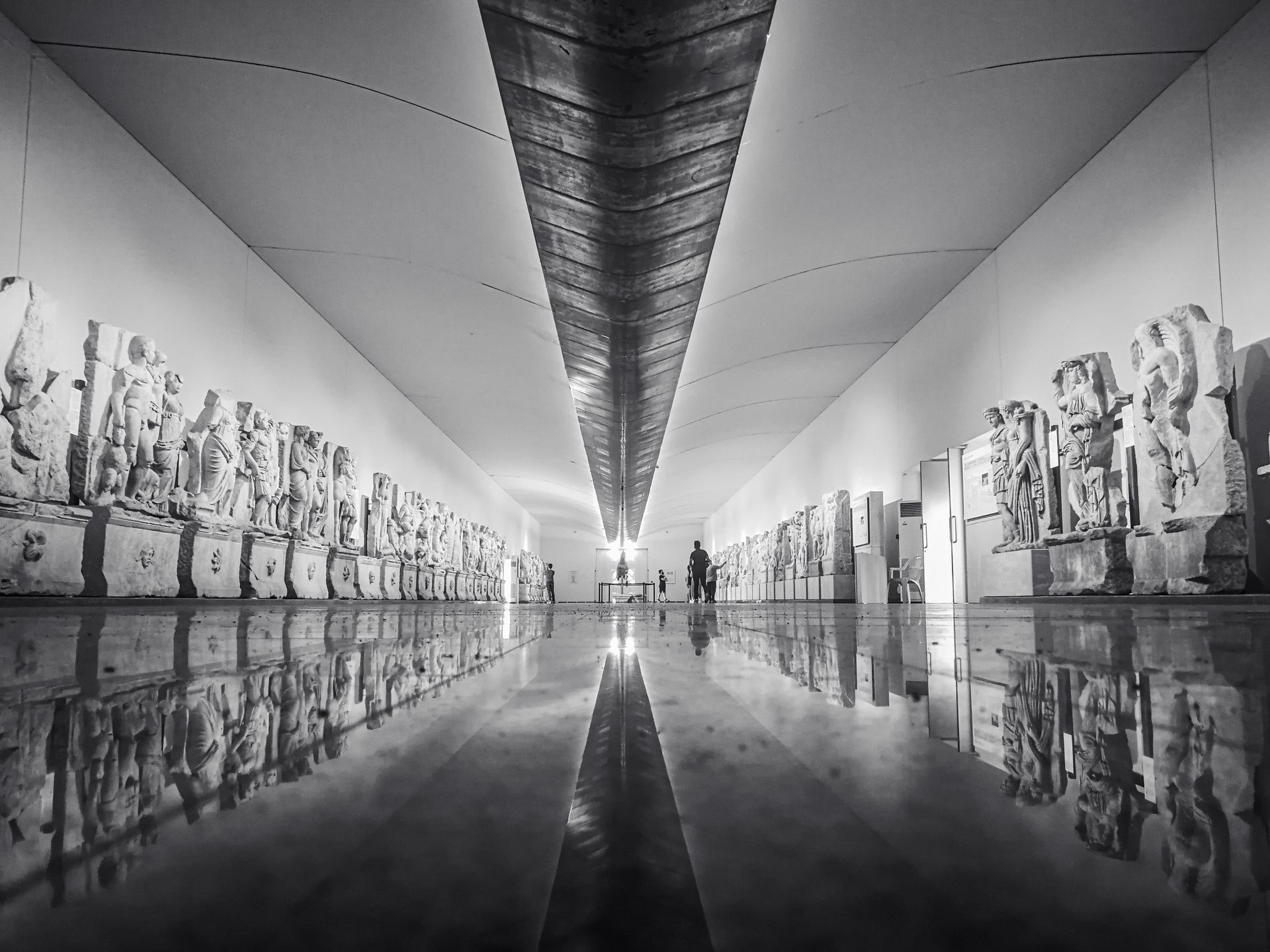
Beyond Tradition: Modern Art
Singapore does not live only in the past. The city hosts world-renowned art festivals that attract expats and locals alike:
-
Singapore Art Week (January): A national celebration of the visual arts, with exhibitions in unusual venues and pop-up galleries.
-
SIFA - Singapore International Festival of Arts (May/June): Avant-garde theatre, dance and music by international artists.
-
Singapore Night Festival (August): The Bras Basah.Bugis district comes alive with light projections on museum façades and evening street performances.
Practical Tips for a Successful Experience
Mobility & Transport
During major festivals, roads are often closed. The MRT remains your best option. Some services run for longer on New Year's Eve or National Day.
Transport guideEtiquette & Dress
Dress respectfully when visiting temples (with shoulders and knees covered). Wearing red during Chinese New Year or bright colours at Deepavali is always greatly appreciated by locals.
Customs and traditions · Weddings & traditionsManaging the Climate
Crowds and humidity can be exhausting. Stay hydrated, use a fan or small portable fan, and always carry an umbrella for sudden showers.
Weather in SingaporeCommunity Testimonials
"In my first year in Singapore, I couldn't understand why everything turned red in January. After attending a reunion dinner at a colleague's home, I discovered an incredible sense of warmth and community. That's the magic of festivals here."
 Marie L., Expatriate for 4 years
"Thaipusam is one of the most moving events I have ever seen. You feel tiny in the face of such devotion. Festivals in Singapore are like travelling around the world without leaving your neighbourhood."
 Jean-Baptiste R., Entrepreneur
Singapore's National Day takes place on 9 August, a public holiday commemorating the country's independence in 1965. The fireworks are launched in the evening, at the end of the National Day Parade: their exact timing changes each year and should be checked on the official NDP website.
Singapore National Day: why celebrate on 9 August?
9 August marks Singapore's separation from Malaysia in 1965, rather than the direct end of British rule. In 2026, the city-state will therefore celebrate 61 years of independence, an anniversary associated with official ceremonies, performances and public gatherings.
A national date linked to Singapore's independence
After a period of political autonomy under British sovereignty, Singapore joined Malaysia in 1963. This union ended two years later, amid political disagreements and communal tensions, and the territory then became an independent republic.
This timeline explains the particular place of 9 August in the collective memory. The celebration recalls the birth of a state whose economic viability and security were major challenges at the time, before its transformation into an international centre for trade and services.
The first National Day Parade was held in 1966, one year after independence. Since then, this event has combined historical commemoration with a representation of contemporary Singapore, with strong participation from schools, associations and public institutions.
Flags displayed on residential buildings make this period immediately visible. Red and white also dominate participants' clothing, although visitors attending public events are not required to follow any particular dress code.
National Day Parade: military parade and cultural show
The National Day Parade, generally abbreviated to NDP, is the central ceremony of National Day. Its programme usually combines a military and civilian parade, musical segments, mass choreography and a finale accompanied by pyrotechnics.
The parade showcases the country's armed forces and various services, but it is not merely a military display. The artistic segments also portray everyday life, intergenerational ties and the diversity of Singapore's communities.
The Red Lions parachutists are among the best-known moments of some editions. Their actual participation, like that of military aircraft and other aerial displays, depends on the programme selected and safety conditions, particularly the weather.
The national anthem, Majulah Singapura, means “Onward Singapore”. Sung in Malay, it recalls the place of this national language in a country where several official languages and cultural traditions coexist.
Padang, Marina Bay or National Stadium: which venue should you choose?
The NDP venue changes from one edition to the next. The Padang, the historic esplanade in the civic district, and the Marina Bay area are among the event's iconic settings, but they should not be regarded as permanent venues.
For 2026, the programme information provided announces a return to the National Stadium. It is therefore important to distinguish between the ceremony's address, any decentralised activities and the areas from which the fireworks can actually be seen.
This distinction has a practical consequence: a room overlooking Marina Bay does not guarantee a view of all the pyrotechnic effects of an edition held elsewhere. The official celebrations map should guide your choice of neighbourhood more than photographs from a previous year.
To explore the context further, the National Museum of Singapore and the Singapore Discovery Centre offer complementary perspectives on national history. Check their opening hours and accessible areas before including them in your public holiday itinerary.
The date remains fixed; the show format evolves. This difference is what allows you to plan your visit properly, particularly for tickets and sessions held before the big night.
National Day Parade Tickets: Ballot, Rehearsals and Previews
National Day Parade tickets are allocated by ballot reserved for Singapore citizens and permanent residents. Tourists and foreign residents without this status cannot therefore rely on a standard tourist ticketing system to access the stands.
How can you apply for National Day tickets?
The process takes place through the official application campaign, which is open for a specified period. The eligibility requirements, sessions available, application procedure and notification of results should be checked directly with the NDP.
Submitting an application does not guarantee a place. It is therefore preferable to plan a ticket-free option from the outset, rather than building your entire trip around still-hypothetical access to the stands.
The invitations may be for different sessions: the 9 August ceremony or a preview specified on the ticket. Carefully check the date, venue and entry arrangements, as these invitations are not interchangeable.
Nor should you confuse a booking at a panoramic restaurant with access to the parade. A commercial establishment sells a service at its own premises; this alone does not entitle you to an official invitation to the parade.
Avoid resale advertisements and offers promising guaranteed access outside the authorised system. The rules governing the use and transfer of tickets must be checked in the official terms and conditions, without assuming that a private transaction will be accepted.
The preceding Saturdays: see the NDP preparations
Rehearsals and previews are held on the Saturdays preceding 9 August, with fireworks during some sessions. They offer another opportunity to catch a glimpse of the preparations, but their schedule and content vary from one edition to the next.
Not all rehearsals reproduce the final show in full. Some focus on participant movements, technical tests or particular sequences, so the presence of a rehearsal does not guarantee a full fireworks display.
Previews are generally closer to the running order of the main ceremony. Access to seating is nevertheless controlled, while public areas outside follow their own circulation and safety rules.
Saturday does not mean there will be no crowds either. These sessions attract residents, photographers and families wishing to enjoy the atmosphere before the public holiday; pedestrian routes and public transport may already be very busy.
Check the NDP programme before setting out, then check the operational notices issued as the session approaches. A weather-related change or a safety instruction may affect the aerial displays and pyrotechnics.
Taking part without an invitation to the stands
It is possible to experience National Day without entering the official venue. Broadcasts, community gatherings and public viewing points offer several ways to follow the evening, depending on the announced programme.
Television and official broadcasts allow you to see the artistic segments, commentary and details of the ceremony. From an outdoor promenade, the experience is different: you mainly enjoy the atmosphere, the sky and sequences visible from a distance.
To find additional events, check the Singapore events calendar, then cross-check the practical information with that provided by the organisers. A confirmed rehearsal is better than travelling based on the previous year’s calendar.
Where to watch Singapore’s fireworks for free around Marina Bay?
The Esplanade promenades, the Merlion area and the waterfront offer free options when the fireworks are visible from Marina Bay. Their appeal nevertheless depends on that year’s arrangements, the direction of the launches and any announced access restrictions.
Free viewpoints to know about
A well-known spot is not necessarily the best one for every edition. Before choosing, check where the launch zones and restricted areas are: a building, bridge or temporary installation may obscure part of the show.
- Esplanade Waterfront: the waterside areas offer open views across the bay, subject to reserved zones and any routes kept accessible.
- Merlion Park: this iconic setting attracts large crowds; access may be limited when capacity is reached.
- Marina Bay Waterfront Promenade: several sections of the waterfront offer the chance to find an unobstructed angle, with no guarantee of seeing the lower effects.
- Helix Bridge area: the views are interesting, but the bridge remains a thoroughfare and may be subject to restrictions or no-stopping rules.
- Marina Barrage: the view is more distant; the site’s suitability depends on the location of the launches and the opening arrangements.
These places do not automatically provide a view of the National Day Parade stage. You need to distinguish between seeing the fireworks, catching a glimpse of aerial displays and following the ceremony as a whole: these are three different experiences.
When the main show is held at the National Stadium, do not directly apply recommendations from an edition centred on the bay. Check whether launches are actually planned at Marina Bay or whether another viewing area is recommended.
Choosing your spot without obstructing pedestrian flows
Arrive before the show begins, but never treat a public space as a reserved seat. Officers may ask spectators to move to clear a passage, reduce crowd density or maintain emergency access.
Identify an exit before settling in and keep your belongings close to you. A tripod, large blanket or bags spread out on the ground may inconvenience other visitors, particularly on narrow promenades and near stairways.
For photographs, favour an unobstructed perspective rather than maximum proximity. Marina Bay’s buildings help place the show within the urban landscape, but the lowest effects may remain invisible from a spot that is too far away.
The wind direction also affects the amount of smoke in front of the fireworks. No viewpoint guarantees a perfect image throughout the sequence, and conditions can change during the evening.
Terraces and hotels: paying for a view is no guarantee
Rooftops, panoramic restaurants and viewing areas are not free alternatives. Access conditions may include a booking, a purchase or a specific ticket, which should be checked directly with the venue.
Ask whether the reserved area really overlooks the fireworks for the edition in question. A general « view of Marina Bay » describes a panorama, not necessarily a suitable viewing angle for the fireworks programme.
Traffic restrictions can also make it difficult to reach a hotel that appears close on the map. Plan a realistic walk from an accessible station and keep your booking details available offline.
The best location is one that combines confirmed visibility with a practical way out. This second condition becomes particularly important when attending the evening with children.
Transport, children and the heartlands: organising your 9 August evening
Prioritise the MRT and plan a flexible journey home for Singapore’s National Day. Road closures, bus diversions and pedestrian restrictions affect the main day, but may also apply during rehearsals and previews.
MRT, buses and road closures during the NDP
The rail network avoids some of the difficulties caused by road traffic. However, it does not eliminate crowds: some station entrances may be controlled, and designated walking routes can make the journey considerably longer.
For a ceremony at the National Stadium, Stadium and Kallang stations are among the access points to consider, depending on the entrance and the published instructions. Around Marina Bay, the choice between Esplanade, Promenade, Bayfront or Raffles Place depends on the area that is actually open.
Do not assume that trains will run later than usual. An extension to the service must be confirmed by the operators; also check your connection and the last useful service to your accommodation.
Buses may be diverted and some stops temporarily removed. Check notices from the Land Transport Authority, operator information and MyTransport.SG rather than relying solely on a route saved several days earlier.
Taxis and private-hire cars are still subject to roadblocks and traffic jams. After the show, reaching an authorised pick-up area may require more walking than expected, without guaranteeing an immediate departure.
Watching the fireworks with children
With young children, comfort and the possibility of leaving easily matter more than being close to the fireworks. Humid heat, standing around and the noise can make an evening tiring even when the show itself is short.
Take water, lightweight clothing, sun protection for daytime waiting and rain protection. A poncho is often more practical than a large umbrella in a crowd, but it is no substitute for proper shelter during a storm.
Suitable hearing protection may be useful, especially for younger children. If your child struggles with sudden loud noises, a broadcast or a gathering away from the fireworks is a more comfortable option than a front-row spot.
Locate the toilets before settling in and agree on an identifiable meeting point. For children old enough to understand, explain that they should ask an officer for help if they become separated from their accompanying adult.
A pushchair makes some journeys easier, but can make it harder to pass through crowded areas and lift queues. Keep a back-up plan and avoid entering an area whose only exit already appears congested.
The heartlands: celebrating in residential neighbourhoods
The heartlands host local celebrations that allow you to take part away from the main grandstands. Depending on the edition, these events include shows, family activities, broadcasts and sometimes decentralised fireworks displays.
They are not automatically held only on 9 August. Check announcements from the People’s Association and neighbourhood organisers for the date, access arrangements and whether registration may be required.
These gatherings also offer an opportunity to discover popular food centres, or hawker centres. Hainanese chicken rice, nasi lemak and laksa illustrate the country’s culinary influences, but do not constitute an official menu specific to the national anniversary.
Eat before heading to a very busy area, and check stall opening hours rather than assuming they will stay open longer. To better understand local customs, the guidance on Singapore’s cultural specifics is a useful complement to practical preparation.
A successful evening leaves room for the weather, tiredness and detours. The most suitable programme is not necessarily the one packed with the most activities.
Other fireworks and Singapore celebrations: dates to know
New Year’s Eve at Marina Bay is the other major fireworks event to look out for. The main religious and cultural celebrations also punctuate the year, but they do not all feature a public fireworks display.
New Year’s Eve fireworks at Marina Bay
The arrival of the new year is usually marked by a major countdown around the bay. The programme may include light displays, shows and fireworks sequences, whose times and locations must be checked for the edition in question.
Travel recommendations are similar to those for 9 August: use public transport, anticipate restrictions and plan an exit away from the busiest areas. However, conditions are not identical, as event zones are defined separately.
A space accessible during National Day may therefore be reserved, closed or incorporated into a paid New Year’s Eve event. Check the countdown map rather than automatically reusing your August itinerary.
The presence of festive decorations in a neighbourhood does not mean that a fireworks display will be held there. In Singapore, fireworks are part of regulated events: an explicit announcement is needed before including them in your plans.
Main public holidays and festivals in Singapore
Moveable festivals follow lunar or religious calendars and change dates each year. If you are planning a trip in 2026, check the public holiday calendar published by the Ministry of Manpower, particularly for any replacement holidays.
| Festival | When it falls in the year | Status and traditions to know |
|---|---|---|
| New Year’s Day | 1 January | Public holiday; New Year celebrations around Marina Bay. |
| Chinese New Year | Moveable date, generally in January or February | Public holidays; family gatherings, decorations and activities, particularly in Chinatown. |
| Hari Raya Puasa | Moveable date according to the Islamic calendar | Public holiday marking the end of Ramadan; family visits and festivities within the Muslim community. |
| Hari Raya Haji | Moveable date according to the Islamic calendar | Public holiday associated with the pilgrimage and the Feast of Sacrifice. |
| Vesak | Moveable date according to the Buddhist calendar | Public holiday; religious practices, offerings and charitable activities in Buddhist communities. |
| National Day | 9 August | Public holiday; National Day Parade, local gatherings and fireworks. |
| Deepavali | Moveable date according to the Hindu calendar | Public holiday; Festival of Lights, particularly visible in Little India’s illuminations. |
| Christmas | 25 December | Public holiday; Christian celebrations and seasonal decorations, particularly along Orchard Road. |
Hari Raya Puasa and Hari Raya Haji are two distinct celebrations: the former marks the end of the Ramadan fast, while the latter falls during the pilgrimage period. This distinction explains why two public holidays carry the name Hari Raya.
In Chinatown, Geylang Serai and Little India, preparations may begin before the religious day itself. Decorations, markets and activities follow their own calendars, and visits to places of worship require visitors to respect dress codes and prayer times.
Not all businesses operate the same hours during these periods. Some tourist attractions remain open, while family-run restaurants and food stalls close; check each important venue rather than assuming that the public holiday means a general closure.
The Singapore Food Festival also has its own calendar and should not automatically be associated with July or 9 August. The guide to Singapore’s festivals throughout the year helps distinguish national holidays, community celebrations and cultural events.
Your questions about Singapore’s National Day
What time are the fireworks on 9 August?
The main fireworks display takes place in the evening, at the end of the National Day Parade. The exact time varies by edition: check the programme on the official NDP website before setting off.
Can a tourist apply for tickets to the National Day Parade?
The official ballot is reserved for Singapore citizens and permanent residents. Tourists can enjoy accessible public spaces, broadcasts and community events open to visitors.
Can you see fireworks before 9 August?
Yes, some rehearsals and previews held on the preceding Saturdays include fireworks. Not every session features them: check the official calendar and access restrictions.
Does Marina Bay guarantee a view of the fireworks?
No. Visibility depends on the ceremony venue, firing zones and closures. When the NDP takes place at the National Stadium, check the recommended viewing areas for that edition.
Are neighbourhood celebrations suitable for families?
They may offer family-friendly games, performances and broadcasts. Their programme, access conditions and the possible presence of fireworks should be checked with the local organisers.
Frequently Asked Questions (FAQ)
Are shops closed during festivals?
During Chinese New Year, many independent businesses, particularly Chinese ones, close for 2 to 3 days. However, large shopping centres and supermarkets generally remain open with reduced hours.
Are festivals free for the public?
The vast majority of street events, such as lantern displays, parades and markets, are free. Some special events, such as reserved seating for the National Day Parade, require a ballot or paid tickets.
Where should you stay to be at the heart of the action?
For Chinese New Year, head for Chinatown. For Deepavali, Little India. For Hari Raya, Kampong Glam or Geylang. See our neighbourhood guide for more details.
Can you take photos during religious ceremonies?
Generally, yes, but be discreet and respectful. Avoid using flash in temples and do not come between a worshipper and the altar. Always ask before taking a close-up portrait.
Are there any French-speaking festivals in Singapore?
Yes! The vOilah! France Singapore Festival celebrates French culture every year with films, concerts and gastronomy. See the guide to French-speaking activities.
What are the dates of Hari Raya in 2026?
In 2026, Hari Raya Puasa is expected to fall around 20 March, marking the end of the holy month of Ramadan.
What is an “Ang Bao”?
It is a red envelope containing money, given during Chinese New Year to children and single people by married couples and elders, as a symbol of good luck.
Is it easy to find traditional food during these periods?
It is the ideal time! Street markets such as those in Chinatown and Geylang Serai offer snacks that cannot be found during the rest of the year.
When is the Dragon Boat Festival?
It takes place on the 5th day of the 5th lunar month, often in June. Impressive boat races are held at Bedok Reservoir or Marina Bay.
How can you find out the exact dates each year?
Lunar dates change every year. We recommend following our online calendar, updated in real time.
Official Reference Links

Ready to experience Singapore to the full?
Join our forum to share tips with other expats about the best spots for watching the fireworks or the most authentic markets.