Singapore’s Financial Centre
Global Financial Hub

Master Your Finances in
Singapore

Successfully navigate one of the world’s most sophisticated banking ecosystems. A comprehensive guide for French-speaking expatriates in 2026.

To open a bank account in Singapore as an expatriate, you must provide your passport, proof of address in Singapore and, depending on the bank, your Employment Pass or Dependent Pass. The three major local banks — DBS, OCBC and UOB — as well as international banks (HSBC, Standard Chartered, Citibank) offer multi-currency accounts suited to foreign residents. An initial deposit of between 500 and 3,000 SGD is generally required to activate the account.

Some banks allow you to pre-open an account online via Singpass or from your home country, but finalisation often requires a visit to a branch after you arrive. The exact requirements vary depending on your residency status and chosen bank: check them directly with the bank before taking any action.

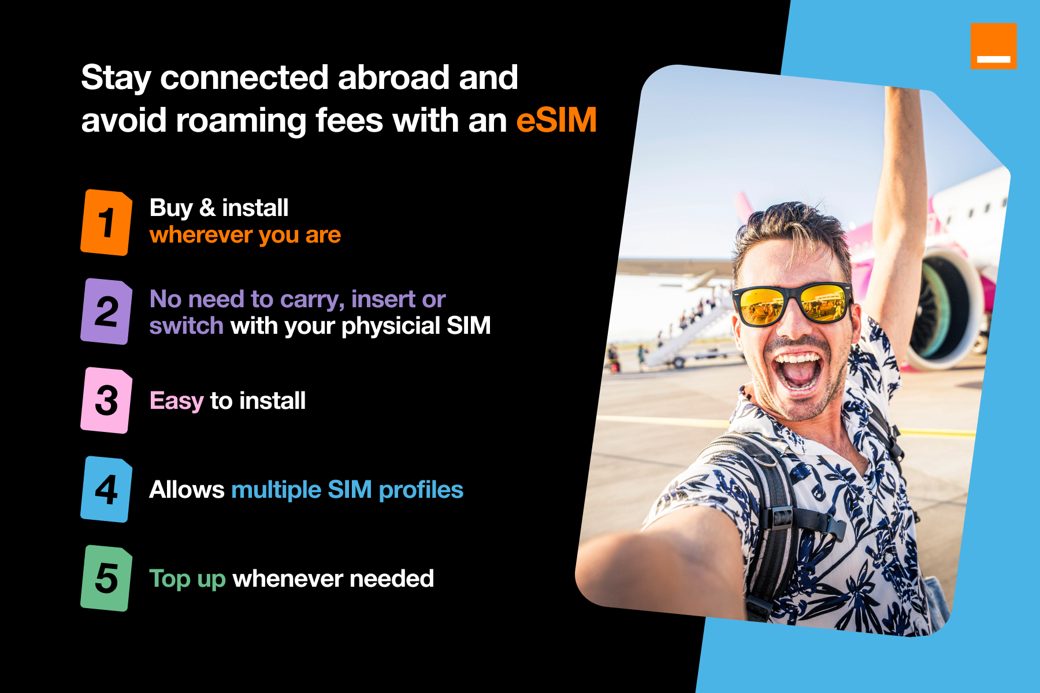
To get online as soon as you land, a Singapore eSIM can be installed before you leave, with no need to look for a local SIM card.

Opening a bank account in Singapore: the essentials

To open an account in Singapore, an expatriate generally needs their passport, proof of address and, depending on the bank, an Employment Pass or a minimum initial deposit. Major local banks — DBS, OCBC, UOB — as well as international banks (HSBC, Standard Chartered, Citibank) offer multi-currency accounts. Some banks allow you to pre-open an account online, but finalisation often requires a visit to a branch after you arrive. The exact requirements vary depending on your status: check them with the bank before taking any action. For full details of the process, required documents and an interactive bank comparison tool, see our guide to opening a bank account in Singapore.

A Pillar of Stability

Singapore has established itself as Asia’s leading financial centre. Under the supervision of the Monetary Authority of Singapore (MAS), the banking sector benefits from strict regulation that ensures transparency and innovation. As an expatriate, you enter a system where digital services are the norm and security is an absolute priority.

120+ Commercial Banks
AAA Sovereign Credit Rating
Modern banking

Singapore’s Banking Landscape

Understand the different players to make the right choice.

The Local Giants

DBS, OCBC and UOB dominate the market. They offer the largest ATM network and the best integrated mobile apps.

  • DBS: "World's Best Bank"
  • OCBC: Excellent for 360 savings
  • UOB: Leaders in rewards cards

International Banks

HSBC, Standard Chartered and Citibank are essential for multi-country transfers and Premier accounts.

  • Global wealth management
  • Pre-arrival account opening
  • Multilingual services

Neobanks & Digital

Trust Bank, GXS and MariBank are transforming the sector with daily interest and a 100% mobile experience.

  • Zero maintenance fees
  • Instant approval via Singpass
  • Exclusive partner offers

How do you open your account?

Opening a bank account in Singapore is one of the first crucial steps in your administrative formalities. Fortunately, the process is quick and efficient.

1

Prepare your documents

Passport, IPA (In-Principle Approval) or FIN card, and proof of address (telecoms bill or tenancy agreement).

2

Choose your channel

At a branch (recommended for a first account) or via the mobile app using Singpass for residents already established in Singapore.

3

Initial Deposit

Allow for between 500 and 3,000 SGD, depending on the bank, to activate the account.

Expert Advice

"To save time, ask your future employer for a bank reference letter. This makes opening an account much easier, especially if you do not yet have a local bill in your name."

Important note:

Local banks generally close at around 4.30pm on weekdays and 11.30am on Saturdays.

Bank Interest Calculator

Calculate your potential returns with local "High-Yield" savings accounts (e.g. DBS Multiplier, UOB One).

5k SGD 20,000 SGD 100k SGD
Estimated Annual Interest
640 SGD

Effective rate: 3.2%
Based on 2026 rate tiers for multi-category accounts.

Optimise my budget →

Financial Products & Services

Shopping in Singapore

Credit Cards & Miles

In Singapore, a credit card is not just a means of payment, but a strategic tool. Cashback programmes (e.g. HSBC Advance) and KrisFlyer Miles (e.g. AMEX Singapore Airlines) are extremely generous.

The shopping guide →

Property Loans

Financing property in Singapore requires an understanding of SORA rates and the specific considerations for expatriates.

See housing guide

Investing

Access to global stock markets and robo-advisers (StashAway, Syfe) with minimal fees.

ETF
REIT

Protection & Insurance

Life insurance, international health insurance or personal protection. Banks often offer integrated packages when you open an account.

Health Insurance Home Insurance Life Insurance

Understanding Local Taxation

Singapore is renowned for its simple, attractive and progressive tax system. As a tax resident (more than 183 days per year in the country), you benefit from some of the lowest rates in the world.

  • Progressive tax: From 0% to 24% for the highest incomes.
  • No capital gains tax: Ideal for investors.
  • GST (VAT): Currently 9% on most goods and services.

Online tax filing

A “Cashless” Society

In Singapore, mobile payments are everywhere. From the local market (Hawker Center) to the luxury shops on Orchard Road, you will almost never need cash.

📱

PayNow

Transfer money instantly using a mobile number or by scanning a QR code.

💳

Contactless

Pay for your public transport directly with your card or Apple Pay.

Find out more about payments

Quick Comparison of Banks

Criteria Local Banks (DBS/UOB) Int. Banks (HSBC/SC) Neobanks (Trust/GXS)
ATM Network Exceptional (Everywhere) Adequate (ATM5 Network) Limited (Visa/MC only)
Savings Rate Up to 4.0% p.a. (subject to conditions) Up to 3.5% p.a. Up to 3.0% (no conditions)
Account Opening Instant with Singpass May take 2–3 days Instant (100% mobile)
Maintenance Fees ~2 SGD (waived if balance > 3k) Variable (high for Premier) Free

Estimated data based on standard offers in 2026. Always check the terms and conditions on the official websites.

Frequently Asked Questions

Ready to manage your finances like a local?

Join our expat community to share your feedback on the different banks and services in Singapore.

Prepare for your arrival in Singapore

Opening an account is often finalised in person. Plan your arrival: flights, your first few days and discovering the city.

Haven’t booked your flight yet?

Compare flights from Paris → Singapore

Updated on

Documents required to open a bank account in Singapore

Singaporean banks require a set of documents to verify your identity and resident status. A valid passport is the main form of identification. You will also need to provide recent proof of address: a telephone bill, tenancy agreement or electricity bill in your name, dated within the last three months.

Your resident status plays a key role. If you hold an Employment Pass, Dependent Pass or Student Pass, bring your In-Principle Approval (IPA) letter or FIN card. Tourists and short-term visitors will find it more difficult to open an account with a local bank, but some international banks accept non-residents subject to a high initial deposit.

A letter of recommendation from your employer makes the process much easier, especially if you have just arrived and do not yet have a local bill. Some banks also ask for proof of income: a payslip, employment contract or bank statements from your home country.

Choosing the right bank for your expatriate profile

Your choice of bank depends on your day-to-day needs, financial plans and personal circumstances. The three major local banks — DBS, OCBC and UOB — dominate the market with a dense network of branches and ATMs, high-performing mobile apps and competitive savings rates. They are particularly suitable for expatriates settling in for the long term who want access to services in English and Mandarin.

International banks such as HSBC, Standard Chartered and Citibank offer the advantage of multi-country accounts and Premier services for affluent clients. They often allow you to start the application process from your home country if you already hold an account there, making your administrative procedures easier before you arrive.

Digital neobanks — Trust Bank, GXS Bank and MariBank — are popular for their simplicity: 100% mobile account opening via Singpass, no maintenance fees and attractive daily interest rates. They are suitable for digitally confident young professionals, but their physical branch network remains limited.

Type of bankMain benefitsTarget audience
Local banks (DBS, OCBC, UOB)Extensive ATM network, advanced mobile apps, high savings ratesExpatriates settling in for the long term
International banks (HSBC, SC, Citi)Multi-country accounts, opening before arrival, Premier servicesMobile professionals, high earners
Neobanks (Trust, GXS, MariBank)No fees, instant opening, daily interestYoung professionals, mobile users

Opening procedure step by step

The opening procedure varies slightly from one bank to another, but generally follows the same pattern. Start by gathering all your documents: passport, proof of address, FIN card or IPA, and letter of recommendation if available. Check the bank’s website for specific requirements and the initial deposit amount required.

With local banks, you can often book an appointment online or go directly to a branch. The adviser will check your documents, ask you to complete an application form and explain the different types of account available. Approval is generally immediate if your application is complete. You will receive your debit card at your Singapore address within five to seven working days.

Opening an account online via Singpass

If you already have Singpass — Singapore’s official digital identity — you can open an account entirely online with local banks and neobanks. The process takes a few minutes: authentication via Singpass, biometric verification using a selfie, selecting the type of account and making the initial deposit by transfer from an existing account. Your account is activated instantly and your physical card is sent to you by post.

International banks sometimes offer pre-opening from your home country if you are already a customer in another jurisdiction. Contact your local adviser before leaving to check whether this is possible and prepare the necessary documents.

Banking fees and fee-waiver conditions

Account maintenance fees vary depending on the bank and type of account. Local banks generally charge between 2 and 5 SGD per month, but these fees are waived if you maintain a minimum balance (often 3,000 SGD) or credit your salary to the account monthly. Premium accounts require higher balances — between 20,000 and 200,000 SGD — but offer personalised services and enhanced savings rates in return.

Neobanks stand out for having no maintenance fees at all, regardless of your balance. Withdrawals from ATMs on the local network are free, but watch out for foreign exchange and overseas withdrawal fees: allow for around 5 SGD per transaction plus a commission on the exchange rate.

How to optimise your banking fees

To minimise your fees, credit your salary directly to your main account and set up automatic transfers to your savings accounts. Use mobile payment apps such as PayNow for free, instant local transfers. For international transfers, opt for specialist platforms rather than traditional SWIFT transfers, which apply significant margins to the exchange rate.

Types of bank account available

Singaporean banks offer several categories of account suited to different needs. A current account is used for day-to-day transactions: payments, withdrawals and transfers. It generally does not earn interest but offers considerable flexibility.

A savings account remunerates your balance with interest rates that vary depending on the conditions you meet: salary crediting, credit card spending, bill payments or investments. Multi-category accounts such as DBS Multiplier or UOB One can offer up to 4% annual interest on certain balance tiers if you meet several criteria.

Multi-currency accounts allow you to hold and manage several currencies (USD, EUR, GBP, AUD) in a single account, which is convenient for expats receiving income from different countries or travelling frequently. Conversion fees are generally more favourable than those on a standard account.

Bank cards and payment methods

Your Singapore bank account gives you access to a debit card that you can use immediately for purchases and cash withdrawals. Cards are generally Visa or Mastercard and accepted worldwide. Contactless payment is the norm in Singapore, including on public transport.

Credit cards are a strategic tool in Singapore. Cashback programmes (a percentage of your purchases refunded) and air miles (KrisFlyer, Asia Miles) are particularly generous. Some cards offer up to 10% cashback on specific categories: petrol, restaurants and supermarkets. To make the most of these benefits, you generally need to spend a minimum amount each month and meet certain conditions.

PayNow, the local instant payment system, allows you to transfer money free of charge using just a phone number or QR code. All Singapore bank accounts are automatically linked to it. You can also use Apple Pay, Google Pay or Samsung Pay for your everyday payments, including on public transport used during your daily journeys.

Savings and investment accounts

Beyond current accounts, Singapore banks offer savings and investment products suited to expats. Step-up savings accounts reward high balances and active banking behaviour: the more you use your banking services (credit cards, insurance and investments), the higher your interest rate becomes.

Integrated investment platforms provide access to global stock markets, ETFs, REITs (real estate investment trusts) and bonds. Robo-advisors such as DBS digiPortfolio, OCBC RoboInvest and independent platforms (StashAway, Syfe) offer automated portfolio management with low fees, which is ideal for beginner or busy investors.

The Supplementary Retirement Scheme (SRS) allows tax residents to benefit from tax advantages on voluntary contributions to retirement savings. Contributions are deductible from taxable income, and investment gains within the SRS are not taxed as long as they remain in the account.

International transfers and currency exchange

International transfers from Singapore can prove costly if you use traditional bank SWIFT transfers. Banks charge fixed fees (between 15 and 40 SGD) and add a margin to the exchange rate, sometimes up to 3% of the amount transferred.

To optimise your transfers to France or other countries, use specialised platforms offering exchange rates close to the real rate and transparent fees. Compare processing times: some services offer instant transfers for higher fees, while others take two to three days but cost less.

Multi-currency accounts allow you to receive transfers in different currencies without automatic conversion, then choose the best time to exchange your currencies based on market fluctuations. This flexibility is particularly suitable for freelancers and consultants who invoice international clients.

Orange Travel eSIM

Frequently asked questions

How long does it take to open a bank account in Singapore?

Opening an account at a branch generally takes between 30 minutes and one hour if your documents are complete. Approval is often immediate, and you receive your debit card within five to seven working days. Via Singpass, online account opening takes a few minutes and the account is activated instantly.

Can you open a bank account in Singapore as a tourist?

Local banks generally require resident status (Employment Pass, Dependent Pass or Student Pass) to open an account. Some international banks accept non-residents, but require a high initial deposit (often 20,000 SGD or more) and substantial maintenance fees. Check the specific requirements with each institution.

How much do you need to deposit to open an account in Singapore?

The initial deposit varies depending on the bank and account type: between 500 and 3,000 SGD for a standard account with a local bank, and up to 200,000 SGD for Premium accounts. Neobanks often require no minimum deposit. This amount remains available in your account after opening.

Are Singapore bank accounts protected in the event of bankruptcy?

Yes, the Singapore Deposit Insurance Corporation (SDIC) guarantees your deposits up to 100,000 SGD per bank and per person if the institution fails. This protection covers current and savings accounts in SGD held by individuals and certain entities. Foreign-currency accounts are not covered.

How do you close a bank account in Singapore before leaving?

Contact your bank at least one month before your departure to find out the exact procedure. You will generally need to visit a branch with your identity document, return your bank cards and settle all outstanding balances. Some banks allow accounts to be closed online. Arrange an account to receive the transfer of the remaining balance.

Do you need to declare your Singapore bank account to the French tax authorities?

If you remain a French tax resident, you must declare all bank accounts held abroad, including in Singapore, using the form attached to your tax return. Failure to comply with this obligation may result in penalties. Consult a tax adviser to determine your tax residence status and your reporting obligations.