Singapore in June: Weather, Events and Travel Tips
Discover Singapore in June: hot, humid weather, possible showers, cultural events and practical tips for planning your trip with flexibility.
Singapore can be visited all year round, but a September stay needs to take two realities into account: hot, humid weather and tropical showers, which can be brief and intense. The climate remains hot, while conditions can vary from one neighbourhood to another and from one day to the next. It is therefore more useful to plan flexible activities and pack suitable clothing than to rely on perfectly stable weather.
The month may also coincide with major events, including the Formula 1 Grand Prix depending on the calendar for the edition concerned. Dates, the programme and any traffic restrictions should be checked with the organisers and official authorities before you leave. Here is how to understand Singapore’s weather in September, organise your days and pack without overloading your suitcase.
In brief

Singapore’s weather in September is part of a tropical climate: heat and humidity are present all year round, rather than being concentrated into a summer and winter comparable to those in France. Temperatures in Singapore generally remain high, but how they feel also depends on humidity, sunshine, wind and showers. When planning a day, it is better to check the forecast as the date approaches than to rely on a general description of the month. You can also consult our guide to Singapore’s climate and seasons.
Humidity can make a walk more tiring than expected, especially when the sun is strong or you are walking for a long time. Shaded streets, covered galleries and air-conditioned spaces provide an opportunity to take a break and resume your route without abandoning your visit. A day involving several journeys on foot is easier if organised by area: this limits repeated travel and changes in exposure.
A shower does not necessarily mean that the whole day is lost. Tropical rainfall can be sudden and heavy, but its duration and location vary. Keeping an indoor activity nearby — a museum, shopping centre or break in a covered venue — makes it easier to adapt your plans. It is still preferable to check conditions in real time if an outdoor outing depends heavily on the weather.
For sightseeing, your pace matters as much as your destination. Starting an outdoor walk when the heat is less tiring, planning breaks to drink and avoiding putting all your physical activities into one part of the day will make your stay more comfortable. Public transport journeys can also reduce the time spent walking in the sun or rain. For practical information, see this guide to getting around Singapore.
Air-conditioned places provide a marked contrast with the outdoors. A lightweight long-sleeved top or an extra layer can be useful in spaces where the air conditioning is strong, even though your main outfit should remain suitable for the heat. To understand how the climate varies throughout the year, see the guide to Singapore’s climate and seasons.
Conditions are not identical every year, and a seasonal trend is not a forecast. Check official weather information before an excursion, particularly if it involves a long walk or outdoor activity. In September, the best strategy is to plan for flexibility rather than count on uniform weather.
Talking about the rainy season in Singapore does not mean that every day in September will be wet or that it will rain without interruption. The tropical climate is characterised by possible showers, sometimes intense, which can change travel conditions quickly. The most practical approach is to keep a main plan and a nearby backup option, rather than filling every day with activities that cannot be moved.
A walk through a historic neighbourhood or a garden visit can be combined with an indoor option. If rain starts, it is often more sensible to take a break in a place within walking distance than to cross the city to reach the next appointment. This organisation also prevents a passing shower from becoming a source of stress. As opening times and access conditions may change, check them directly with the establishments concerned.
Shoes play an important role: a well-gripping sole and a model that dries quickly are more practical than delicate shoes or footwear that is difficult to wear on wet ground. A small umbrella can be useful, but a lightweight rain jacket keeps your hands free, particularly when travelling with a bag. For electronic devices and documents, a waterproof pouch or protected compartment reduces the risk of damage during a shower.
Heat increases the discomfort when clothes remain damp. Breathable outfits that are easy to change and dry quickly make transitions more pleasant. It is also useful to carry a bottle of water and take regular breaks, especially after walking outdoors. Local safety instructions and weather alerts should always take priority over an itinerary planned in advance.
Outdoor activities do not have to be ruled out. They simply require a little flexibility: check the forecast before setting off, avoid going far without a transport option and postpone a visit if conditions become unfavourable. To choose when to travel and compare different periods, the guide to the best time to visit Singapore provides an additional reference.
A well-planned day can also make use of covered spaces rather than treating them as a fallback. Sheltered walkways and shopping centres make some transitions easier, but they do not replace checking routes and opening times. Rain is mainly managed through flexible organisation, suitable clothing and sensible travel plans.
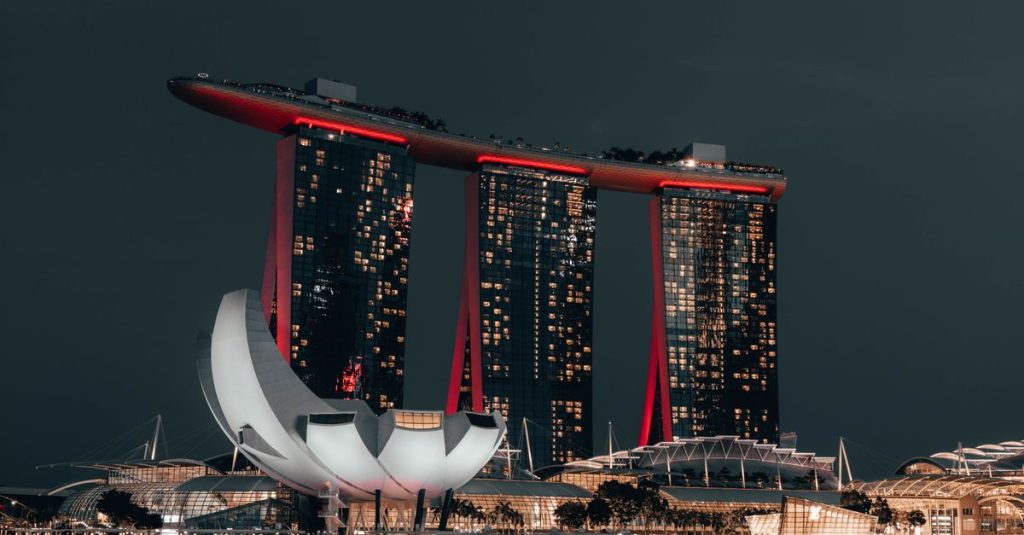
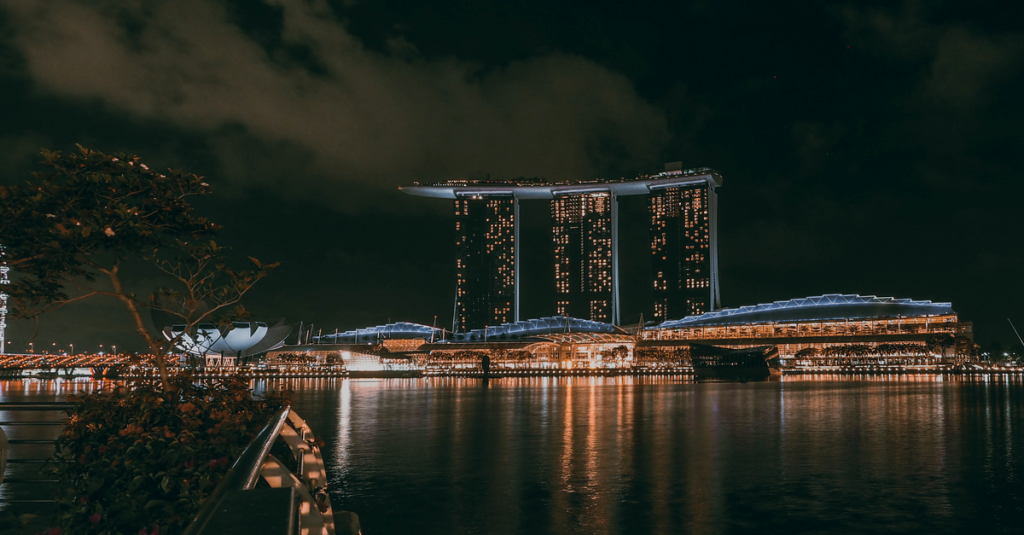
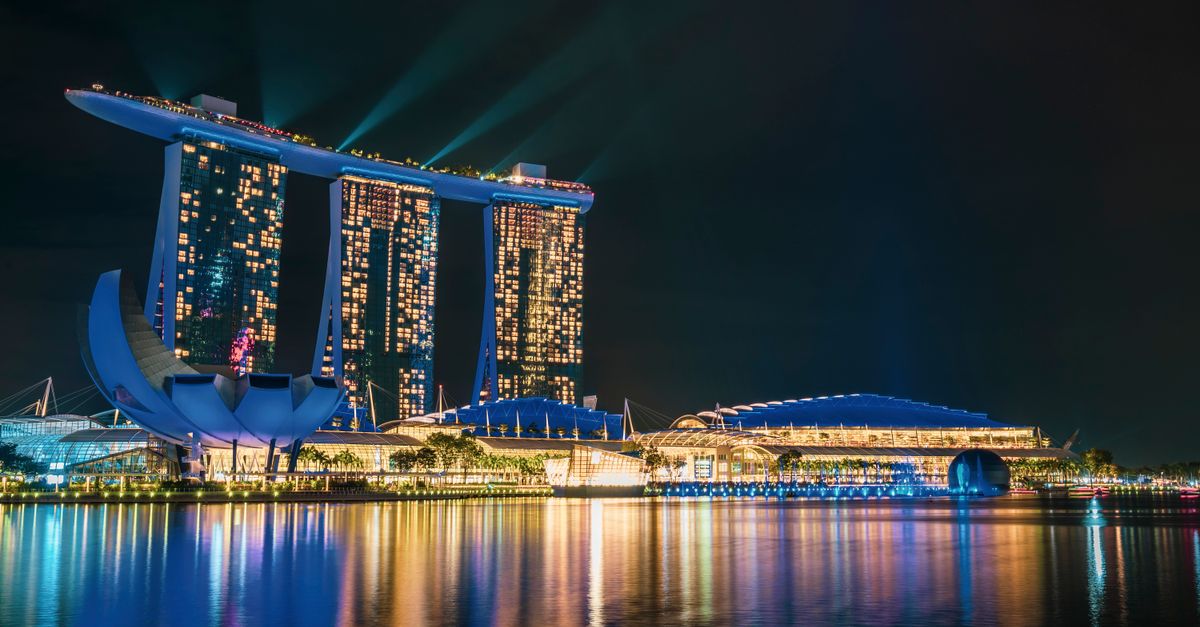
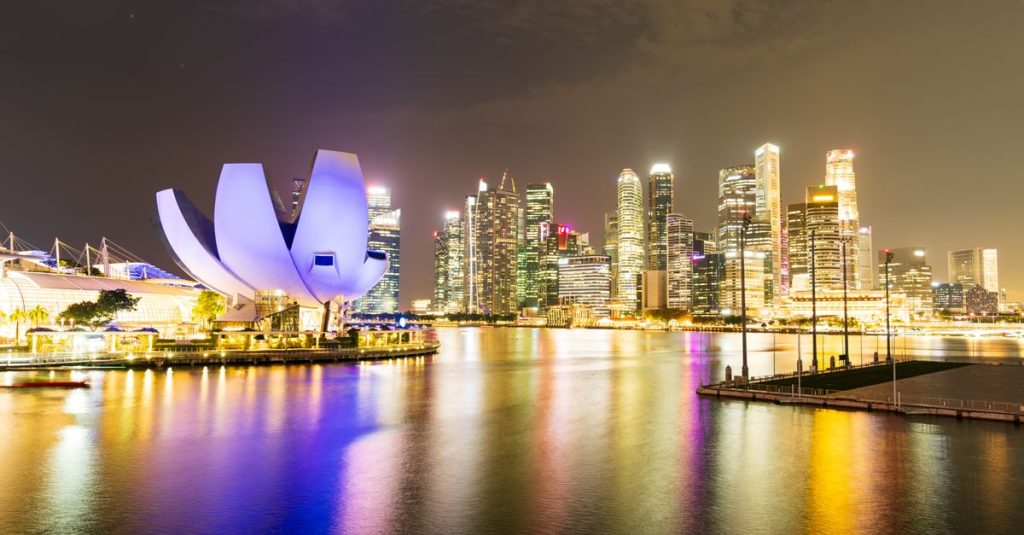
Events in Singapore can give a September stay a particular atmosphere, but their programme is not the same every year. The Singapore F1 is a major event associated with the Marina Bay street circuit, but you should not assume that the Grand Prix takes place on the same dates or follows the same programme every year. Before booking accommodation or activities for this period, check the dates and information with the official organisers.
When a major event takes place, its effects extend beyond the event site. Visitor numbers increase in the areas concerned, roads may be closed or subject to restrictions, and journey times may change. Arrangements depend on the edition: it is better to consult official transport and traffic notices than to rely on old information found in an itinerary prepared several months earlier.
If your trip is organised around the race, examine the practical details before choosing your accommodation: access to entrances, journeys on foot, available transport and the opening times of venues. Precise information may change, particularly when the programme is updated. Tickets, access conditions and applicable rules must be checked with the organiser of the edition concerned.
If the Grand Prix is not the focus of your stay, it may still influence your choice of dates. A neighbourhood that is lively during the event may be less convenient for a quiet visit or a quick journey. Conversely, the atmosphere around the entertainment may appeal to travellers who want to experience a city in full swing. There is no universal choice: the key is to match your travel dates with your priorities and budget.
September may also feature other cultural events, but their dates and scale should be checked for the year concerned. Local events, festivals and exhibitions may change their programmes; it is better to confirm that an activity is taking place before building an entire day around it. The cultural calendar in this guide to festivals in Singapore can help identify possibilities, but does not replace checking official announcements.
For travel, identify stations and alternative routes in advance, then leave extra time for crowds or traffic changes. Having a ticket for an event does not guarantee that getting there will be as easy as on an ordinary day. In September, a successful event schedule depends on checking dates and planning your journeys ahead.
Tip: set up a Singapore eSIM before departure so your data works on arrival.
When deciding what to pack, start with the actual conditions: heat, humidity, possible showers and air conditioning in some places. Lightweight, breathable clothing is suitable for everyday outings, while a change of clothes can be welcome after heavy rain. There is no need to plan a different wardrobe for every activity: a few versatile items that are easy to wash and dry are often more practical.
Rain protection is useful, but it should be easy to carry. A compact umbrella or lightweight waterproof jacket can complement a bag that protects your devices and papers. For walking, choose comfortable shoes suitable for wet surfaces. Sandals can be practical in some situations, but they do not necessarily replace stable footwear for a full day of sightseeing.
Your day bag also deserves some attention. It should hold the essentials without becoming heavy, and its contents should remain accessible when moving between outdoor and covered places. Keeping sensitive items in a protected compartment means you will not have to take everything out at the first shower. An oversized bag can, on the other hand, make it harder to move around on public transport or in very busy spaces.
Before leaving, also check that your travel documents are in order and that your practical information is up to date. Entry formalities may change: consult the relevant official authorities when preparing to leave, rather than relying solely on old information. Health and safety guidance may also change; the guide to safety and practical advice in Singapore is a useful addition to your preparations.
Finally, your suitcase should match your programme, not an imagined weather forecast. A nature excursion, a day of urban sightseeing and an evening connected with an event do not require exactly the same things. A lightweight selection of breathable, rain-resistant clothing is more useful than a large number of specialised outfits.
The most useful travel advice concerns the balance of your schedule. Avoid planning several long outdoor activities without a break, especially if they involve walking. Grouping visits by area reduces journeys and makes it easier to change the order of your stops if a shower arrives. Public transport can make getting around easier, but service information and any disruptions should be checked at the time of travel.
Plan an indoor activity alongside your outdoor plans. This might be a cultural visit, a meal in a neighbourhood you wanted to explore or a break in a covered space. The aim is not to fill every moment, but to have a suitable alternative if the weather changes. As opening times and access rules may be changed by establishments, check these details before setting off.
A realistic itinerary takes walking time, heat and breaks into account, not just the distance on a map. Leave some time between appointments and avoid making too many bookings that are difficult to move. If an outing takes place outdoors, check the forecast on the day and follow official advice in unfavourable conditions. This approach is particularly important during an event that may affect traffic or visitor numbers.
Meals can also help structure the day without making it too busy. A break in a covered place allows you to recover before continuing your sightseeing, while discovering local cuisine can be an activity in its own right. To choose a venue or understand local culinary habits, consult the guide to Singapore restaurants and cuisine. However, check opening times and visitor arrangements directly with the establishments.
If you are travelling with children, an older person or someone who struggles with heat, reduce long walks and plan more breaks. Damp clothing, an overly long walk or prolonged exposure can make the day tiring. Keeping water within reach and choosing places where you can take shelter will help everyone stay comfortable without requiring a complicated schedule.
Finally, follow official information about the weather, transport and events throughout your stay. Prices, opening times and formalities are liable to change: check them with the relevant organisations before committing. The right pace in Singapore in September combines targeted sightseeing, regular breaks and backup options.
The climate is tropical, with heat, high humidity and possible showers. Conditions vary from day to day, so check official forecasts shortly before going out.
No. The month does not mean that it rains continuously. Showers can arrive quickly, so plan an indoor activity and light rain protection.
You should not assume that the dates are the same every year. Check the calendar and access information with the official organisers of the edition concerned.
Pack breathable clothing, comfortable shoes suitable for wet ground, rain protection and a light layer for air-conditioned spaces.
To book tours and activities in Singapore ahead, see the options on Klook.
Updated on 13/11/2026
Scroll to see more articles →