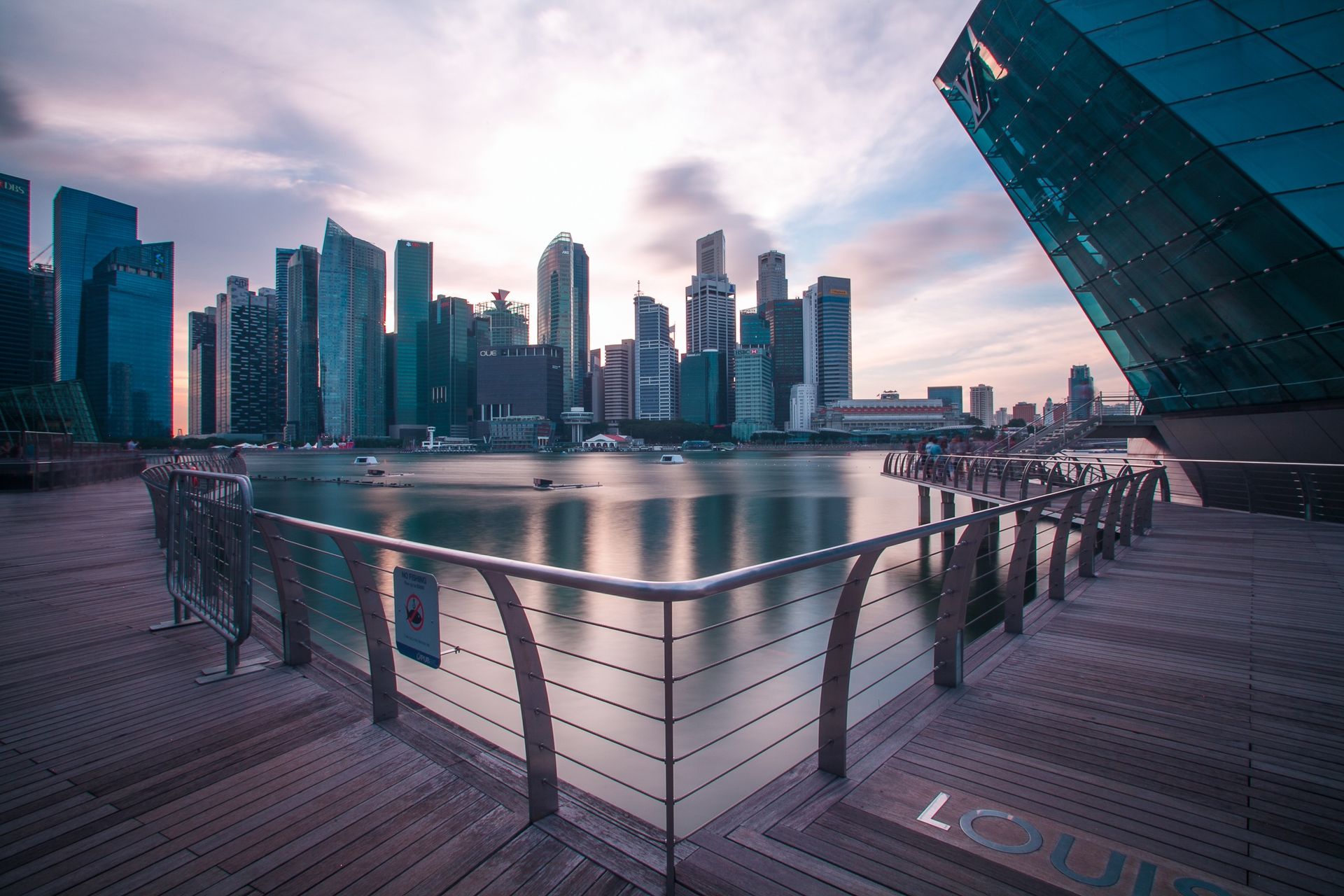
Singapore Skyline in 2026

Safety & Peace of Mind in Singapore

Living in one of the safest city-states in the world in 2026 requires a thorough understanding of local laws and best practices.

Singapore has one of the lowest crime rates in the world, making it a very safe destination for expats and travellers. Violent crime remains exceptional and petty theft, although possible in tourist areas, is still rare. This safety is based on ubiquitous surveillance, active civic cooperation and an extremely strict legal framework that severely penalises any breach.

A Model of Cohesion and Modernity

In 2026, Singapore remains a leading destination for French-speaking expats from France, Canada, Belgium and Switzerland. With a cosmopolitan population blending Chinese, Malay, Indian and Western influences, the city-state offers an exceptional quality of life.

Tip: set up a Singapore eSIM before departure so your data works on arrival.

Its economic dynamism shows no sign of slowing, driven by cutting-edge technology sectors and an exemplary green transition. However, this quality of life rests on a strict social contract and rigorous respect for public order. Understanding these specific features is the key to successful integration.
1.43 SGD/EUR Exchange Rate (Est.)
GMT+8 Time Difference
Singapore Streets Safety in Singapore

Entry and Residence Formalities

Passport & SG Arrival Card

Your passport must be valid for at least 6 months after your departure date. The SG Arrival Card (electronic) is compulsory for all travellers and must be completed 3 days before landing.

Find out more

Visas & Permits

To work, an Employment Pass or S Pass is required. The rules were tightened in 2026 regarding minimum salary thresholds to support local employment.

Job Opportunities

Strict Regulations

Any refusal of boarding or a visa cannot be challenged. Make sure you have a return or onward ticket. Failure to comply with the conditions of stay will result in immediate penalties.

Singapore's Security Framework

Common Crime

Singapore has one of the lowest crime rates in the world. It is common to see bags left unattended on a table to “reserve” a seat (choping). However, vigilance is still required in very touristy areas such as Orchard Road and MRT stations to avoid petty pickpocketing.

Cybercrime

In 2026, financial scams via SMS or WhatsApp (love scams, phishing) are rising sharply. Never share your banking codes.

"Low crime doesn't mean no crime"

This is the national slogan. Safety is the result of constant surveillance (cameras everywhere) and civic cooperation.

Maritime Safety

Caution is advised in the Strait of Malacca and off the Riau Islands due to sporadic risks of piracy.

Emergency & Assistance

The police are extremely responsive. Always keep the useful numbers with you. In the event of a terrorist threat, the SGSecure app is the official notification tool.

Healthcare: Excellence and Vigilance

Singapore has one of the best healthcare systems in the world. However, this level of excellence comes at a cost. For expats, access to private healthcare is the norm, and bills can rise very quickly in the event of hospitalisation or surgery.

Vital Advice

It is essential to take out comprehensive private health insurance including repatriation. See our healthcare guide to compare the options.

Specific Health Risks

  • Dengue Present all year round. Protection against mosquitoes is essential (repellent, long clothing).
  • Zika/Chik Sporadic risks. Particular care is recommended for pregnant women.
  • Haze Air pollution caused by nearby forest fires (often between June and October). Monitor the PSI index.
  • Typhoid Vaccination is recommended for extended stays or frequent travel in Southeast Asia.

Singapore 2026 Compliance Checker

Select an item or action to find out about the applicable regulations and penalties.

Laws and Customs: What You Need to Know

Smoking Ban

Tobacco and Vaping

Since September 2025, tobacco regulations have been tightened further. Electronic cigarettes (puffs, vapes, IQOS) are strictly prohibited: possession, purchase and use are liable to fines of up to 2,000 SGD.

Smoking conventional cigarettes is prohibited in almost all public places, parks and within 5 metres of a bus stop. Smoking areas ("Smoking Zones") are rare and strictly demarcated.

Singapore Justice

Zero-Tolerance Policy: Drugs

Singapore applies the death penalty for drug trafficking.

Even drug use (including cannabis) carried out abroad before your arrival may be punished if traces are detected in a urine test at the border. Do not take any risks; random checks are frequent.
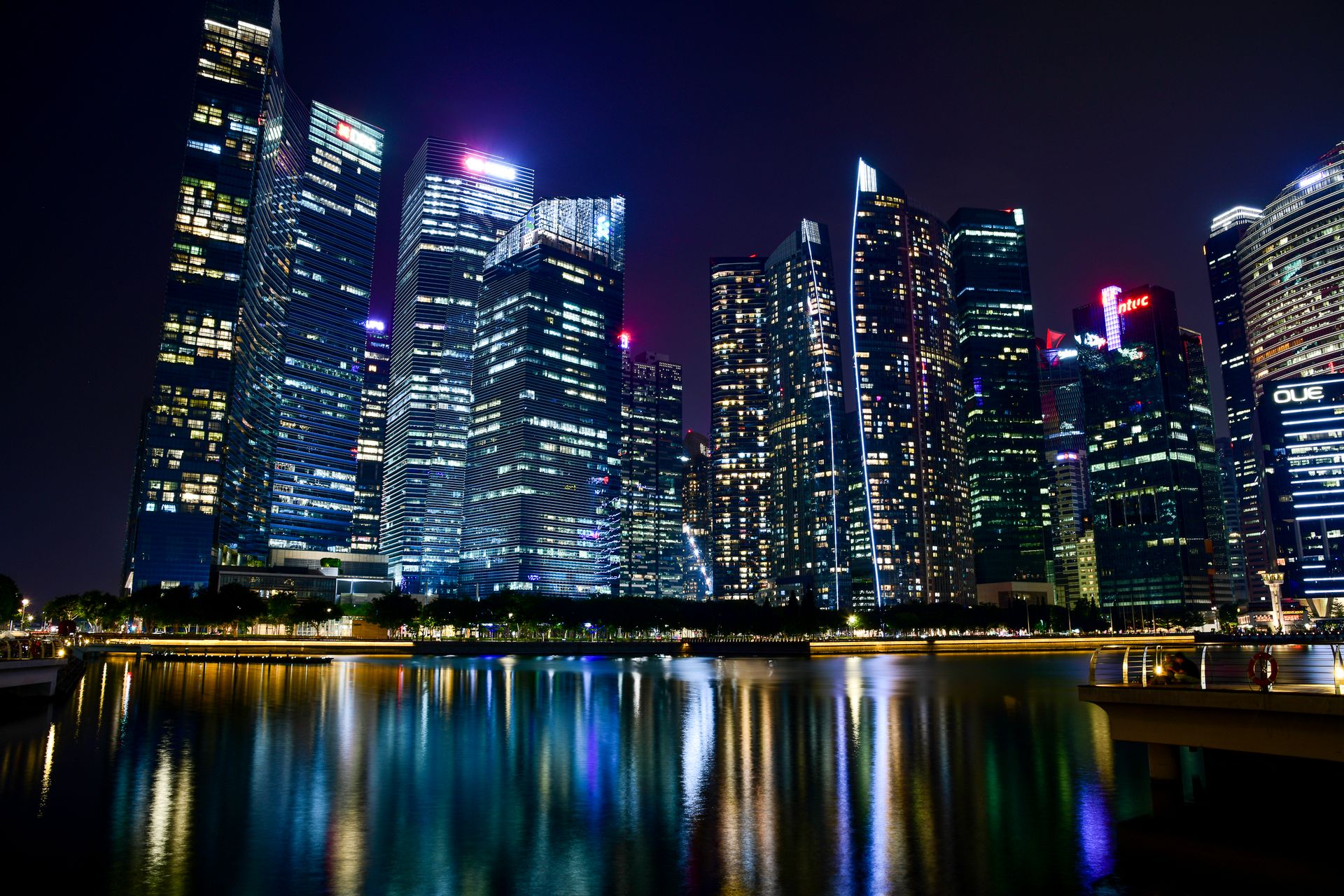
Nightlife

Alcohol and Social Behaviour

The sale and consumption of alcohol in public places are prohibited between 10.30pm and 7.00am. Certain areas, such as Little India and Geylang, have even stricter restrictions at weekends.

  • Outrage of Modesty: Inappropriate behaviour in public can lead to a conviction for "Outrage of Modesty".
  • Vandalism: Graffiti is punishable by caning.
  • Demonstrations: Any public gathering for political or social purposes without a permit is illegal (even if it involves only one person).
Read the guide to responsible nightlife →

Everyday Life

Equatorial Climate

Hot and humid all year round (31°C on average). Storms are sudden and severe. Always carry an umbrella and a light jacket for the often freezing air conditioning indoors.

Climate tips →

Efficient Transport

The MRT network is one of the best in the world. Buying a car is extremely expensive because of the COE (Certificate of Entitlement). Use public transport or taxis (Grab, Gojek) instead.

Transport guide →

Digitalisation

Almost everything is done via smartphone: Singpass for government services and PayNow for payments. Internet access is ultra-fast and almost ubiquitous.

Digital services →

Settling In and Financial Management

Successfully settling in requires careful preparation, particularly regarding housing costs, which remain the main expense.

Local Banks

Opening an account (DBS, OCBC or UOB) is quick once your work permit has been approved.

Attractive Taxation

The tax system is progressive and relatively low, but requires good tax planning.

Customs Restrictions

The import of meat, chewing gum for commercial purposes, weapons or obscene publications is prohibited or subject to a strict permit requirement.

Education: A Competitive Choice

If you arrive with your family, choosing a school is essential. Between Singapore's public system (which is highly demanding), international schools and the Lycée Français de Singapour (IFS), budgets range from 15,000 to 45,000 SGD per year.

View the Education guide

Frequently Asked Questions (FAQ)

Ready for your new life in Singapore?

Join our French-speaking expat community to exchange advice, tips and first-hand experiences.

In the event of a consular emergency, contact your home country's embassy in Singapore.

© 2026 Living in Singapore - The leading portal for the French-speaking community.
Updated on

Understanding Singapore's Crime Rate

Singapore regularly ranks among the safest countries in the world. Its crime rate is structurally low thanks to a rigorous prevention policy, a strong police presence and a deterrent justice system. The local authorities nevertheless point out that “low crime doesn't mean no crime”: vigilance is still required.

The most common offences involve pickpocketing on public transport, at airports or in busy tourist areas such as Orchard Road or Marina Bay. Violent crimes, assaults and burglaries remain extremely rare. The local culture of “choping” (reserving a seat by leaving a bag on a table) reflects the general climate of trust.

Trends and Statistics

Official data shows a continuous decline in crime over several decades. This trend is explained by an educational and collaborative approach between the police and residents, as well as by a dense network of surveillance cameras in public spaces.

Cybercrime: A Growing Risk

Unlike street crime, online scams are increasing sharply. Expats are prime targets for scams via SMS, WhatsApp or email (phishing, love scams and fake job offers). Never share your banking codes, even if the message appears to come from your bank. Always verify the authenticity of requests through an official channel.

Type of riskLevelPrecautions
PickpocketingLowKeep an eye on your belongings in crowded places
Physical assaultVery lowAvoid isolated areas at night
CybercrimeMedium to highNever share your banking login details
TerrorismHeightened vigilanceInstall the SGSecure app

Strict laws that ensure safety

Singapore’s exceptional safety is based on a very strict legal framework. Penalties are severe and enforced regardless of nationality. Any offence, even a minor one, can result in heavy fines or even prison sentences or corporal punishment.

Drugs: absolute zero tolerance

Singapore applies the death penalty for drug trafficking. Mere consumption, even if it took place abroad before your arrival, may be punishable if traces are detected in a urine test at the border. Random checks are frequent. Do not take any risks: cannabis, even if legal in your country of origin, remains strictly prohibited.

Vaping and electronic cigarettes

Since September 2025, possessing, buying and using electronic cigarettes (puffs, vapes, IQOS) has been strictly prohibited. Fines can reach 2,000 SGD. Smoking conventional cigarettes is permitted only in designated smoking areas, which are few and strictly regulated.

Alcohol and behaviour in public

The sale and consumption of alcohol in public places are prohibited between 22:30 and 07:00. Certain areas such as Little India and Geylang impose even stricter restrictions at weekends. Inappropriate behaviour in public may lead to a conviction for “outrage of modesty”.

Other common offences

Crossing outside a pedestrian crossing (jaywalking) when within 50 metres of an official crossing carries an immediate fine of 50 SGD, which can rise to 1,000 SGD for repeat offences. Littering is also severely punished. Vandalism, including graffiti, may result in caning.

Healthcare and environmental risks

Singapore has one of the best healthcare systems in the world, but costs are high. It is essential to take out comprehensive private health insurance including repatriation before your arrival.

Specific health risks

Dengue is present all year round. Use mosquito repellent and wear long clothing, especially at dawn and dusk. Zika and chikungunya are also risks, with particular care needed for pregnant women. Typhoid vaccination is recommended for extended stays or frequent travel in Southeast Asia.

Air pollution (haze)

Between June and October, smoke from forest fires in Indonesia can affect Singapore. Monitor the PSI (Pollutant Standards Index), which is published daily. In the event of a spike, limit outdoor activities and wear a filtering mask if necessary.

Drinking water

Singapore tap water is of very high quality and fully safe to drink according to WHO standards. You can drink it safely anywhere in the country.

Practical tips for your everyday safety

Even in a very safe environment, a few simple precautions can give you greater peace of mind.

On public transport and in public places

Keep your valuables within sight on public transport, especially during peak hours. Never leave your phone or wallet unattended, even to “reserve” a seat. In tourist areas such as Marina Bay or Orchard Road, remain alert to pickpockets.

In an emergency

The police are extremely responsive. Dial 999 for the police or fire service, and 995 for an ambulance. Always keep these numbers close at hand. In the event of a terrorist threat, the SGSecure app is the official notification and alert tool.

Maritime safety

If you are sailing in the Strait of Malacca or off the Riau Islands, remain cautious because of sporadic risks of piracy. Check with the local maritime authorities before going out to sea.

Respect for customs and social behaviour

Singapore is a multicultural society where mutual respect is paramount. Avoid excessive displays of affection in public, respect queues and never raise your voice. Any public demonstration without a permit is illegal, even for a single person. Foreigners are not allowed to take part in political gatherings.

Safety for women and families

Singapore is considered a very safe country for women travelling alone. Street harassment is rare, and the strong police presence discourages inappropriate behaviour. Public transport is reliable at all hours, including at night.

For families, the city offers a reassuring environment. Children can travel around independently in residential neighbourhoods from a certain age. Parks, shopping centres and public spaces are well maintained and monitored. If you are moving with children, find out about suitable schooling options, from the local system to international schools.

Administrative formalities and compliance

Following entry and immigration formalities is essential to avoid any problems with the authorities. Your passport must be valid for at least six months after your planned departure date. The electronic SG Arrival Card is compulsory for all travellers and must be completed within the three days before arrival.

To work, an Employment Pass or S Pass is required. The rules on minimum salary thresholds have become stricter to promote local employment. Any refusal of boarding or a visa cannot be challenged. Make sure you have a return or onward ticket. Failure to comply with the conditions of stay results in immediate penalties, including deportation.

Customs restrictions

The import of meat, chewing gum for commercial purposes, weapons, obscene publications or electronic cigarettes is prohibited or subject to a strict permit. Always declare large sums of money and prescription medicines. If in doubt, consult the customs authorities before your departure.

Orange Travel eSIM

Frequently asked questions

Is Singapore really safe for expats?

Yes, Singapore has one of the lowest crime rates in the world. Violent crime is exceptional and petty theft remains rare. Safety is based on pervasive surveillance and strict laws enforced without exception.

What are the risks of cybercrime in Singapore?

Online scams (phishing, love scams and fake offers) are on the rise. Expats are prime targets. Never share your bank details or codes by SMS or email, even if the message appears to come from your bank.

What are the risks of crossing outside pedestrian crossings?

Crossing less than 50 metres from a pedestrian crossing without using it (jaywalking) incurs an immediate 50 SGD fine. In the event of a repeat offence, the fine can reach 1,000 SGD, or even result in a prison sentence.

Can you vape in Singapore in 2026?

No. Since September 2025, possessing, buying and using electronic cigarettes (puffs, vapes and IQOS) has been strictly prohibited. Fines can reach 2,000 SGD, even for personal use at home.

What health precautions should you take in Singapore?

Dengue is present all year round: use mosquito repellent. Take out comprehensive private health insurance, as healthcare is excellent but expensive. Tap water is safe to drink everywhere.

Is Singapore safe for women travelling alone?

Yes, Singapore is very safe for women travelling alone. Street harassment is rare, police presence is strong and public transport is reliable at all times, including at night.