Sending a Parcel to Singapore: SingPost, Customs and Delivery Times
Find out how to send or receive a parcel in Singapore, with guidance on SingPost, delivery times, tracking and customs formalities.
Bird Paradise is Mandai’s bird park in Singapore, dedicated to observing birds and discovering their habitats. A visit allows you to see exotic birds in spaces designed to evoke different natural environments, while exploring biodiversity and animal conservation. To make the most of it, allow plenty of time, wear comfortable shoes and check the practical information with Mandai before setting off.
In brief: Bird Paradise is suitable for families, animal lovers and visitors who want to devote part of their stay to nature. A visit is not simply about looking at species: it also encourages you to observe their behaviour, understand the environments they depend on and consider the challenges involved in protecting them. The weather, getting around the park and the times of certain presentations may affect your route; check these details with the organisation managing the park.

Bird Paradise is located in Mandai, an area of Singapore associated with attractions dedicated to nature and animals. The park offers an introduction to birdlife through aviaries and spaces arranged to present birds in settings that evoke their natural habitats. The appeal of a visit lies as much in the diversity of the species as in the opportunity to take time to observe their movements, postures and interactions with their surroundings.
This type of park is visited differently from a museum. The animals do not appear according to a perfectly predictable route: one bird may remain at a distance, rest or show itself only briefly, while another attracts attention with its colours or movements. Information panels and on-site signs help place each observation in context. For visitors, this approach turns the walk into a series of attentive moments rather than a simple rush from one point to the next.
The site is suitable for a broad audience. Families can enjoy an outing that is both entertaining and educational, while travellers interested in biodiversity may linger over the differences between the species and habitats represented. It is useful to plan at a flexible pace: children may want to watch an animal for a long time, while an adult may prefer to read the interpretive information. A successful visit leaves room for these pauses.
Mandai’s location also allows you to place Bird Paradise within a wider Singapore itinerary. Travellers organising their schedule can consult the information about tourism and excursions in Singapore, then compare this outing with other activities. For a longer stay, the page on moving to Singapore covers another aspect of local life, while the guide to Singapore’s climate and seasons helps you anticipate the heat and possible showers.
It is best not to assume that all areas offer the same viewing conditions. Vegetation, facilities and the animals’ behaviour affect what you may see at any given moment. The best approach is to follow the suggested route, read the information provided in the park and give the birds the distance they need. Bird Paradise is best explored patiently: attentive observation is an integral part of the visit.
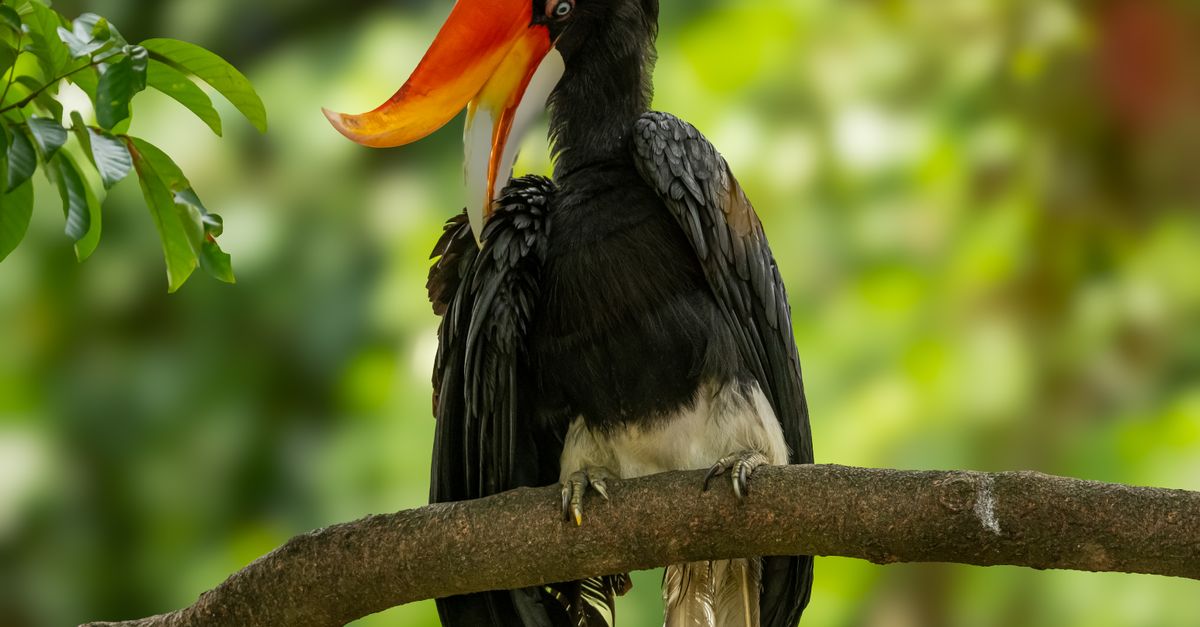
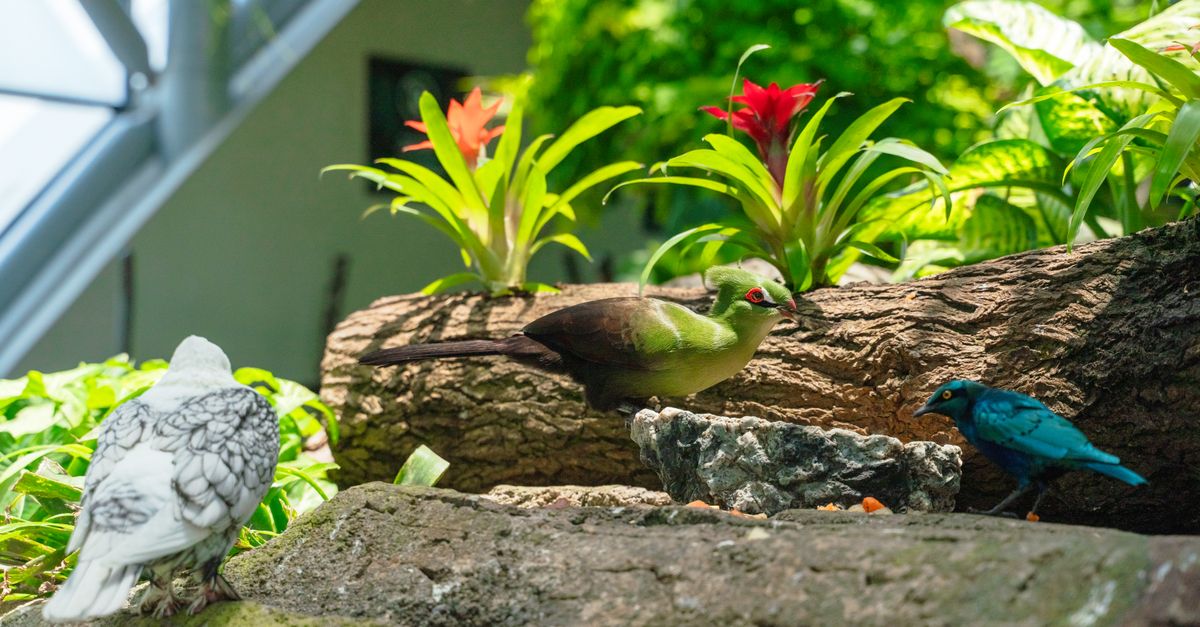
The aviaries are at the heart of the Bird Paradise experience. They allow you to discover birds in spaces designed to evoke natural environments, with vegetation and features that add depth to the viewing experience. You can pay attention to how the birds move, perch and use the space, rather than limiting yourself to identifying their appearance.
Observing a bird sometimes requires more patience than you might expect. Some species are visible as soon as you enter an area; others blend into the surroundings or remain still. It is useful to slow down, look at different parts of the aviary and notice behaviour rather than searching only for a close-up photograph. This way of visiting makes the experience richer and reduces the temptation to get too close or make noise to attract attention.
Exotic birds often arouse curiosity because of their plumage, shape or calls. Yet their appearance tells only part of their story. The park’s explanations can help you understand their relationship with their habitat, their diet and the characteristics that distinguish them. When information is not immediately visible, it is better to refer to the signs and on-site instructions than to draw conclusions from a brief observation.
Rules of conduct are important in a space where animals move close to the public. Follow the staff’s instructions, do not feed the birds unless explicitly authorised and avoid sudden movements. Visitors must also respect closed areas and circulation limits. These precautions are not mere formalities: they help preserve a calm environment that benefits both the animals and the people who have come to observe them.
For children, the aviaries provide an opportunity to learn to look carefully. An adult can ask them to compare beak shapes, ways of perching or visible behaviours, without turning the activity into a competition to spot as many species as possible. This type of observation encourages curiosity and reminds them that a wildlife park is not simply a backdrop designed for visitors. The quality of the encounter also depends on the public’s discretion.
A photograph can preserve the memory of a visit, but it should not take precedence over observation. Devices and screens can distract you, and flash photography may disturb the animals. Follow the displayed instructions and favour photographs taken without disrupting the scene. In the aviaries, the right distance is the one that allows you to watch without imposing your presence on the birds.
Biodiversity refers to the variety of living things and the environments to which species are connected. At Bird Paradise, the presentation of the birds can provide a starting point for understanding that their existence depends on specific ecological conditions. Available food, nesting sites, vegetation and the quality of the environment are among the factors that influence the lives of species. A bird park can make these connections more tangible by bringing the public closer to animals they might not otherwise encounter in everyday life.
Animal conservation is not limited to presenting species to the public. It forms part of a broader reflection on protecting animals and their natural habitats. To understand an institution’s exact role, rely on the information it provides itself, particularly about its programmes, partnerships or awareness-raising activities. A visit can introduce you to the subject, but it does not justify assuming that every species you see takes part in a particular programme.
Explanations about natural habitats help avoid an oversimplified view of wildlife. A bird is not merely a shape or a colour: it belongs to an environment, and changes to that environment can affect its ability to feed, reproduce or move around. By taking time to read the signs, visitors can connect what they see in the aviaries with wider ecological issues. The aim is to understand the links between animals and their environments, rather than memorising a list of names.
This educational dimension also appeals to children. Adults can encourage them to make simple observations: where is the bird standing, how is it moving and which elements of the setting is it using? These questions encourage active discovery without claiming to replace a scientific explanation. They also help distinguish what is observed from what is interpreted. A visit can therefore awaken an interest in nature without inventing details about an animal’s life.
The park may also prompt reflection on visitors’ responsibilities. Respecting animals, following instructions and not leaving rubbish behind are basic actions in a space dedicated to wildlife. Awareness-raising activities can also continue after the visit through reading or observation outings in other natural environments. The link between discovery and conservation becomes more tangible when visitors understand that protecting living things also depends on preserving habitats.
To explore the subject further during your stay, you can compare this visit with other nature outings listed in the section on excursions in Singapore. The natural world is not limited to managed spaces: it also encourages you to observe how a dense city organises its green spaces and environments. At Bird Paradise, the main aim is to leave with a clearer understanding of the links between birds, their habitats and conservation efforts.
To get online as soon as you land, a Singapore eSIM can be installed before you leave, with no need to look for a local SIM card.
Bird Paradise can be suitable for a family outing because birdwatching can accommodate different paces. Children may be drawn to the colours and movements, while adults may be more interested in information about the species or the park’s organisation. To avoid tiredness, plan a flexible day with breaks rather than trying to cover every area quickly. The actual duration depends on the group’s interest, the conditions on the day and the activities available during the visit.
Before setting off, check Mandai’s official information about opening hours, entry arrangements, any presentations and the applicable rules. These details may change, so do not rely on outdated information or an unverified estimate. The same applies to prices and booking conditions. No price or time should be considered permanent without recent confirmation from the organisation managing the park.
Singapore’s weather deserves particular attention, as heat and showers can affect how comfortable the walk is. Check the forecast before setting off and adapt your clothing: light clothes, sun protection and something to protect you from rain may be useful depending on the expected conditions. General information about Singapore’s climate helps you prepare for your stay, but only a check close to the visit can help you anticipate the weather on the day.
Transport also requires some planning. Identify in advance how to reach Mandai and the options for getting around locally, taking into account the needs of children or people with reduced mobility. Routes, services and transport times may change; consult updated information before setting off. The page on transport and mobility in Singapore can help you plan journeys around the city, but does not replace the official instructions for the day.
A few simple measures make the outing more comfortable: bring water, take breaks and explain to children that they should remain calm near the animals. Camera equipment is not essential; attentive observation is often more memorable than a succession of photographs. If the group wants to attend a presentation or take part in an activity, check in advance whether booking is required and whether places are available.
The park can be a significant activity during a stay, but you should allow for its location and the time spent travelling. To organise the rest of your trip, the guide to Singapore’s budget and cost of living provides general reference points, while the section on housing in Singapore is relevant to visitors preparing for a longer stay. A successful outing mainly depends on simple preparation: verified information, a suitable pace and respect for the rules.
The best way to explore Bird Paradise depends on each visitor’s priorities. Some favour areas presenting birds they do not know; others are mainly interested in the facilities and explanations about the habitats. Before entering, looking at the map and the park’s directions allows you to create a realistic route. You do not need to see everything to enjoy the visit: it is better to explore a few observations in depth than to pass through the areas without stopping.
The table below helps you prepare for the outing according to your needs, without replacing official information that may change. Details relating to opening times, prices, activities and access conditions should be checked with Mandai before travelling. This precaution avoids building a programme around information that is no longer up to date.
| What to prepare | Why it is useful | What to check |
|---|---|---|
| Entry information | To understand the visiting conditions and organise your arrival. | Current prices, booking and arrangements with Mandai. |
| Route through the park | To choose priority areas and maintain a comfortable pace. | Map, access and any temporary closures. |
| Weather and clothing | To cope more easily with heat or a shower during the walk. | Local forecast close to the day of your visit. |
| Transport | To reach Mandai without having to improvise your journey. | Updated routes and services. |
| Activities and presentations | To adapt your schedule to the activities that interest the group. | Programme, times and any participation conditions. |
Once there, the signs and staff instructions should take precedence over general advice found elsewhere. An area may be temporarily inaccessible, or an activity may follow a particular schedule. Visitors are better off allowing some flexibility in their programme than organising every minute. This is particularly useful for families, as breaks, meals and children’s interests affect the pace of the day.
To observe the birds, choose a place where you can stop without obstructing the route. Watch their behaviour for a few moments and consult the available information to place your observation in context. If an animal remains hidden, move to another area and return later only if the route allows it. Avoid trying to provoke a reaction or attract the bird: the quality of the experience depends on respecting its space.
The visit can then form part of a wider itinerary. Travellers continuing on to other activities can consult the pages about restaurants and cuisine or shopping in Singapore. Those arriving by air will find useful information about Changi Airport, while procedures relating to a longer stay are covered in the section on administrative procedures. Bird Paradise can therefore be incorporated into a coherent programme without turning the day into a race against the clock.
A good route prioritises curiosity, breaks and respect for the animals; practical details should be confirmed before each visit.
Bird Paradise is in the Mandai area of Singapore. Check transport and access information with Mandai before travelling.
Yes. Birdwatching and the discovery areas can appeal to several generations. Plan a flexible pace, allow for breaks and follow the rules designed to protect the animals.
The duration depends on the route you choose, the activities available and the time spent observing. Consult Mandai’s map and information to organise your day without imposing an overly tight schedule.
Check the opening hours, entry arrangements and any booking requirements with Mandai before setting off. These details may change and should be confirmed for the date of your visit.
Follow the displayed instructions, remain calm, do not feed the birds unless explicitly instructed to do so and respect restricted areas. Observing from a distance contributes to the animals’ welfare.
To book tours and activities in Singapore ahead, see the options on Klook.
Updated on 21/11/2026
Scroll to see more articles →