Singapore: The Urban Oasis of the Future
Discover how the "Garden City" became a "City in Nature", bringing together biophilic architecture, wildlife reserves and futuristic parks.
Sustainable Vision
The Green Plan 2030: More Than an Ambition, a Reality
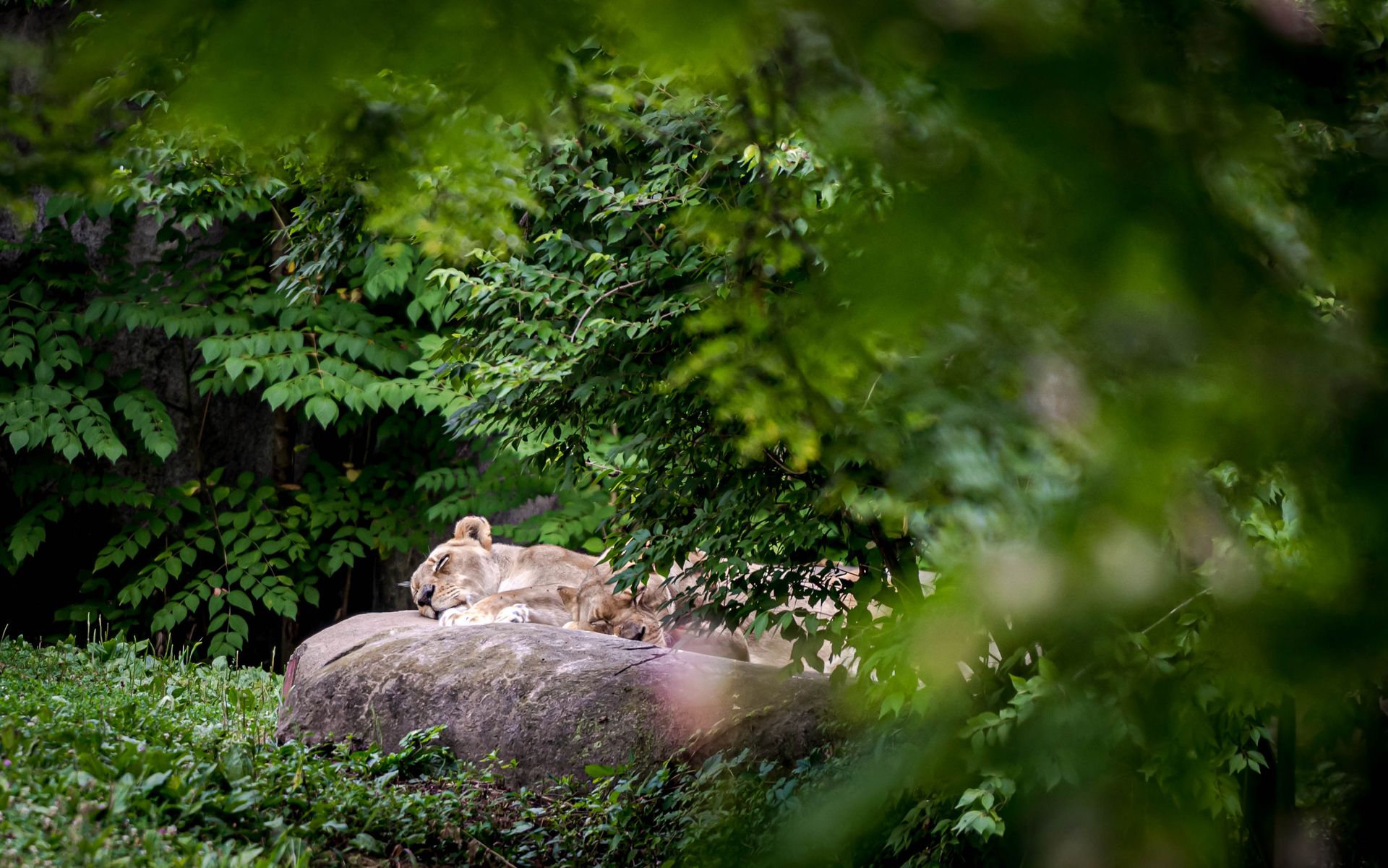
In 2026, Singapore is no longer content simply to line its streets with skyscrapers. The city-state has reached a crucial stage in its Green Plan 2030. The aim? For every resident to live within a 10-minute walk of a green space. This transition towards a "City in Nature" is not merely aesthetic: it is vital for combating urban heat islands and preserving biodiversity that is unique in the world.
From the vertical gardens of Tanjong Pagar to the ecological corridors linking the central reserves, nature finds its way into every gap between the concrete. Singapore proves that record urban density can coexist with thriving wildlife.

The Jewels of the Urban Jungle
Explore the iconic sites where human ingenuity and the power of nature come together to create extraordinary landscapes.
Botanic Gardens
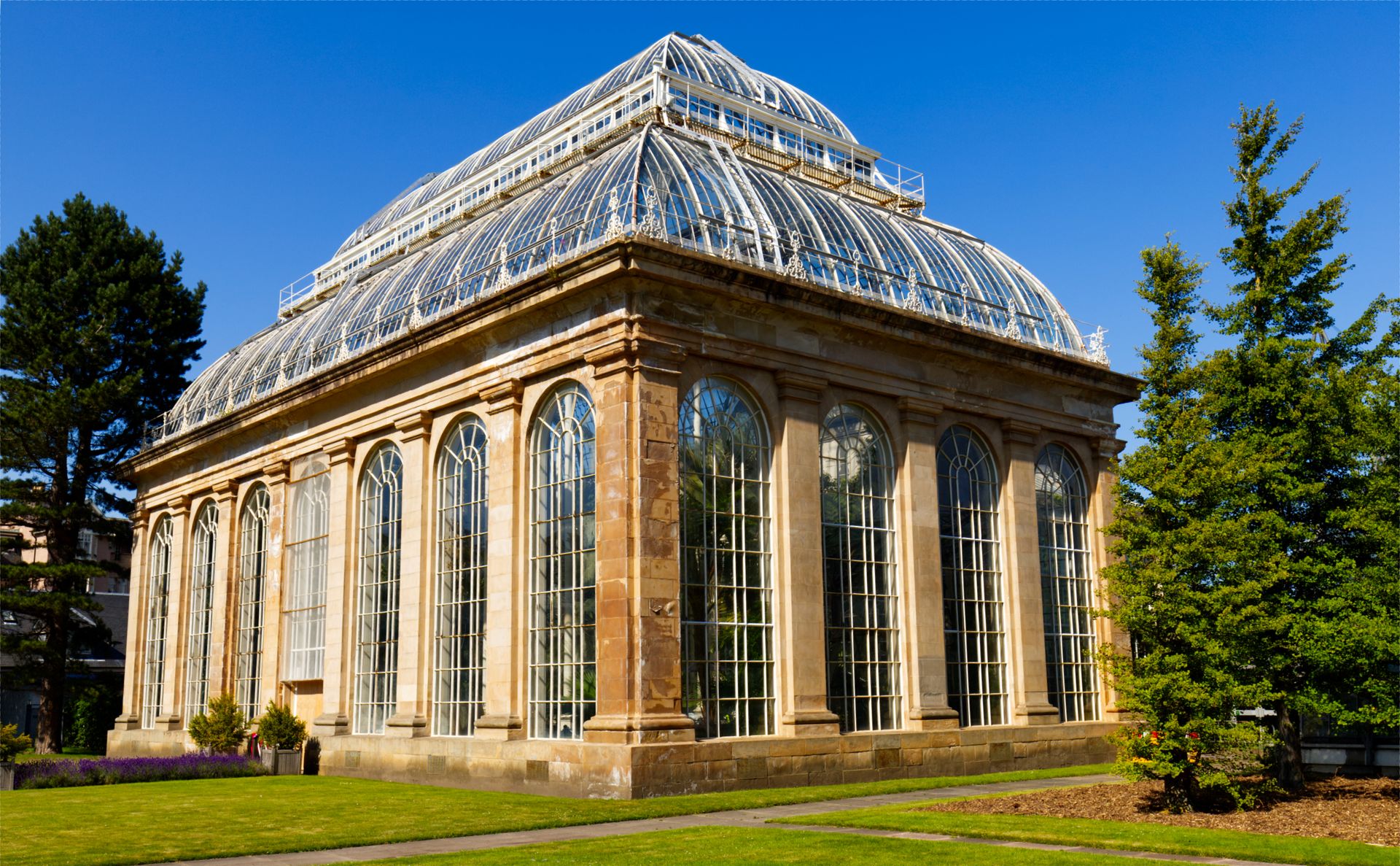
The first and only tropical botanic garden to be listed as a UNESCO World Heritage Site. A peaceful 82-hectare haven.
Discover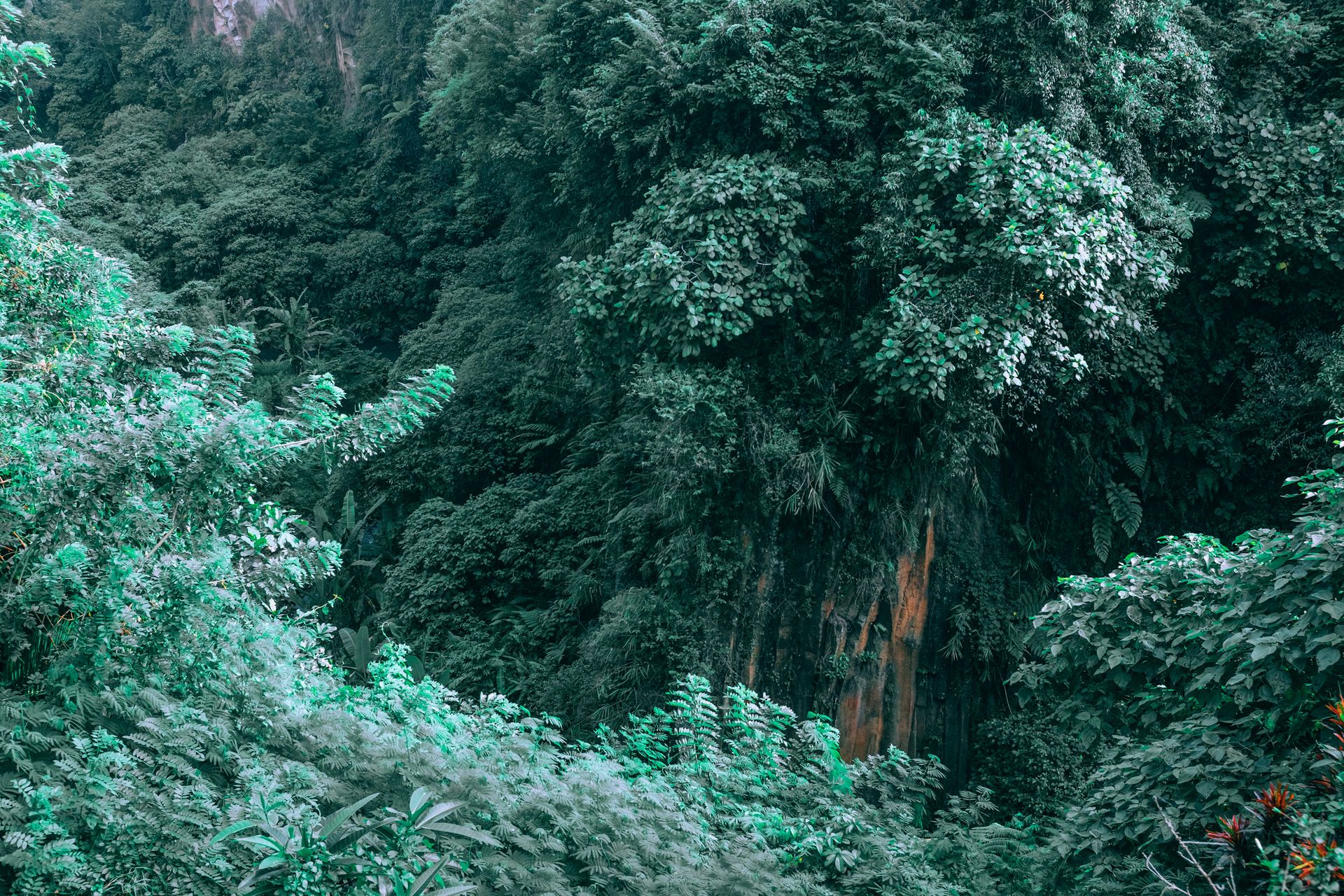
Gardens by the Bay
Between the giant Supertrees and futuristic domes, explore the pinnacle of modern horticulture.
Southern Ridges
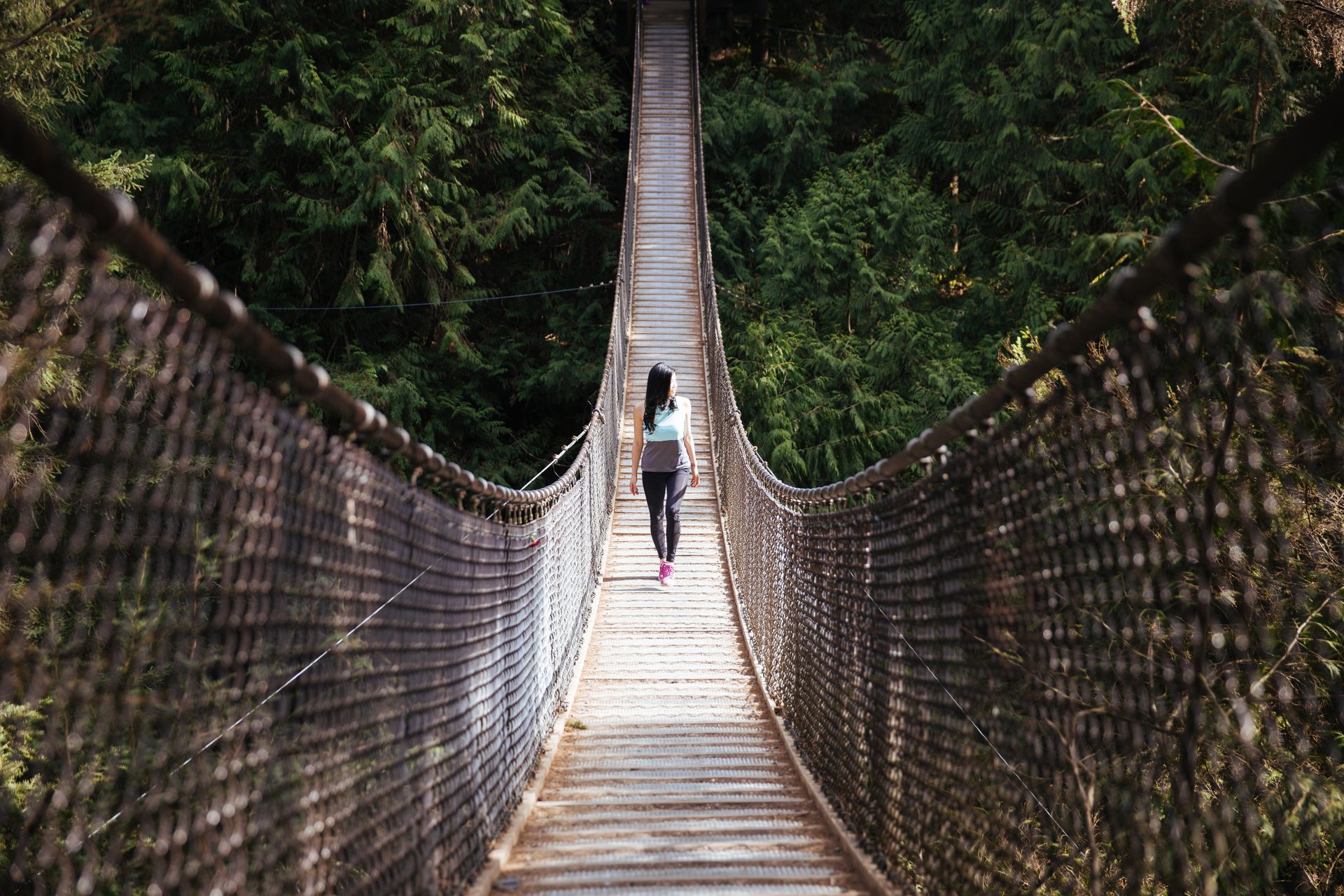
10 km of elevated trails linking the coastal parks.
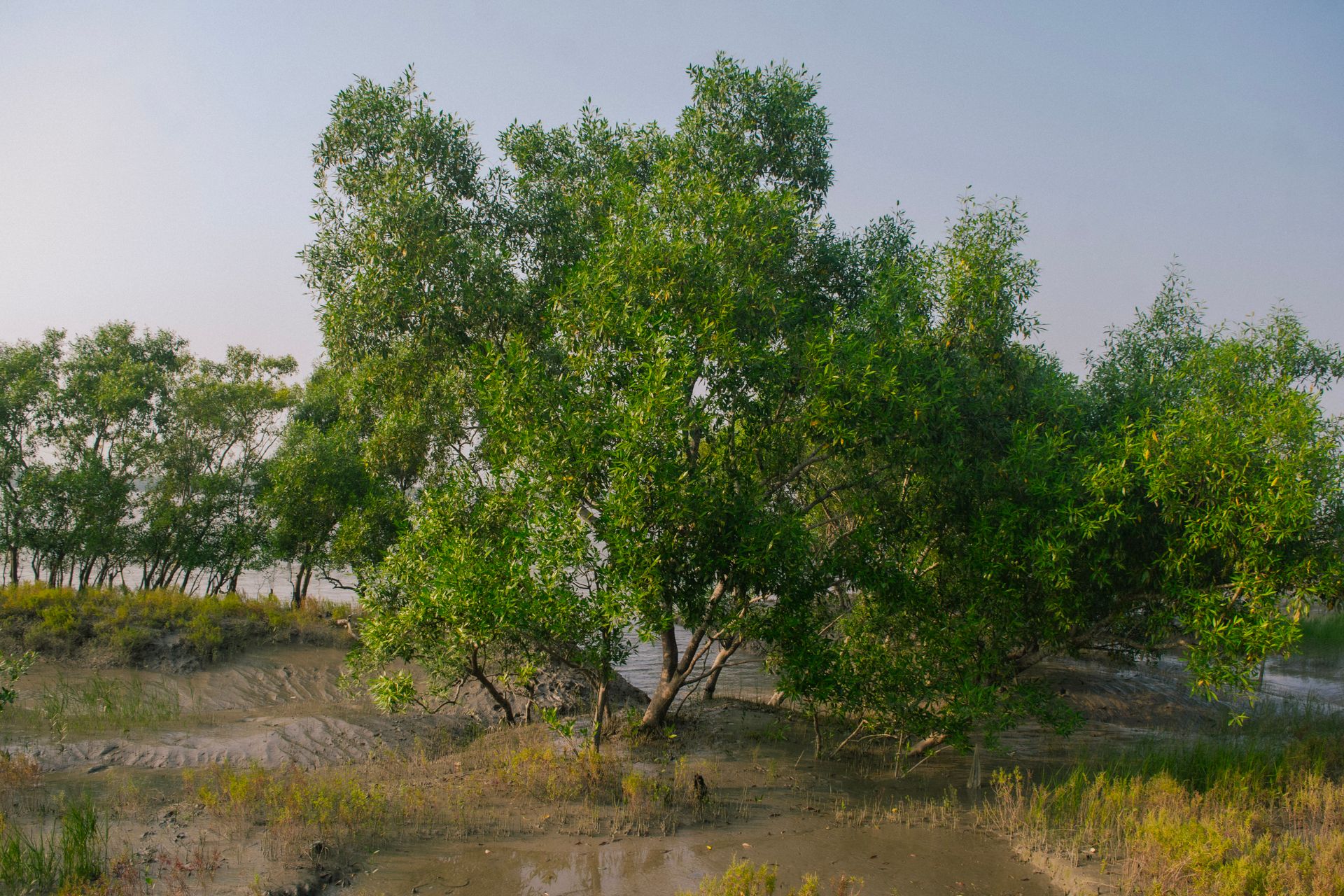
Sungei Buloh
A wildlife reserve where you can spot crocodiles and migratory birds.
The Botanic Gardens: A Living Heritage
Founded in 1859, the Singapore Botanic Gardens are much more than just a park. They represent the very history of the island’s transformation. It was here that the first rubber experiments helped transform the economy of the whole of Southeast Asia.
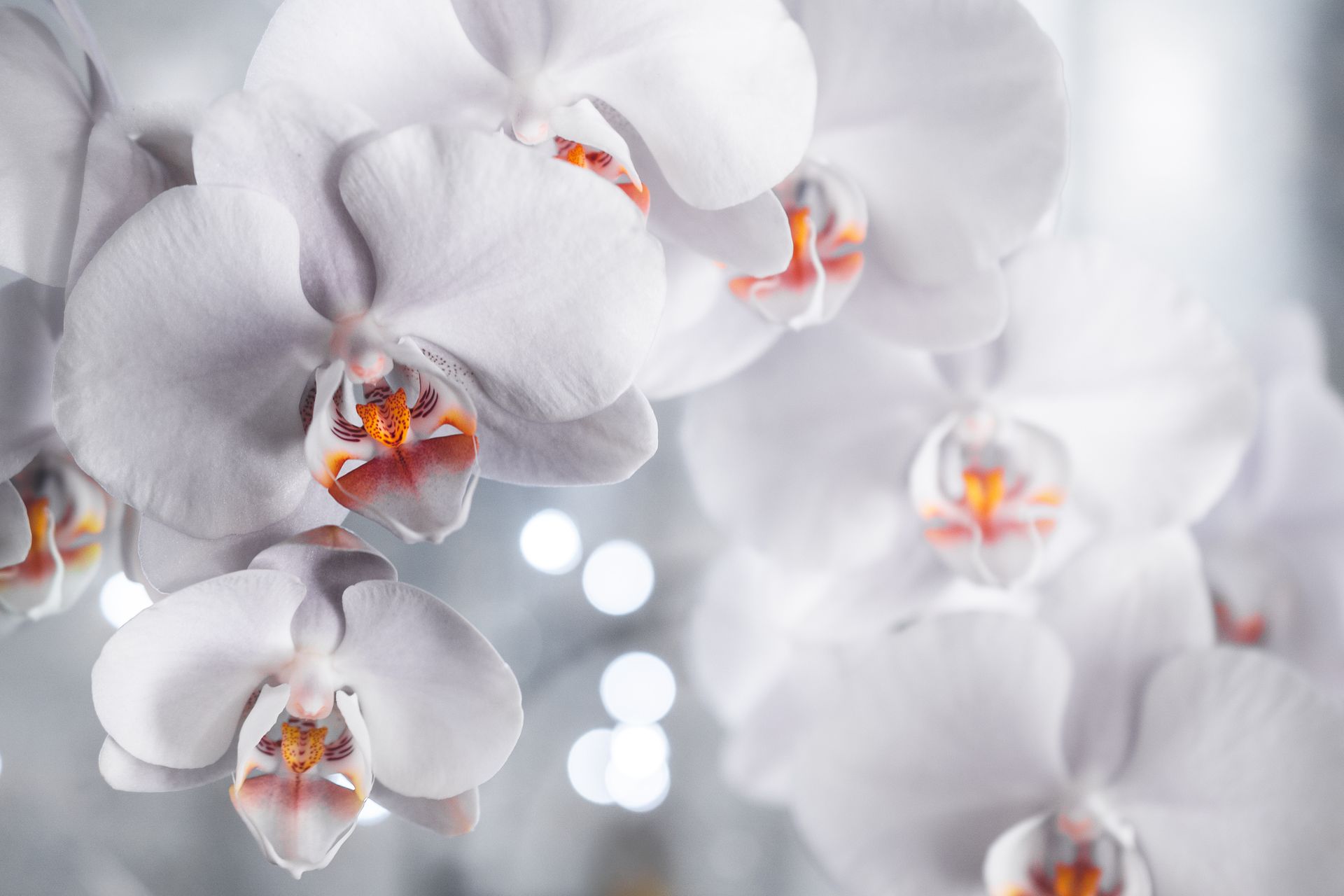
The National Orchid Garden
A true jewel of the gardens, it is home to the world’s largest orchid collection, with over 1,000 species and 2,000 hybrids. Don’t miss the "VIP Orchid Garden", where flowers are named after world dignitaries such as Nelson Mandela and Princess Diana.
Tips: When to visit to avoid the heatFor families living in Singapore, the Jacob Ballas Children’s Garden is a must. Asia’s first garden dedicated to children, it offers an educational approach to nature through play. After a stroll along Swan Lake, enjoy a picnic during the free concerts regularly held on the floating stage of the Shaw Foundation Symphony Stage.
Nature Exploration Simulator
Plan your outing according to your fitness level and discover the health benefits.
"Walking on the Clouds": The Southern Ridges
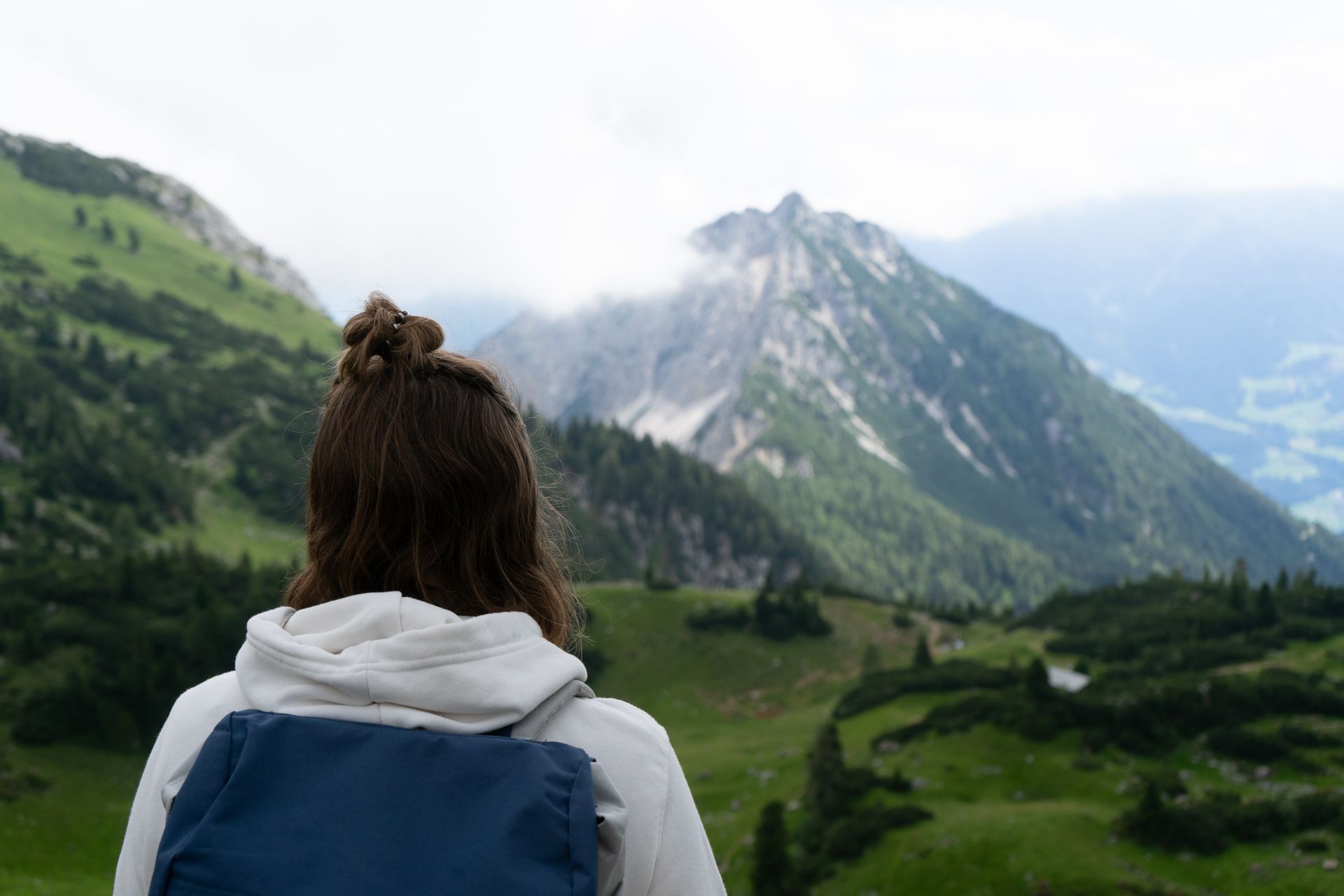
If you’re looking for the most spectacular views of the city while surrounded by the canopy, the Southern Ridges are the place for you. This 10-kilometre trail links Mount Faber Park, Telok Blangah Hill Park, HortPark, Kent Ridge Park and Labrador Nature Reserve.
The highlight is undoubtedly Henderson Waves, Singapore’s highest pedestrian bridge. Its undulating Balau timber structure is an architectural marvel. At 36 metres above the ground, you look out over secondary forest on one side and the skyscrapers of Keppel Bay on the other.
- Forest Walk: An elevated steel walkway that takes you literally into the treetops.
- HortPark: A centre of excellence for gardening with more than 20 themed gardens.
- Canopy Walk: A 280-metre bridge ideal for birdwatching.
Living with Wildlife
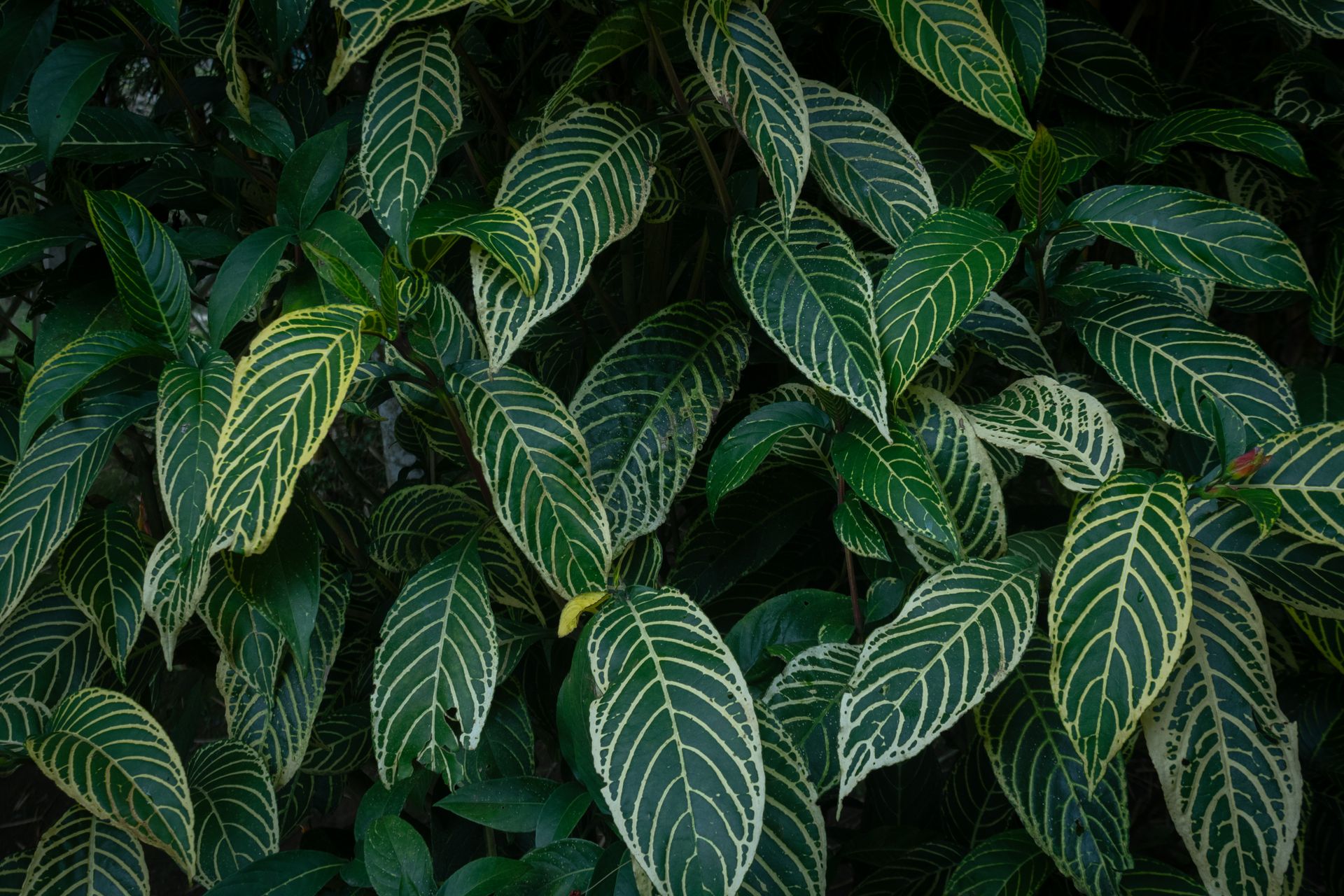
Singapore is home to surprisingly rich biodiversity. Learning to respect it is essential for settling in successfully.
Star Otters
Smooth-coated otters have become the city’s mascots. They are often found around Marina Bay or Bishan-Ang Mo Kio Park. Keep your distance (at least 5 metres) and never feed them.
Macaques
Very common at MacRitchie, they are used to humans. Crucial advice: never show them food or plastic bags, as they associate these with food and may become persistent.
Monitor Lizards & Crocodiles
Malayan monitor lizards are harmless if left alone. At Sungei Buloh, saltwater crocodiles may be spotted. Always stay on marked paths and follow the safety instructions.
When Architecture Breathes

CapitaSpring & Green Oasis
This 280-metre skyscraper in the heart of the CBD features a 35-metre-high vertical "Green Oasis" between levels 17 and 20. Open to the public on weekdays, it is the ideal place for a lunch break surrounded by 38,000 plants.
Working in the neighbourhood
Kampung Admiralty
Award-winning on the international stage, this complex combines senior housing, a healthcare centre and a rooftop urban farm. It is the perfect example of the social and ecological integration that Singapore promotes today.
Settling in as a familyWhich park should you choose based on what you want to do?
| Destination | Typical Profile | Difficulty | Main Highlight |
|---|---|---|---|
| Botanic Gardens | Families & Picnics | Easy | UNESCO Heritage & Orchids |
| MacRitchie Reservoir | Hikers & Kayakers | Moderate | Treetop Walk (Suspension Bridge) |
| Gardens by the Bay | Tourists & Photography Enthusiasts | Easy | Sound and Light Show |
| Sungei Buloh | Wildlife Photographers | Easy | Wildlife Watching |
| Fort Canning Park | History Enthusiasts | Moderate (stairs) | Second World War Remains |
Frequently Asked Questions
01. What is the best time of day to visit the parks?
Early morning (before 9am) or late afternoon (after 5pm) are ideal for avoiding the oppressive heat and peak humidity. Many parks open as early as 5am or 7am.
02. Is it safe to walk alone in the nature reserves?
Yes, Singapore is extremely safe. However, stay on marked paths and let someone know your route for longer hikes such as the Coast-to-Coast Trail.
03. Are dogs allowed in the parks?
Most urban parks allow them on a lead. However, they are strictly prohibited in nature reserves (such as MacRitchie or Sungei Buloh) to protect the local wildlife. See our pet guide.
04. Do I need to book to visit the attractions at Gardens by the Bay?
Booking online is strongly recommended for the Flower Dome, Cloud Forest and OCBC Skyway, especially at weekends, to guarantee your time slot.
05. What should I do if I encounter a monitor lizard or a snake?
Stay calm and keep your distance. Do not try to touch or frighten them. Singapore's wild animals are generally not aggressive if left alone.
06. Are there drinking water fountains in the parks?
Yes, most major parks have drinking water fountains. We recommend carrying a reusable water bottle to stay hydrated without generating plastic waste.
07. Can you cycle in all the parks?
No, some paths are reserved for pedestrians (such as the Southern Ridges). Use the Park Connector Network (PCN) for your cycling trips. More information on alternative transport.
Ready to Explore?
Join the French-speaking community to share your best nature photos and discover hidden trails on our group outings.