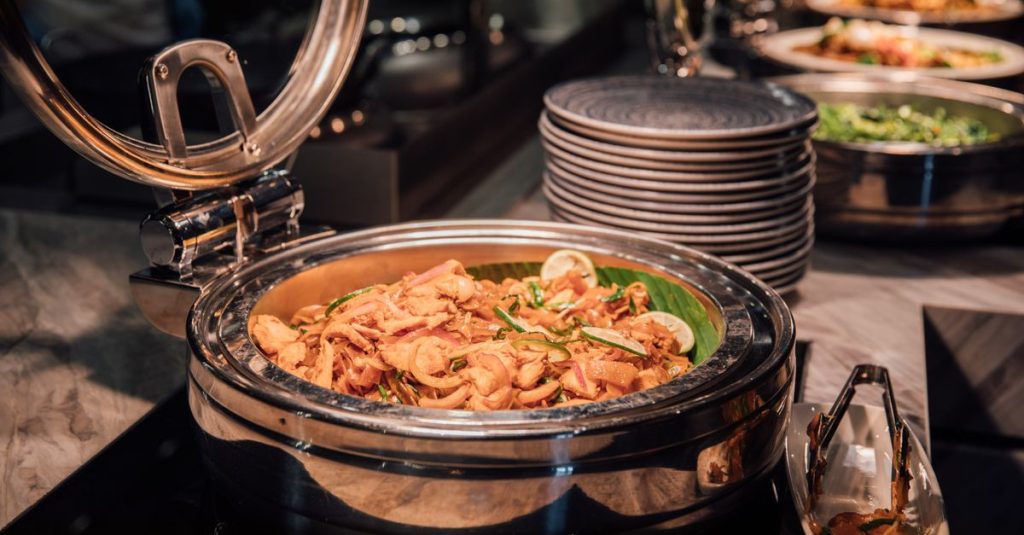
Char Kway Teow: Singapore’s Stir-Fried Noodles
Discover char kway teow, Singapore’s iconic dish of wok-fried flat rice noodles with seafood, dark soy sauce and a smoky wok hei aroma.
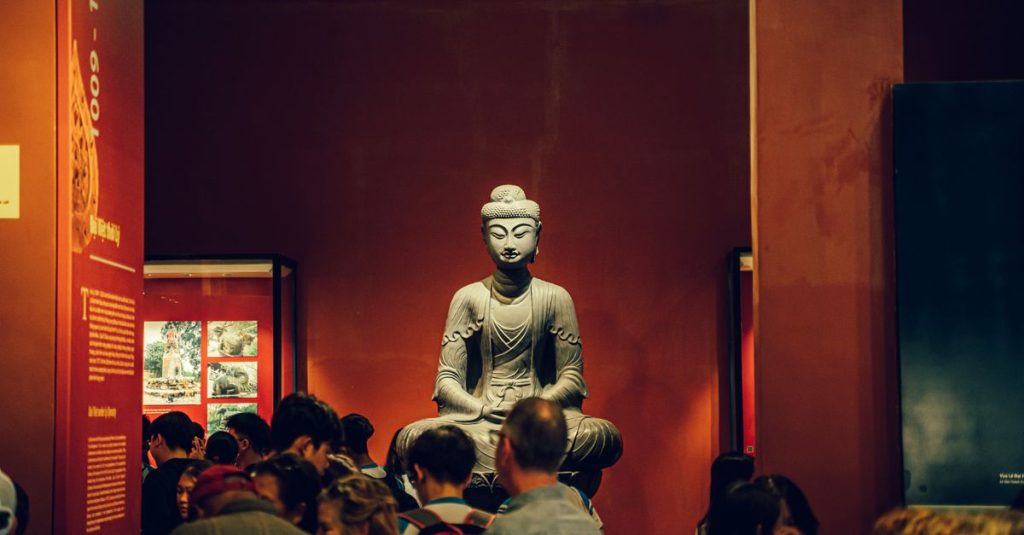
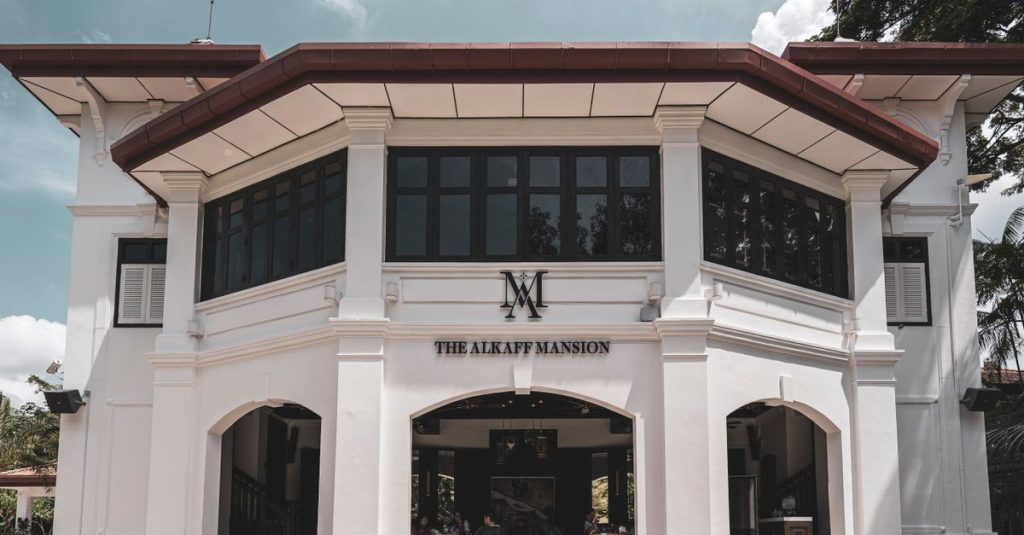
The Peranakan Museum in Singapore offers an insight into how family heritage, trade and regional traditions have blended to shape Peranakan culture. A visit helps you understand one aspect of Singapore’s history through everyday objects, clothing, decorative arts and practices passed down through generations.
In short, it is a particularly interesting cultural visit for observing the links between identity, family and everyday life. As the collections and exhibitions may change, check the practical information and programme with the museum before setting off.

The Peranakan Museum is dedicated to Peranakan cultures, shaped by histories of migration, encounters and adaptation in Southeast Asia. In Singapore, the term refers in particular to communities descended from Chinese families established in the region and their interactions with local societies. It does not, however, describe a single identity: family histories, languages and customs vary according to place and generation.
This diversity is essential when approaching Peranakan heritage without reducing it to a collection of colourful patterns or a famous cuisine. The objects on display can shed light on practical choices: how a family welcomed guests, passed on a skill or marked important stages of life. A garment, piece of tableware or decorative object therefore takes on a social dimension beyond its aesthetic value.
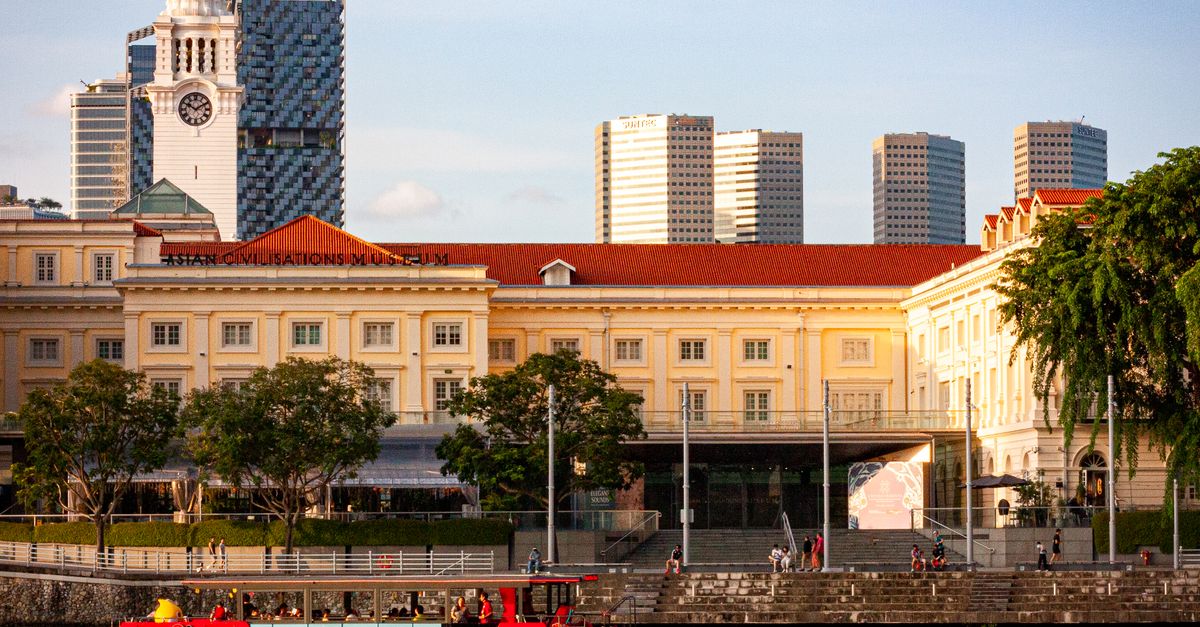
The museum forms part of a broader exploration of the city-state, where different communities and traditions coexist. To place this discovery in context, you can consult the guide to Singapore’s cultural traditions. The useful thread running through it is exchange: Peranakan culture can be viewed as a living history of contacts and transformations. You can also compare it with the collections at the Asian Civilisations Museum.
Traditional costumes and household objects offer a visual introduction to Singapore’s traditions. Clothing associated with Peranakan cultures can reveal tailoring techniques, aesthetic preferences and social conventions. It is best to view these pieces in their specific context: an outfit worn for a ceremony did not serve the same purpose as everyday clothing.
Peranakan ceramics often attract attention through their colours, decorations and presence in domestic life. Their interest lies in more than their appearance. Tableware and dining objects also provide information about entertaining habits, shared meals and the importance attached to hospitality. When looking at an exhibited piece, considering its shapes, patterns and stated use helps explain how art became part of everyday life.
Decorative arts also encourage you to distinguish between inspiration and identity. A pattern may circulate between several cultures, while its use or interpretation changes from one family to another. This makes the visit richer: rather than looking for a fixed definition of “Peranakan style”, you follow traces of creations that were adapted and passed on. On a first visit, spending time on the details of the objects can often reveal more about their history than quickly moving through the display cases.
The museum’s interpretation materials and captions add to this visual reading. As temporary exhibitions may change, check what is being shown during your visit if you want to see a particular theme.
A visit to the museum becomes especially meaningful when you connect the collections with the people and practices that gave them life. The Peranakan community is not homogeneous: identities are shaped by family histories, languages, religions and customs that are not identical from one household to another. The museum is therefore a starting point for understanding different experiences, rather than an exhaustive portrait of every family.
Objects connected with ceremonies or domestic life illustrate how traditions are passed on and reinterpreted. A preserved item may be valuable because it recalls a family event, a skill or a person. On the scale of an exhibition, these objects make discreet gestures visible: preparing a reception, embroidering a garment or keeping tableware for particular occasions.
This approach connects with a broader question about Singapore’s history: how have populations maintained their heritage while living in a constantly changing society? The answers cannot be found in a single display case. They emerge instead from the links between objects, stories and uses, as well as from the differences between past and contemporary practices. To broaden this perspective, the page on Singapore’s traditions and culture offers another angle. The National Museum of Singapore can also help place these stories within the city’s wider history.
The museum is therefore more than a place devoted to the past: it encourages reflection on how a community preserves, shares and transforms its heritage.
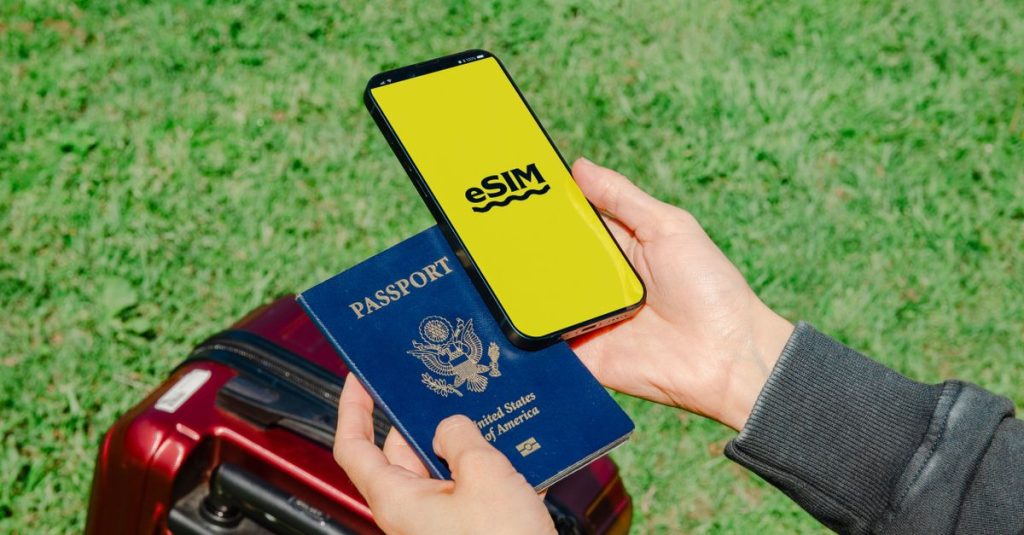
Tip: set up a Singapore eSIM before departure so your data works on arrival.
To get the most from your visit, choose a simple focus: observing the clothing, understanding the household objects or following the family stories presented in the galleries. This approach prevents you from moving from one display case to the next without making connections. Take time to read the explanations accompanying the pieces, as their context is often just as important as their appearance.
Practical information — including opening hours, prices, access arrangements and any booking requirements — may change. Check it directly with the museum before your visit. If you are planning a day devoted to museums and historic neighbourhoods, also consult the guide to things to do in Singapore to create an itinerary suited to your interests.
| Before or during your visit | Practical advice |
|---|---|
| Check visitor information | Verify the opening hours, prices and access conditions with the museum. |
| Choose a focus for your visit | Concentrate on one theme, such as costumes or tableware. |
| Read the captions | They explain the context and function of the exhibited objects. |
| Check the exhibitions | The programme may change; confirm what is currently on display before setting off. |
A successful cultural visit does not depend on the number of objects you see, but on the quality of the connections you make between them. Even a short visit can provide useful reference points for understanding Singapore’s diversity.
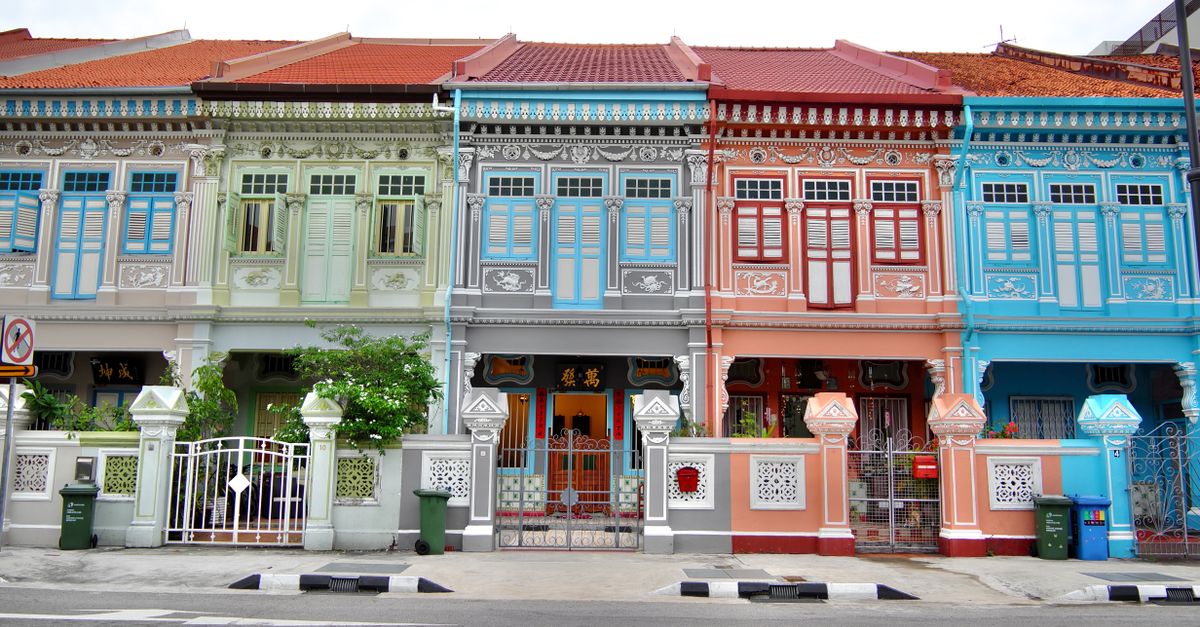
After the museum, the themes explored can serve as reference points during other discoveries around the city. Singapore’s traditions can be encountered in the arts, culinary practices and places where people live, but they cannot be reduced to a single community. Comparing influences and uses, without trying to trace everything back to one origin, helps you better understand the island’s cultural diversity.
Food can extend the reflection on family traditions and local adaptations. It complements the collections by giving space to tastes, gestures and occasions for sharing. To explore this aspect, the guide to restaurants and cuisine in Singapore can accompany a cultural day. The point is to view a meal as another way of approaching histories and practices, without claiming that one dish can represent an entire culture.
You can also combine the visit with other heritage sites, taking account of distances and opening hours checked on the day. The aim is not to multiply stops, but to connect the museum’s objects with the city’s different neighbourhoods and stories. The Peranakan Museum thus provides a useful lens: observe the details, place each object in its context and remain attentive to the plurality of experiences.
To book tours and activities in Singapore ahead, see the options on Klook.
Updated on 27/11/2026
Scroll to see more articles →