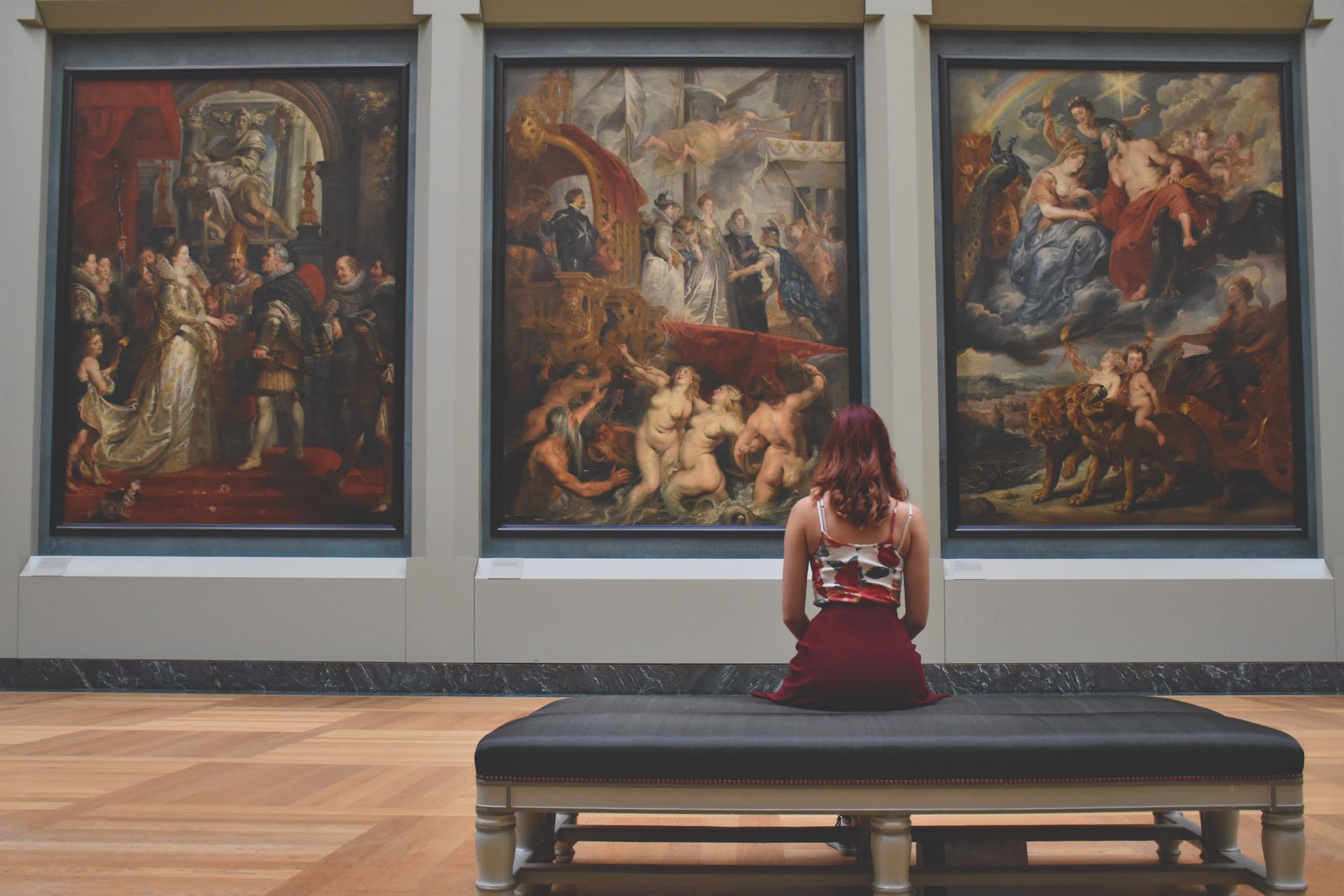
National Museum
Singapore's oldest museum, ideal for understanding the island's history from 1819 to the present day.
Visit →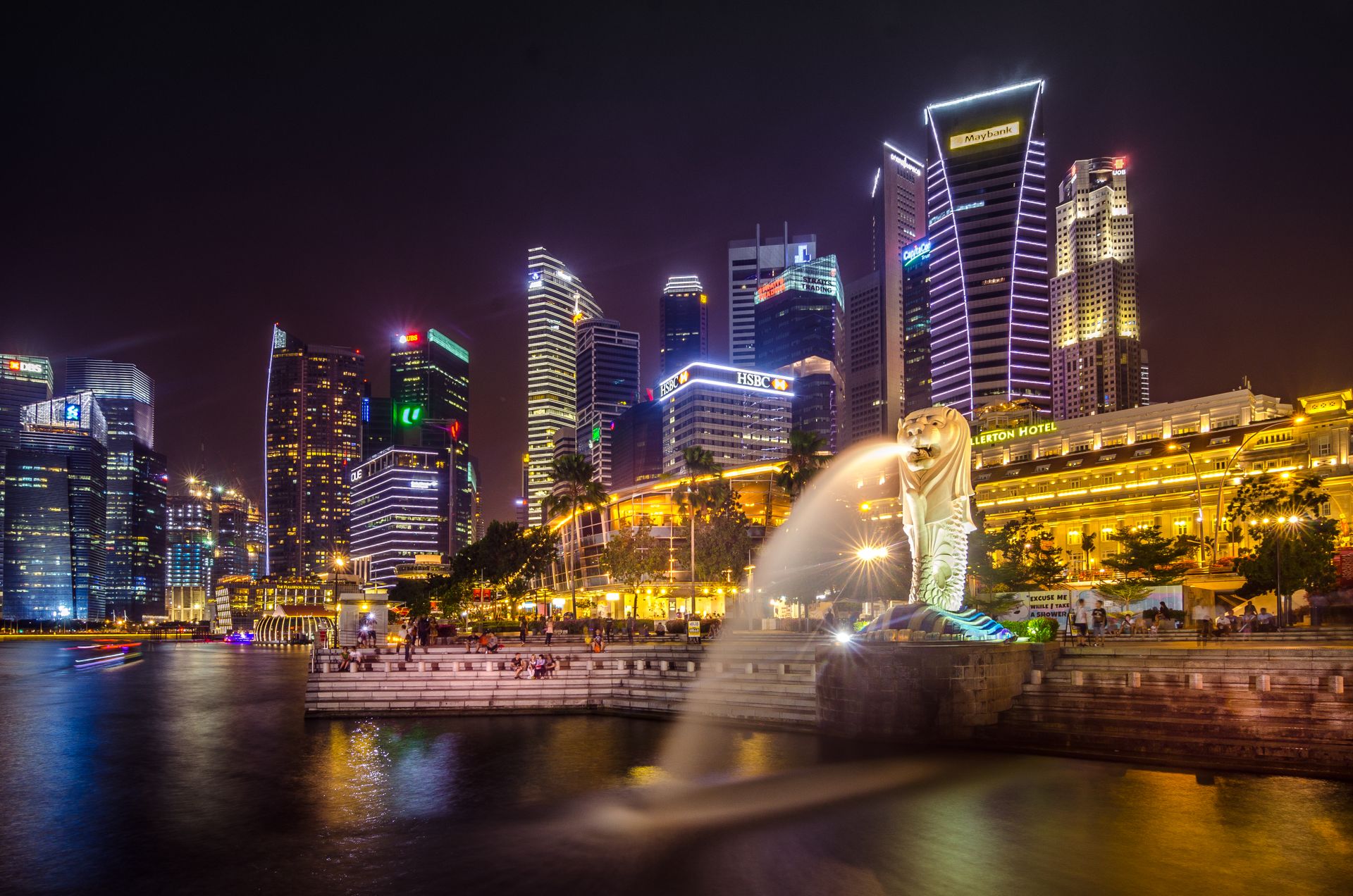
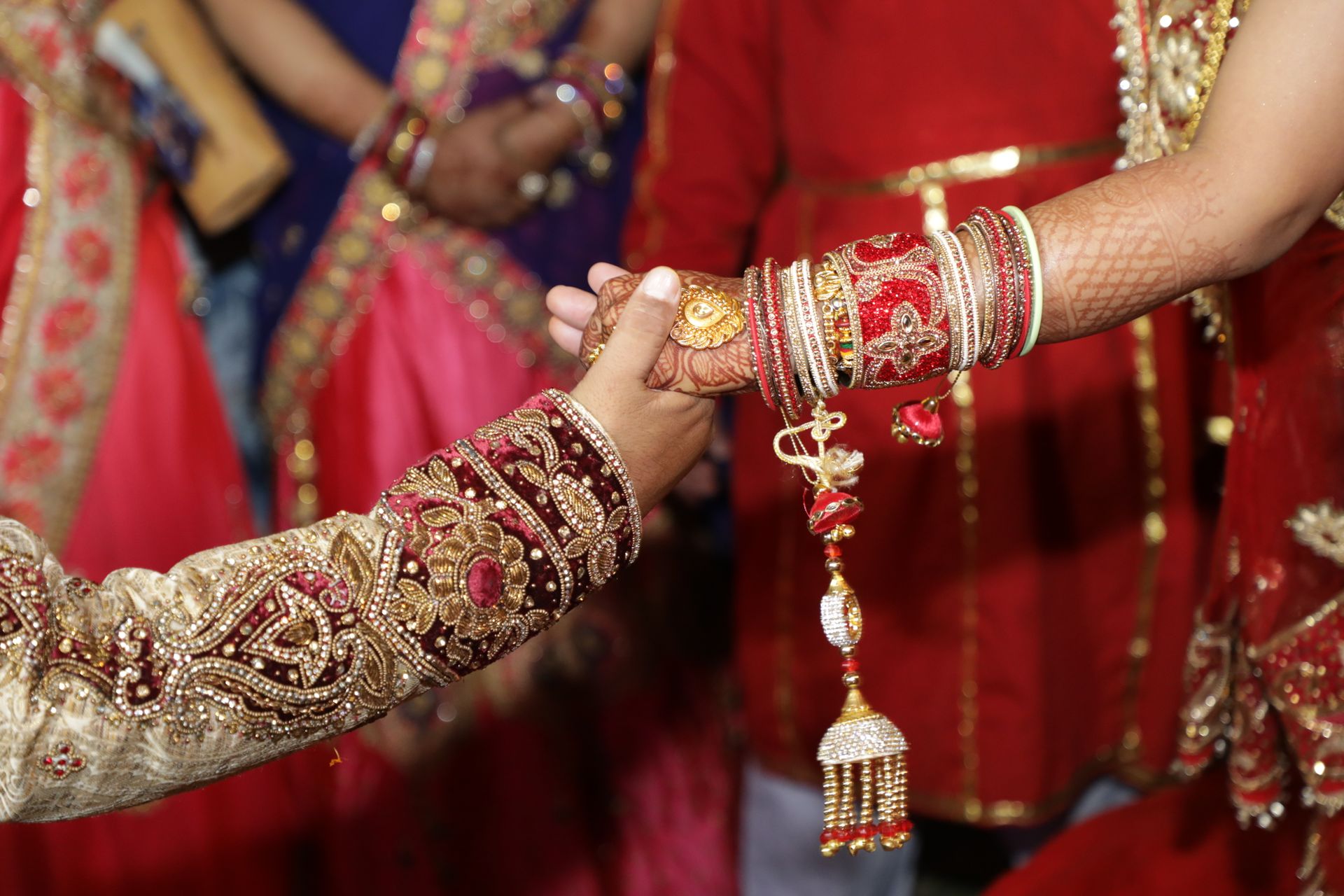
Immerse yourself in the heart of a city-state where Malay, Chinese, Indian and Western heritage blend to create a harmony found nowhere else in the world.
Singapore is not simply a modern city-state; it is a living social laboratory where diversity is upheld as a core value. When you arrive here, you will immediately notice the natural coexistence of Hindu temples, mosques, churches and Buddhist shrines.
This harmonious blend stems from a strong political commitment to preserving the balance between the four main communities: Chinese (around 74%), Malays (13%), Indians (9%) and others (Eurasians and expatriates). To understand Singapore, you need to look beyond the skyscrapers and immerse yourself in the subtleties of each heritage.
Structures such as Marina Bay Sands are redefining urban planning by integrating biodiversity into concrete.
Explore the neighbourhoods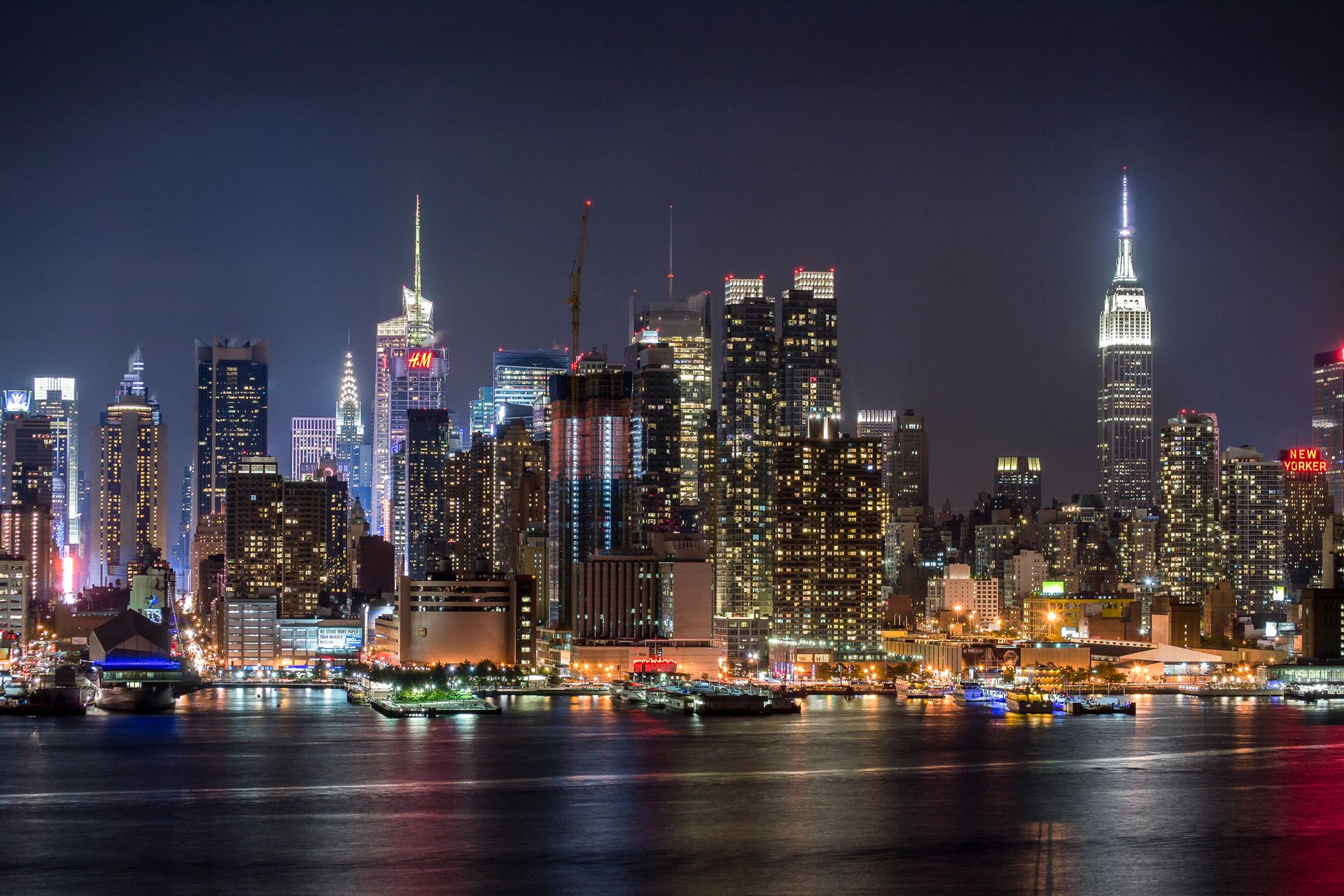
Historic commercial houses tell the island’s colonial and trading story through their colourful façades.
The “Black and White” bungalows are peaceful havens inherited from the British era.
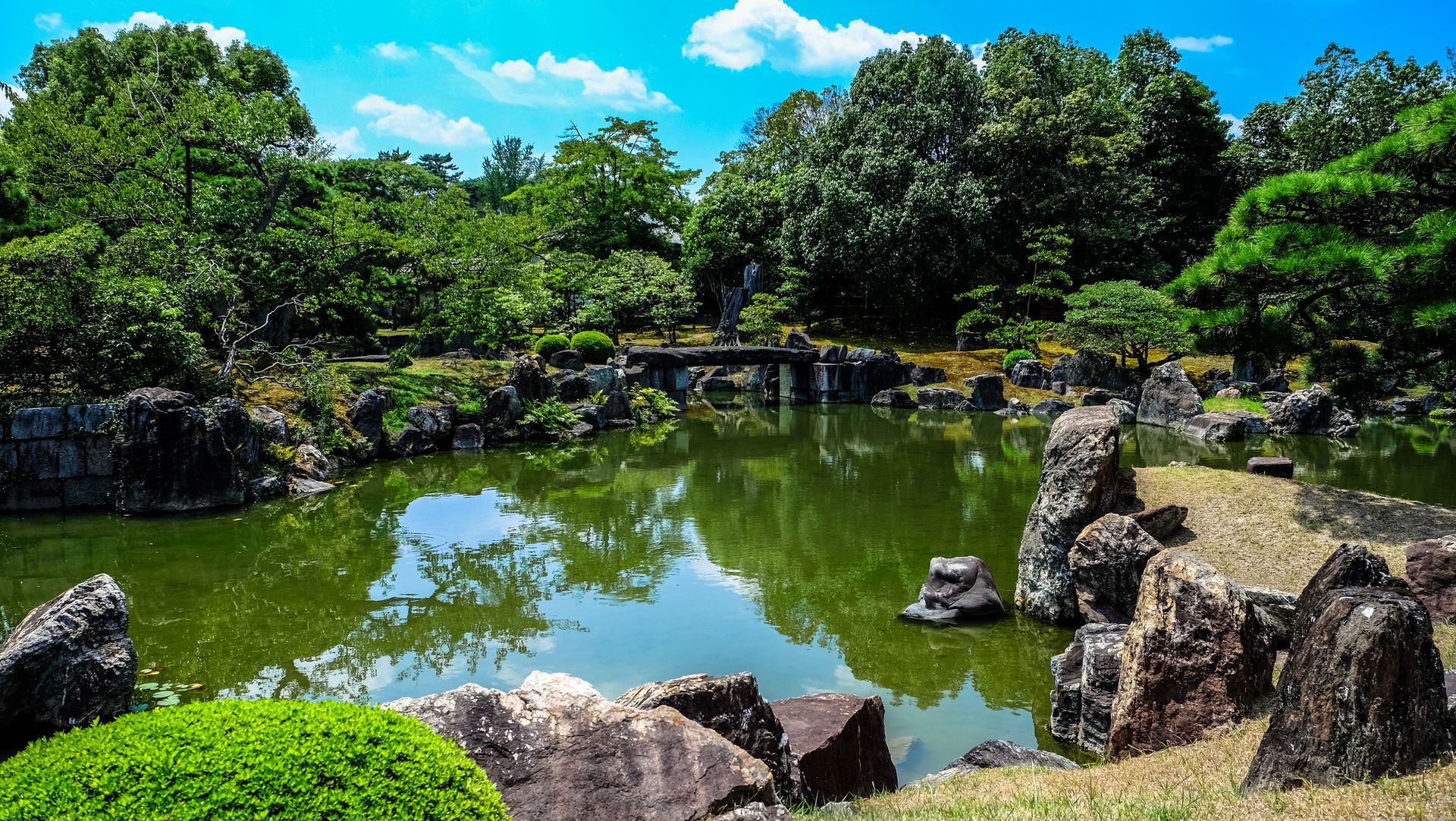
Gardens by the Bay embodies the vision of a “City in a Garden”, where technology supports nature.
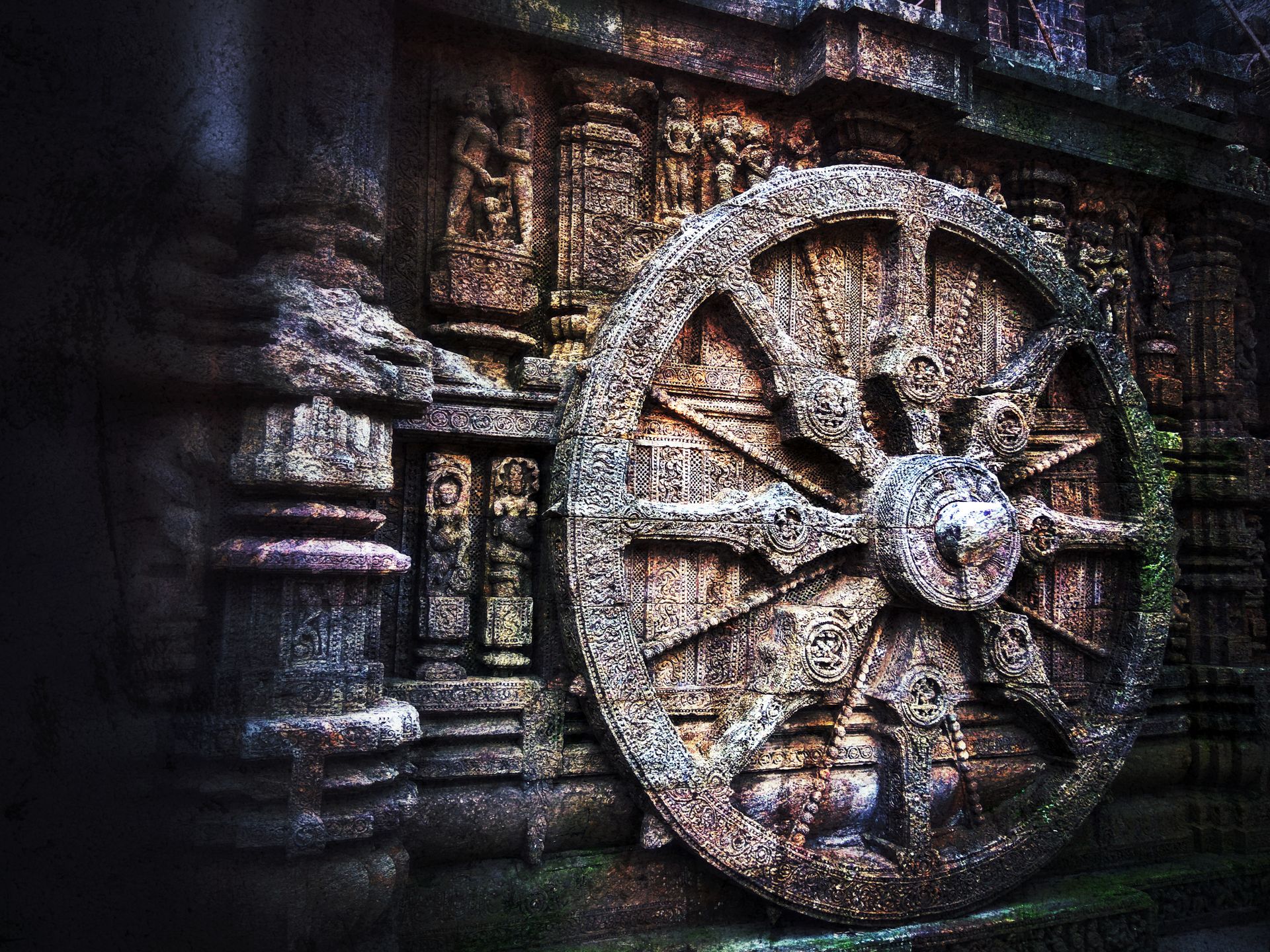
Discover the parksSingaporean craftsmanship is inseparable from Peranakan culture (the descendants of the first Chinese immigrants who married local Malays). This hybrid culture has given rise to exceptionally delicate objects.
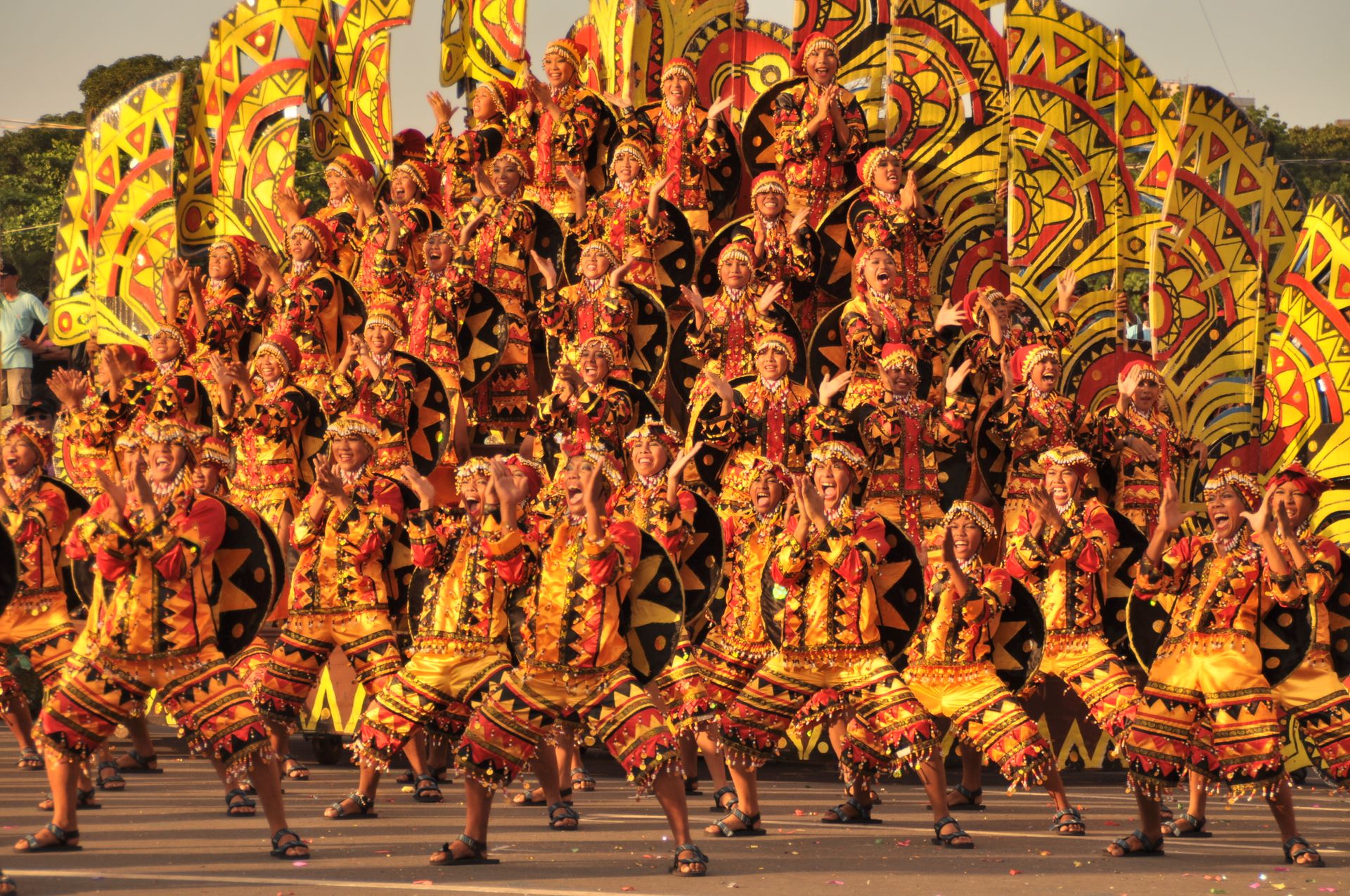
Every month brings a celebration, turning the streets into living spectacles.
Chinatown lights up. This is the time for the Chingay Parade, Asia’s largest float parade, and energetic lion dances.
See the guide →Marking the end of Ramadan, Geylang Serai becomes a vast night bazaar where the aromas of Malay cuisine fill the air.
Traditions & weddings →The whole island is decked out in red and white. A spectacular military and fireworks show celebrates Singapore’s independence.
Full calendar →The Festival of Lights transforms Little India into a sparkling fairy tale, celebrating the triumph of good over evil.
A complete immersion in the island’s gastronomic mosaic, from hawker centres to Michelin-starred restaurants.
Discover the dishes →Far more than a race, it is a major cultural and musical festival that electrifies the city centre.
Test your cultural reflexes before you go out. Avoid fines and earn the respect of locals!
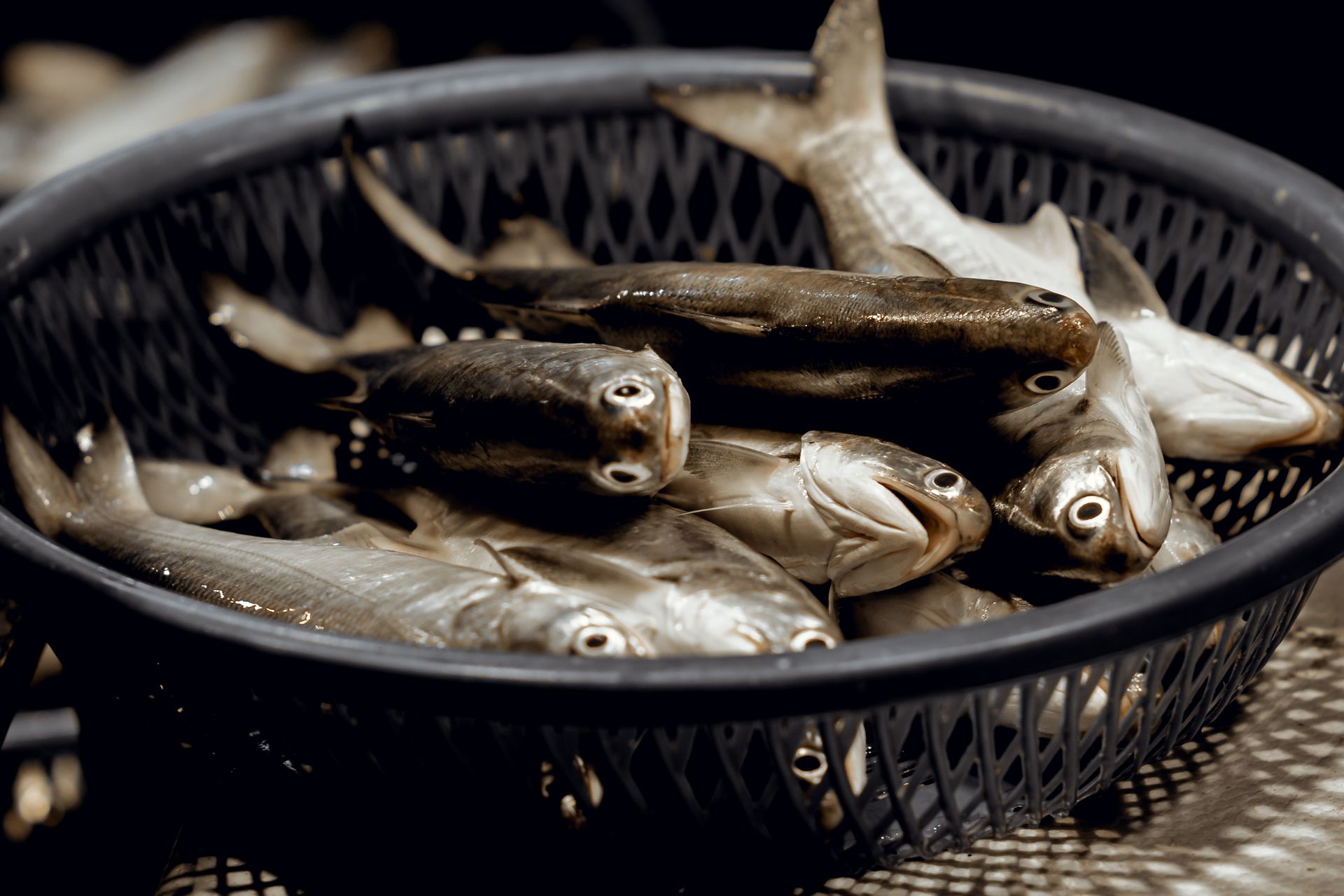
In Singapore, “eating” is a national sport. The cuisine perfectly reflects the blend of cultures. In the same Hawker Center (covered food market), you can enjoy Hainanese Chicken Rice, spicy Peranakan Laksa, or Indian Roti Prata.
Listed as a UNESCO World Heritage site, they are the beating heart of social life.
Learn to order your coffee (Kopi) like a local: Kopi-O (black), Kopi-C (evaporated milk), etc.
Check the grades (A, B, C) displayed at the stalls to find out the hygiene level.
Singapore is a secular state that guarantees absolute freedom of worship. Religion influences social life in a discreet but profound way, particularly through the fairly distributed public holidays.
The most widely practised religion, with magnificent temples such as the "Buddha Tooth Relic Temple".
Find out moreThe Malay community is predominantly Muslim. The Sultan Mosque in Kampong Glam is a must-see.
Vibrant and colourful, particularly during festivals such as Thaipusam and Deepavali.
Present in various denominations, with historic churches dating back to the colonial era.
No chewing gum: Its importation and sale are prohibited to keep the MRT clean.
No smoking: Strictly limited to designated areas. Fines can be as high as 1,000 SGD.
Public cleanliness: Dropping even a simple piece of paper on the ground can result in a Corrective Work Order.
"Choping": Reserve your seat in a hawker centre by placing a packet of tissues on the table.
Escalators: Always stand on the left to let people in a hurry pass on the right.
Respect for elders: Always give up your seat and be patient during social interactions.
Singapore's oldest museum, ideal for understanding the island's history from 1819 to the present day.
Visit →
Located in the former City Hall, it houses the largest collection of Southeast Asian art.

A lotus-shaped building hosting immersive exhibitions about the future and technology.
Strictly prohibited. Even one sip of water can result in a 500 SGD fine. Wait until you have passed through the barriers before having a drink.
It is a creole based on English mixed with Mandarin, Malay and Hokkien. It is used informally by all Singaporeans. E.g.: "Can or not?" (Is it possible?).
Tipping is not customary. A 10% "Service Charge" is already included in most restaurants.
Covering up is required (shoulders and knees). Most temples lend sarongs at the entrance.
Smoking is prohibited under shelters, within 5 metres of a building entrance or a bus stop. E-cigarettes are completely illegal.
Join our French-speaking expat community to share your cultural discoveries and insider tips.
Updated on