
Esplanade Singapore: Shows, Rooftop and Access
Discover Esplanade Singapore: performances, iconic architecture, rooftop views and practical access advice for Marina Bay visitors.
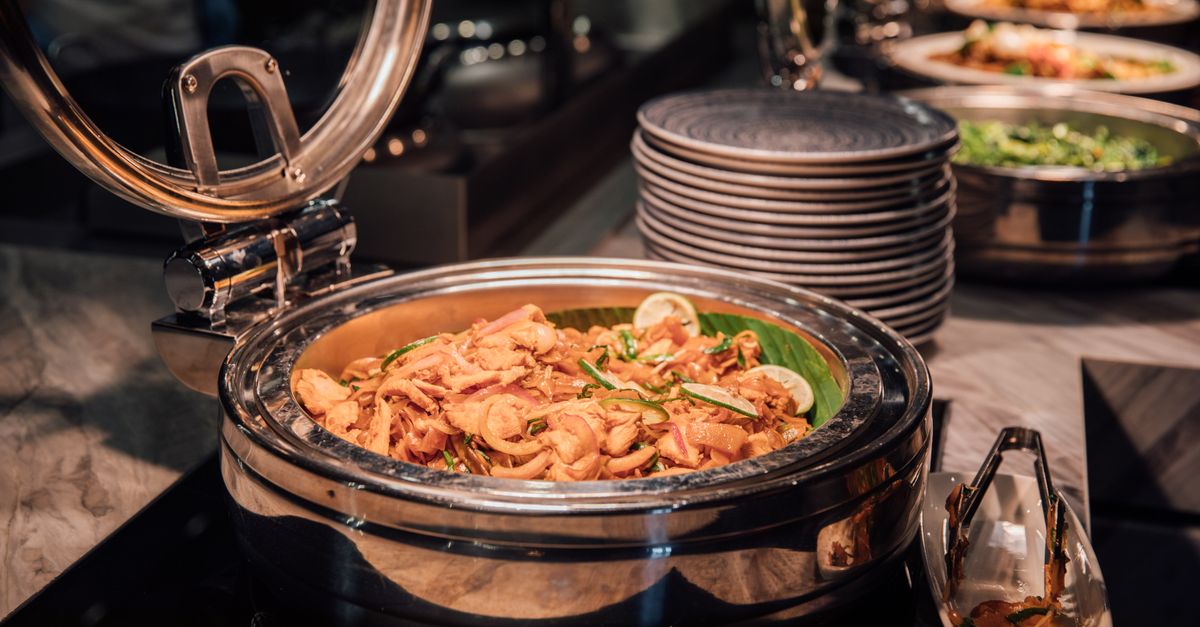
Char kway teow is a dish of flat rice noodles stir-fried in a wok. It originated in Penang’s culinary tradition and has become a classic of Singaporean cuisine. In Singapore, it is recognisable by its glossy noodles, prawns and other toppings, dark soy sauce and smoky aroma, sought after by hawker centre cooks.
Its success depends as much on ingredient preparation as on cooking: the wok must be extremely hot, movements must be quick and the noodles must be seared without being crushed. The versions served in the city-state are not all identical. Some favour seafood and a less sweet sauce; others are darker, rounder in flavour and enriched with fish cake or wheat noodles.
In brief

Char kway teow is associated with Penang’s Teochew Chinese community in Malaysia and with the popular food of street vendors. Its name simply refers to flat rice noodles stir-fried in a wok. The dish then spread throughout the region, including Singapore, where local habits and ingredients shaped its preparation.
This history explains why char kway teow is not a fixed recipe. Street-food stalls have long adapted their dishes to the products available and their customers’ preferences. From one cook to another, the proportions of sauce, the presence of clams and the addition of Chinese sausage may therefore vary.
In Singapore, it forms part of an Asian cuisine shaped by the meeting of Chinese traditions and regional influences. In a hawker centre, it is generally cooked to order: the cook adds the ingredients one after another to a wok, then serves the dish hot, sometimes with chilli on the side. This last-minute preparation is essential, as the noodles do not keep well and quickly lose their texture if they remain covered or are reheated for too long.
The Singaporean version may be darker and sweeter than some Penang preparations because it uses more dark soy sauce. It may also contain fish cake or combine rice noodles with yellow wheat noodles. These differences reflect regional styles rather than a distinction between an authentic version and an incorrect one.

The base of the dish consists of wide, flat rice noodles, preferably fresh when available. Their flexibility allows them to absorb the seasoning without turning to mush, provided they are handled carefully. Refrigerated noodles can be gently separated before cooking; if they are dry and rigid, they may break in the wok.
Prawns provide tender flesh and a marine note. Depending on the version, they may be accompanied by clams, other seafood and lap cheong, a dried Chinese sausage with a sweet-and-savoury flavour. Egg brings some elements together and enriches the dish, while mung bean sprouts and Chinese chives add freshness and crunch. Sprouts are often called “bean sprouts” in everyday language, even though they are generally mung beans.
The seasoning often combines light soy sauce, dark soy sauce and oyster sauce. The first provides salt and umami; the second colours the noodles and adds a more pronounced sweetness; oyster sauce gives depth and a slight gloss. Proportions vary from stall to stall. To achieve a profile closer to some Penang versions, simply use less sweet dark soy sauce.
The traditional fat is lard, sometimes supplemented with small pieces of crispy pork. It contributes to the dish’s richness, but is not essential for home cooking. A neutral oil works as a substitute; the result will be different, but the noodles will still sear properly. People avoiding pork can also leave out the sausage, choose vegetarian oyster sauce and check the ingredients in each condiment.
| Ingredient | Role in the dish | What to watch |
|---|---|---|
| Flat rice noodles | Flexible base that absorbs the sauce | Separate them without tearing |
| Prawns and clams | Marine flavour and tender texture | Avoid prolonged cooking |
| Light and dark soy sauce | Seasoning, umami and colour | Dark soy sauce may be sweet |
| Mung bean sprouts | Freshness and crunch | Add them at the end of cooking |
| Lap cheong | Sweet-and-savoury note and aromatic fat | Usually contains pork |
The term wok hei, often translated as “breath of the wok”, describes the smoky, slightly grilled aroma of a stir-fry cooked at very high temperature. In char kway teow, it accompanies the caramelisation of some of the noodles and gives the dish a depth that sauces alone cannot produce. The principle is simple: sear the food quickly rather than letting it cook in its own moisture.
At home, the main obstacle is heat output. An overloaded pan or wok cools as soon as the noodles and toppings are added. They then release water and steam instead of browning. To limit this effect, it is better to work in small batches and have every ingredient within reach before turning on the heat.
A well-maintained carbon-steel wok heats up quickly. Preheat it, add the fat, then briefly fry the garlic and sausage before adding the seafood. Add the noodles afterwards, with the seasoning poured directly over them. Stir and lift them without crushing them; add the sprouts and chives at the end so that they retain some of their crunch.
There is no need to aim for a large amount of smoke. High-heat cooking must remain controlled: ventilate the room, keep flammable materials away and never leave the wok unattended. A homemade result can be delicious even if the aroma is less intense than that produced by a professional burner. The aim is to obtain glossy noodles, seared in places and not waterlogged.
Video can help you understand the rhythm of the movements: the ingredients are ready before cooking begins, and the cook works continuously without long pauses. This organisation matters as much as the strength of the heat.
Tip: set up a Singapore eSIM before departure so your data works on arrival.
Start by preparing the noodles, prawns, any clams, garlic, sausage, sprouts and chives. Mix the chosen sauces separately. This mise en place avoids having to search for a condiment once the noodles begin to sear, when every interruption can lower the temperature.
Heat the wok and add a little fat. Fry the garlic and sausage, then briefly sear the prawns and clams. If they are cooked before the noodles, set them aside to prevent them becoming dry or rubbery.
Add the noodles and some of the sauce, then mix using broad movements. Push them to one side and cook the egg in the cleared area before incorporating it. Return the seafood, add the remaining seasoning to taste, then finish with the mung bean sprouts and chives. Serve immediately, with chilli on the side if you want everyone to choose their own level of heat.
For a more Singaporean profile, using more dark soy sauce gives the dish a caramel colour and a sweeter flavour. Some cooks also add fish cake or a mixture of rice noodles and yellow noodles. For a vegetarian plate, replace the seafood with seared tofu and mushrooms, then choose condiments without animal products.
Rice noodles do not naturally contain wheat, but this does not guarantee a gluten-free dish: some soy sauces and oyster sauces may contain it. Check labels, cross-contamination risks and the allergens in the products used. For food safety, keep seafood chilled before cooking and eat the dish immediately after preparation.
In hawker centres, char kway teow is often eaten as a complete meal, without any particular etiquette. Chilli is frequently offered separately, allowing the sweet-and-savoury balance of the noodles to be preserved and letting diners choose their preferred level of heat. A wedge of lime can provide acidity that contrasts with the richness of the cooking.
This dish differs from pad Thai, whose profile is generally more acidic, and from pad see ew, another Thai stir-fry made with flat rice noodles. Char kway teow places greater emphasis on soy sauces, seafood toppings and the aroma of the wok. These similarities reflect the region’s culinary exchanges, but each dish retains its own balance.
If you cannot taste it in Singapore, delivery services can give you access to Singaporean dishes from your accommodation. The pages about food delivery in Singapore and ordering Singaporean cuisine explain this way of eating. When it arrives, eat it quickly: stir-fried noodles lose their texture when steam remains trapped in the packaging for too long.
Watching the stalls also helps you understand the dish: fast service depends on meticulous preparation beforehand, while the final cooking remains specific to each cook. Char kway teow is therefore both a recipe and a demonstration of wok expertise.
No. The chilli may be mild or served separately, allowing everyone to adjust the heat to their preference.
Yes. Rehydrate them according to the packet instructions, drain them carefully and avoid letting them become too soft before putting them in the wok.
An insufficiently hot wok, an overloaded pan or ingredients that are too wet prevent proper searing. Cooking in small batches helps preserve a firmer texture.
Yes. Replace the seafood and sausage with tofu and mushrooms, then use vegetarian oyster sauce and a suitable cooking fat.
To book tours and activities in Singapore ahead, see the options on Klook.
Updated on 29/11/2026
Scroll to see more articles →