
Online scams in Singapore
Recognising, avoiding and reporting digital scams: the 2026 guide for foreign residents.
Singapore, Asia’s economic and technological hub, attracts many foreign residents every year. However, this dynamism has also been accompanied by a rise in online scam attempts, which particularly target expats who are still unfamiliar with local protection systems. In 2026, as fraud becomes increasingly sophisticated, it is essential for every foreign resident to adopt good habits and know about the prevention tools introduced by the Singapore authorities: Police@SG, ScamShield and the legal framework of the Computer Misuse Act. This vigilance protects both personal data and bank accounts in SGD, which are exposed to the traps proliferating on social media and through fake government websites.
From identity theft and bank phishing to fake investment offers, the trap is often invisible until the funds have already disappeared. This guide sets out the warning signs to look for, the steps to take in the event of confirmed fraud, and the role of the Singapore authorities in tackling these threats — with the right local contacts at every stage, rather than procedures designed for another country.
01Social media, a major channel for scams in Singapore
Social platforms play a central role in Singapore’s digital life, with millions of active users. For a foreign resident, using them may seem like a simple and quick way to find information and communicate, but they are also prime hunting grounds for cybercriminals.
Facebook, Instagram, Telegram and other networks host sophisticated scams: overly attractive savings or credit offers, fake charity events and fraudulent job offers particularly targeting expats. The ease with which a fake account can be created and then used to manipulate the trust of unsuspecting users makes social media a prime channel for identity theft and phishing.
A specific example affected several English-speaking expats in Singapore in 2025: a fake profile claiming to represent a government agency offered financial assistance. By following the links provided, the victims were led to share personal and banking information. This type of incident shows how the rapid shift to digital services in recent years has increased exposure to scams. Vigilance must include systematic caution towards requests received through these channels, even when they appear to come from official organisations — the MAS (Monetary Authority of Singapore) reminds people that no Singapore government agency asks for banking codes by SMS or private message.
In response to this threat, foreign residents are advised to enable two-factor authentication as a matter of course, avoid clicking on suspicious links and report any doubtful activity directly on the relevant platforms. The ScamShield app, developed with the support of the Singapore police, automatically filters identified fraudulent calls and SMS messages and alerts the user in real time.
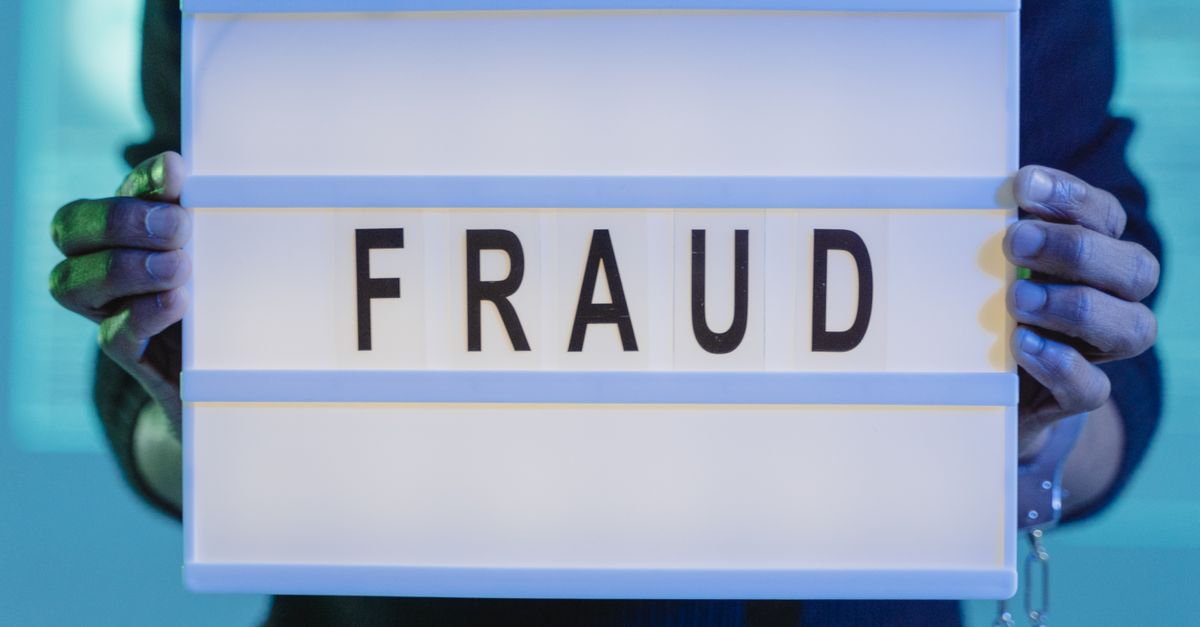
Local businesses are also taking action to raise employees’ and customers’ awareness of scam prevention. They distribute information sheets on the most common scams and remind people of best practices for protecting personal data shared on social media. For freelancers and small businesses, specific cybersecurity training, including courses offered by the Cyber Security Agency of Singapore (CSA), helps them anticipate these attacks more effectively.
02React quickly: the first steps to take if you are scammed
When a foreign resident realises that they have fallen victim to online fraud in Singapore, inaction or panic can make the situation worse. Immediate action is crucial: contact your bank without delay. The main banks in Singapore (DBS, OCBC, UOB, Standard Chartered, Citibank...) have 24/7 emergency lines for blocking fraudulent transactions or attempting to cancel a recent transfer. Acting quickly may prevent the funds from being transferred permanently to an offshore account.
For card payments made on a suspicious online shop, the chargeback procedure (disputing the payment) through the Visa or Mastercard networks provides important protection: it often allows a refund if the transaction is deemed fraudulent or if the product ordered is not delivered. However, this solution remains largely ineffective for direct bank transfers (via PayNow or FAST), which must be stopped before they are processed.
It is essential to keep all available evidence: screenshots of conversations, the fraudulent website’s URL, and the telephone numbers or email addresses used by the scammers. These details will make it easier to deal with the Singapore authorities, starting with Police@SG (the Singapore Police Force’s e-services portal) and the dedicated Anti-Scam Helpline at 1800-722-6688, which centralise scam reports for rapid follow-up.
In the event of clear-cut fraud, filing a report online via Police@SG or directly at a police station (Neighbourhood Police Centre) remains an essential step: this activates investigation procedures and formally establishes victim status, which is often necessary to obtain recourse from your bank or insurer. The ScamAlert.sg portal, operated by the police in partnership with the National Crime Prevention Council, is a useful addition to these procedures, listing numbers, websites and profiles that have already been reported as fraudulent.
List of immediate steps to take if fraud is detected
- Call your bank and ask them to block or cancel the transactions.
- Take screenshots of all elements related to the fraud.
- File a report via Police@SG or at a local police station.
- Report the fraud on ScamAlert.sg or via the Anti-Scam Helpline (1800-722-6688).
- Check your home or personal liability insurance cover for additional protection.
03The most common scams targeting foreign residents
As Singapore is a global business hub, online scams take many forms and evolve quickly. It is useful to distinguish the types of fraud most frequently encountered by expats in order to recognise them more easily.
The so-called ‘CPF’ scam (Central Provident Fund, Singapore’s equivalent of a compulsory pension and savings scheme) targets workers who are unfamiliar with this local system: fraudulent messages offer fake refunds or withdrawal assistance services. Similarly, bank phishing attempts by SMS or email are becoming increasingly targeted and difficult to identify at first glance. Impersonation of professionals and fake government websites (imitating, for example, the SingPass portal or ICA) seek to obtain sensitive information or divert funds.
Fraud involving dropshipping, illegal pyramid schemes or fake financial investments (cryptocurrencies, forex) is also part of the landscape. These platforms, which are not licensed by the MAS, are often promoted via social media and skilfully disguised to appear legitimate, appealing to an international audience seeking investments or quick gains — a risk documented in greater detail in our guide to crypto taxation and regulation in Singapore.
| Type of scam | How it works | Prevention advice |
|---|---|---|
| Bank phishing | Emails or SMS messages impersonating a bank to obtain personal codes | Never click on links; contact your bank directly using the official number |
| Fake shopping website | A website selling non-existent products or stealing card details | Check the URL and reviews; pay by card to benefit from chargeback |
| Fake investments | Online offers for unregulated savings products or cryptocurrencies | Check the platform’s MAS licence and avoid offers that seem too attractive |
| Identity theft | Creating fake profiles to scam people or damage their reputation | Report them promptly to the platforms and change your passwords |
Legally, these practices are covered by the Computer Misuse Act and, in cases of financial fraud, by Singapore’s Penal Code, which provide for sentences of up to several years’ imprisonment and fines in Singapore dollars (SGD), depending on the seriousness of the offence — a framework that is quite distinct from French criminal law and should never be confused with it when searching for information online.
04Official resources and tools in Singapore
Although Singapore is a technologically advanced country, it has established responsive and accessible structures to combat cybercrime. The official Police@SG portal brings together useful information and allows you to file a report online. The ScamShield app can filter identified scam calls and SMS messages and lets you report suspicious numbers, making it a valuable tool for taking quick action in everyday life.
You are also advised to consult ScamAlert.sg, which provides a searchable database of previously reported scams (numbers, websites and company names), as well as educational resources for each type of fraud. This makes it possible to check within seconds whether a number or website has already been identified as fraudulent before proceeding with a transaction.
Finally, prevention also depends on general digital literacy: the Cyber Security Agency of Singapore (CSA) and the National Crime Prevention Council regularly offer webinars, awareness campaigns and practical guides to help foreign residents better understand the specific risks they face and adopt the best habits for protecting their personal data and bank accounts in SGD.
05Practical tips for protecting your personal data
The key to protecting yourself against online scams is to manage your login details and digital access carefully. Using complex, different passwords for each account, changing them regularly and always enabling two-factor authentication are among the most effective cybersecurity recommendations.
You should also avoid sharing sensitive information on social media that could be exploited by cybercriminals: your exact date of birth, full address or employer’s name. Pay particular attention to promotional offers and online questionnaires, which may conceal attempts to collect data improperly, in breach of Singapore’s Personal Data Protection Act (PDPA).
In professional communications, particularly in an expat context, caution remains essential: do not reply to suspicious emails or messages without checking them first, use secure channels to send sensitive documents, and regularly update your security software. These are all essential everyday practices in Singapore.
Frequently asked questions
What are the first steps to take after discovering an online scam? ▼
Contact your bank immediately to block or cancel the transactions, keep all evidence (screenshots, URLs and numbers), file a report via Police@SG or at a police station, and report the fraud on ScamAlert.sg or via the Anti-Scam Helpline (1800-722-6688).
How do social media contribute to scams in Singapore? ▼
They are used to spread fraudulent messages, impersonate people and promote illegitimate offers, exploiting users’ trust and the speed at which information circulates.
Are there specific resources to help foreign residents in Singapore combat fraud? ▼
Yes: the Police@SG portal, the ScamShield app and the ScamAlert.sg database, managed by the Singapore Police Force and the National Crime Prevention Council, provide up-to-date reporting tools and prevention advice.
Can you recover funds lost in a scam in Singapore? ▼
It mainly depends on how quickly you react. If the bank is contacted within hours of the fraud, some PayNow or FAST transactions may still be blocked, but once the funds have been transferred overseas, a significant portion of the money often remains difficult to recover.
Why is it important to report a scam even when only a small amount is involved? ▼
Every report helps the Singapore police identify criminal networks, strengthens investigative databases (ScamAlert.sg) and protects other residents from the same fraud attempts.
You may also like
Safety and practical advice
Singapore’s safety framework and the right habits for everyday life.
Banks and financial services
An overview of the banks and financial services available in Singapore.
Opening a bank account in Singapore
The complete guide to opening an account as a foreigner.
Administrative procedures
All the essential procedures for expats in Singapore.
Need help settling into Singapore with peace of mind?
Explore all our practical guides to prepare for and make a success of your move abroad.
View the settling-in guide