Universities in Singapore for International Students: compare NUS, NTU and SMU in 2026

Universities in Singapore for International Students

Compare NUS, NTU and SMU in 2026: rankings, admissions, tuition fees and student life for French-speaking students considering higher education in Singapore.

Singapore, Asia’s economic and academic crossroads, attracts thousands of international students every year in search of excellence and opportunities. With its world-renowned universities, young people from around the world find a balance between teaching quality, a dynamic student life and promising career prospects. In 2026, three leading institutions stand out: the National University of Singapore (NUS), Nanyang Technological University (NTU) and Singapore Management University (SMU), not only for their prestige, but also for their teaching approaches and positions in global university rankings.

Choosing between these institutions is no small decision: each offers a unique profile suited to different academic and career aspirations. Singapore is also attractive for its clear admissions system and reduced tuition fees thanks to government subsidies (MoE Tuition Grant), which make higher education more accessible to international students. This guide reviews the admission criteria, the actual costs in Singapore dollars (SGD) and the daily life of French-speaking students in this multicultural metropolis.

Overview and rankings of universities in Singapore in 2026

Singapore has six autonomous public universities, of which NUS, NTU and SMU are the best known and most attractive to international students. They stand out in global and regional rankings, confirming their place among Asia’s academic elite.

National University of Singapore (NUS) ranks 8th worldwide according to the QS World University Rankings 2025, placing Singapore at the forefront of educational destinations in Asia. With nearly 31,000 students, a large proportion of whom are international, NUS offers multidisciplinary teaching covering medicine, law, business, computing and engineering. The main campus, Kent Ridge, is known for its modern design and state-of-the-art facilities.

Nanyang Technological University (NTU) follows closely, with around 33,000 students and a strong focus on engineering, artificial intelligence, communications and business. Ranked 15th worldwide, NTU stands out for its eco-friendly campus and research initiatives, particularly in materials science and cybersecurity.

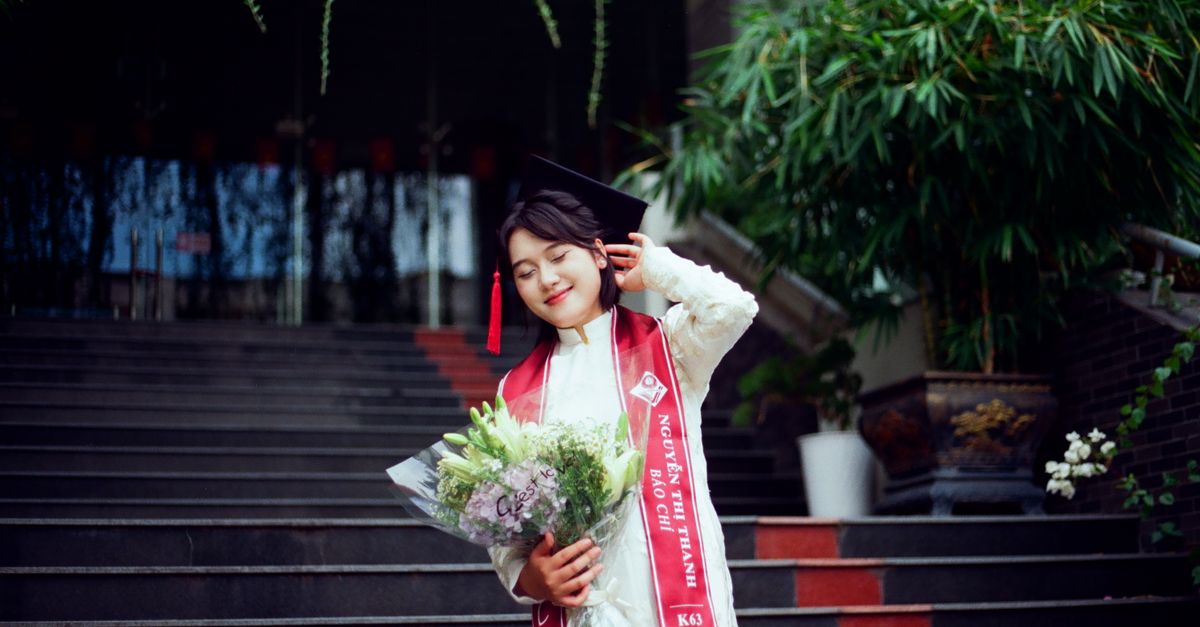
University campus in Singapore for international students

Lastly, Singapore Management University (SMU), with around 12,000 students, has a unique position in the heart of Singapore’s business district. SMU is renowned for its interactive programmes in business, accounting, economics, law and computing. More recent than its two older counterparts in terms of scale, it focuses on participatory teaching methods that foster practical skills directly applicable in the workplace.

For international students, these three universities have very favourable employment rates after graduation, particularly in finance, technology and management. Their progress in the rankings is supported by substantial investment in research and renowned industry partnerships. Choosing a Singaporean institution in 2026 means gaining access to an academic and professional network with a global reach.

Compare NUS, NTU and SMU: admissions, tuition fees and programmes

For 2026 admissions, Singaporean universities consider several key criteria for international students: the final qualification (often a recognised bachelor’s degree), as well as satisfactory language-test results (IELTS or TOEFL). NUS and NTU generally require an IELTS score of at least 6.5 or an equivalent TOEFL score, while SMU may also require an interview and a detailed personal statement to assess the candidate’s motivation.

A high SAT score (above 1400) generally strengthens an application for the most competitive courses, particularly at NUS and NTU. Admission remains highly selective: NUS accepts around 5 to 10% of international applications. These universities assess academic ability as well as the potential to contribute to campus life.

Tuition fees for international students may seem high, but government subsidies (MoE Tuition Grant) reduce them significantly. All the ranges below are expressed in Singapore dollars (SGD), the currency used for all payments to a Singaporean university:

University Estimated tuition fees (SGD/year, with grant) Specific programmes (e.g. medicine)
NUS 17 500 – 23 500 SGD 37 500+ SGD
NTU 18 000 – 21 000 SGD 40 000+ SGD
SMU 21 000 – 24 000 SGD N/A

NUS programmes stand out for their strong focus on medicine, law (ranked among the global top 15), as well as engineering and technology. NTU offers an extensive range of courses in electrical engineering, computing, communications and media, while SMU excels in business, economics and law with a highly interactive teaching approach. Each institution also offers pathways in business analytics, cybersecurity and social sciences, tailored to global market trends.

For example, a computing student at NUS benefits from close links with the national strategy for artificial intelligence, while a management student at SMU gains substantial professional exposure through compulsory work placements integrated into the course. This diversity allows everyone to find a programme suited to their ambitions, in a multicultural and stimulating environment.

Interactive comparison tool 100% in French

NUS, NTU or SMU: which university should you choose?

Filter by subject area or search for a keyword (law, engineering, business...) to see which university best matches your plans.

NUS

Strengths: medicine, law, engineering, computing — 8th in the QS 2025 ranking.

Student population: ~31,000 students

Annual fees: 17 500 – 23 500 SGD (with subsidy)

Atmosphere: large multidisciplinary campus in Kent Ridge, with a high proportion of international students.

NTU

Strengths: engineering, artificial intelligence, communications — 15th in the 2025 QS rankings.

Student population: ~33 000 students

Annual fees: 18 000 – 21 000 SGD (with subsidy)

Atmosphere: eco-friendly campus, with a strong research culture in materials science and cybersecurity.

SMU

Strengths: business, law, economics, interactive teaching and compulsory internships.

Student population: ~12 000 students

Annual fees: 21 000 – 24 000 SGD (with subsidy)

Atmosphere: urban campus in the heart of the business district, small class sizes and a strong professional network.

Reading tip

Global rankings are only one criterion among many: focus above all on your chosen field of study.

Good practice

Check the IELTS/TOEFL and SAT requirements for each course before applying.

Quick overview

NUS = versatility, NTU = tech/engineering, SMU = business/law with active learning.

Quick recommendation

Science and medicine

NUS remains the benchmark for medicine, law and the fundamental sciences.

Engineering and tech

NTU stands out in engineering, AI and cybersecurity, with a research-focused campus.

Business and law

SMU prioritises active learning and strong professional immersion from undergraduate level onwards.

Automatic summary

Filter to display only the relevant universities.

Student life in Singapore: a multicultural and dynamic environment

Singapore offers an exceptional quality of life for international students, characterised by outstanding cultural diversity and excellent safety. The NUS, NTU and SMU campuses fit perfectly into an ultra-modern city where English is the main language of study, greatly facilitating the adjustment of French-speaking students.

Student life combines a friendly atmosphere, sports activities and easy access to a wide range of leisure options. At NUS, the Kent Ridge campus has numerous sports facilities, student clubs and modern co-working spaces. NTU, with its iconic building The Hive, embodies a model of sustainable development and social innovation. SMU, in the heart of the business district, offers an urban lifestyle with frequent networking opportunities and professional workshops.

The cost of living in Singapore remains higher than in other parts of Asia, but is still comparable to that of major European cities. University accommodation (hall of residence) most often costs between 2 900 and 5 800 SGD per semester, depending on the university and room type — equivalent to around €2 000 to €4 000, but always charged and paid in Singapore dollars. Meals at local food centres (hawker centres) cost an average of 3 to 6 SGD, making them affordable while allowing you to sample the many Asian cuisines. Public transport, which is efficient and clean, is available for 50 to 100 SGD per month.

The combination of an equatorial climate, modern infrastructure and a multicultural population offers every international student an environment that is both safe and stimulating, conducive to academic success and personal development.

Master’s degrees, PhDs and career prospects after graduating from a Singaporean university

In addition to undergraduate courses, NUS, NTU and SMU offer a wide range of master’s degrees and PhDs in English, meeting the demands of research excellence and professional development. NUS Graduate College provides more than 150 master’s and doctoral programmes, while NTU Graduate College offers more than 100, with a strong focus on funding and research opportunities. SMU, meanwhile, offers specialised master’s degrees in finance, wealth management and applied economics.

These universities maintain high-level partnerships with multinational companies and research centres, helping to ensure high employment rates for graduates in key sectors of the global economy. Computer science students, for example, benefit from privileged access to internships and collaborative projects with companies such as Grab, Google and ByteDance, facilitating their integration into the local and regional economy.

Tuition fees for postgraduate study generally range from 18 000 to 25 000 SGD per year with a subsidy. PhDs are often fully funded, making it easier to pursue research, particularly in promising fields such as artificial intelligence, biotechnology and international finance.

Career success after graduating from a Singaporean university is also supported by the Employment Pass, the work permit that facilitates access to employment in the region for recent graduates — subject to meeting the salary and qualification criteria in force at the time of application (the scheme was substantially revised in 2027; see our dedicated guide). Singapore benefits from a dynamic labour market focused on finance, technology, logistics and innovation: a major advantage for international students considering staying in the region after their studies.

  • Large-scale master’s and doctoral programmes, entirely in English
  • Research funding and scholarships at NUS and NTU
  • Partnerships with major technology and financial groups
  • Easier access to a work permit (Employment Pass) after graduation
  • Direct access to the emerging markets of Southeast Asia

Frequently asked questions

What are the admission criteria for international students at NUS, NTU and SMU?

The criteria include a recognised qualification (baccalaureate), English test results (IELTS 6.5+ or TOEFL 92+), a personal statement and sometimes an interview. A good SAT score can strengthen your chances of admission, particularly at NUS and NTU.

How do tuition fees work for international students in Singapore?

Tuition fees can be reduced through the MoE Tuition Grant, bringing the annual cost down to between 17 500 and 24 000 SGD, depending on the university. Certain specific programmes, such as medicine, charge higher fees.

What is daily life like for international students in Singapore?

Singapore offers a safe, multicultural and dynamic environment. Students benefit from modern infrastructure, a year-round tropical climate, and a wide range of cultural and sporting activities. English is the main language of instruction.

What career opportunities are available after graduating from Singaporean universities?

Graduates enjoy excellent employment prospects, particularly in finance, technology and management, often with multinational companies based in Singapore. The Employment Pass facilitates the transition to the local job market, subject to meeting the criteria in force.

Are courses offered exclusively in English?

Yes, all of Singapore's major universities deliver their main programmes in English, making it easier for international students to integrate and removing the language barrier.

Updated on