Waste sorting and recycling in Singapore in 2026
The practical guide for expats
Commingled blue bins, the clean and dry rule, ALBA e-waste and myENV: everything you need to know to sort your waste properly in Singapore when moving from France.
In Singapore, waste sorting does not work in the same way as in France. For a French-speaking family moving into an HDB or condo, the first surprise often comes down to a very practical detail: here, recycling relies on a system that appears simple, but requires care in how it is used. The famous blue bins located at the foot of buildings generally accept several types of material in the same bin, following a commingled approach in which glass, paper, plastic and metal are placed together. This setup, very different from France’s multi-stream system, may reassure new arrivals, but it requires one precise habit: putting in materials that are clean, dry and not enclosed in a tied bag. Otherwise, the contents may end up where many people would not expect: in the general waste stream, then being incinerated.
This practical guide is aimed at French-speaking expats who want to quickly understand what can be thrown away, what can be recycled and what needs to go elsewhere. The real challenge is not just technical; it is cultural too. A household used to a yellow bin, separate glass collection and food waste may feel confused at first. Yet after adopting a few simple habits, the system becomes easy to understand. You simply need to know where to take an old charger, how to find an ALBA collection point for e-waste, or why a slightly greasy cardboard box should not go in the blue bin. In Singapore, waste sorting works well when it is treated as a precise action, rather than a collection of good intentions.
Understanding waste sorting in HDBs and condos in Singapore
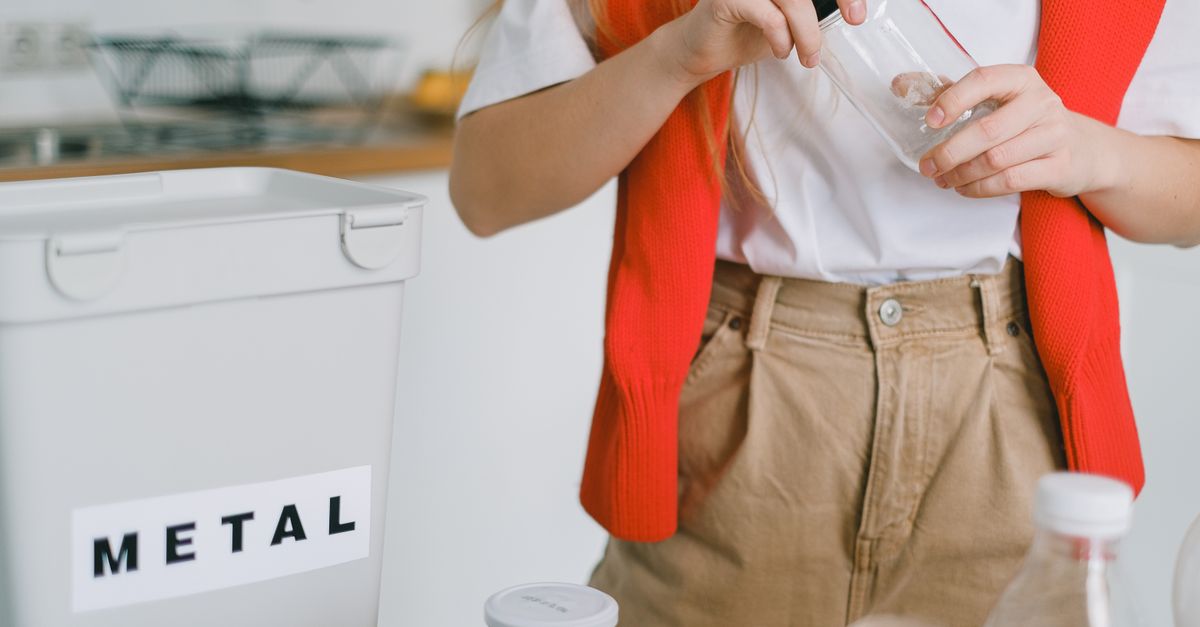
The first useful point of reference for an expat is the physical organisation of waste sorting. In many HDB buildings, and in a large number of private residences, blue recycling bins are installed on the ground floor, near busy areas or waste rooms. The principle is deliberately simple: a single recycling bin for several categories of material. Whereas France has accustomed households to separating several streams, Singapore relies on a centralised approach that is practical in a densely populated city. This choice also reflects the limited space available in residential developments and the desire to make sorting easy to understand for all residents, including new arrivals.
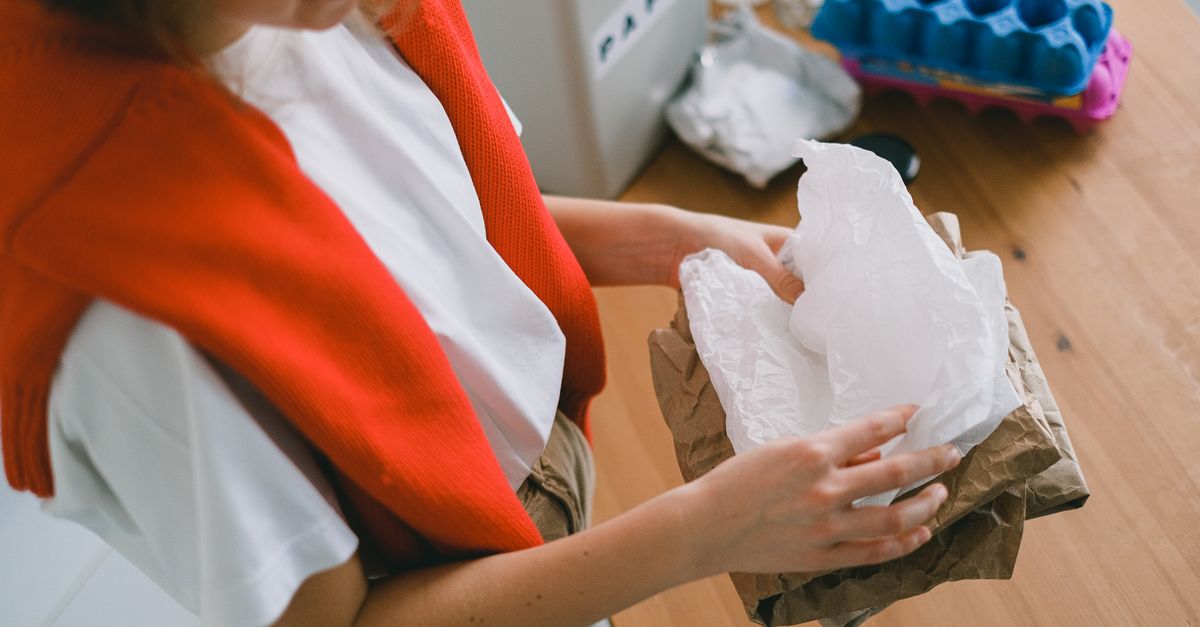
For a family’s day-to-day routine, this changes many habits. A delivery box can go in the blue bin if it is empty, clean and flattened. A plastic bottle can be placed there after rinsing. A yoghurt pot, however, often raises questions, as not all plastic items are handled in the same way by the local system. The right approach is not to ask whether the item is “plastic”, but whether it is actually accepted in the commingled collection and whether it could contaminate the other materials. This is where many households lose their bearings, especially at first. Singapore’s system is not more complicated, but it requires fewer automatic habits and more attention.
In some condos, the building’s internal regulations add instructions displayed in the waste room or in the lifts. These guidelines vary from one management company to another, which may surprise a French family used to consistent nationwide instructions. It is therefore useful to check the building’s notices, as one residence may accept certain cardboard boxes while refusing black bags filled with mixed items. This difference between buildings is often one of the first lessons of expat life. Understanding the local infrastructure is already a way to avoid the most common mistakes.
One key point is worth remembering from the outset: the blue bin is not a “magic” bin where everything that appears recyclable is automatically recovered. It is an entry point to a sorting chain that remains sensitive to the quality of what is deposited. The more precise the action, the better the system’s chances of working properly.
The clean and dry rule: the habit that makes all the difference to recycling
In Singapore, the principle most often highlighted by recycling organisations is simple: clean and dry. In practical terms, this means that recyclable packaging should be emptied, rinsed if necessary, and left free of liquid and significant residue. A bottle still containing soda or a tin with a greasy bottom can contaminate the other materials in the bin. In a commingled system, this contamination has immediate effects, as the contents are mixed from the outset and become more difficult to process afterwards.
This rule may seem strict to French expats, especially if sorting has long been associated with an almost automatic action. In Singapore, sorting requires more care, but less volume. A practical example helps to explain this: a family finishes dinner with cans, water bottles and a delivery box. If the cans still contain some drink, the box is covered in sauce, or the items have been gathered in a tied bag, the quality of the sorting is greatly reduced. By contrast, spending a few seconds rinsing, emptying and leaving items to dry can make all the difference.
The tied bag is another common pitfall. Many new residents think they are doing the right thing by gathering their recyclables in a bag before throwing them away. However, the contents are then less visible, more difficult to sort and sometimes considered unsuitable. It is better to place the materials directly in the blue bin, in accordance with local guidelines. This practice also helps collection staff and reduces mistakes when the bins are emptied. Sorting is not just an individual action; it is a quiet chain of cooperation in which each stage influences the next.
In a family with children, the most effective approach is often to build this habit into the kitchen routine. After a snack or meal, packaging is checked before being taken to the bin area. The habit may seem minor, but it prevents repeated mistakes. In the long term, it is less tiring than having to go through the entire bin again afterwards. Clean and dry then becomes an automatic household habit, almost as natural as taking off your shoes before entering a flat.
Why blue recycling bins are often contaminated and what this really changes
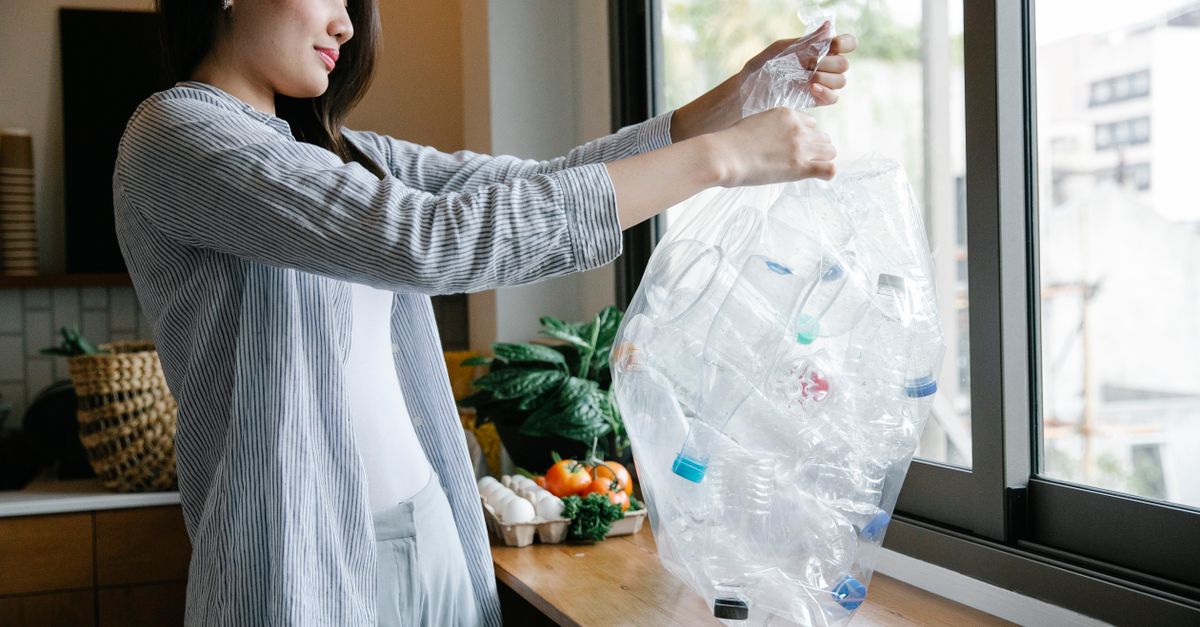
Contamination is central to understanding recycling in Singapore. Public surveys and feedback from the field regularly show that a significant proportion of the contents of blue bins is not actually recyclable. They contain tied-up bags, food waste, soiled containers, items that do not belong in household recycling, and composite materials that are difficult to process. The result is straightforward: a significant proportion of what is placed in the blue bin ends up, after inspection, in the residual waste stream and then being incinerated.
This finding can disappoint expats arriving with deeply ingrained sorting habits. However, it should not be taken to mean that the system is ineffective. It works, but only if users respect its requirements. In a dense city such as Singapore, contamination quickly comes at a cost: it increases the volume of waste to be incinerated, makes operators’ work more difficult and reduces the quality of recovered materials. A correctly used bin can contain recoverable resources; a poorly used bin becomes a mixture that is difficult to salvage.
A French-speaking household can picture this through a common example: everyday delivery boxes. When they are clean, dry and flattened, they belong in the recycling stream. When they are stained with grease, covered in excessive adhesive tape or filled with other small pieces of waste, their potential drops considerably. The same reasoning applies to rigid plastics, cans and jars. The issue is not so much the item itself as its condition when it is deposited. This distinction changes how sorting is done at home.
The good news is that contamination can quickly be reduced with a few simple guidelines. All you need to do is set up two household bins: one for residual waste and the other for recyclables to be checked before taking them out. Families with children benefit from making this step visible and almost educational. When the whole household takes part, the blue bin stops being a source of uncertainty and becomes a useful resource again. This is often when sorting starts to deliver results.
Try our interactive sorting tool
Search for an item or filter by category to find out instantly where to dispose of it.
Singapore practical guide
Waste-sorting comparison table
Quickly find where to dispose of each item, the required condition and the common mistake to avoid. Key rule: clean and dry = clean and dry.
Filter
Search
Quick sorting
General household waste
For items that are neither recyclable nor electronic.
Commingled recyclables
Only clean and dry items, without tied-up bags.
E-waste
Electronics, batteries and lamps to be taken to the appropriate collection point.
| Everyday item | Where to dispose of it | Required condition | Common mistake |
|---|
Essential tip
For recycling in Singapore, always follow the clean and dry rule. If packaging is soiled, empty and dry it before placing it in the commingled recyclables. Batteries, phones, cables and light bulbs belong in the e-waste stream.
Where general household waste managed by the NEA goes
To use recycling correctly, you also need to understand what falls under general household waste. In Singapore, the NEA oversees the management of a large proportion of this residual waste. Anything that is not recyclable under local conditions, or that has been too contaminated to be recovered, goes into the regular collection. This includes food waste, used tissues, nappies, soiled items, certain composite packaging and a wide range of everyday products that do not belong in the blue bin.
The city’s general system is based on a highly structured process: residual waste is collected, transported and then largely incinerated. This reality may surprise families from France, where greater emphasis is placed on sorting by material and separate recovery. In Singapore, the main aim is also to limit the final volume, as the space available for waste storage is more restricted than in Europe. This urban configuration partly explains the system’s strictness. Sorting is not a symbolic gesture; it contributes to the practical management of a very dense city.
For a family living in a condo, the separation between general waste and recyclables should be planned in the kitchen from the outset. Food waste remains in the regular waste stream, even though this may seem frustrating to French people used to a food-waste bin. Tissues, very dirty paper towels and greasy packaging should not go into the blue bin. Once again, clarity of action matters more than having numerous categories. Simple but accurate sorting is better than sophisticated sorting that is poorly applied and ultimately counterproductive.
It is useful to remember this common-sense rule: when an item is too soiled, too mixed or too small to be properly recovered, it often belongs in general waste. This approach prevents repeated mistakes and reduces the risk of contamination. For French-speaking expats, the aim is not to “recycle everything”, but to direct each item to the most appropriate waste stream.
This waste-management system is one of the practical points to incorporate into your daily life in Singapore.
Recycling e-waste in Singapore through the ALBA and myENV network
Electronic waste, or e-waste, is a subject in its own right. Phones, tablets, cables, chargers, small household appliances, earphones, mice, batteries and certain digital accessories must not be placed in the blue bin. Their composition requires specific handling, as they contain recoverable materials as well as components that need appropriate treatment. For expatriate families, this is important, as devices are often replaced more quickly than you might imagine: a broken adaptor, an old phone kept “just in case”, or a laptop battery that no longer holds its charge can quickly build up in a drawer.
The ALBA network now makes it easier to collect this type of waste, with collection points installed in various everyday locations: shopping centres, community centres and certain petrol stations. This network makes it easier to do the right thing without having to cross the whole island. Extensions to the network are planned for 2026, which will make it even more accessible for residents. For a French-speaking household, the easiest approach is to treat this drop-off as an errand to combine with another trip: take advantage of a visit to a shopping centre or a neighbourhood appointment to drop off unwanted devices.
The myENV app is therefore a very useful tool. It allows you to locate collection points and check the options available nearby. This is particularly helpful when you have just moved in and do not yet know the local arrangements. In some cases, the nearest collection point may be in a busy shopping centre; in others, it may be easier to use a nearby community centre. The search takes little time and prevents you from unnecessarily storing dangerous or bulky items at home.
For families with children, this system is also a good educational opportunity. An old pair of headphones or a broken mouse does not simply “disappear” into the bin: it enters a dedicated waste stream. This helps children understand that recycling is not limited to visible packaging. In Singapore, e-waste is a good illustration of how everyday sorting and specialist collection complement each other. It is often the area most overlooked by new residents, even though it is very easy to deal with once you have found the right collection point.
Planning ahead for these arrangements also helps avoid unpleasant surprises in your monthly budget, including collection fees and equipment purchases.
Fines, littering and incorrect sorting: what French expatriates should anticipate
Singapore’s framework is often perceived as very strict, and this impression is based on reality: the authorities closely monitor the cleanliness of public spaces and the proper management of waste. Littering, such as throwing a piece of paper, a cigarette butt or a small piece of packaging into the street, can lead to penalties. Fine amounts vary depending on the nature of the offence and the circumstances, with ranges that can become significant. The key point is not only financial: public spaces are protected to a high standard, and breaches are not widely tolerated.
Incorrect sorting does not always result in an immediately visible penalty for a household, but it has tangible consequences for the waste-treatment chain. In some residences, an excessively contaminated bin may be reported, and reminders of the guidelines are sometimes displayed by the management corporation or property manager. For French expatriates, this culture of compliance can come as a surprise at first. In France, sorting mistakes are often corrected further down the line; in Singapore, greater emphasis is placed on individual responsibility from the moment the item is discarded.
A good way to prepare for this context is to adopt a simple routine as soon as you move in. It is best to ask two practical questions in the first month: where does household waste go, and where is the nearest e-waste collection point? This helps prevent items from piling up in the flat and reduces mistakes in communal areas. Children themselves quickly learn the rules when they are clear: no littering outdoors, no careless depositing in the blue bin, and no sealed bag without checking what is inside.
This strictness is not intended to make residents’ lives more difficult. Rather, it aims to protect a very densely populated urban environment, where every action has a visible impact. For a French family, the adjustment may take a few weeks, but it soon becomes second nature. The best strategy is to turn the requirement into a routine: a simple routine, repeated regularly and compatible with the everyday life of an expatriate household.
| Everyday item | Destination in Singapore | Useful condition | Common mistake |
|---|---|---|---|
| Plastic bottle | Commingled blue bin | Empty, rinsed and dry | Throwing it away with liquid still inside |
| Delivery cardboard | Commingled blue bin | Flattened, clean and grease-free | Leaving it soaked in sauce or grease |
| Can | Commingled blue bin | Empty and ideally rinsed | Putting it in while still full |
| Used phone | ALBA e-waste collection point | Remove personal data if possible | Putting it in general waste |
| Batteries and rechargeable batteries | ALBA e-waste collection point | Dispose of them separately according to the guidelines | Leaving them in a drawer or throwing them away at random |
Cultural differences to anticipate when moving from France
The main culture shock for a French expatriate does not come from the quantity of waste, but from the way the system expects everyone to organise themselves. In France, sorting is often done using multiple bins, clearly identified by colour and material. In Singapore, the approach is more compact, more centralised and sometimes less detailed in public spaces. This difference may give the impression that “everything goes together”, whereas in reality sorting relies on other safeguards: quality control, clean disposal areas and the user’s responsibility at the point of disposal.
During the first few weeks, many families look for the familiar visual cues. Where is the glass bin? Where should newspapers be dropped off? Why does this waste area have only one colour of recycling bin? These questions are normal. The answer often lies in the local culture of efficiency: fewer visible categories, but greater discipline regarding the condition of what is thrown away. The systems do not follow the same logic, even if their ultimate aim is similar.
A telling example is the weekly shop. An expat used to buying in bulk, using large recycling bins and returning bottles for a deposit may be surprised by the prevalence of individual packaging and home deliveries. This creates more dry waste, as well as more small items that need to be directed to the right place. The solution is not to try to replicate France in Singapore. Instead, you need to develop your own local habits: a bin for general waste, a space for clean recyclables, and a known e-waste collection point in the neighbourhood.
For families with children, this adaptation can become a positive topic. Young children quickly understand the practical nature of Singapore’s rules, especially when they are explained consistently. By explaining why a container must be empty, why a cable belongs elsewhere and why a tied-up bag is not suitable, the household develops a genuine culture of sorting. This is often when expatriation stops being a series of adjustments and becomes a well-managed way of life.
Simple ways to make recycling part of family life from the first month
Good habits develop more quickly when they are incorporated into the household routine. A family arriving in Singapore should plan from the outset where to separate general waste, clean recyclables and e-waste. This is not a matter of sophisticated organisation, but of clarity. When everyone in the household understands where everyday items belong, mistakes naturally decrease. Children can even help by identifying packaging that is clean enough to recycle and items that should remain in the general waste stream.
An effective method is to proceed in three stages. First, empty the containers properly; then check that they are clean and dry; finally, decide whether they should go in the blue bin, the general waste bin or to an ALBA collection point. This sequence is easy to remember and avoids improvised decisions. For households that often order online, it is also useful to flatten cardboard boxes immediately rather than stacking them while they are still damp or dirty. Tidying up and sorting can then happen together.
Using the myENV app can become part of this routine as soon as an appliance breaks down. Instead of storing old items “for later”, it becomes natural to check the nearest collection point. This habit reduces clutter at home and prevents random mixing of waste. In a modest-sized flat, often typical of Singapore, this discipline also provides a tangible benefit in terms of living space. Less clutter, less hesitation and a smoother daily routine: this is often how sorting becomes a lasting habit.
For a French-speaking family, the key is not to aim for perfect sorting from the very first day. Rather, it is about establishing a consistent system adapted to local constraints. Once the right reference points have been learnt, the system becomes very clear, almost automatic. And it is precisely this simplicity of execution that makes it effective.
To take your settling-in process further, also see our guide to integrating into local life.
Keen to discover sustainable Singapore?
Beyond waste sorting, Singapore has cultivated a genuine culture of urban nature. Book your visit to Gardens by the Bay, a symbol of this garden city’s commitment to the environment.
See Gardens by the Bay on Klook →Frequently Asked Questions
What can be put in Singapore’s blue recycling bin?↓
Clean and dry packaging such as certain paper, cardboard, plastic and metal items, and sometimes glass depending on the local guidelines, can go in it. The most important thing is to follow the clean and dry rule and not place waste in a tied-up bag.
Do you have to sort glass separately as in France?↓
No, the system is often commingled in HDBs and condos. Glass can be mixed with other recyclables in the blue bin, but only if it is accepted under the building’s guidelines and placed in clean.
Where should you dispose of an old phone or a broken charger?↓
Electronic waste should be taken to an ALBA collection point. The myENV app helps you find the nearest point, in a shopping centre, community centre or another partner site.
Does food waste go in the recycling bin?↓
No. Food scraps are treated as general household waste and handled through the usual collection system. Placing them in the blue bin increases contamination and reduces the chances of recycling other materials.
Can you be penalised for sorting waste incorrectly or for littering?↓
Littering can result in fines and penalties that vary depending on the situation, while incorrect sorting is mainly a problem for the recycling process and may be flagged by the management committee. In Singapore, the key rule remains to put each item of waste in the right place and in the right condition.
Have a question about everyday life in Singapore?
Share your questions and tips with the French-speaking community on our forum.
You may also like: Singapore’s second-hand market: Carousell and best practices