Mastering Telecoms at the heart of the Smart Nation
From ultra-fast fibre optic broadband to almost ubiquitous 5G coverage, discover how Singapore is redefining global connectivity and how to optimise your plans as a French-speaking expat.
Telecommunications in Singapore offer exceptional connectivity: fibre optic broadband of up to 10 Gbps in most homes, almost complete 5G coverage and highly competitive mobile plans. You will find four major operators (Singtel, StarHub, M1, SIMBA) and several MVNOs (Giga, Gomo, Circles.Life) offering no-contract plans from 10 SGD for 20 GB, or unlimited plans from 30 SGD. Activating a local SIM card takes just a few minutes with your passport, and fibre can be installed within 48 to 72 hours.
1st
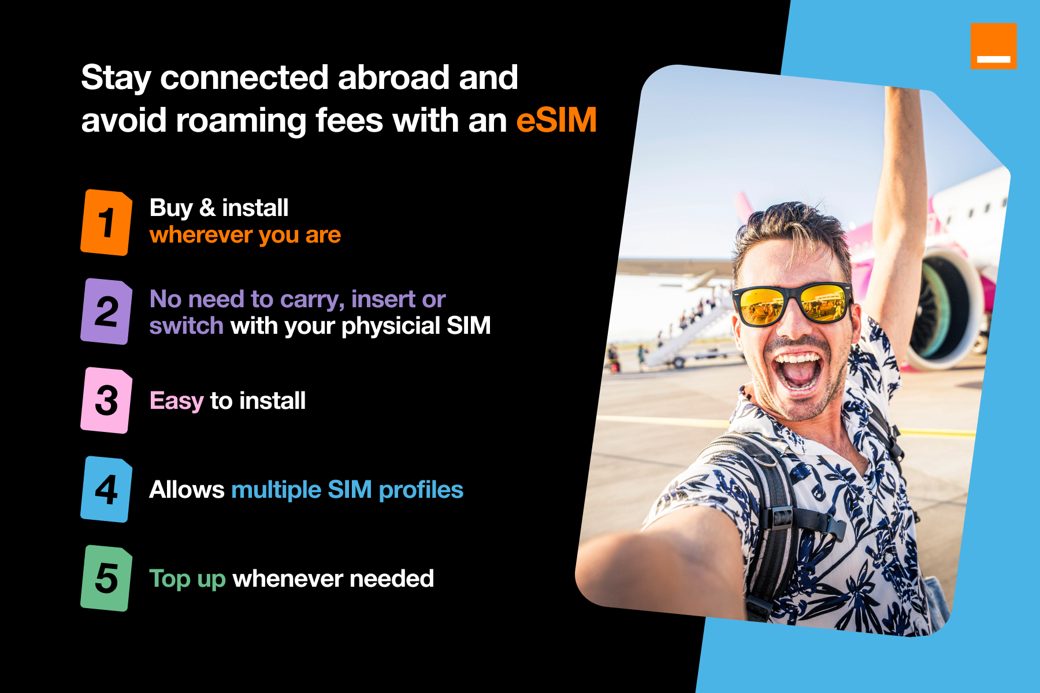
Tip: set up a Singapore eSIM before departure so your data works on arrival.
Global (Fixed Broadband)
99%
5G Coverage
~250 Mbps
Mobile Average
156%
Mobile Penetration Rate
Cutting-Edge Infrastructure
In 2026, Singapore continues to rank at the top of Ookla's Speedtest Global Index. The city-state is not just a financial hub; it is Southeast Asia's digital nervous system. With massive investment in subsea cables and a fully fibre-optic domestic infrastructure, residents benefit from fixed broadband speeds often exceeding 2 Gbps on consumer plans.
This performance is not limited to wired connections. The mobile network has begun its transition towards experimental 6G in certain research centres, while 5G Standalone (SA) has become the absolute standard, offering near-zero latency essential for telemedicine services and autonomous vehicles now travelling through certain districts such as Jurong Lake District.
For French-speaking expats accustomed to European networks, the experience is often a positive surprise: network stability is exemplary, even deep underground on the MRT or at the top of the skyscrapers of Marina Bay.
Pure Speed
Recent tests show peaks of 10 Gbps for premium home connections.
Connectivity
More than 25 international subsea cables converge here.
The Mobile Market: A Competitive Ecosystem
With four major operators and a host of virtual operators (MVNOs), the choice is extensive and prices are extremely competitive.
Singtel
The Historic Leader
Representing the sector's economic power, with revenue running into billions of dollars, Singtel offers the best domestic and international coverage. It is the preferred choice for those unwilling to compromise on reception quality, even if prices are slightly higher.
- 5G SA
- Premium Roaming
- Multi-device
StarHub
"The ultimate integrator, combining television entertainment with mobile broadband."
Ideal for families looking for bundled plans (Home + Mobile + TV).
View family plansM1
The pioneer of personalisation. Its "Bespoke" plans allow you to adjust your data and minutes each month via an intuitive app.
SIMBA (formerly TPG)
The price cutter. Offers huge data allowances (often 100 GB+) for negligible sums (around 10 SGD). Excellent for those on a tight budget.
MVNOs (Giga, Gomo, Circles.Life)
These virtual operators use the networks of the "Big 3" but offer 100% digital interfaces, no-contract plans and ultra-aggressive prices for young professionals.
2026 Telecoms Budget Simulator
Estimate your monthly cost based on your connectivity needs in Singapore.
Estimated Monthly Cost
Around 62 € / month
Based on average prices observed in January 2026. Includes 9% GST.
Cost Analysis: Singapore vs France
The cost of telecommunications in Singapore is remarkably low compared with local purchasing power. In 2026, according to the International Telecommunication Union, a standard mobile plan costs around 0.4% of average monthly gross income, compared with 0.8% in France.
Almost-unlimited mobile data
100 GB plans are standard for less than 25 SGD.
Fibre installation within 48 hours
As the network has already been rolled out everywhere, activation is quick.
Price Trends (2020–2026)
Note: Although prices are falling, per-capita data consumption has soared with the widespread adoption of 4K streaming video and ubiquitous cloud services. See our guide to the overall budget in Singapore for more details.
Practical Installation Guide
Choosing Your SIM Card
As soon as you arrive at Changi Airport, you can buy a prepaid SIM card. However, for a long-term setup, opt for no-contract "SIM Only" plans.
- • Documents: Passport or FIN (Work Pass)
- • Age: 18 minimum
- • Portability: Free and automatic from an existing local number
Installing Fibre Broadband
Once you have found your home, contact a provider. Most flats (HDBs or condos) are already pre-wired.
- • Installation time: 3 to 7 working days
- • Equipment: ONT (Optical Network Terminal) provided
- • Router: Included, or buy your own for greater control
Singpass & Digitalisation
Your telephone number is your main identifier for Singpass, the essential digital identity app for all your administrative procedures.
International Calls & Roaming
As Singapore is a cosmopolitan city, calls abroad are straightforward. Singapore’s international dialling code is +65.
To call Europe, use VoIP prefixes (such as Singtel’s 019 or StarHub’s 008) to considerably reduce costs compared with the standard 001.
Quick dialling codes:
- To France: +33...
- To Belgium: +32...
- To Switzerland: +41...
- To Canada: +1...

Did you know? Most local plans now include free "Roaming" in Malaysia, Indonesia and sometimes Thailand.

A touch of nostalgia: Public phone booths
Although rare in 2026, Singapore still has a few public phone booths, mainly in historic areas and near migrant workers’ dormitories. They operate with prepaid cards or coins (10, 20 and 50 cents). They are a charming relic in an otherwise ultra-connected city, and useful if your smartphone runs out of charge completely.
Frequently Asked Questions (FAQ)
Can I keep my French number in Singapore?
Technically, yes, via roaming, but it will cost you an extremely large amount. You are strongly advised to get a local SIM and use WhatsApp or Telegram to stay in touch with your loved ones in France.
Does 5G work everywhere?
Yes, Singapore has reached 99% population coverage. Even in MRT tunnels, you will benefit from an ultra-fast connection.
Which is the best operator for expats?
If you travel frequently in Asia, Singtel or StarHub have excellent roaming options. For purely local and economical use, Circles.Life or Giga are unbeatable.
Can an Internet contract be cancelled easily?
Contracts with a minimum term (12 or 24 months) have early termination fees. If you are not sure how long you will stay, opt for a no-contract plan, although it is slightly more expensive each month.
Is free public Wi-Fi available?
Yes, the Wireless@SGx network is available free of charge in most public places (shopping centres, libraries and railway stations). You just need to set up your profile once.
What documents are required for a postpaid plan?
You will need your passport and work pass (EP, Spass, Dependant Pass). Proof of address (tenancy agreement or electricity bill) may sometimes be requested.
Is television included in Internet plans?
Generally, yes, in the form of apps (StarHub TV+ or Singtel TV Go). National channels (MediaCorp) are free, while international channels (sports, news) are optional.
Can I use my own Wi-Fi router?
Absolutely. Most expats prefer to buy Mesh systems (Google Wifi, Netgear) to effectively cover large concrete flats, which often block signals.
What is an eSIM, and is it available?
eSIMs are widely used in Singapore. All major operators and MVNOs offer them, allowing you to activate a line within minutes via a QR Code.
Do prices include GST?
In 2026, the Goods and Services Tax (GST) is 9%. Always check whether the displayed price is "GST inclusive" or not.
Emergency Numbers in Singapore
Save them in your phone now.
Police
999
Ambulance / Fire Service
995
Ambulance (Non-Emergency)
1777
Ready for your new connected life?
Settling in Singapore is made easier by an exemplary digital ecosystem. Continue exploring with our dedicated guides.