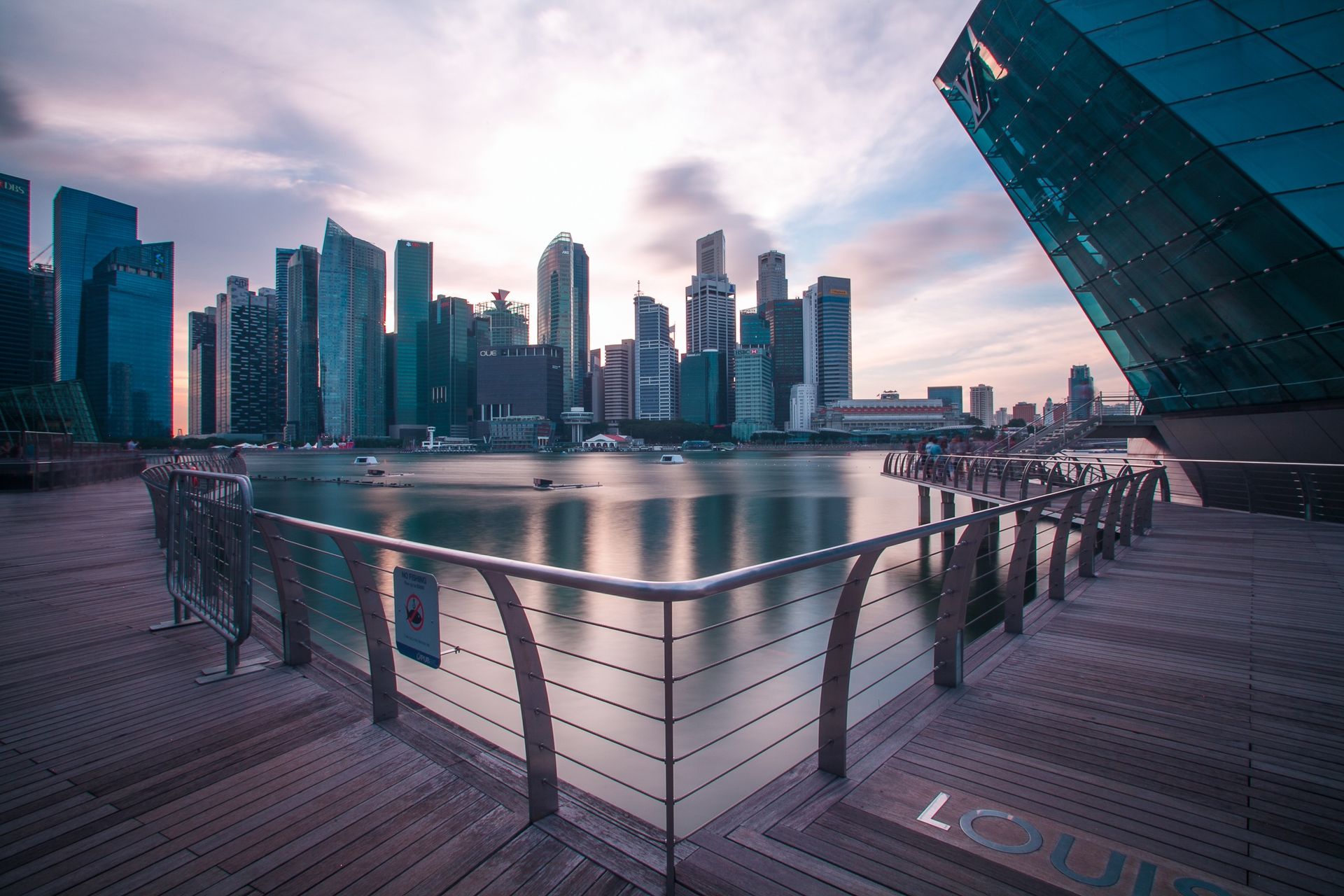
Living and Travelling in Singapore:
Health & Formalities Guide
Navigate the administrative and healthcare landscape of the city-state with confidence. From COVID-19 compliance to expatriate visas, prepare your plans with the latest information.
A Constantly Evolving Metropolis
In 2026, Singapore is more than ever establishing itself as Southeast Asia's essential crossroads. Combining technological modernity with rigorous public health management, the city attracts thousands of French-speaking professionals and families every year.
The post-pandemic experience has transformed healthcare infrastructure into a global model of resilience. For an expatriate, understanding these nuances is no longer optional but essential for successful integration. Whether you are here for a short stay or a long-term move, mastering health protocols and entry requirements is the first pillar of your success.
Important: Singapore's status as a "Safe Hub" is based on strict regulations. Compliance with local laws is essential to retain your residence permit.

Entry Formalities & Visa
Everything you need to prepare before flying to Changi.
Passport & Validity
Your passport must have a minimum validity of six months beyond your intended departure date from Singapore. This is a non-negotiable rule enforced by the ICA (Immigration & Checkpoints Authority).
SG Arrival Card
Compulsory for everyone. Complete it online within the 3 days before arrival. Includes an electronic health declaration.
100% digital processing active
Tourist Stay
French nationals are exempt from visa requirements for stays of less than 90 days. A "Social Visit Pass" is issued on arrival.
More information on Routard.com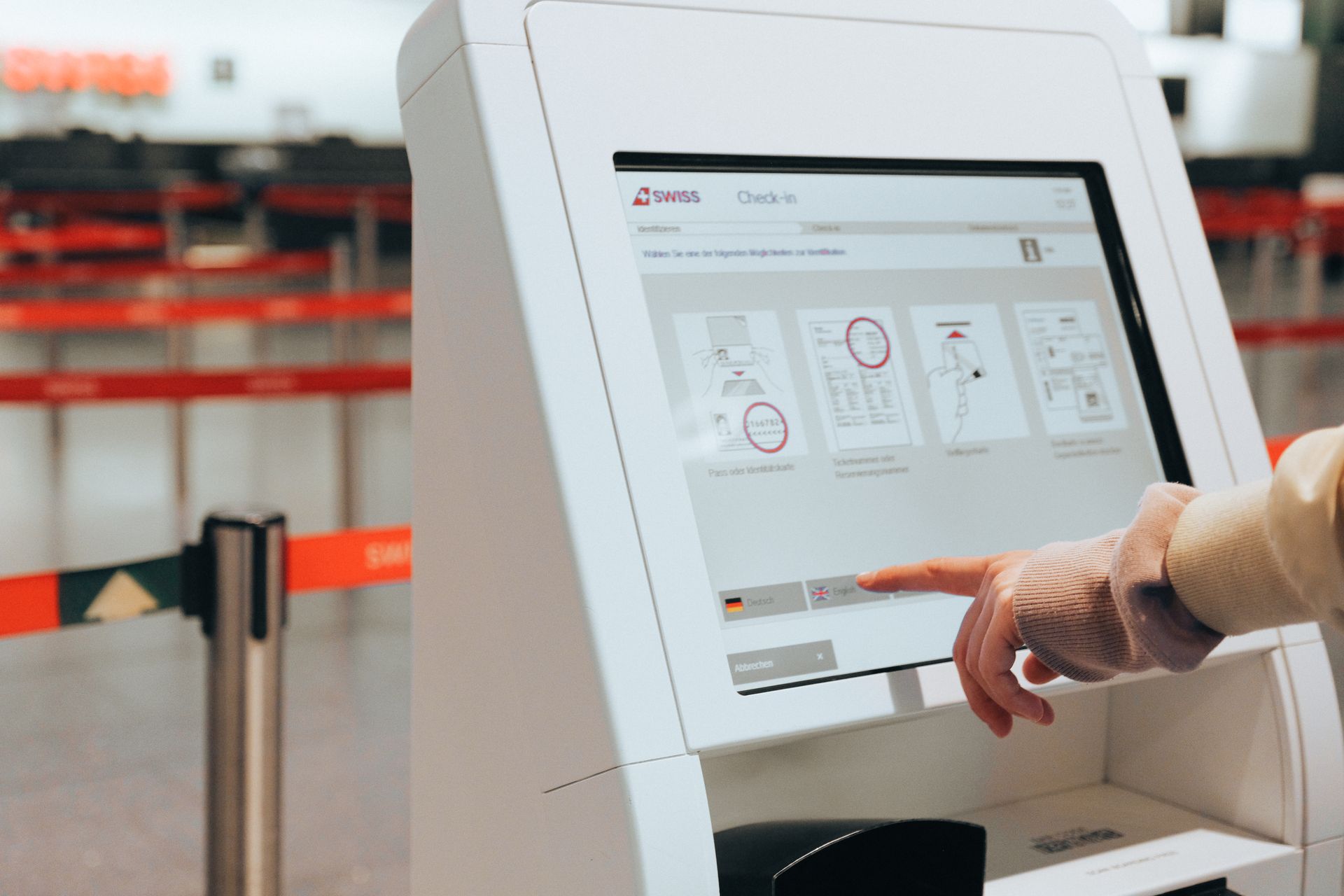
Expatriation (EP / S Pass)
The 2026 job market requires highly skilled profiles. Applications for an Employment Pass take between 3 and 8 weeks.
Travel & Health Simulator
Check your personalised requirements based on your traveller profile.
The Protection Wall: Vaccinations & Health
Singapore maintains high standards. French-speaking expatriates are advised to have their vaccination status reviewed 4 to 6 weeks before departure.
Compulsory: Yellow Fever
If you are coming from a risk country or have transited through one for more than 12 hours. Without a certificate, you will be refused entry.
Hepatitis A and B
Strongly recommended for a long-term move, especially if you plan to explore neighbouring countries.
Dengue and Zika
There is no universal vaccine, but increased vigilance is required. Protection against mosquitoes is a daily precaution.
"Health insurance in Singapore is vital. A simple hospital stay can cost several thousand Singapore dollars per day."
— Dr Tan, Singapore International Clinic.


A "Fine" City
Singapore is one of the safest cities in the world, but this safety is based on strict laws that every expatriate should know.

Vaping / E-Cigarettes
Since September 2025, simply possessing an electronic cigarette has been severely penalised. Immediate fines and a risk of deportation for residents.
Alcohol & Nightlife
Alcohol consumption is prohibited in public places from 22:30 to 07:00. Respect responsible nightlife.
Online Scams
Be especially wary of job offers that seem too good to be true and SMS banking scams. Never share your OTP codes.
Imports
Chewing gum, drugs (capital punishment) and certain prescription medicines are strictly prohibited.
Successful Expatriation in 2026
Living in Singapore means embracing unique multiculturalism. Between the financial dynamism of Tanjong Pagar and the tranquillity of the Gardens by the Bay, your daily life will be shaped by remarkable efficiency. The cost of living remains high, but the quality of services, public transport and safety make the investment worthwhile for many families.
100%
Fibre Coverage
3 min
MRT Waiting Time
700+
Urban Parks
Top 3
Global Education
Frequently Asked Questions (FAQ)
Do you still need to wear a mask in Singapore in 2026? ▼
Wearing a mask is no longer compulsory in most public spaces. However, it is still strongly recommended in healthcare facilities and during seasonal peaks in pollution or flu.
How long is the Yellow Fever vaccination certificate valid? ▼
In accordance with the WHO rules adopted by Singapore, the certificate is now valid for life. It must be presented if you have stayed in a country in the endemic zone during the 6 days before arrival.
Can I bring my personal medication? ▼
Yes, but with precautions. For long-term treatments or controlled substances (psychotropic drugs, certain painkillers), you must have a prescription in English and sometimes prior authorisation from the HSA (Health Sciences Authority).
How long does it take to obtain an Employment Pass? ▼
On average, allow 4 to 8 weeks. The process has become more selective with the COMPASS (Complementarity Assessment Framework) system introduced in recent years, which assesses both the candidate and the company.
Is travel insurance compulsory? ▼
Although it is no longer routinely checked at customs for tourists, it is virtually essential. Medical costs in Singapore for non-residents are extremely expensive.
How do I enrol at the French school? ▼
The International French School (IFS) is the preferred option. Applications should be submitted as early as January for a September start. See our education guide for details.
Is there a risk of terrorism? ▼
Singapore maintains a high level of vigilance (SGSecure). The risk exists as it does in any major global city, but local intelligence services are among the most effective in the world.
Can you drink tap water? ▼
Yes, absolutely. Singapore's water is treated to the strictest WHO standards and is perfectly safe to drink everywhere on the island.
What budget should I allow for a three-room property? ▼
For a quality condo in a sought-after area such as River Valley or Bukit Timah, allow between 5,500 and 8,000 SGD per month in 2026. More information on housing here.
What is the TraceTogether system in 2026? ▼
TraceTogether has evolved into an integrated global health app (HealthHub), used mainly to manage digital vaccination records and securely access medical records.
Ready for your new life?
Join our community of more than 15,000 French-speaking expats and enjoy exclusive advice for settling in.