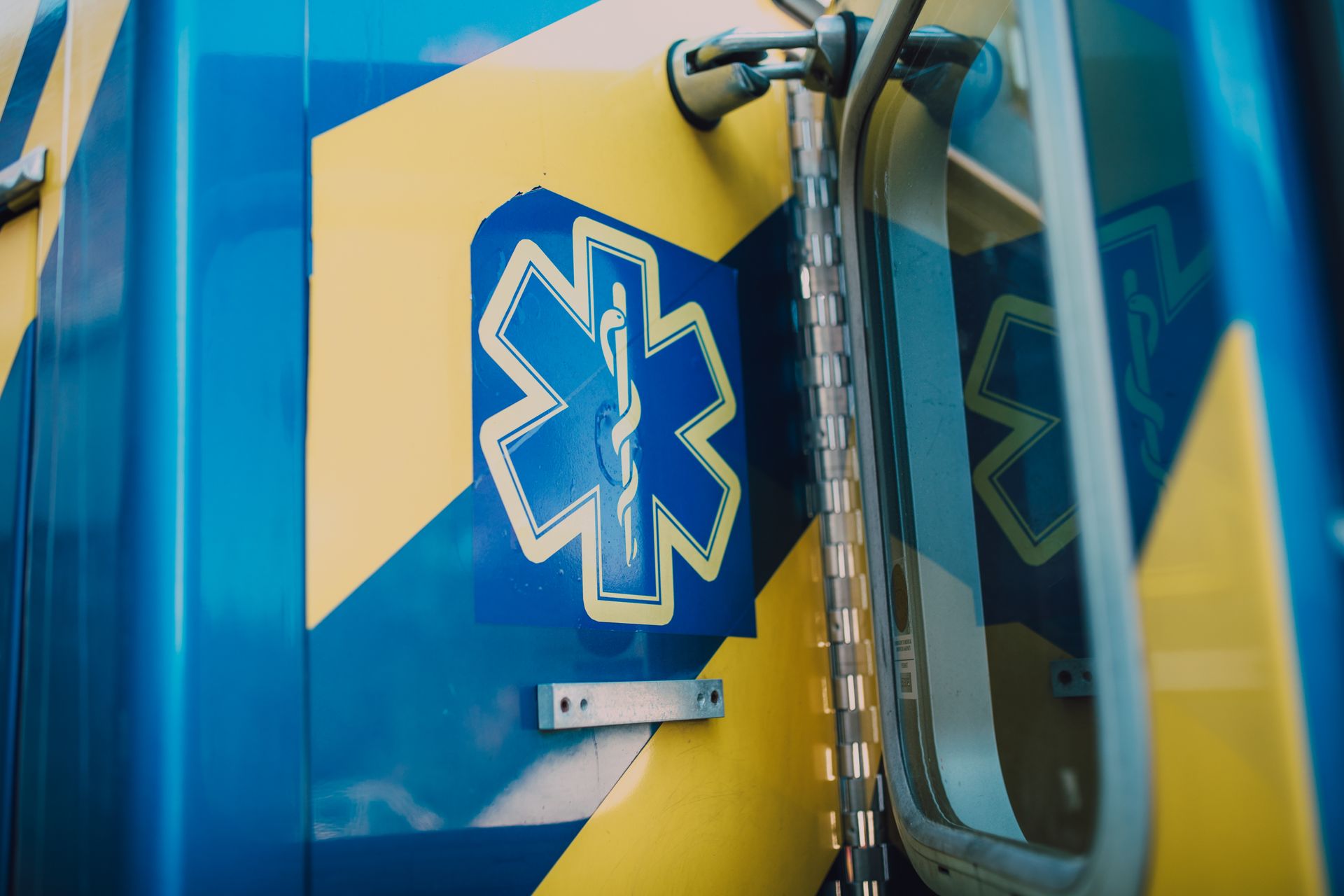
Singapore Emergencies

Emergencies in Singapore:
React Quickly and Effectively

In 2026, Singapore remains one of the safest cities in the world, but knowing who to call within a split second can save lives.

In Singapore, dial 995 for a medical emergency or fire, and 999 for the police. SCDF ambulances (995) take you free of charge to the nearest public hospital in a life-threatening emergency. For non-critical transport or transport to a private facility, call 1777. The emergency service answers in under 10 seconds and responds within an average of 8 minutes. Always carry your identity card, health insurance details and emergency contacts with you.

World-class efficiency

Singapore has an extremely efficient emergency management system, primarily operated by the Singapore Civil Defence Force (SCDF). In 2026, the integration of artificial intelligence and real-time GPS tracking enables emergency services to respond within an average of less than 8 minutes for critical cases.

To get online as soon as you land, a Singapore eSIM can be installed before you leave, with no need to look for a local SIM card.

Whether you are a new expat or just passing through, understanding the difference between a life-threatening emergency and a non-urgent situation is crucial to avoid overloading the system. Misuse of emergency numbers can also result in severe penalties. For more advice on your overall safety, see our guide to Safety and Practical Advice.

99%

Emergency calls answered in under 10 seconds.

8 min

Average SCDF ambulance response time in 2026.

24h/7

Full availability of emergency services and public hospitals.

GPS

Automatic location tracking of mobile calls by emergency services.

Emergency Numbers to Know

995 Ambulance & Fire Brigade (SCDF)

This number is for life-threatening emergencies only: serious accidents, heart attacks, fires and severe breathing difficulties.

  • Free service for genuine emergencies.
  • Ambulance sent to the nearest public hospital.
  • GPS tracking activated as soon as you call.

999 Police (SPF)

Use in the event of an ongoing crime, an immediate threat to public safety or a situation requiring rapid police intervention.

  • Available 24 hours a day, 7 days a week.
  • For non-emergencies, use 1800 255 0000.
  • You can report incidents via the i-Witness app.

Medical Non-Emergency

1777

For ambulance transport to a private hospital or non-critical cases (e.g. a simple fracture without distress).

Gas Leak (City Energy)

1800 752 1800

Immediate assistance if you suspect a gas smell in your home.

Consular Assistance (France)

In the event of a lost passport, arrest or death, contact the Embassy of France in Singapore.

View emergency procedures →

Emergency Simulator: What should you do?

Select the situation to find out which number to call and what first steps to take.

What is the current situation?

Hospitals and Emergency Services (A&E)

Singapore has an extensive network of public and private hospitals. If you call 995, the SCDF ambulance will take you to the nearest public hospital. If you wish to go to a specific private facility, you must call 1777 or a private ambulance service.

Public Hospitals (Adults & Children)

  • SGH (Singapore General Hospital): The largest and centrally located.
  • NUH (National University Hospital): Excellent for research and complex cases.
  • KKH (KK Women's and Children's Hospital): The leading address for paediatric emergencies.

Private Hospitals (24-hour A&E)

  • Mount Elizabeth (Orchard & Novena): Very popular with expats.
  • Raffles Hospital: Located in Bugis, with a very efficient service.
  • Gleneagles Hospital: Close to the Botanic Gardens.

Note: Private emergency department fees are considerably higher. Make sure you have adequate insurance. See our guide to the Healthcare System in Singapore.
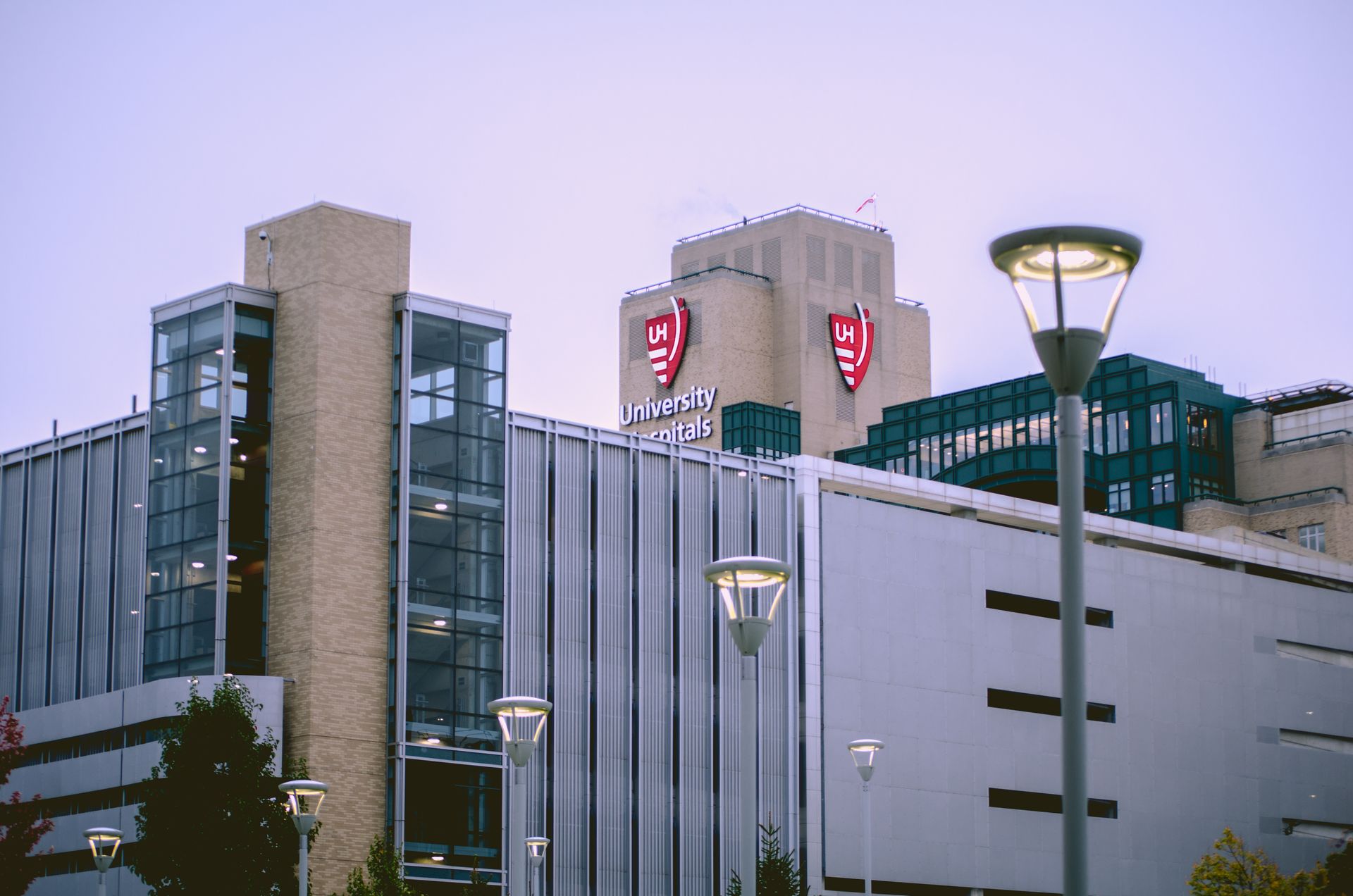
Singapore Hospital

Understanding Triage (P1 to P4)

In emergency departments (A&E), patients are not seen in order of arrival but according to the severity of their condition:

P1 Resuscitation: Immediate threat to life (Immediate treatment).
P2 Major emergencies: Unstable condition but no immediate threat to life.
P3 Minor emergencies: Stable condition (e.g. sprains, simple wounds).
P4 Non-urgent cases: Flu, mild cough (A long wait should be expected).

How to make an emergency call

01

Stay calm and precise

Take a deep breath. Clearly state your name and the nature of the emergency. The operator will speak English (Mandarin, Malay and Tamil are also available).

02

Give your location

Provide the exact address or a major landmark (e.g. "outside the ION Orchard shopping centre"). The GPS system will help, but confirm the location.

03

Follow the instructions

Do not hang up until the operator tells you to. They may give you first-aid instructions (CPR, wound compression) while you wait for the ambulance.

Other services and assistance

Emergency Psychological Support

If you or someone close to you is experiencing a severe emotional crisis, do not stay alone. Several helplines are available free of charge and anonymously.

  • SOS (Samaritans of Singapore) 1-767
  • IMH Emergency Helpline (Mental Health) 6389 2222

For support in French, see Psychological Help and Support for Expats.

Domestic & Animal Emergencies

  • Electricity (SP Power) 1800 778 8888
  • Water (PUB) 1800 225 5782
  • Animals in distress (SPCA) 6287 5355
  • Anti-Poison Centre (Drug & Poison) 6423 9119

Be Prepared: Your Checklist

Documents to carry with you

  • ✅ Local identity card (FIN) or passport.
  • ✅ Local/international health insurance card.
  • ✅ List of your known medical allergies.
  • ✅ Your ICE (In Case of Emergency) contacts set up on your smartphone.

Preparing your home

  • ✅ Complete first-aid kit.
  • ✅ Emergency numbers displayed on the fridge.
  • ✅ Know the location of the nearest defibrillator (AED) to your home (often at the foot of HDB blocks).
  • ✅ Download the myResponder app (SCDF).

Frequently Asked Questions

Do SCDF ambulances (995) charge a fee?

If the emergency is genuine and requires immediate transport, the service is free for residents. However, if medical staff deem the situation non-urgent, transport charges (approximately 274 SGD in 2026) may be billed.

Can I ask a 995 ambulance to take me to a private hospital?

No. SCDF ambulances are required by protocol to take patients to the designated nearest public hospital to ensure rapid treatment.

What should I do if I do not speak English well during the call?

Stay calm. Operators can call on in-house interpreters for Singapore's major languages. Try using simple keywords such as "Accident", "Police", "Fire" and "Hospital".

Do the numbers 112 or 911 work in Singapore?

Yes, the standard international numbers 112 and 911 are automatically redirected to 999 (Police) in Singapore.

What are the penalties for making an abusive call?

Misuse of emergency lines is a serious offence. Offenders may face fines of up to 20,000 SGD and/or imprisonment.

Where can I find a defibrillator (AED)?

They can be found in almost all HDB building lobbies, MRT stations, shopping centres and public parks. The SGSafeHome app can help you locate them.

How can I report a non-urgent incident to the police?

Use the Electronic Police Centre website or call the 1800 255 0000 hotline.

Are French-speaking medical services available?

Some private clinics have French-speaking doctors. For serious emergencies, all doctors in Singapore speak perfect medical English. See our Translation Services Guide if necessary.

Can I use a mobile app in an emergency?

Yes, the Police@SG and myResponder apps are excellent complementary tools for reporting incidents.

Does my travel insurance cover private ambulances?

It depends on your policy. Always check before your departure or move. More information is available in Insurance for Expats.
More information for settling in?

Updated on

When to call 995 or 999

995 covers medical emergencies (cardiac arrest, serious accidents, respiratory distress and severe burns) and fires. 999 is for police situations: crimes in progress, assault and an immediate threat to public safety. For non-urgent incidents, use 1800 255 0000 (police) or visit a general clinic for minor health problems.

The international numbers 112 and 911 are automatically redirected to 999 in Singapore. If you call 995 for a situation deemed non-urgent by the emergency responders, transport charges may apply. Misuse can result in fines of up to 20,000 SGD.

Public and private ambulances

SCDF ambulances (995) only transport patients to public hospitals. If you wish to be treated at a private facility or if your condition is not life-threatening, call 1777 or contact a private ambulance service directly. You will be responsible for the cost, which varies according to the distance and facility.

ServiceNumberDestinationCost
SCDF ambulance (life-threatening emergency)995Nearest public hospitalFree if it is a genuine emergency
Non-emergency ambulance1777Private or public hospital of your choiceCharged (variable)
Fire service995On-site interventionFree
Police (emergency)999On-site interventionFree

Hospitals and emergency departments (A&E)

Singapore has several leading public hospitals: Singapore General Hospital (SGH), National University Hospital (NUH) and KK Women's and Children's Hospital (KKH) for paediatric emergencies. Private hospitals such as Mount Elizabeth, Raffles Hospital and Gleneagles Hospital offer 24-hour emergency services, popular with expats, but at significantly higher rates.

In all emergency departments (A&E), patients are triaged according to severity: P1 (immediate life threat), P2 (major emergency), P3 (minor emergency), P4 (non-urgent case). You will not be seen in order of arrival, but according to your clinical condition. A sprain or flu can mean waiting several hours.

Choosing between public and private

Public hospitals provide an excellent standard of care at regulated rates, especially if you are a permanent resident or citizen. Private hospitals are quicker for non-critical consultations and often offer English- or French-speaking doctors. Always check your insurance cover before choosing, as private costs can reach several thousand dollars for a hospital stay. For more details on how the healthcare system works, see the Singapore wellness guide.

Making an effective emergency call

When you dial 995 or 999, stay calm and speak slowly. Immediately state the nature of the emergency (accident, fire, assault) and your precise location: full address, building name and a visible landmark (shopping centre, MRT station). The local GPS system locates your mobile, but always confirm the address.

The operator will ask you questions to assess the seriousness of the situation: number of people involved, level of consciousness, bleeding and breathing difficulties. Do not hang up until you are told to. You will receive first-aid instructions if necessary (recovery position, wound compression, cardiopulmonary resuscitation).

Language barrier

Operators speak English, Mandarin, Malay and Tamil. If you do not speak any of these languages, say simple keywords: accident, fire, hospital, help. The services can call on in-house interpreters. Prepare a card in advance with your address in English and your emergency contacts.

Other useful numbers and services

In the event of a gas leak, immediately call City Energy on 1800 752 1800, open the windows, do not switch on any electrical appliances and evacuate the property. For a power cut, contact SP Power on 1800 778 8888. For a water problem, call PUB on 1800 225 5782.

If you or someone close to you is experiencing a mental health crisis, contact the Samaritans of Singapore (SOS) on 1-767 or the Institute of Mental Health (IMH) emergency helpline on 6389 2222. These services are free, confidential and available 24/7. For an animal in distress, call the SPCA on 6287 5355. In the event of poisoning, the poison control centre can be reached on 6423 9119.

Consular assistance

In the event of a lost passport, arrest or the death of a loved one, contact the Embassy of France in Singapore. Save the consular emergency number in your phone and register on the Ministry of Foreign Affairs’ Ariane portal before your departure or move.

Preparation and prevention

Always carry your local identity card (FIN) or passport, health insurance card and a list of your medical allergies. Set up ICE (In Case of Emergency) contacts on your smartphone. At home, display the emergency numbers on the fridge and put together a comprehensive first-aid kit (plasters, disinfectant, bandages, scissors and gloves).

Download the myResponder app (SCDF): it alerts you in the event of a nearby cardiac emergency and guides you to the nearest defibrillator (AED). AEDs are installed in almost all HDB block lobbies, MRT stations, shopping centres and public parks. The SGSafeHome app helps you locate them. To better understand life in Singapore, explore the differences between condos and HDBs.

Insurance and medical costs

Always check your insurance cover before leaving or moving. A consultation at a private emergency department can cost several hundred dollars, while a hospital stay can cost several thousand. Travel insurance generally covers emergencies, but read the exclusions carefully (high-risk sports, pre-existing conditions). If you are an expat, take out international health insurance suitable for Singapore.

Apps and digital tools

The Police@SG app lets you report non-urgent incidents, locate the nearest police station and track the progress of your report. myResponder (SCDF) turns you into a volunteer first responder: you receive an alert if someone nearby suffers a cardiac arrest and can intervene before the emergency services arrive.

For non-urgent police reports, use the Electronic Police Centre website or call 1800 255 0000. The i-Witness app lets you send photos and videos directly to the authorities. These tools complement standard emergency calls and speed up the response.

Specific considerations for expats and travellers

If you are visiting Singapore, save the emergency numbers as soon as you arrive. Write down your hotel address in English and keep it in your wallet. If you are travelling with children, explain how to call 995 or 999 and teach them to give their name and location.

For expats settling in Singapore, familiarise yourself with the local healthcare system during your first few weeks. Identify the nearest public hospital and private clinic to your home. If you are combining Singapore with other destinations in the region, find out the emergency numbers for each country: see our guide to combining Singapore, Thailand and Indonesia.

Events and high-risk periods

During major celebrations such as New Year or Chinese New Year, emergency services may be busier. Plan for delays and avoid risky behaviour (alcohol, unauthorised fireworks). To find out more about these celebrations, read our article on New Year in Singapore.

Orange Travel eSIM

Frequently asked questions

Does 911 work in Singapore?

Yes, 911 and 112 are automatically redirected to 999 (police) in Singapore. You can dial them from a mobile, but it is preferable to memorise the local numbers 995 (ambulance/fire brigade) and 999 (police) for a faster response.

How much does an SCDF ambulance cost in Singapore?

An SCDF ambulance (995) is free if the emergency is genuine and requires immediate transport. If the situation is deemed non-urgent by the medical staff, a transport fee of around 274 SGD may be charged. Private ambulances (1777) are always chargeable.

Can I choose my hospital when calling 995?

No. SCDF ambulances (995) take you to the nearest public hospital to ensure prompt treatment. If you wish to be taken to a private hospital or a specific facility, call 1777 or a private ambulance service.

Where can I find a defibrillator (AED) in Singapore?

Automated external defibrillators (AEDs) are installed in almost all HDB block lobbies, MRT stations, shopping centres and public parks. Use the SGSafeHome or myResponder app to locate the nearest one to you in real time.

What should I do if I don’t speak English when making an emergency call?

Stay calm and say simple keywords: accident, fire, hospital, help. Operators on 995 and 999 can call on in-house interpreters for major languages. Prepare a card in advance with your address in English and your emergency contacts.

How do I report a non-urgent incident to the police?

For non-urgent incidents, call 1800 255 0000 or use the Electronic Police Centre website. You can also submit photos and videos via the i-Witness app. Reserve 999 for situations involving immediate danger.