Optimise Your Daily Journeys in Singapore
Master the world’s most efficient transport system. Save time, reduce fatigue and manage your budget with our expert strategies for expats.
The pillars of your mobility in 2026
Why is journey optimisation so important?
In Singapore, mobility is not simply a matter of transport; it is a way of life. In 2026, with the extension of the MRT lines (Thomson-East Coast Line) and the full implementation of ERP 2.0, knowing how to get around intelligently can save you more than 15 hours a month. Whether you are a busy professional or a family organising school journeys, every minute counts. Optimising your travel means choosing between being at the mercy of urban density or moving smoothly through one of the world’s most dynamic city-states.
Time Management
Identify “micro-journeys” and avoid bottlenecks during peak hours (8:00–9:00 and 18:00–19:30).
Cost Savings
Reduce your monthly spending by intelligently combining public transport, car-sharing and active travel.
Stress Reduction
Turn your journeys into moments of relaxation or productivity with our ergonomic tips.
Comparative Analysis of Transport Modes
The MRT: The Backbone
Reliable, air-conditioned and extremely frequent. In 2026, connectivity is comprehensive between the CBD and residential areas such as Bishan and Pasir Ris.
- Punctuality > 99%
- Affordable: $0.95 to $2.30 per journey
Grab & Taxis
The comfortable option for rainy days or nights out. Beware of “Surge Pricing” during tropical storms.
Active Travel
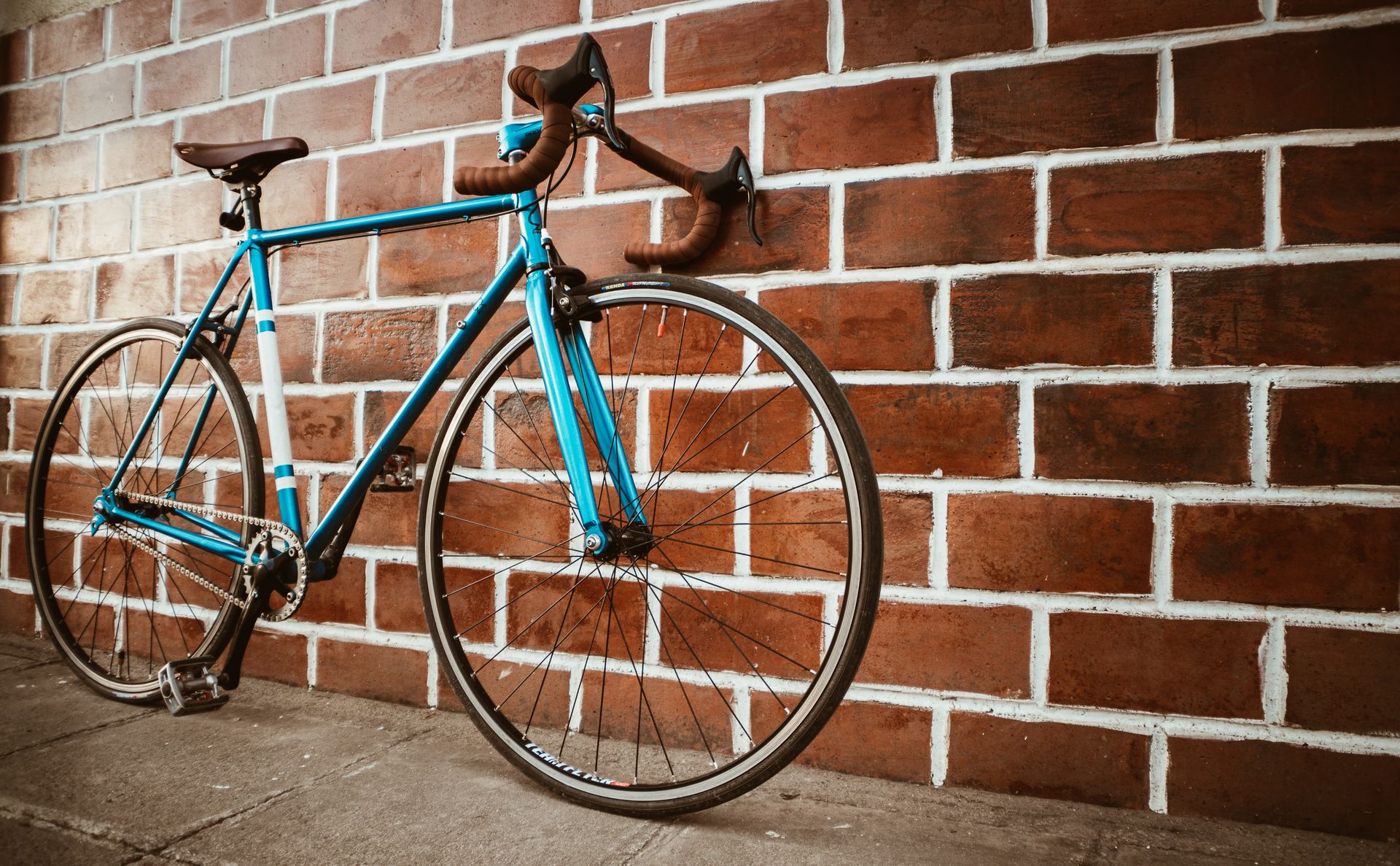
With the PCN (Park Connector Network), crossing Singapore by bicycle has become a safe reality. Ideal for the “First & Last Mile”.
The challenge of owning a car
Owning a vehicle remains a luxury (high COE). However, for families living in Bukit Timah or East Coast, it is an undeniable time-saver for after-school activities.
Calculate the cost of a carBus Network
Essential for areas not covered by the MRT. All fleets are now electric in 2026.
Preliminary Analysis: The Key to Efficiency
Before hopping on the first bus that comes along, a thorough analysis of your regular journeys is essential. In Singapore, a route that looks shorter on the map may turn out to take longer because of connections or waiting times at traffic lights.
Step 1: Identify your travel patterns. List your weekly journeys: work, school, shopping, exercise at your local gym, and social outings.
Step 2: Test different time slots. Use apps such as Google Maps or Citymapper to compare journey times at 7:30, 8:30 and 9:30. Sometimes delaying your departure by 15 minutes can help you avoid MRT congestion at Raffles Place or Orchard.
Step 3: Multimodality. Do not limit yourself to a single mode. The winning combination in 2026 is often: a personal e-scooter to the MRT, followed by a 10-minute air-conditioned walk through the underground tunnels (Underground Pedestrian Links).
— Marc, Expat for 4 years.

Singapore 2026 Mobility Simulator
Instantly compare the financial and time impact of your transport choices on a monthly basis.
CO2 impact: Very low (Shared mobility)
Turn Your Journey into an Opportunity
Active Listening
Make the most of the silence on the MRT to listen to podcasts about current affairs or improve your English.
Reading & Staying Informed
The 5G network is ubiquitous, even in the deepest tunnels. Perfect for reading your local news.
Quick Meditation
Use meditation apps to reduce stress before arriving at the office. The quiet carriages are your allies.
Towards Sustainable Mobility
Singapore has committed to ensuring that all vehicles run on cleaner energy by 2040. In 2026, the infrastructure is already in place. Adopting sustainable mobility is not only good for the planet; it is often the most economical and fastest solution in the Garden City.
“Sheltered” Walking
Use sheltered walkways to avoid the heat and rain during your final 500 metres.
Charging Points
More than 40,000 charging points installed in HDB and private car parks.

Optimising Your Transport Budget
Transport is one of the most variable expenses for an expatriate. According to a 2025 study, a household can spend between 300$ and 3 500$ per month depending on its transport choices.
Tip #1: SimplyGo Card
Link your French or local bank card to the app to track your spending in real time and benefit from MRT/bus transfer fares.
Tip #2: Ride-Sharing
Use GrabShare or Ryde to halve your taxi fares on long journeys.
Frequently Asked Questions About Transport
What is the best navigation app in 2026?
Google Maps remains the leader, but Citymapper offers unrivalled accuracy for MRT exits and live bus timings. For drivers, Waze is essential for avoiding busy ERP zones.
Does ERP 2.0 really change things for drivers?
Yes, the satellite-based system allows distance-based pricing in certain congested areas. It is crucial to plan your journeys outside peak hours to minimise these charges.
How can you manage school journeys without a car?
Most international schools offer private school bus services. See our family guide for more details on children’s transport arrangements.
Is buying an electric bicycle cost-effective?
For journeys of less than 7km, absolutely. It is the investment that pays for itself most quickly, especially as the PCN cycling network expands.
How do transfers between buses and the MRT work?
If you make a transfer within 45 minutes, the next journey is considered a continuation of the first, saving you the fixed boarding fees.
Which items are prohibited on public transport?
Durian, flammable items and food (consumption is prohibited on the MRT) are strictly prohibited.
Do taxis accept card payments?
Yes, they all accept Visa/Mastercard, but beware of the 10% service charge for card payments in some traditional taxis. Use the app instead to avoid this.
Are there unlimited monthly passes?
There is an "Adult Monthly Travel Pass" costing approximately 128$, which is worthwhile if you make more than 4 paid journeys per day.
Ready to navigate like a local?
Join our community to exchange real-time tips on the best routes and transport deals.