Clean luxury car in Singapore

The Art of Car Cleaning in Singapore

Preserve your vehicle’s value and shine in a demanding tropical environment. Complete 2026 guide for expats.

Regular car maintenance in Singapore is essential to counter the effects of the equatorial climate: constant humidity, sea salt, acid rain and intense sunshine quickly damage the bodywork and interior. Washing every ten days, waxing every three months and professional interior cleaning every six months help preserve your vehicle’s shine and resale value, while complying with local water-saving and environmental protection regulations.

Why is car maintenance crucial in Singapore?

In 2026, owning a vehicle in Singapore remains a major investment, both in terms of purchase cost and daily budget. With an equatorial climate characterised by constant humidity of 90%, sudden showers and scorching sunshine, your car’s bodywork and interior are put under considerable strain.

To get online as soon as you land, a Singapore eSIM can be installed before you leave, with no need to look for a local SIM card.

Sea salt, ubiquitous in the city-state’s air, accelerates corrosion, while tropical tree sap and bird droppings can irreversibly damage the lacquer within just a few hours in intense heat. Methodical cleaning is not merely a matter of aesthetics: it is a strategy for preserving your asset.

"A vehicle maintained to professional ‘detailing’ standards can retain a resale value 15 to 20% higher on the Singapore market."
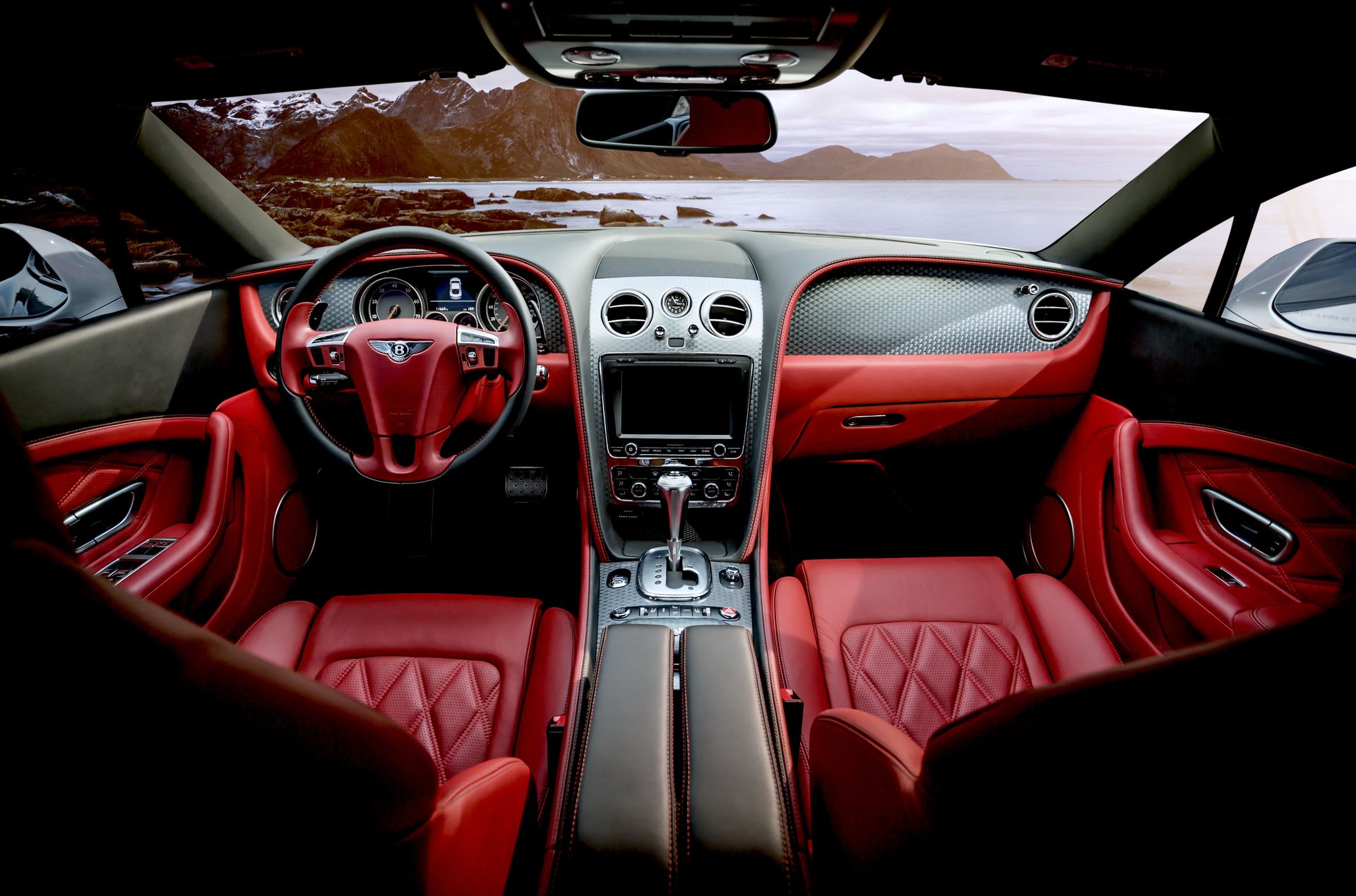
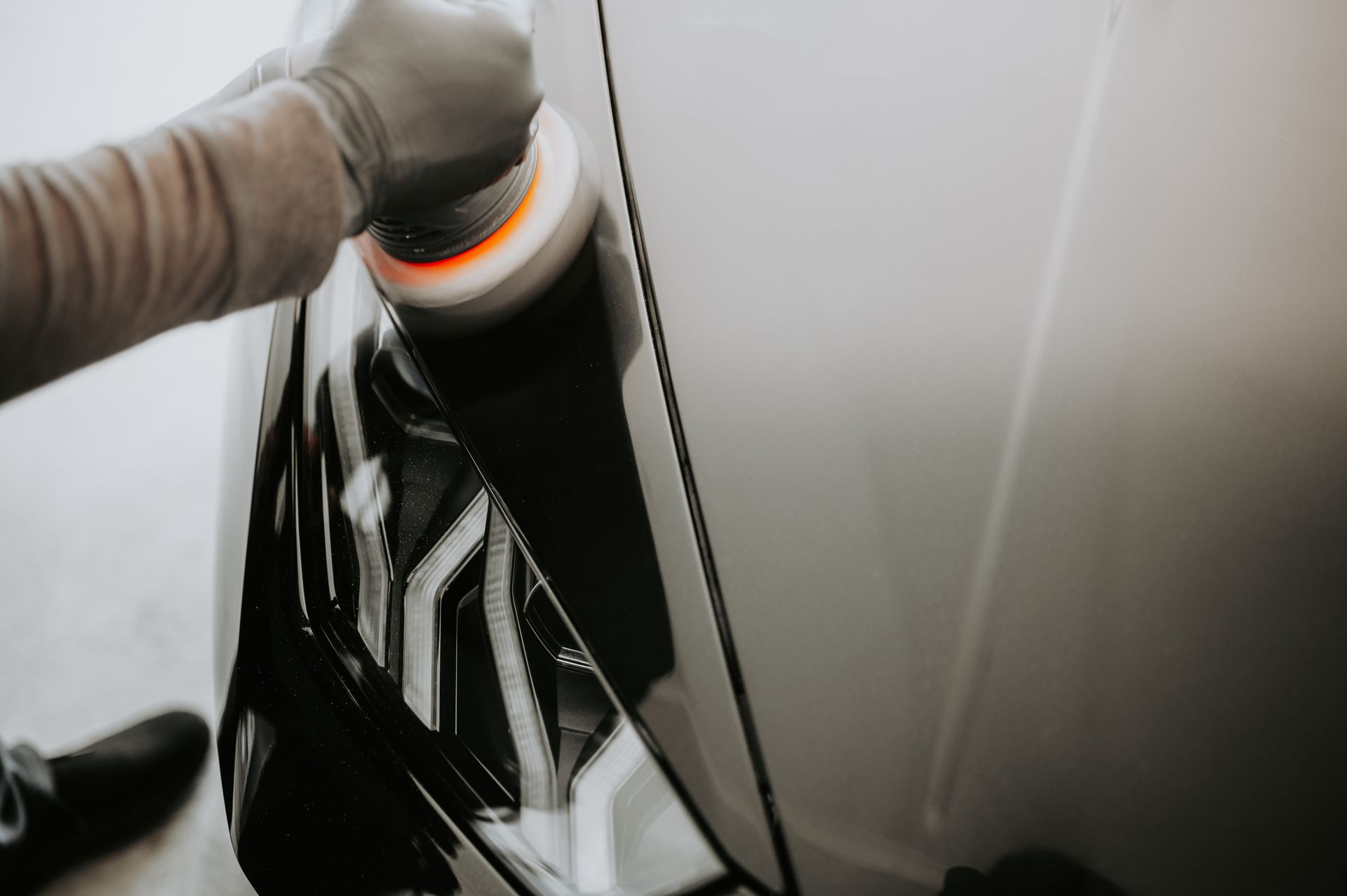
Clean leather interior Bodywork polishing
Pressure washing Engine maintenance

The 4 Pillars of Perfect Maintenance

Exterior: Detailing

Much more than a simple wash, exterior detailing includes clay bar decontamination, polishing and ceramic protection for long-lasting mirror-like shine.
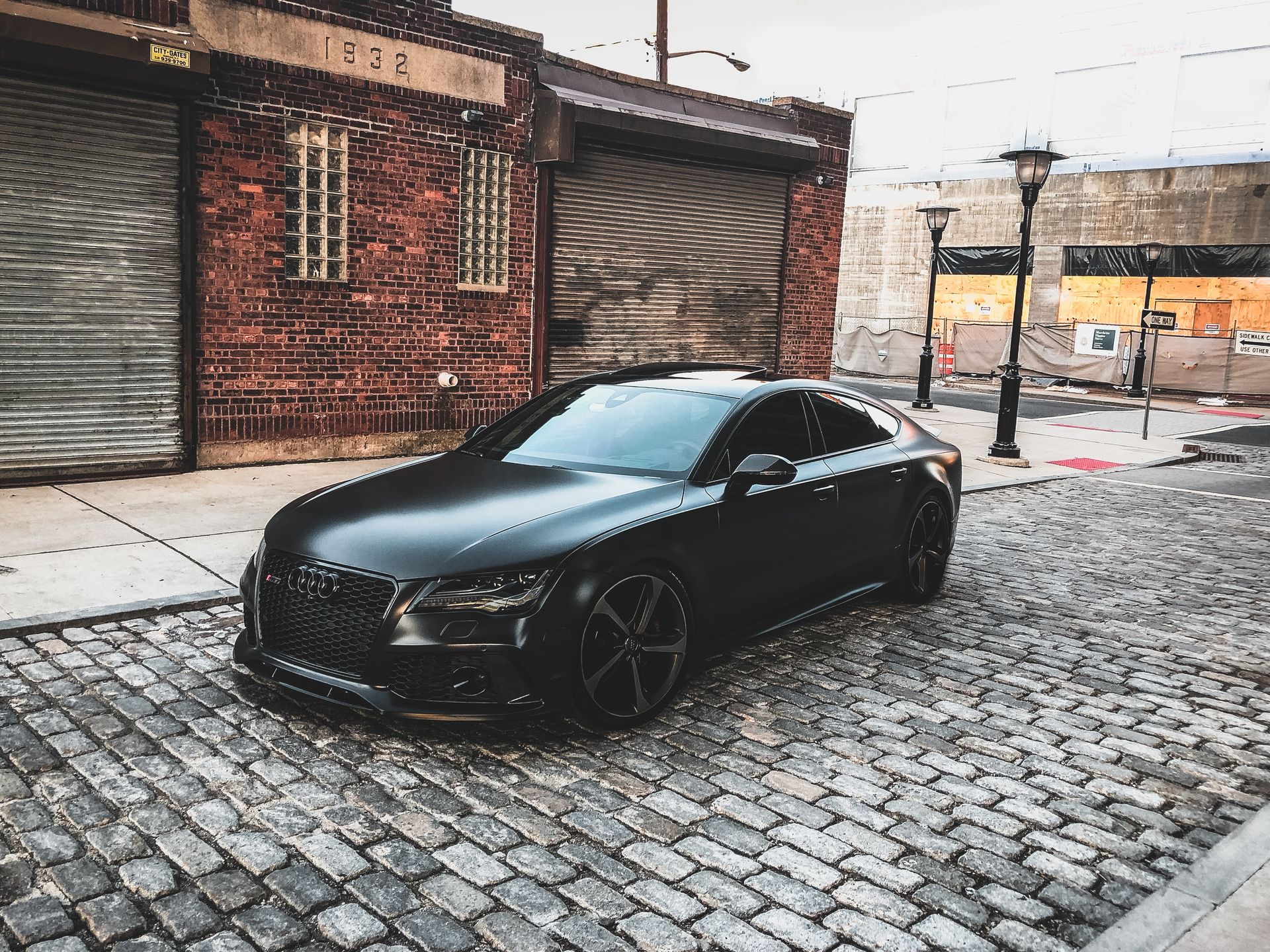
Shiny bodywork

The Interior

Leather treatment, carpet shampooing and air purification (essential with air conditioning running constantly).

  • • Cyclonic vacuuming
  • • Textile injection-extraction cleaning
  • • UV protection for plastics

The Windows

Maximum visibility in tropical rain thanks to hydrophobic treatments such as Rain-X or nano-ceramic coatings.

Wheels & Rims

Removal of embedded brake dust and protection of alloys against heat and humidity.
Clean rim

Interior Cleaning: A Sanctuary of Freshness

In Singapore, your car is often an extension of your home. Between school runs to the international school and business journeys, the interior suffers invisible but genuine wear: perspiration, ambient humidity that encourages mould, and food residue.

Treating textile and leather surfaces

Leather, particularly common in high-end vehicles in Singapore, requires cleaning with a pH-neutral soap to avoid drying out the fibres. After cleaning, applying a conditioner with UV protection is essential. Without it, tropical sunshine can crack the leather in less than two years. For families needing installation advice, consider seat protectors if you have young children.

The Logical Order of Work

  1. Decluttering and vacuuming: Start at the top (roof lining) and work downwards so that dust falls down.
  2. Cleaning the plastics: Use a soft brush for the air vents and dashboard crevices.
  3. Disinfecting the air conditioning: Ozone treatment or an antibacterial spray is recommended every 6 months to prevent unpleasant, humidity-related odours.
  4. The interior windows: Use a waffle-weave microfibre cloth to remove the greasy film caused by plastics that “off-gas” in the heat.

Car Maintenance Calculator (Singapore 2026)

1500 km/month

Our recommendations:

Full wash: Every 10 days
Waxing / Protection: Every 3 months
Professional interior cleaning: Every 6 months
Note: These frequencies take Singapore’s average UV index and salinity levels into account.
Active foam wash

The Professional Exterior Method

To prevent the micro-scratches (swirl marks) visible in the midday sun, follow the two-bucket technique:

  • 1

    Pre-wash (Snow Foam)

    Apply a thick foam to soften contaminants without touching the bodywork. Essential for removing sand and urban dust.

  • 2

    Two-bucket wash

    One bucket with pH-neutral shampoo and one with clean water for rinsing your microfibre mitt. Never wash in direct sunlight!

  • 3

    Absorption drying

    Use a high-density microfibre drying towel. Do not rub; pat to absorb the water and prevent limescale marks.

The Expert Cleaner’s Arsenal

Specialist Shampoos

Forget washing-up liquid! Use shampoos with lubricating agents to prevent swirl marks.

Clay Bar

To remove embedded contaminants (tar, industrial fallout) that washing cannot remove.

Ceramic Protection

The ultimate defence against acid rain in 2026. A silica layer that hardens on the surface.

Premium Microfibres

Never use old cloths. High-GSM microfibres are essential.

Regulations and Ecology: Singapore’s Framework

Unlike many European countries, where washing your car at home on public roads is strictly prohibited to protect groundwater, Singapore has a unique system of car-wash stations in HDB car parks and residential complexes (Condos).

In 2026, the focus is on water conservation. The NEA (National Environment Agency) strongly encourages:

  • The use of water-recycling systems at professional car-wash stations.
  • “Waterless Wash” for quick touch-ups.
  • The prohibition of non-biodegradable chemicals in areas without oil separators.

Expat tip:

If you live in a condominium, check the MCST (Management Corporation Strata Title) rules. Some prohibit individual car washing in private parking spaces but provide dedicated “Wash Bays”. Respecting these rules is crucial for maintaining good neighbourly relations.

The 5 Mistakes That “Kill” Your Paintwork

☀️

Washing in direct sunlight

The water dries too quickly and leaves permanent limescale marks.

🧽

The traditional sponge

It traps sand and acts like sandpaper.

🍽️

Washing-up liquid

It strips away protective coatings and dries out rubber seals.

🧺

The chamois leather

Outdated in 2026. It scratches more than it dries.

🐦

Leaving bird droppings

The acidity can burn through the clear coat in less than 30 minutes at temperatures above 35°C.

Frequently Asked Questions

How much does professional car cleaning cost in Singapore? ▼

A basic wash at a station costs between 15 and 25 SGD. For a complete detailing service with polishing and protection, prices range from 300 to 1500 SGD depending on the vehicle size and treatment chosen.

Is it legal to wash your own car in an HDB? ▼

Yes, in the designated washing areas. You will generally need to use a bucket rather than a continuous water jet to save water.

What is ceramic coating? ▼

It is a liquid polymer applied by hand that forms a chemical bond with the paint, providing hydrophobic and UV protection for 2 to 5 years.

How can I remove the smell of durian from my car? ▼

Durian is a formidable opponent. Use an activated-charcoal odour absorber and have a professional ozone treatment carried out. Avoid air fresheners, which only mask the smell.

How often should the wheels be cleaned? ▼

Every time you wash the car. Brake dust is corrosive and becomes permanently ingrained if it is not removed every two weeks.

Is an automatic roller car wash safe? ▼

For a new or protected vehicle, no. The rollers collect dirt from previous cars and create fine scratches. Choose a hand wash or a “touchless” wash instead.

How can I protect my windows from misting up? ▼

Thoroughly clean the inside with an alcohol-based product and regularly use your air conditioning in dehumidification mode.

Where can I buy quality detailing products in Singapore? ▼

Many specialist shops can be found in industrial areas such as Ubi and Sin Ming. Online delivery platforms also offer leading international brands.

Need help with your set-up?

Explore our other guides for a stress-free life in Singapore, from managing your budget to choosing your everyday services.

Updated on

Why Singapore’s climate requires rigorous car maintenance

In Singapore, your car is constantly exposed to harsh climatic conditions. Humidity regularly exceeds 90%, encouraging corrosion of metal parts and the growth of mould inside the cabin. Sea salt carried by coastal winds accelerates bodywork oxidation, while intense UV rays weaken plastics and leather. Sudden tropical downpours, which are often acidic, leave stubborn marks if they are not rinsed off promptly.

Bird droppings and the sap of tropical trees also pose a threat: their acidity can attack the clear coat within a few hours in the heat. Methodical maintenance is therefore not a luxury but a necessity to protect your investment and maintain a smart appearance, which is essential in the city-state’s professional and social life.

Recommended maintenance frequency for your situation

How often you should clean your car depends on several factors: parking type, monthly mileage and vehicle colour. A covered car park offers better protection than an outdoor space exposed to bad weather and bird droppings. Dark-coloured cars show dust marks and fine scratches more clearly than lighter shades.

Parking typeFull washProtection (wax/ceramic)Professional interior cleaning
Covered car park (condo, underground HDB)Every 10–14 daysEvery 3 monthsEvery 6 months
Outdoor or semi-covered car parkEvery 7–10 daysEvery 2 monthsEvery 4–6 months
Heavy use (>2000 km/month)Every weekEvery 2 monthsEvery 3–4 months

These recommendations take local conditions into account and help maintain the vehicle’s appearance and value. If you live in a condominium or HDB, check the washing facilities provided by the residential management.

Local regulations and eco-friendly best practices

Singapore strictly regulates water consumption and wastewater management. The NEA encourages the use of recycling systems at professional car-wash stations and waterless washing methods for quick touch-ups. Non-biodegradable chemicals are prohibited in areas without oil separators.

If you live in a condominium, check the MCST’s rules: some prohibit washing your vehicle individually in private parking spaces but provide equipped wash bays. Following these guidelines helps maintain good relations with neighbours and preserve resources. In HDBs, dedicated washing areas generally exist; use a bucket rather than a continuous hose to save water.

Licensed professional stations have water-treatment systems and offer packages suited to local environmental constraints. Choosing these services ensures compliance and efficiency.

Exterior car-washing techniques to prevent scratches

Exterior washing should follow a rigorous method to avoid creating micro-scratches that are visible in sunlight. The two-bucket technique remains the standard: one bucket contains pH-neutral shampoo, while the other contains clean water for rinsing the microfibre mitt after each pass. Never wash in direct sunlight, as the water dries too quickly and leaves limescale marks.

Pre-washing with foam (snow foam) softens contaminants without physical contact, preventing sand and dust from being dragged across the paintwork. After rinsing, use a soft microfibre mitt, moving in straight lines rather than circles. For drying, use a high-density microfibre towel to absorb the water, never by rubbing.

Once a quarter, use a clay bar to remove embedded particles that conventional washing cannot eliminate: tar, industrial fallout and sap residue. This step prepares the surface for applying a ceramic coating or quality wax, which is essential for creating a barrier against UV rays and moisture.

Interior care: leather, fabrics and air conditioning

Your vehicle’s interior is exposed to ambient humidity, perspiration and food residue. Always start by clearing out the vehicle and vacuuming from top to bottom: the headliner, seats and floor mats. Use a soft brush for the air vents and dashboard crevices, where dust quickly accumulates.

Leather, common in high-end vehicles, requires cleaning with a pH-neutral soap followed by a conditioner with a UV barrier. Without this treatment, the tropical sun can crack leather in less than two years. For fabrics, hot-water extraction removes stains and odours deep down, which is particularly useful after travelling with young children.

Air conditioning, used constantly, encourages bacteria and mould to develop in the ducts. An ozone treatment or antibacterial spray every six months eliminates unpleasant odours and sanitises the air. Also clean the inside of the windows with an alcohol-based product and a waffle-weave microfibre cloth to remove the greasy film that forms in the heat. For more household maintenance advice, see our guide to housekeeping and cleaning in Singapore.

Ceramic coatings and long-lasting treatments

In 2026, ceramic coating is emerging as the most effective solution against climatic damage. This liquid polymer, applied by hand, creates a chemical bond with the paintwork, forming a hydrophobic, UV-resistant layer that lasts from two to five years depending on the quality of the product and the maintenance.

Unlike traditional wax, which is applied every two to three months, ceramic coating provides continuous protection and makes subsequent washes easier: water and dirt slide off the surface. Costs vary according to the vehicle’s size and the number of layers applied, but the investment is justified by its durability and the preservation of the vehicle’s resale value.

For windows, hydrophobic nano-ceramic treatments considerably improve visibility during heavy tropical rain. Water beads and runs off quickly, reducing the use of windscreen wipers and improving driving safety.

Where to find detailing products and services in Singapore

Specialist detailing-product shops are concentrated in industrial areas such as Ubi, Sin Ming and Toa Payoh. You will find pH-neutral shampoos, premium microfibres, clay bars and ceramic coatings from well-known international brands. Online delivery platforms also offer a wide range, with fast home delivery.

For professional services, car-wash and detailing stations are plentiful, offering everything from basic packages to high-end services including polishing, paint correction and the application of protective films. Prices start at around 15 to 25 SGD for a standard wash, and range up to 300 to 1500 SGD for full detailing with ceramic treatment.

Choose licensed establishments that comply with local environmental standards and have water-recycling systems. Online reviews and recommendations from other expats are good sources for identifying reliable providers.

Orange Travel eSIM

Frequently asked questions

Can I wash my car myself in an HDB car park?

Yes, in the designated washing areas. You should use a bucket rather than a continuous hose to save water, in line with NEA recommendations. Check your residence’s specific rules with the management.

How much does full detailing cost in Singapore?

A basic wash costs between 15 and 25 SGD. For a full detailing service including polishing and ceramic coating, expect to pay from 300 to 1500 SGD depending on the vehicle’s size and the treatments chosen. Prices vary between providers.

How long does a ceramic coating last?

A quality ceramic coating lasts from two to five years depending on the product used, the surface preparation and regular maintenance. It provides a hydrophobic and UV-resistant barrier superior to traditional wax, which needs to be reapplied every two to three months.

How can I eliminate persistent odours in the interior?

For stubborn odours (durian, dampness), use an activated-charcoal absorber and have a professional carry out an ozone treatment. Avoid fragrances that mask the odour without treating the cause. Deep cleaning of the fabrics using hot-water extraction is often necessary.

Does an automatic brush car wash damage the paintwork?

Yes, the brushes collect dirt from previous vehicles and create visible micro-scratches in the sunlight. For a new or protected vehicle, opt for hand washing or touchless systems that use only pressurised water and foam.

How often should you clean your rims and wheels?

Clean the rims every time you wash the car, that is, every one to two weeks. Brake dust is corrosive and becomes permanently ingrained if it is not removed regularly. Use a specific cleaner and a dedicated brush to avoid contaminating other surfaces.