Everything you need to know about life in Singapore
Are you considering moving to the city-state? Find answers here to the most frequently asked questions for a smooth and successful move as a French speaker.
They trust us to help them settle in




A modern metropolis at the heart of Asia
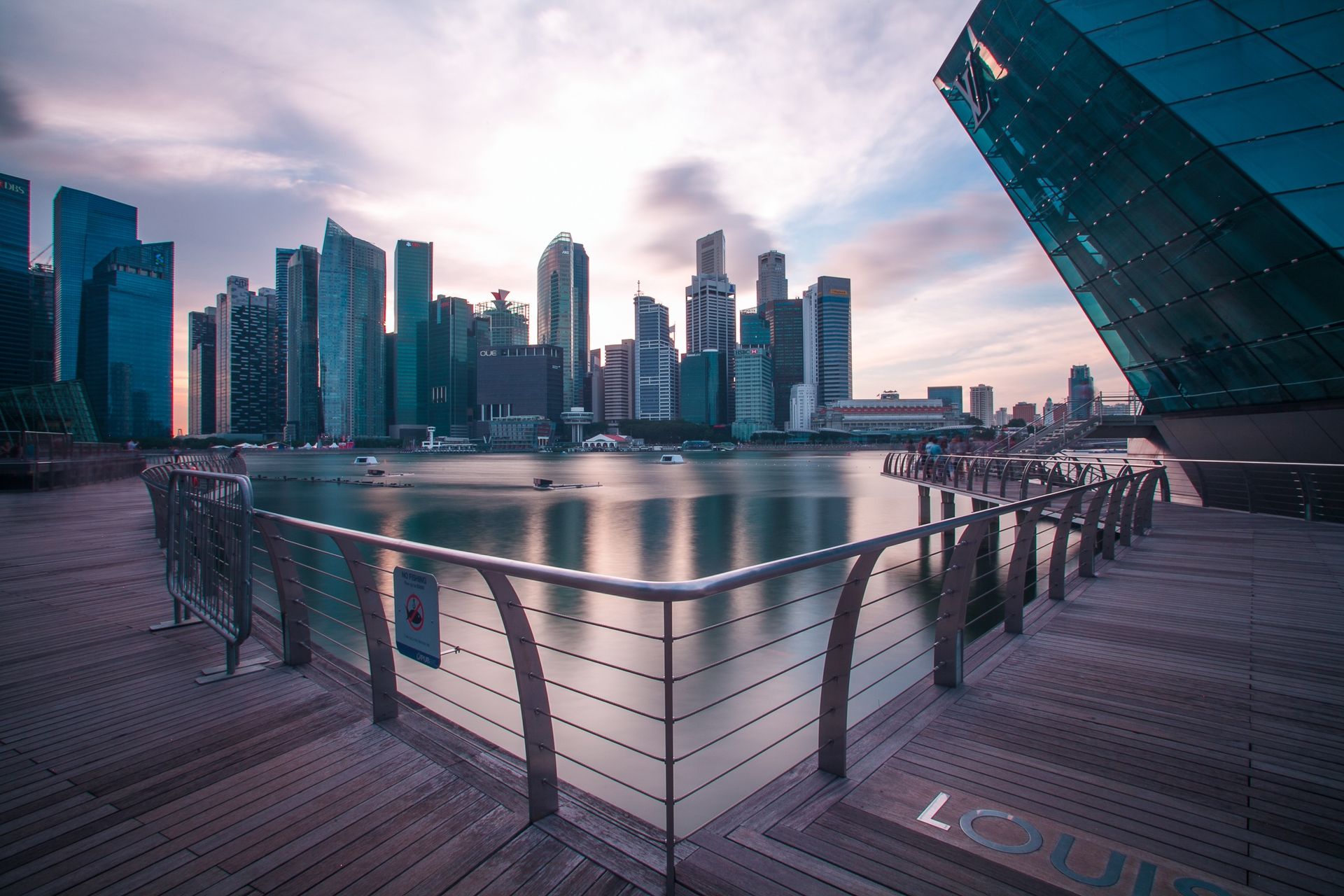
In 2026, Singapore continues to establish itself as the essential hub of Southeast Asia. Far removed from the clichés of a "fine city", everyday reality is that of a hyper-connected garden city where safety, efficiency and multiculturalism are more than just words.
For a French-speaking expat, settling here requires careful preparation, particularly regarding administrative procedures and understanding the local job market. This guide aims to shed light on the questions that continue to arise.
"Singapore is not just a place to pass through; it is an ecosystem where every detail is designed for the comfort of its residents."

Explore by topic
Navigate through the fundamental pillars of life in Singapore.
Safety & Peace of mind
With one of the lowest crime rates in the world, Singapore offers unparalleled peace of mind. Discover our safety tips.

Transport
The MRT and buses are the backbone of the city. Clean, punctual and air-conditioned.
Find out more →Education & Schools
Singapore offers a world-class education system for expat children.
Schooling details
Healthcare
A highly efficient but costly healthcare system without suitable insurance.
Healthcare guide →Monthly Budget Calculator 2026
Singapore is one of the most expensive cities in the world. Use our interactive calculator to estimate your monthly expenses based on your lifestyle.
Estimated total
This includes rent, food, transport and basic bills.
Safety: A Pillar of Everyday Life

Striking statistics
Singapore consistently ranks among the top 3 safest cities in the world according to the Global Peace Index. In 2026, the police presence is discreet but effective, supported by an intelligent surveillance network.

"Choping" and social order
One of the most striking examples is "choping": leaving a packet of tissues or a bag on a restaurant table to reserve it while you go to order. This mutual trust is the result of a culture of strict respect for the rules.

Freedom of movement
Women and children can travel alone at any time of day or night without any fear. This freedom is one of the main arguments put forward by families in their expat testimonials.
Frequently Asked Questions
Everything you have always wanted to know about life in Singapore but were afraid to ask.
Is it difficult to find a job in Singapore in 2026?
The job market is highly dynamic but selective. In 2026, the Tech, Green Finance and Healthcare sectors are expanding rapidly. The government prioritises specialised skills. It is crucial to obtain an Employment Pass (EP), for which the minimum salary requirements have recently been raised. See our guide to working in Singapore for more details.
Is the cost of living really prohibitive?
Yes and no. Singapore can be extremely expensive (cars, alcohol, city-centre rents) or affordable if you live "locally". Eating at a Hawker Centre costs between 5 and 10 SGD, and public transport is very cheap. The biggest expense remains accommodation and school fees for children.
How can I integrate with the local community?
Integration starts with curiosity. Visit community centres (CCs), learn a few words of Singlish and, above all, take part in multicultural events. Singapore celebrates Chinese New Year, Deepavali, Hari Raya and Christmas with great enthusiasm. To find out more, visit our page on integration.
What is the climate like in Singapore?
Equatorial! It is hot (30-32°C) and humid all year round. There are two monsoon seasons (North-East and South-West), when showers can be intense but brief. Air conditioning is everywhere, so always bring a light jumper for indoors! Find out more about the climate and seasons.
Do I need a car?
Honestly, no. Cars are a luxury in Singapore because of the COE (Certificate of Entitlement), which can cost more than the vehicle itself. The public transport network is one of the best in the world. Taxis and ride-hailing services (Grab, Gojek) are also very affordable. For your daily journeys, see our travel tips.
Are taxes low in Singapore?
Income tax is progressive and generally much lower than in Europe (between 0% and 24% for very high earners). There is no tax on capital gains or inheritances. However, the local sales tax (GST) is 9% in 2026. See our guide to taxation for expatriates.
Can I bring my pets into the country?
Yes, but it is a rigorous process. As France is classified as Category B, your pet will have to undergo a quarantine period on arrival, unless the health regulations have been simplified by 2026. You should also check that your future accommodation allows pets. See the guide for pets.
How do I open a bank account?
It is relatively straightforward once you have your visa (FIN number) and proof of address. Local banks such as DBS, OCBC and UOB offer excellent digital services. Allow for an initial deposit. Find out more about banking services.
Official Resources and External Guides
French-speaking Network
A comprehensive guide to safety, food and social life in Singapore.
Ministry for Europe and Foreign Affairs
Official advice from the French government for residents and travellers.
Paris-Singapore
Detailed answers to the most common questions asked by expats.
Expat.com
A community and expatriate guide for a successful move.
Expert Public
Analysis of the advantages, disadvantages and administrative procedures.
Moving Guide 2026
Everything you need to know about transferring your belongings to the city-state.

Ready to start your adventure?
Join our forum to connect with thousands of French speakers already settled in Singapore.