Master Mandarin
in the Heart of Singapore
In 2026, integration into Singapore starts with the language. Discover our comprehensive guide to learning Mandarin and turning your expatriate experience into a complete cultural and professional success.
Singapore Mandarin is a dialect of Standard Mandarin spoken by a large part of the local population, using simplified characters as in mainland China. Learning Mandarin in Singapore provides an ideal setting thanks to daily immersion, well-regarded language schools and a friendly trilingual population. You can choose between school-based courses (LTL Mandarin School, EF), private lessons or community workshops, with prices ranging from SGD 30/hour in a group to over SGD 100/hour for a private tutor.
Trusted Partners and Schools
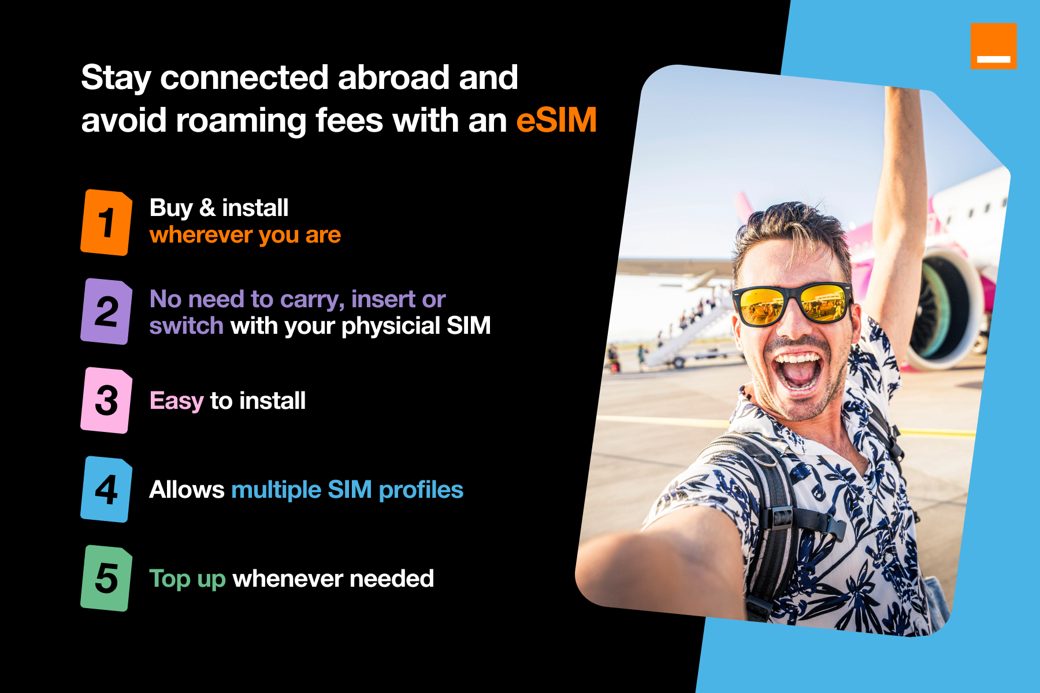
Tip: set up a Singapore eSIM before departure so your data works on arrival.
The Language Challenge in 2026
Why has Mandarin become essential for French-speaking expats?
Singapore, the ultimate cosmopolitan city-state, has always been a crossroads of cultures. However, in 2026, the strategic importance of Mandarin has reached unprecedented heights. While English remains the language of business and administration, Mandarin is the key that opens the door to deeper integration, both in everyday life and in regional spheres of influence.
For French speakers, learning Chinese may seem intimidating at first. Between the tones, simplified characters and grammar so different from our Latin roots, the challenge is a significant one. Yet in Singapore, you benefit from a unique environment: easy access to immersion, world-class learning facilities and a local population that is often trilingual and ready to encourage you.
Mastering even the basics of Mandarin not only makes communication easier during your local market shopping, but above all demonstrates deep respect for the local culture, a crucial element in achieving your integration goal.
The 4 Pillars of Learning
How Mandarin transforms your experience in Singapore.
Career Booster
In Singapore's ultra-competitive job market, speaking Mandarin is a major comparative advantage when managing projects in Southeast Asia and mainland China.

Cultural Immersion
Understand the subtleties of local customs and take part fully in traditional festivals.
Everyday Convenience
Negotiate at the market, talk to your taxi driver and build relationships with your neighbours in your neighbourhood.
Children's Education
Support your children enrolled in the local system or in a bilingual option. Education in Singapore places enormous value on early bilingualism.
How can you learn? Options in Singapore
Professional Language Schools
Institutions such as LTL Mandarin School and EF offer intensive or extensive programmes adapted to professionals. These courses focus on the HSK (Hanyu Shuiping Kaoshi), the official language proficiency certificate.
Private Lessons and Tutoring
For maximum flexibility, hire a private tutor. This is the ideal option if you have busy schedules due to your business travel. Many platforms help you find native-speaking teachers based in Singapore.
Immersion through Associations
The Accueil Singapour association often offers workshops and conversation groups for French-speaking expats, allowing them to learn in a friendly, less formal setting.

Language Progress Simulator
Estimate the time needed to reach your Mandarin goals.
Effective Memorisation Strategies
Learning Mandarin is not limited to the classroom. In Singapore, every street corner is a potential classroom. Here is how to make the most of your time.
Top Tip:
"Don't be afraid of the tones. Singaporeans are very used to different accents and will always appreciate the effort."
The SRS Method
Use apps such as Anki or Pleco with spaced-repetition systems (SRS) to embed characters in your long-term memory during your MRT journeys.
Labelling Items at Home
Once you have settled into your Singapore accommodation, label every object with its name in Pinyin and Hanzi. Passive exposure is remarkably effective.
Audio Immersion
Listen to Mandarin podcasts specific to the Singaporean context. Local radio also offers programmes accessible to beginners.
Outings and Practice
Attend French-speaking meet-ups as well as mixed language meet-ups to practise speaking in real-life situations.
The Survival Kit (Mandarin & Singlish)
Standard Mandarin
| French | Pinyin / Hanzi |
|---|---|
| Hello | Nǐ hǎo / 你好 |
| Thank you | Xièxie / 谢谢 |
| How much? | Duōshǎo qián? / 多少钱? |
| The bill | Mǎidān / 买单 |
Singlish (Local Mix)
| Expression | Meaning |
|---|---|
| Can or not? | Is it possible? |
| Shiok! | Delicious / Fantastic |
| Lah / Leh | Local emphasis particles |
| Chope | Reserve (a table with a tissue) |
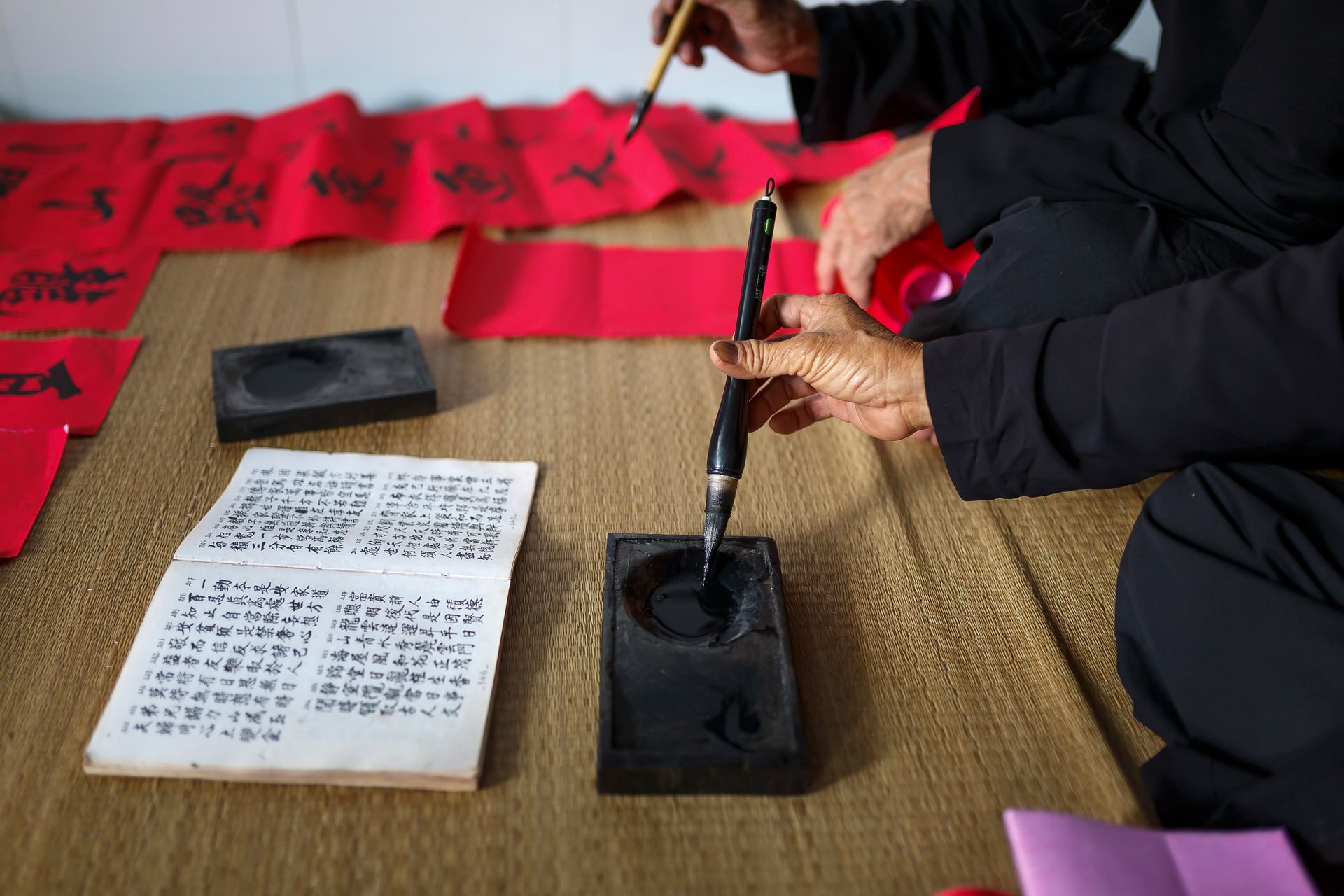
Note: In Singapore, simplified Chinese is used (as in mainland China), unlike Taiwan and Hong Kong, which use traditional Chinese.
They took the plunge

"Learning Mandarin changed my relationship with my local team. They saw the effort, and it broke the ice instantly."
Marie L.
Marketing Director, arrived in 2024
"The progress simulator helped me stay realistic. With 3 hours a week, I reached HSK 2 in less than a year."
Julien T.
Engineer, expatriate for 3 years
"My children are learning faster than me! But thanks to local resources, I can finally keep up with their homework."
Sophie D.
Mother, settled in Bukit TimahFrequently Asked Questions (FAQ)
Is it too late to learn Mandarin at 40? ↓
Absolutely not! Learning languages as an adult is excellent for neuroplasticity. Singapore offers highly effective andragogical methods (for adults).
What budget should I allow for Mandarin lessons? ↓
Prices vary: from 30 SGD/h for community groups to 100+ SGD/h for a high-level private tutor. See our page on the budget in Singapore for more information.
Should I learn the characters or just Pinyin? ↓
Pinyin helps with pronunciation, but to read menus or signs, recognising around 500 basic characters is highly recommended.
What are the best mobile apps? ↓
Pleco (an essential dictionary), HelloChinese, Duolingo and Skritter for writing characters.
Is Singapore Mandarin different from Beijing Mandarin? ↓
The grammar is identical, but the Singaporean accent is more "flat" (with less rhotacism than in Beijing) and incorporates Malay and English loanwords.
Can I use my SkillsFuture Credit? ↓
If you are a Permanent Resident (PR) or citizen, yes. For EP holders, certain company subsidies may apply.
How long does it take to become "fluent"? ↓
For social fluency, allow around 600 to 800 hours of active study. Use our simulator above for a personalised calculation.
Are there any free courses? ↓
Some public libraries organise free reading and language-exchange groups.
Ready to begin your language journey?
Join thousands of expatriates who have chosen to integrate through language. Singapore is waiting for you.