
Singapore Skyline in 2026

Boost Your Career
in Singapore in 2026

As a global economic hub, Singapore offers unparalleled opportunities for French-speaking talent. Discover how to navigate the job market in the city-state.

Finding a job in Singapore requires targeting high-growth sectors (technology, finance, luxury, logistics), meeting the Employment Pass criteria (minimum salary, COMPASS system) and building a local professional network. The city-state offers a dynamic market, attractive taxation and a multicultural environment, but requires responsiveness and adaptability to a results-driven culture.

Singapore: Where the world's giants meet

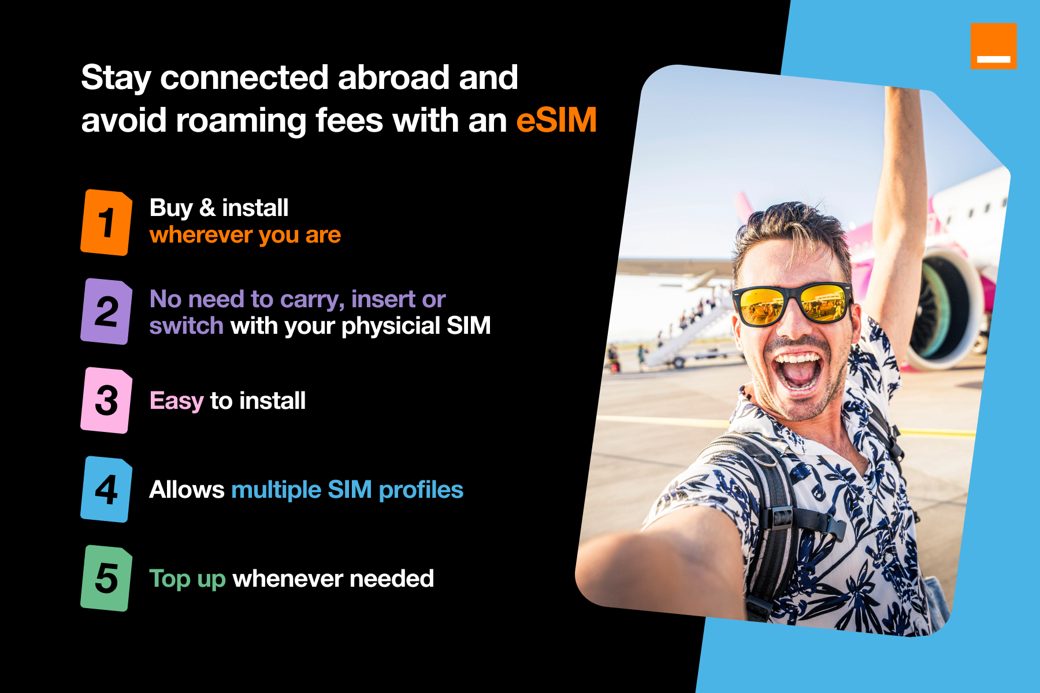
To get online as soon as you land, a Singapore eSIM can be installed before you leave, with no need to look for a local SIM card.

FINANCE TECH LUXURY BIOTECH ENERGY

Singapore's Job Market: A Resilient Hub

In 2026, Singapore continues to establish itself as the beating heart of the Asian economy. Despite global fluctuations, the city-state has maintained an unemployment rate below 2.5%, thanks to a policy of attracting foreign investment and an exemplary digital transition.

For French-speaking expats, Singapore is not just a work destination, but a career accelerator. Whether you work in finance at Raffles Place, tech at One-North or luxury along Orchard Road, the working environment is defined by excellence, multiculturalism and pragmatism.

+12% Tech growth (2025–2026)
4.5M Dynamic working population
Professionals in Singapore

Strategic Sectors in 2026

Singapore is steering its economy towards high-value-added sectors. Here are the areas offering the greatest current recruitment opportunities.

Must-see

Technology, AI & Cybersecurity

Through the Smart Nation initiative, Singapore is recruiting large numbers of Cloud engineers, cybersecurity experts and Data Scientists. French is an advantage for European cybersecurity companies based here.

  • • Software Development & Web3
  • • Green Tech & Cleantech
  • • AI Solutions for Healthcare
Technology

Finance & Fintech

Singapore now rivals London and New York. French banks (BNP, Société Générale) have major hubs here.

Wealth Management Wealth management for ASEAN
Sustainable Finance Green bonds & ESG

Luxury & Retail

The sector where the "French Touch" reigns supreme. Management, operational marketing and boutique management.

Luxury Network in luxury →

Logistics & Energy

The Port of Singapore is the world's largest automated hub. There is huge demand for Supply Chain 4.0 and renewable energy.

Profiles in demand: Logistics engineers, LNG experts and offshore wind project managers.

Finances: Salaries and Taxation

Understanding your salary package

In Singapore, salaries are generally expressed as an annual gross amount. Unlike France, there are no compulsory social security contributions for foreign nationals (no CPF/Social Security). What you earn is almost what you receive.

IRS

Ultra-competitive taxation

Income tax is progressive, ranging from 0% to 24% for the highest bands. For an average expat salary, expect an effective annual tax rate of around 10–15%.

Find out more about taxation
$$$

Cost of Living vs Salary

Housing often accounts for 30% to 40% of the budget. Consult our guide to the budget and cost of living to adjust your salary expectations.

2026 Salary Estimates (Monthly Gross SGD)

Sector / Position Experience Average Salary
Software Engineer 3–5 years 8,500 - 12,000
Financial Analyst Junior 6,000 - 8,500
Marketing Manager (Luxury) 7+ years 10,000 - 15,000
Supply Chain Project Manager 5 years 7,500 - 11,000
Branch Director Senior 20,000+

* Estimated data for 2026. 1 SGD ≈ 0.69 EUR / 0.74 USD.

2026 Professional Budget Calculator

Calculate your estimated disposable income after tax, housing and everyday expenses.

Average: $2,500 (Room) to $4,500+ (1–2-bedroom condo)

Estimated Monthly Tax 600 $
Daily Expenses 1,200 $
Left to Save 3,200 $

This calculator provides an estimate based on 2026 tax rates and an average lifestyle. For more details, consult our tax guide.

Singapore Immigration

The Key: Employment Pass & COMPASS System

Working in Singapore requires a work visa (Work Pass). Since 2023, the **COMPASS** (Complementarity Assessment Framework) system has governed the allocation of the Employment Pass (EP).

Salary Criterion (2026)

The minimum threshold for an EP is set at 5,500 SGD (6,000 SGD in the financial sector). This threshold increases with age (up to 11,500 SGD for those over 45).

COMPASS Points System

You must score 40 points across 4 key criteria: salary compared with peers, qualifications (Top Universities), company diversity and local hiring.

See our detailed guide to the administrative procedures to prepare your application thoroughly.

Living and Working in Singapore: The Reality of Everyday Life

Working Patterns and Hours

The 9-to-6 is the norm, but a "face-time" culture is still present in some local sectors. Expect a strong responsiveness and an immediate-results culture. Overtime is not financially compensated for managers.

Leave and Holidays

Forget the French five weeks. In Singapore, the legal minimum is 7 days, but international companies generally offer 15 to 25 days per year. There are also 11 national public holidays.

Job Security

The notice period is often 1 to 2 months. The contract can be terminated easily by either side. There is no unemployment benefit for expatriates, making it important to maintain substantial emergency savings.

Expert Advice: The Importance of Networking

70% of jobs in Singapore are never posted on LinkedIn. Word of mouth within the French-speaking community is your best ally.

Join the networks

They took the plunge

Expat Profile

"Arriving with a French company made getting my EP easier. The market is very dynamic, but you have to be prepared to work hard. I integrated through the Chamber of Commerce and French Tech drinks."

— Thomas D., Cloud Engineer at AWS

Expat Profile

"Luxury is a small world here. Speaking French opened doors for me at LVMH in Singapore. The quality of life more than makes up for the lack of a 35-hour week!"

— Sophie L., Regional Marketing Director

Frequently Asked Questions (FAQ)

Is it easy to find a job without being in Singapore?

It's a challenge. Most companies prefer candidates who already have a visa or are residents. However, for highly specialised profiles (Tech, quantitative Finance), remote interviews followed by relocation are common. For more junior profiles, it is often advisable to come as a tourist (90 days permitted) to network, although working without a permit is strictly prohibited.

What is the minimum salary for a foreigner?

In 2026, to be eligible for an Employment Pass, the fixed monthly salary must be at least 5,500 SGD (6,000 SGD in finance). For older (experienced) candidates, this threshold increases gradually to ensure complementarity with local workers.

Can my spouse work with a Dependant's Pass (DP)?

Since 2021, Dependant's Pass holders can no longer work with a simple LOC (Letter of Consent). They must obtain their own Work Pass (EP or S-Pass). However, more flexible conditions apply to those who wish to set up their own business. If your partner is not married to you, see our guide to the LTVP for an unmarried partner.

What are the best platforms for searching?

LinkedIn is king. Glassdoor, JobStreet and MyCareersFuture (mainly for locals/PRs but useful for spotting trends) are also essential. For French speakers, check lepetitjournal.com and the French Chamber of Commerce in Singapore (FCCS) regularly.

What is the COMPASS system?

COMPASS is a points-based assessment framework. To obtain an EP, you must accumulate 40 points. Points are awarded based on your qualifications (universities ranked in the global Top 100 score more), your salary compared with your sector, the nationalities of your future colleagues (to avoid an over-concentration of a single nationality) and whether your company employs enough locals.

Is there unemployment insurance in Singapore?

No. Singapore does not offer a French-style unemployment benefit system. If you lose your job, you generally have 30 days (Short Term Visit Pass) to find a new position or leave the country. This is why having robust health insurance (as it is often linked to the employer) and solid savings is vital. See our health guide.

Ready to give your career a new boost?

Join the French-speaking expat community and make use of the exclusive resources on our forum to prepare for your move in 2026.
Updated on

The sectors hiring in Singapore in 2026

Singapore's job market favours qualified profiles in high-value fields. Technology sectors are looking for software engineers, cybersecurity experts and Cloud specialists. Finance and fintech attract analysts, wealth managers and green bond specialists. Luxury values French expertise in management and marketing. Finally, logistics and energy are recruiting supply chain engineers and renewable energy experts.

French companies established in Singapore are a valuable gateway for French speakers. They regularly look for bilingual profiles capable of bridging European and Asian markets. See our guide to administrative procedures to prepare your application.

How to adapt your CV to the Singaporean market

The CV in Singapore follows the Anglo-Saxon format: one to two pages maximum, with a focus on quantified results and practical skills. Mention your qualifications, specifying their international equivalent if necessary. State your availability for an in-person interview and your current visa status. Recruiters appreciate transparency about your administrative situation from the first contact.

Avoid photos, age, marital status and irrelevant personal information. Use a direct tone, action verbs and measurable examples of your achievements. Recruiters all scrutinise LinkedIn: make sure your profile is up to date and consistent with your CV.

Understanding the Employment Pass and the COMPASS system

The Employment Pass (EP) is the standard work visa for executives and skilled professionals. To obtain one, you must meet a minimum salary requirement and earn points under the COMPASS system. This system assesses your profile across four areas: salary level compared with sector peers, the quality of your qualifications, the diversity of the company hiring you and the proportion of local employees.

COMPASS criterionDescriptionImpact
SalaryComparison with professionals in the same sector and age groupPoints based on the percentile reached
QualificationsUniversities recognised in global rankingsBonus for Top 100 institutions
DiversityNationalities represented in the companyEncourages international teams
Local employmentProportion of Singaporeans and permanent residentsEncourages local hiring

The salary threshold for an EP is set according to age and sector. More experienced candidates must justify higher pay to reflect their seniority. The system aims to ensure that each expatriate brings an additional skill to the local market, rather than replacing local workers.

Work permit processing times and renewal

Once you have signed your job offer, your employer submits the EP application online. Processing generally takes between three and eight weeks. You will receive an email notification and must then make an appointment to finalise your physical card. The pass is valid for up to two years for a first application, and can subsequently be renewed for three-year periods.

If you change employers, you must submit a new EP application. If you lose your job, your visa remains valid until the stated expiry date, but you must find a new position quickly or leave the country. To better prepare for these situations, see our page on budgeting and the cost of living to build up an emergency fund.

Effective job-search strategies

Most jobs in Singapore are found through networking. Attend French Chamber of Commerce events, industry meetups and French-speaking social gatherings. LinkedIn remains the main tool: set up job alerts, follow target companies and engage with local recruiters. The JobStreet and MyCareersFuture platforms are useful additions to your search.

Applying from France is possible for highly specialised candidates, but employers prefer candidates who are already in Singapore or ready to relocate quickly. Some people come on a tourist visa to attend multiple interviews, but be aware: working without a permit is strictly prohibited and may result in a ban from the country.

The role of recruitment agencies

Recruitment firms play a central role in Singapore, especially in finance, tech and luxury. They understand companies' needs and can speed up your placement. Register with several agencies specialising in your field and stay in regular contact. Some focus on French-speaking candidates and maintain close links with French subsidiaries.

Agencies generally charge a commission to the employer, not the candidate. Be transparent about your salary expectations and visa status. A good recruiter will advise you on the feasibility of your plans and direct you towards realistic opportunities.

Negotiating your remuneration package

Salary in Singapore often comes with benefits in kind: an annual bonus (one to three months' salary), private health insurance, voluntary pension contributions, a housing or transport allowance. Negotiate the entire package, not just the basic salary. International companies generally offer more generous terms than local SMEs.

Find out about industry standards before your interview. Salary ranges vary considerably depending on the industry, company size and your experience. A software engineer with five years' experience can target between 8 500 and 12 000 SGD per month, while a luxury marketing manager is more likely to earn between 10 000 and 15 000 SGD.

Tax and disposable income

Singapore applies progressive income tax, with rates of up to 24% for the highest bands. In practice, an expatriate earning an average salary pays around 10 to 15% in effective tax. There are no mandatory social security contributions for EP holders, meaning that your take-home pay is close to your gross salary.

Housing is often the largest expense. Budget between 2 500 SGD for a room in a shared flat and 4 500 SGD or more for a two-bedroom flat. To fine-tune your projected budget, see our guide to neighbourhood life and choose the area that matches your priorities.

Working conditions and corporate culture

The standard working week is five days, Monday to Friday, with working hours from 9am to 6pm. Some local companies still value extended physical presence, although hybrid working is becoming more common. Statutory annual leave starts at seven days, but international employers generally offer between 15 and 25 days per year, in addition to 11 public holidays.

A results-driven culture prevails: you are expected to be efficient, responsive and pragmatic. Hierarchies are respected, but communication remains direct. Feedback is frequent and constructive. Overtime is not paid for executives, but there is often flexibility to deal with unexpected personal matters.

Work-life balance

Singapore offers a pleasant quality of life: safety, cleanliness, modern infrastructure and easy access to South-East Asia. Weekends offer the chance to explore the region, while low-cost flights open the door to regular getaways. The French-speaking community is active and organises numerous social and cultural events.

For families, relocating requires specific preparation: choosing a school, finding suitable accommodation and supporting your spouse. Our guide to relocating as a family details every step for making a successful transition.

Career progression and internal mobility prospects

Singapore is a career springboard to the Asia-Pacific region. Many professionals spend a few years there before taking on regional responsibilities or returning to Europe with valuable international experience. Internal mobility opportunities are common in large companies, and the market remains fluid for high-performing candidates.

Permanent Resident (PR) status can be applied for after a few years on an EP. It offers greater stability, access to CPF (Central Provident Fund) and makes it easier to buy property. To find out more about this scheme, see our article on CPF in Singapore.

Orange Travel eSIM

Frequently asked questions

Can you look for a job in Singapore from France?

Yes, but employers favour candidates who are already in Singapore or willing to relocate quickly. Highly specialised profiles (tech, quantitative finance) may have remote interviews. For others, coming on a tourist visa to network and attend as many meetings as possible is a common strategy, provided you never work without a permit.

What is the minimum salary for obtaining an Employment Pass in 2026?

The threshold is SGD 5,500 per month for most sectors, and SGD 6,000 in finance. This amount increases with age and experience: candidates over 45 must provide evidence of a higher salary to reflect their seniority and meet the COMPASS criteria.

Can my spouse work on a Dependant's Pass?

No, since 2021 a Dependant's Pass has no longer allowed holders to work with a simple Letter of Consent (LOC). Your spouse must obtain their own Work Pass (EP or S-Pass) or set up a business. If you are not married, find out about the Long-Term Visit Pass for an unmarried partner.

What are the best platforms for finding a job?

LinkedIn dominates the market and hosts the majority of vacancies. JobStreet, MyCareersFuture and the websites of specialist recruitment agencies are useful additions to your search. For French speakers, follow vacancies posted by the French Chamber of Commerce and online community groups.

Is there unemployment insurance in Singapore?

No, Singapore has no unemployment benefit system. If you lose your job, your visa remains valid until it expires, but you must find a new position quickly or leave the country. Build up emergency savings to deal with this possibility.

How many days of annual leave can you expect?

The legal minimum is seven days a year, but international companies generally offer between 15 and 25 days of paid leave. There are also 11 national public holidays. Terms vary by employer and sector: negotiate this point when you are hired.