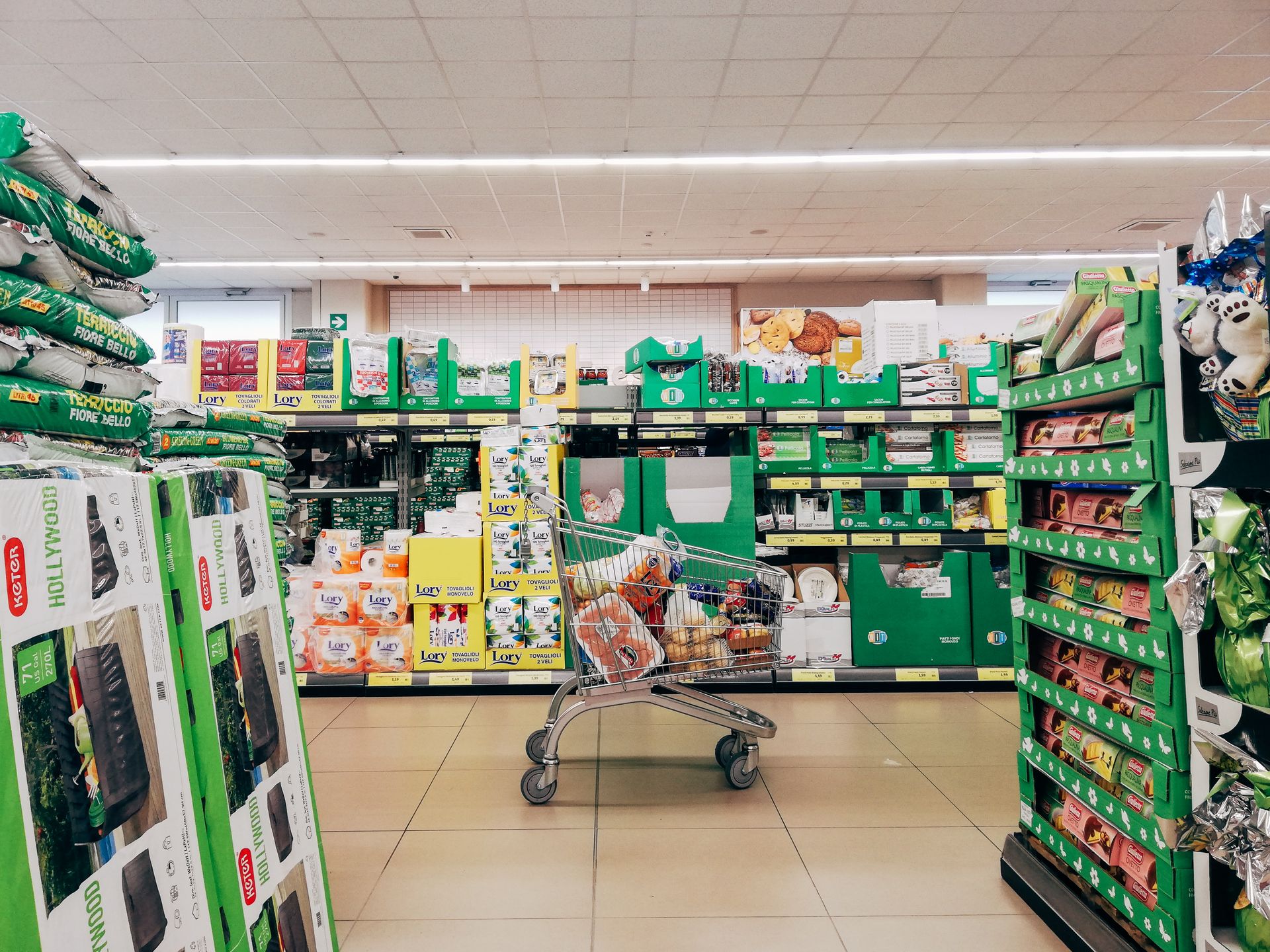
Grocery Shopping in Singapore:
The Ultimate Guide 2026
From the lively traditional "Wet Markets" to the luxury gourmet retailers of Orchard Road, master the art of shopping in the City-State.
The city's must-visit retailers
A Unique Shopping Experience in Asia
In 2026, Singapore continues to establish itself as the world's culinary and commercial crossroads. For a French-speaking expat, grocery shopping is much more than a chore: it is an immersion in vibrant multiculturalism. Here, you can buy French AOC cheese, mangoes from Thailand and Indian spices within a 500-metre radius.
Yet navigating this landscape can be confusing. Between the cost of living in Singapore and the variety of options, it is crucial to understand where and how to shop in order to optimise your budget while maintaining a high quality of life. This guide breaks down every aspect of stocking up, from food shopping to pleasure shopping.
Where to Shop for Groceries? The Retailer Hierarchy
NTUC FairPrice
This is the national co-operative. Found everywhere, it comes in three formats: FairPrice (standard), FairPrice Finest (more imported and gourmet products), and FairPrice Xtra (hypermarkets with electronics and homeware). It offers the best value for money for everyday essentials.
- • Ideal for: Local dairy products, exotic fruit and own-brand products.
- • Location: Almost every neighbourhood shopping centre.

Cold Storage / CS Fresh
Specialising in imported products (Australia, the UK via Waitrose and the USA). This is where you will find quality bread, mature cheeses and specific cuts of meat. Prices are higher, but the "Western" selection is unbeatable.
Sheng Siong
The most economical option. Strongly focused on fresh Asian produce and its indoor "Wet Market". Ideal for smaller budgets.
Don Don Donki
The Japanese paradise that is open 24/7. Sashimi, incredible snacks and Japanese beauty products.
RedMart (Lazada)
The home-delivery revolution. Essential for multipacks of water and bulky items.
Unparalleled Product Diversity
The average shopping basket in Singapore is a fascinating blend. Because of its multicultural population, supermarkets often organise products according to cultural influence or dietary needs.
Fresh and Halal Products
A vast majority of meats are Halal-certified to meet the needs of the Malay community. The vegetable aisles offer local varieties such as Choy Sum and Kang Kong at rock-bottom prices.
The International Aisle
Whether you are looking for saucisson, camembert or Barilla pasta, every shop has an "International" or "Gourmet" section. For specific French products, try So France or Little Farms.
Dairy Products and Eggs
Beware, fresh milk is expensive because it is imported from Australia. Eggs, on the other hand, are produced locally or imported from Malaysia and are very affordable.
2026 Food Budget Calculator
Estimate your weekly spending based on your shopping style and household size.
Select your criteria to see the estimate
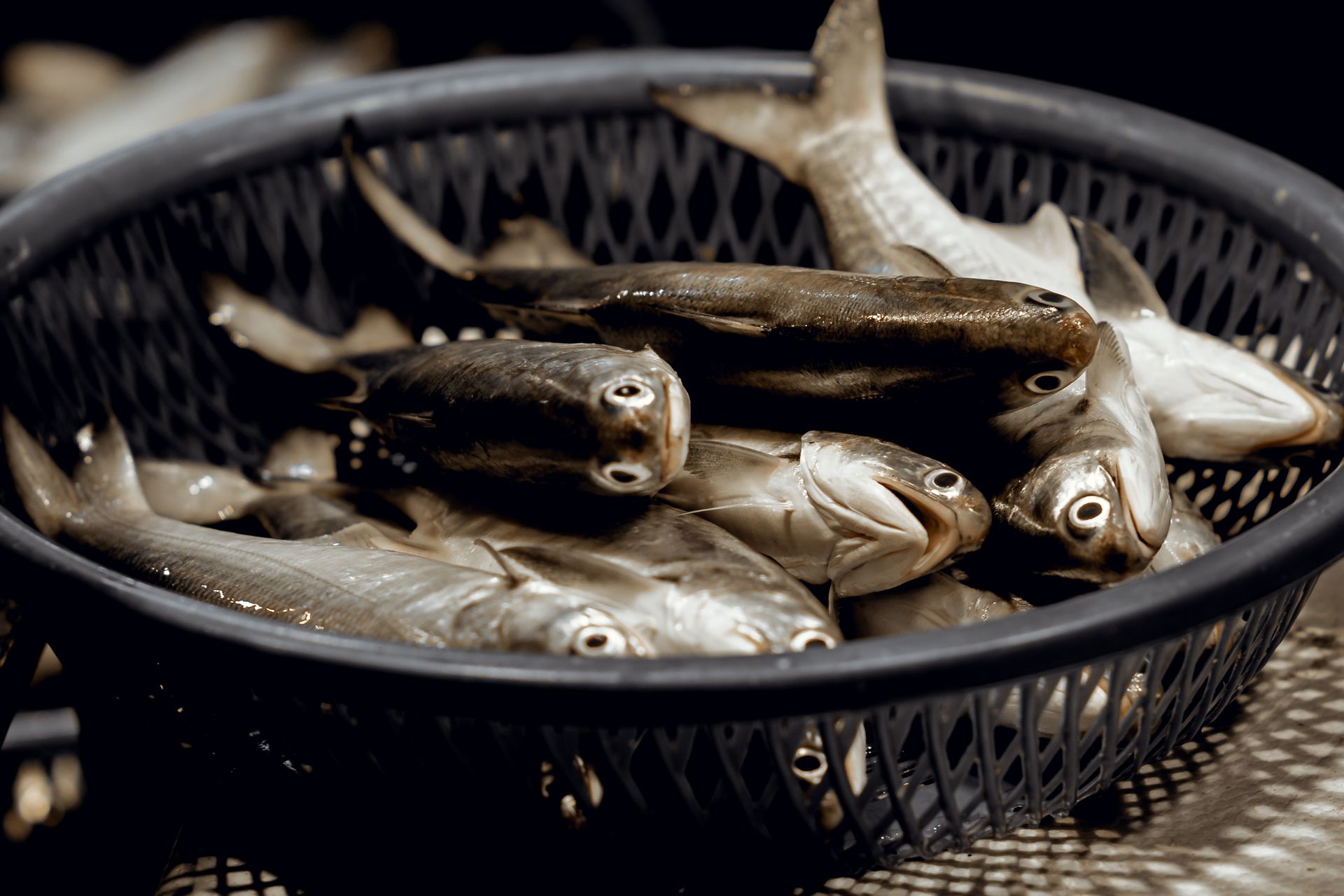
The "Wet Market" Experience
For absolute freshness and unbeatable prices, nothing can replace the wet market (Wet Market).
Named after the water used to clean the floors after the fish and meat stalls have been cleared, these markets are the beating heart of neighbourhood life. The best-known are Tiong Bahru Market, Tekka Market (Little India) and Geylang Serai.
- Opening hours: You need to go early! Between 6:00 and 10:00 in the morning.
- Freshness: Fish caught that very morning and unfrozen poultry.
- Prices: Often 20 to 30% cheaper than at premium supermarkets.
- Social: Build a rapport with your butcher "Uncle" or "Auntie" to get the best cuts.
More Than Food: Shopping & Fashion
Singapore is world-renowned as a leading shopping destination.
Orchard Road
Asia's most famous 2.2 km. From luxury (ION Orchard, Paragon) to global brands (Zara, Uniqlo). You will also find department stores such as Takashimaya and Tanglin Mall.
Find out more →Bugis & City Hall
For more affordable shopping and "streetwear". Bugis Junction and Bugis Street market are packed with bargains and electronic gadgets.
Little India & Chinatown
Must-visits for fabrics, spices, gold and cultural souvenirs. Don't miss Mustafa Centre, open 24/7, where you can find absolutely EVERYTHING.
Expat Tips
Reusable bags
Since 2023, plastic bags have been chargeable (around 5 cents). Get into the habit of bringing your own bags to avoid this environmental charge.
Loyalty programmes
Sign up for LinkPoints (FairPrice) or yuu (Cold Storage/Giant). The savings add up over time.
Off-peak hours
Avoid Saturday afternoons. Sunday mornings are ideal for supermarkets, and Tuesday mornings for fresh markets.
Payment methods
Use PayLah! or GrabPay. Even at small market stalls, the QR code is king. See our payment guide.
In Singapore, FairPrice, Sheng Siong and Giant are suitable for everyday shopping; Cold Storage and FairPrice Finest make it easier to find Western products; wet markets allow you to buy fresh produce from specialist vendors. For cheese, charcuterie or a selection of French wines, specialist grocers complement these options. The most practical approach is therefore to spread your shopping across different places depending on what you need, rather than looking for a single shop that offers everything at the best price.
Your bill depends mainly on how much space you give to imported goods, European brands and prepared foods. Reproducing your French shopping habits exactly will generally cost more than putting together meals with vegetables, proteins and starchy foods that are widely available locally. Location also matters: crossing the island for a special offer quickly loses its appeal if the journey adds time and expense. Between neighbourhood shops, home delivery and meals at hawker centres, several options can coexist within the same week. To compare costs properly, think in terms of Singapore dollars, shown as SGD or S$, and check the current prices, locations and opening hours on the retailers’ official websites.
Which supermarkets to choose in Singapore: retailers and relative prices
Start with FairPrice or Sheng Siong for your everyday basket, then supplement your shopping at a specialist retailer depending on what you are looking for. Giant is also a budget-friendly option, while Cold Storage, FairPrice Finest and Little Farms are better suited to those looking for international variety or premium products.
The positioning below describes a general trend, not a ranking that applies to every product. A promotion, a retailer’s own brand or different packaging may change the price order for a particular purchase.
| Retailer or shopping option | Relative price positioning | What to go there for |
|---|---|---|
| NTUC FairPrice | Budget to mid-range | Everyday shopping, own-brand products, rice, eggs, milk, household products and a general range. |
| FairPrice Finest | Mid-range to premium | Everyday shopping supplemented by a wider selection of international products and premium goods. |
| Cold Storage | Mid-range to premium | Western ingredients, dairy products, imported groceries and products suited to European tastes. |
| Sheng Siong | Budget-friendly | Everyday products, Asian cooking ingredients, vegetables, meat and fish depending on the store. |
| Giant | Budget to mid-range | Basic groceries, household products, promotions and family-size packs. |
| Don Don Donki | Mid-range, with some premium products | Japanese groceries, sauces, noodles, snacks, prepared meals and fresh Japanese products. |
| Little Farms | Premium | Selected provisions, meat, dairy products, cheese and organic products, subject to availability. |
| Mustafa Centre | Budget to mid-range | Spices, rice, pulses, Indian groceries and a wide range of international food products. |
| Wet markets | Budget to mid-range, depending on the stall | Vegetables, fruit, fish, meat, herbs and quantities tailored to your needs. |
FairPrice, Sheng Siong and Giant: the essentials for your grocery basket
NTUC FairPrice is a cooperative retailer with a widespread presence in residential neighbourhoods and shopping centres. Its advantage is that you can buy food, toiletries and household products in one place, without systematically having to choose expensive imported products.
Sheng Siong is particularly worth comparing for ingredients used in local cooking. Giant can also work well for regular shopping, but the range depends on the size and format of the outlet: it is better to check which store is accessible from your home than to choose based solely on the chain’s reputation.
Cold Storage, Finest and Little Farms: what are you paying for?
FairPrice Finest retains a general supermarket focus while offering a more refined selection. Cold Storage is a practical option when a recipe calls for a particular cream, a Western condiment or an ingredient that is less common in Asian supermarket aisles.
Little Farms stands out for its premium selection rather than for offering a budget shopping basket. Its known locations include Tanglin Mall and the River Valley area; however, the counters and services are not identical everywhere.
Mustafa and Don Don Donki: targeted shopping rather than a detour every time
In Little India, Mustafa Centre is particularly useful for spices, flours, lentils and specialities from the Indian subcontinent. This department store should not be mistaken for a French grocer, nor considered the cheapest option across every category.
Don Don Donki follows a different logic: buying dashi, Japanese sauces, noodles or ready-to-eat dishes. Some branches have extended opening hours, but you should check those for the location you have chosen rather than assume it is open around the clock.
To plan your trips, first identify the shop near your home or along your daily route, then find an additional outlet for specific products. The best supermarket is the one that suits your actual basket, not the one with the most spectacular selection.
French products in Singapore: where to buy cheese, wine, charcuterie and bread
For French products, first check Cold Storage and FairPrice Finest, then specialists such as Le Petit Depot, The French Grocer, LPB Market or Culina. The former are useful for supplementing your regular shopping; the latter are better suited to a specific search for regional products, particular cuts or specialities.
A French brand does not guarantee that every product is made in France. The country-of-origin label, ingredients, weight and storage conditions remain the best criteria for comparing two items that appear equivalent.
Cheese and charcuterie: prioritise the specific product you are looking for
The refrigerated sections of supermarkets aimed at international customers generally offer common European cheeses, depending on availability. For a more specialised selection, LPB Market, Culina at Dempsey and some Little Farms shops are worth considering.
The French Grocer and Le Petit Depot also allow you to search for French products online. Their advantage is that they bring several categories together in one catalogue: groceries, frozen prepared foods, dairy products and specialities whose availability may vary.
For charcuterie, check whether the price is for a pack, an individual item or a specified weight. A cheaper pack may simply contain fewer slices, while a larger format becomes poor value if it will not be eaten after opening.
Terrines and rillettes do not all have the same storage requirements. Some canned products can be kept at room temperature before opening, whereas fresh preparations require constant refrigeration: follow the manufacturer’s instructions, not just the product name.
Bakeries in Singapore: baguettes, sourdough and viennoiseries
For French-style bread, bakeries such as Tiong Bahru Bakery and chains such as PAUL complement the selection at supermarkets. The location, baking times and day’s selection matter more than theoretical availability across the entire chain.
Commonly sold sliced bread and an artisan loaf do not serve the same purpose. Comparing their prices without considering weight, recipe or shelf life gives a misleading picture of the actual cost.
The heat and humidity make it harder to store a baguette or sourdough bread. Buying a reasonable quantity and quickly freezing portions helps to minimise waste, provided you follow the baker’s recommendations and have suitable equipment.
Wine and European groceries: broaden your comparisons
The wine sections at Cold Storage, Finest and delicatessens offer French bottles, with a range that varies in depth. For a specific appellation or vintage, also compare specialist wine shops: a wider selection does not necessarily mean a lower price.
European specialities are not limited to France. German Market Place is one option for German, Swiss or Austrian products, while international shops also offer Italian pasta, sauces and biscuits that can be hard to find in a small convenience shop.
Why do these purchases make a bigger dent in your bill? Transport, the cold chain, sales volumes and brand positioning all contribute to the final price; wine is also subject to specific taxation.
To build a balanced routine, reserve specialist shops for products whose origin or quality really matter to you. The guide to grocery shopping in Singapore can complement this approach: buying French products selectively avoids paying a premium on the whole basket.
Wet markets in Singapore: where to buy fresh produce and when to go
Go to wet markets in the morning to make the most of the selection of vegetables, fish, meat and fresh herbs. These markets bring together independent vendors, each with their own opening hours: the building being open does not mean that every stall is operating.
Tekka Centre in Little India, Tiong Bahru Market and Chinatown Complex are among the best-known locations. Residential neighbourhoods also have their own local markets, which are often more useful for regular shopping than places visited on the other side of the island.
Food market opening hours: aim for early morning
A visit between 7 am and 10 am is generally a good guideline, although this is not an official opening time shared by every location. Many vendors start early and wind down towards the end of the morning; some finish as soon as their stock has sold out.
Rest days vary, and fishmongers or butchers may in particular close on Mondays. Closures for cleaning, maintenance work and public holidays are also reasons to check before making a special trip to the market.
Coming late in the hope of a discount is therefore not a reliable strategy. The selection may be reduced, and no price reduction is guaranteed: for a particular species of fish or a specific cut, arriving early is generally more useful.
What can you find at Tekka, Tiong Bahru and Chinatown?
Tekka is particularly interesting for combining fresh produce with Indian cooking ingredients in the same area. The shops around Little India easily complement the visit with spices, pulses and specialist flours.
Tiong Bahru and Chinatown offer a glimpse of the supplies used in local home cooking. You will find leafy vegetables, herbs and seafood, among other things, with the selection changing according to the vendors and deliveries.
The English term “wet market” historically refers to floors made wet by cleaning and activities involving fresh produce. It does not indicate organic certification or automatically guarantee a better price.
Compare stalls and order the right quantity
Ask about the unit of sale before choosing: by weight, per item or by the bunch. For fish and meat, also specify how you would like them prepared and have the total confirmed before buying.
- Check the product’s origin and condition: two visually similar products may differ in provenance or freshness.
- Specify the quantity: buying only what you need prevents a good price from turning into waste.
- Bring an accepted means of payment: cash and local payment methods coexist, and foreign cards are not universally accepted.
- Bring an insulated bag: perishable goods should be put in the fridge promptly.
Being able to discuss your purchase with the vendor is a real advantage over buying pre-packed products. You can ask which cut is suitable for a soup, quick cooking or a slow-cooked dish, rather than choosing based solely on appearance.
However, keep a supermarket price as a reference for items you buy regularly. Wet markets are not always cheaper: variety, size, origin and cutting services can sometimes explain significant price differences.
Finally, make sure you distinguish the fresh-produce market from the nearby hawker centre, where cooked meals are sold. The former is for filling your fridge; the latter can save you from cooking, with opening hours that do not necessarily coincide.
Online grocery shopping in Singapore: RedMart, FairPrice and home delivery
RedMart, available through the Lazada platform, and FairPrice online are two major options for having groceries delivered in Singapore. They are particularly convenient for heavy items, dry groceries, household products and repeat purchases, without removing the benefit of visiting a market to select fresh produce yourself.
The visible catalogue depends on the address, stock levels and sometimes the selected delivery slot. Enter your postcode before putting together a large basket: an item shown in a general search is not necessarily deliverable to your address.
RedMart or FairPrice online: comparing the delivered cost
RedMart allows you to combine food, drinks and household products in one order. FairPrice online offers a broad range, making it useful for finding many everyday items and organising regular purchases.
The right comparison is based on the total actually paid, including delivery. A basket that is slightly cheaper per item can become more expensive once fees are added, while an advertised discount may depend on a minimum spend or a specific condition.
Free-delivery thresholds, potential subscriptions, coupons and delivery-slot rates change over time. Check the conditions shown when you order rather than relying on an old amount quoted in a guide or on a forum.
Also avoid adding unnecessary items solely to reach a threshold. Free delivery is only a saving if the additional purchases meet a genuine need and will be used.
Fresh produce delivery: checking substitutions, weight and storage
Before paying, check the rules regarding out-of-stock items and substitutions. A substitute may be fine for everyday pasta, but not in the case of an allergy, dietary requirement or recipe requiring a specific product.
For fruit, meat and fish, check whether the weight is fixed or indicative. Also look at the information on origin, whether the product is fresh or frozen, and storage recommendations, as a photograph cannot show these differences.
When your order arrives, check the packaging, dates and condition of perishable products. Put refrigerated and frozen items away promptly; leaving them outside the door for an extended period is particularly unsuitable in Singapore’s climate.
If there is a problem, photograph the product and its label, then use the platform’s complaints procedure. The deadlines and supporting documents required vary, which is why it is important to check everything as soon as the order arrives.
Online French grocery shops: consolidating orders without overstocking
Le Petit Depot and The French Grocer complement the major platforms when you are looking for French specialities. Other providers offer Japanese or European selections, with their own delivery areas, schedules and terms.
A shop that is accessible online at any time is not necessarily a physical shop that is open continuously. Check separately whether in-store collection is available, the reception opening hours and whether you need to order before visiting.
For buildings with controlled access, provide the correct unit number and the instructions the delivery driver needs. Choose a slot when you will be available rather than routinely relying on the concierge or a neighbour.
A simple approach is to have heavy, long-life items delivered, then buy perishable goods near home. Delivery is genuinely useful when it reduces travel without multiplying fees, duplicate purchases and unnecessary storage.
Grocery budget in Singapore: alcohol, paid bags and alternatives to home-cooked meals
To reduce your bill, limit non-essential imported products, compare prices for the same quantity, and alternate home cooking with simple meals at a hawker centre. Alcohol, frequent small purchases and waste can have a greater impact than the price difference between two general supermarkets.
A single monthly amount is not representative of every household. How often you eat out, dietary requirements, wine consumption and your choice of protein can significantly affect your budget and cost of living in Singapore.
Alcohol in Singapore: taxes and purchasing restrictions
Alcoholic drinks are subject to specific duties, in addition to the applicable GST. The calculation depends in particular on the category and quantity of pure alcohol, so an imported bottle cannot be compared directly with its price in France by citing transport costs alone.
GST is 9%. To find out about the duties applicable to a category or the rules concerning purchases from abroad, consult the official information from Singapore Customs: travellers’ allowances are subject to conditions, and an international delivery is not the same as a tax-free purchase.
Off-premises retail sales are generally prohibited between 10.30 pm and 7 am. A supermarket that is open at night cannot therefore necessarily sell wine or beer throughout its opening hours.
Drinking in public spaces is also regulated, with stricter rules in certain areas and during certain periods. Licensed establishments operate under different conditions: do not automatically apply a bar’s hours to those of a shop checkout.
Paid bags: preparing your shopping instead of paying on every visit
The major chains covered by the regulations charge at least 5 Singapore cents per bag for disposable carrier bags. The amount may be higher depending on the retailer; the scheme is not limited to plastic alone.
Small bags intended for certain unpackaged foods are exempt. The simplest approach is to keep reusable shopping bags to hand and separate raw foods properly from ready-to-eat products.
For greater savings, compare prices per kilogram or litre, look at own-brand products and choose sizes suited to your household. A multi-buy promotion is only worthwhile if the shelf life allows you to use everything.
Replacing certain European ingredients with vegetables commonly used in local cuisines opens up more possibilities without requiring you to abandon your usual habits. Eggs, tofu and pulses can also add variety to your meals, depending on your dietary needs.
Hawker centres: when eating out means avoiding unnecessary shopping
A simple meal at a hawker centre can be a budget-friendly alternative to a home-cooked meal made with imported ingredients. This is particularly relevant when cooking requires you to buy several condiments or perishable products for a single use.
Stalls selling chicken rice, noodle soups or rice with accompanying dishes allow you to buy a prepared portion. The final price depends on the stall, the ingredients chosen and any extras; drinks, seafood or additional portions can significantly change the cost.
For several people, cooking in larger quantities is often still cost-effective, especially when ingredients can be shared between several recipes. For one person, alternating a few home-cooked meals with local food can reduce leftovers and simplify meal planning.
So compare genuinely equivalent meals and take nutritional balance into account, not just the price displayed. The right comparison is based on the cost of the portion consumed, rather than the price of the trolley or the assumption that cooking is always cheaper.
Your questions about shopping in Singapore
Which supermarket is the cheapest in Singapore?
Sheng Siong, FairPrice and Giant are the first chains to compare for a typical basket. No chain is consistently the cheapest for every product: check the price for the same quantity, own-brand products and worthwhile promotions.
Where can I find French cheese and charcuterie?
Cold Storage and FairPrice Finest stock European products, depending on the branch. For a more specific search, check Le Petit Depot, The French Grocer, LPB Market or Culina, verifying the origin, packaging and availability.
What time should I go to a wet market?
Early morning is generally best; between 7 am and 10 am is a useful guideline. Each stall has its own opening hours and rest days, and some vendors close as soon as their stock has sold out.
Can I have my shopping delivered to my home?
Yes, notably through RedMart and FairPrice online. Enter your postcode, then compare the delivered total, delivery slots, substitution policies and the conditions applicable to fresh produce.
Can I buy alcohol at a supermarket that is open at night?
Not at all times: off-premises retail sales are generally prohibited between 10.30 pm and 7 am, even if the shop remains open. Additional restrictions may apply depending on the area and the period.
Frequently Asked Questions (FAQ)
Is tap water safe to drink in Singapore?
Yes, absolutely. It meets WHO standards. However, many expats use water filter jugs because of the chlorinated taste or buy water dispensers through RedMart.
Where can I find real French bread?
Many bakeries, such as Tiong Bahru Bakery, Paul and Merci Marcel, offer excellent baguettes and viennoiseries.
Can I have my shopping delivered?
Yes, it is extremely common. RedMart, FairPrice Online and GrabMart are the leading services. Delivery is often free above a certain order value.
What is the "Singapore Red Label"?
It is a local label indicating products of superior quality or locally produced goods, often promoted as a way to reduce the carbon footprint.
Is it rude to negotiate prices?
In supermarkets, no. At "Wet Markets", you can try negotiating if you are buying in large quantities, but prices are generally fixed and already very low.
Which food souvenirs should I bring back?
Kaya jam (coconut and eggs), ready-to-use curry pastes or TWG tea. Avoid durian, which is banned on planes and public transport!
Where can I buy alcohol?
Everywhere, but beware of the high taxes. Buying alcohol in shops is prohibited after 10.30 pm. For good wine at a reasonable price, try Wine Connection.
Are there organic options?
Yes, but it is a niche market. Try SuperNature or the organic sections at FairPrice Finest and Cold Storage.
How can I carry my shopping without a car?
The public transport network is excellent. Otherwise, taxis and Grab are very affordable for getting home with your bags.
Are there French speciality grocery shops?
Yes, So France (Duo Galleria and Claymore) is the go-to destination for imported French regional products.
Ready to fill your fridge?
Browse our other guides to complete your move to Singapore and live like a local from the moment you arrive.