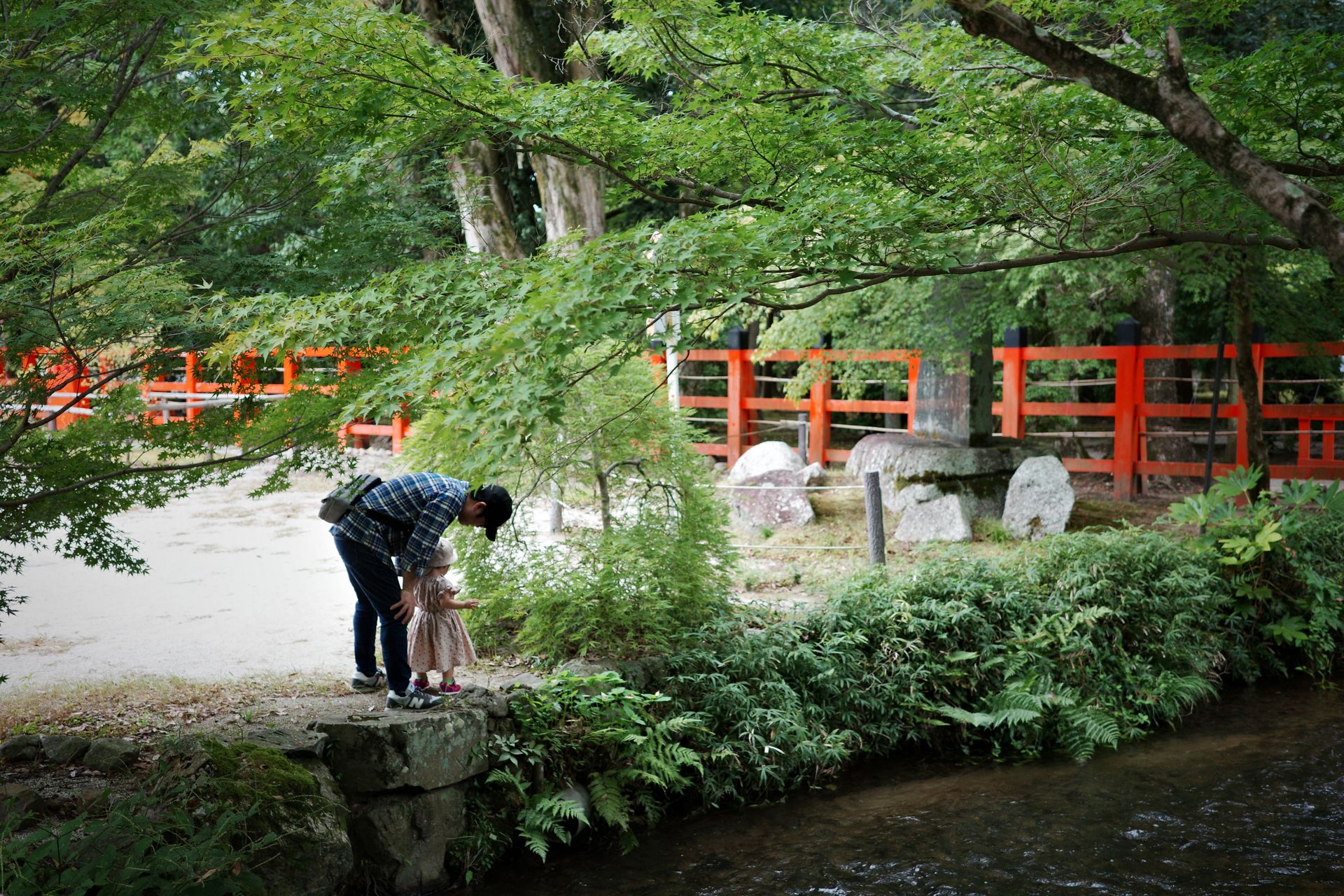
Singapore skyline at dusk
Authentic Stories & Experiences

Stories from
French-speaking Expats in Singapore

Dive into the stories of those who took the plunge. From administrative challenges and culture shock to outstanding successes, discover what life in the City-State is really like.

Stories from French expats in Singapore reveal a mixed reality: remarkable administrative efficiency and exceptional safety, but also the challenges of cultural integration, a constant tropical climate and a high cost of living. The stories consistently highlight the importance of stepping outside the expat bubble, taking part in local events and adapting to Singaporean cultural norms to make a success of settling in.

Expatriation: Above All, an Inner Journey

Moving to Singapore is never a decision to be taken lightly. It is often the result of a professional opportunity seized at short notice, a desire for radical change or a thirst for Asia. As the story "Leaving, holding on, returning" emphasises, expatriation is a cyclical process that transforms people far beyond their simple status as foreign residents.

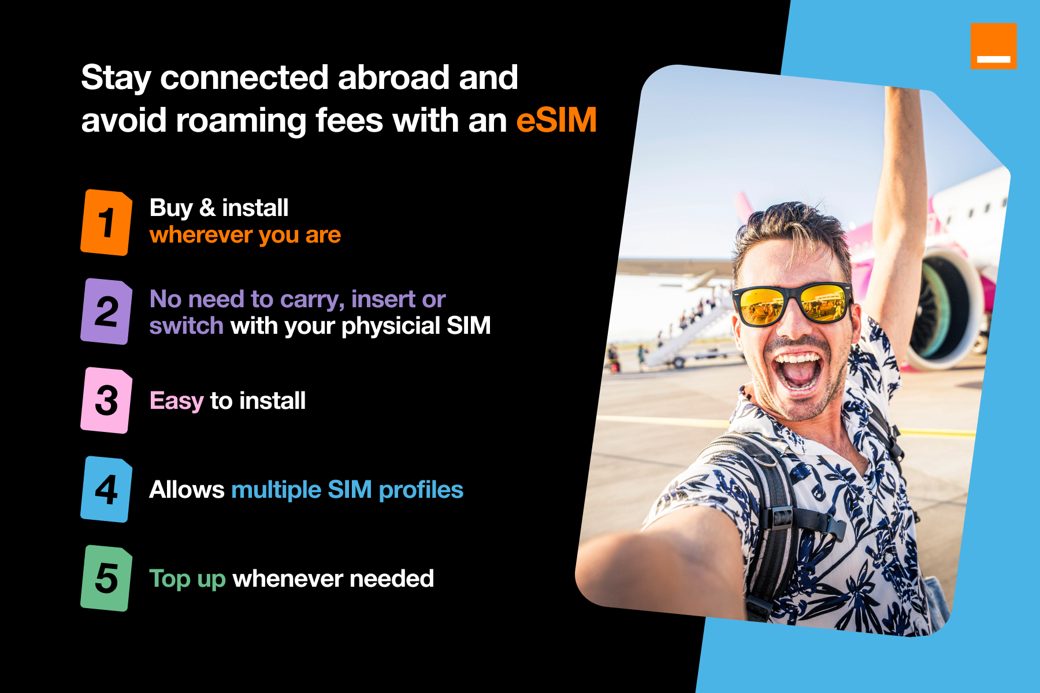
To get online as soon as you land, a Singapore eSIM can be installed before you leave, with no need to look for a local SIM card.

In 2026, Singapore’s French-speaking community has never been more dynamic, but the challenges remain constant. Preparation, which includes administrative procedures often perceived as an insurmountable mountain, is only the first stage of a personal transformation. You leave behind European comforts to face the formidable, but sometimes disconcerting, efficiency of Southeast Asia.

It is not just a geographical move; it is a rebuilding of your identity. From coping with oppressive humidity to learning the local "Kiasu" culture, every expat goes through periods of doubt and loneliness, but also immense gratitude for the safety and opportunities on offer.
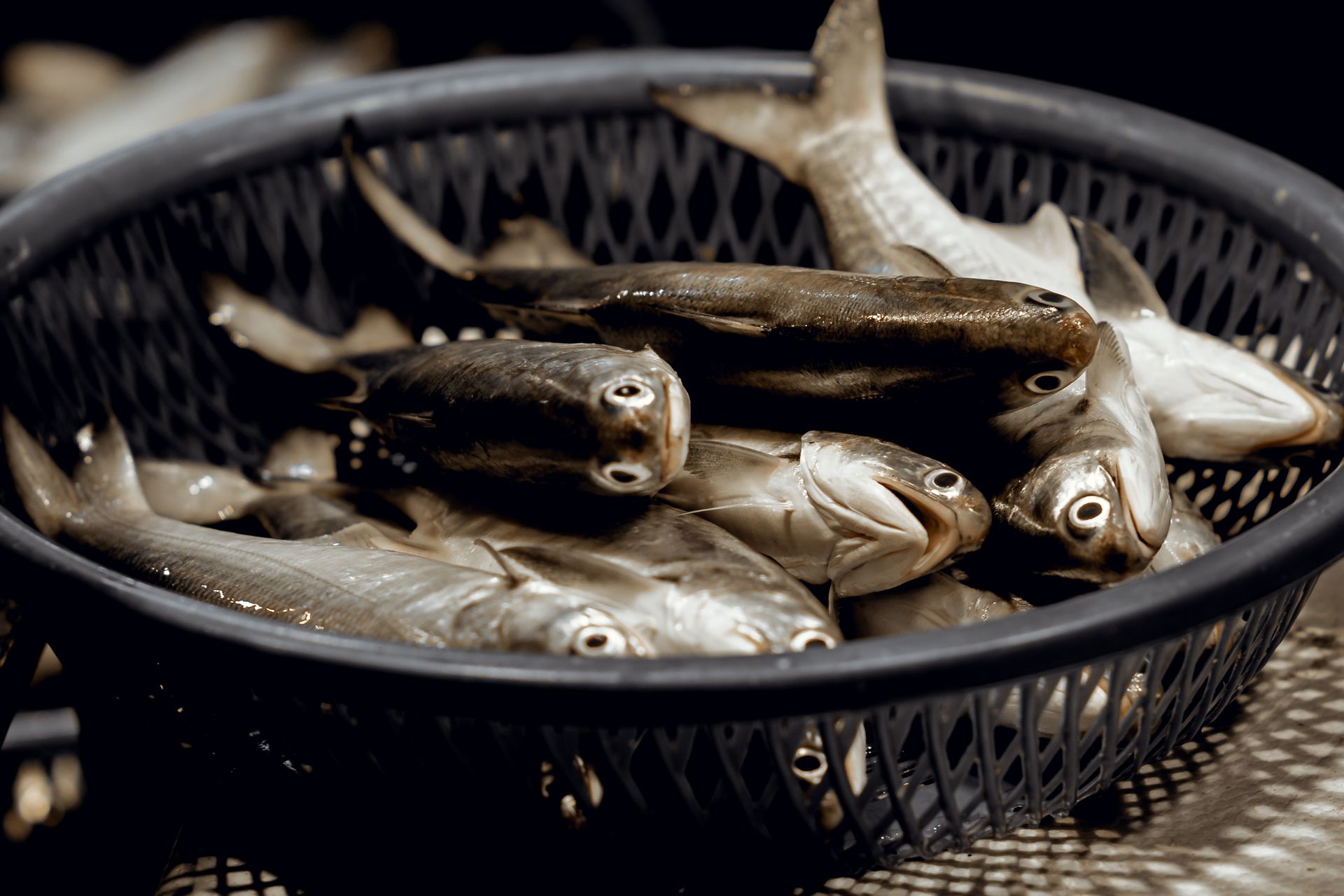
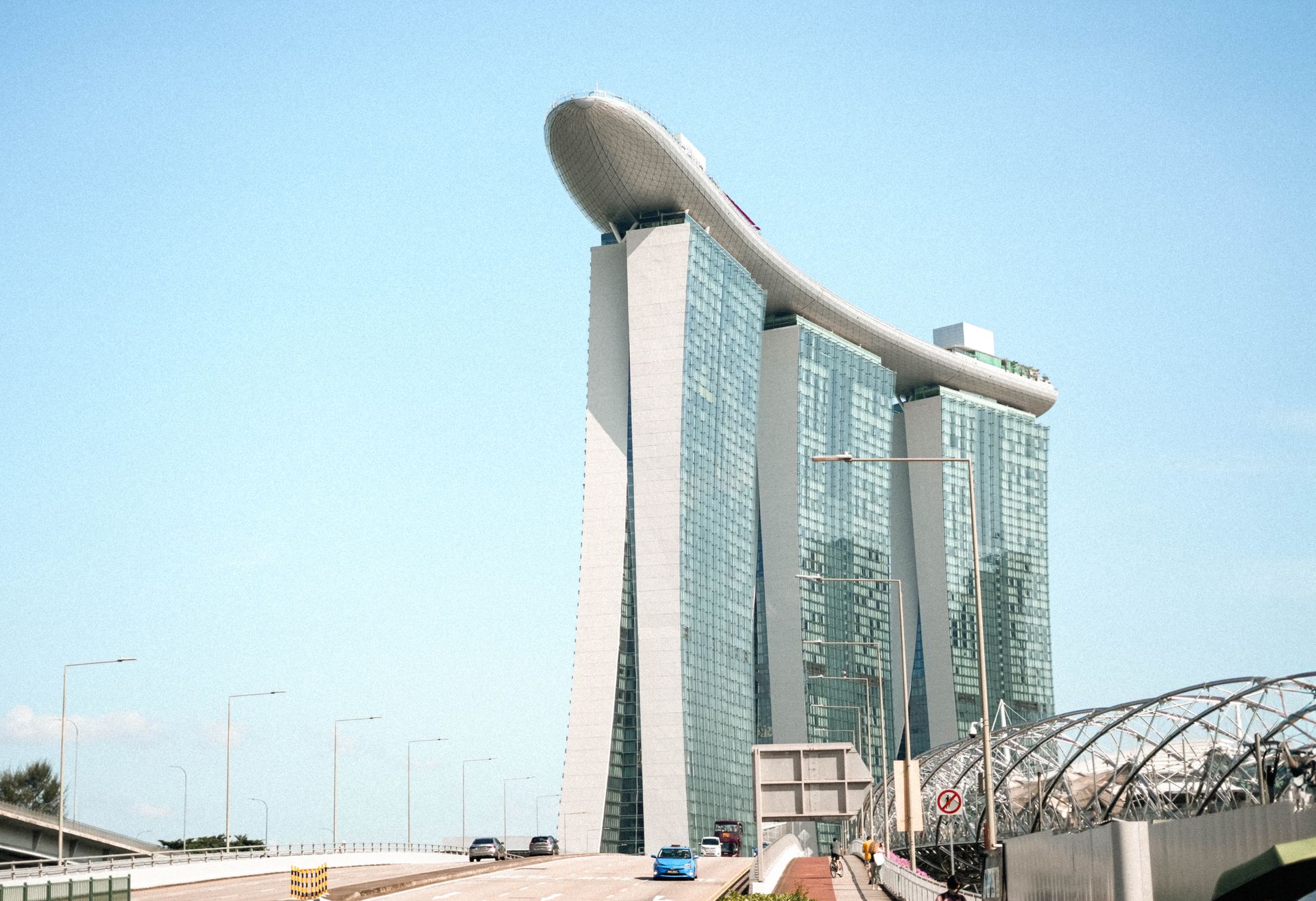
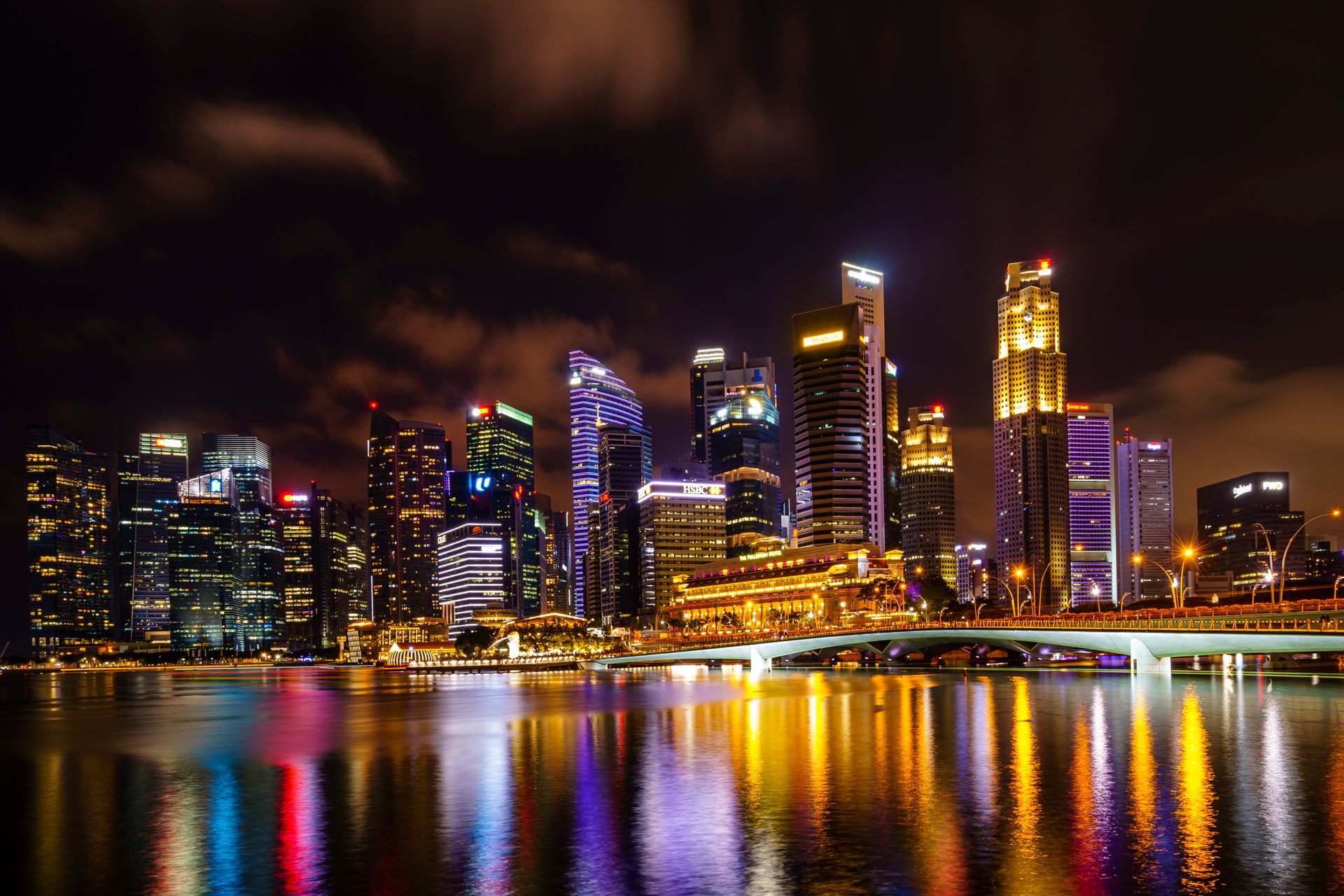
Local market in Singapore Modern Singapore architecture Office in Singapore Family in a park

Community Profiles

Unique journeys to a shared destination.
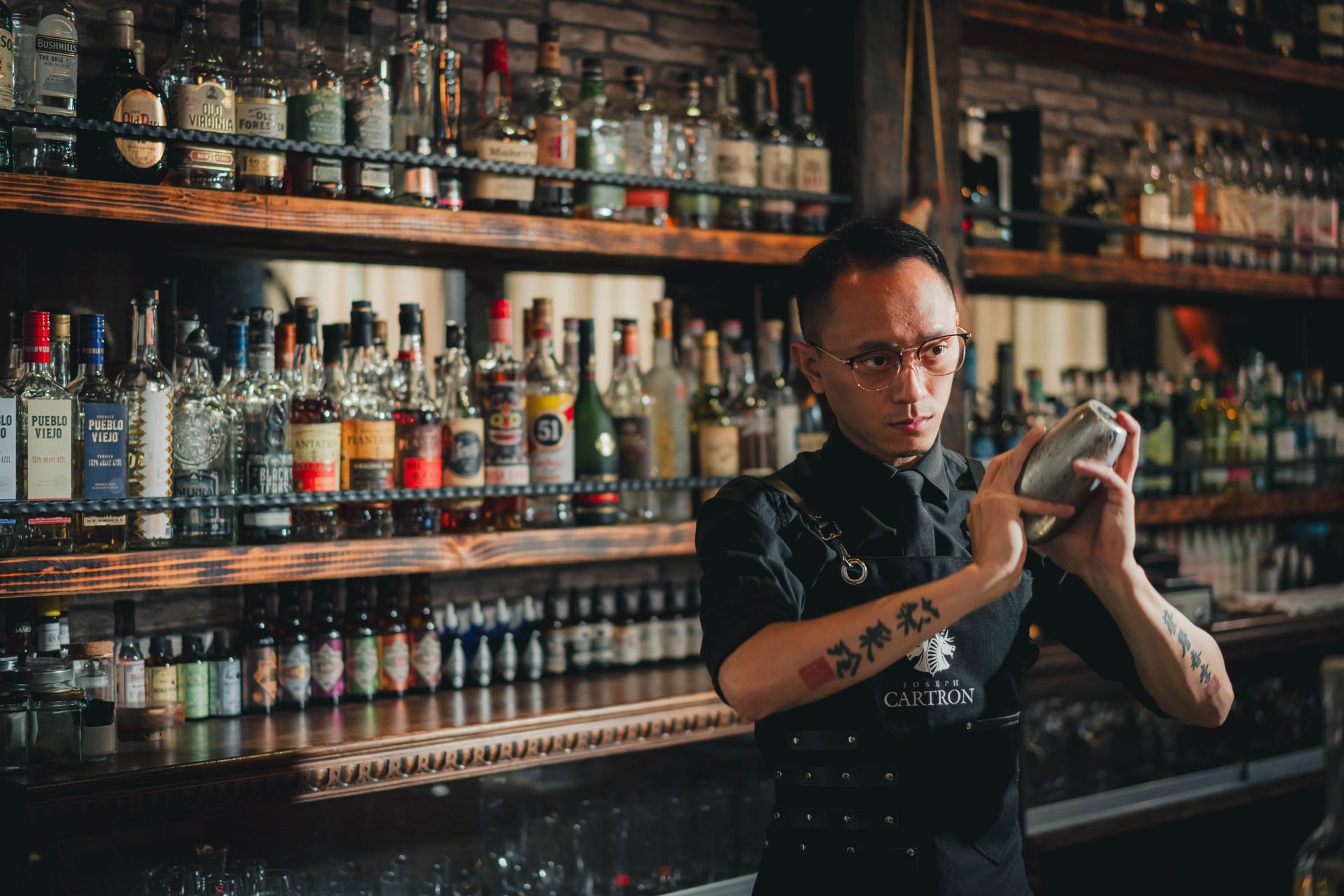
Marc’s Profile

Marc, aged 42

Tech Founder

"Everything moves ten times faster here than in Paris. If you have an idea, Singapore gives you the tools to make it happen, but it will not forgive amateurism."

Marc arrived in 2022 with the ambition of tapping into the Southeast Asian market. He had to navigate the complexities of setting up a company in Singapore.

« The hardest part was understanding the unspoken rules. You might think that because everyone speaks English, the culture is Western. It isn’t. Hierarchy and saving face are paramount. I succeeded when I stopped trying to impose my French model and started listening to my local partners. »

#Entrepreneur #Adaptation
Sophie’s Profile

Sophie, aged 35

"Reinventing your career in the tropics."

« I arrived as an 'accompanying spouse'. The first six months were a mixture of a never-ending holiday and an unsettling sense of emptiness. It was thanks to French-speaking associations that I found a sense of purpose again. »

Arrived in 2024

The Lefebvre Family

« For our children, Singapore is a giant, safe playground. »

With three young children, choosing their education and schooling was their absolute priority. They speak of the incredible richness of multiculturalism from primary school onwards.

« They speak French at home, English at school and muddle through a little Mandarin with the helper. It’s an incredible opportunity, even if the cost of international schools weighs heavily on our annual budget. »

Thomas, drawn by the V.I.E programme

« The first shock? The humidity. The second? The price of a pint of beer. »

Having come for a two-year contract in finance, Thomas explores the surrounding destinations every weekend. For him, Singapore is the perfect hub. But he warns of the risk of the "expat bubble".

« You can go for months without speaking to a Singaporean if you’re not careful. I made the effort to go to Hawkers Centers every lunchtime to immerse myself in the local culture and get off the beaten track around Orchard Road. »

Behind the Scenes: Realities and Contrasts

Settling in Singapore is often described as a "smooth" experience. Everything works, from the automated MRT to digital government services. Yet the stories consistently point to a more nuanced reality. As Les Échos notes, the boundary between professional and personal life can become extremely blurred in such an intense work culture.

The Climate: A Constant Challenge

You laugh about it at first, but 90% humidity and a constant 32 degrees eventually take their toll. Expats quickly learn to plan their days around the air-con. "We live indoors," says Julie, who has been a resident for 5 years. "The luxury is finding accommodation with good ventilation so you don’t have to run the air conditioning 24/7, because the electricity bill can quickly skyrocket."

Cultural Integration: Beyond "Singlish"

Singapore is an ethnic patchwork (Chinese, Malay, Indian and Eurasian). Integration requires active curiosity. Taking part in local festivals such as Deepavali or Chinese New Year is crucial if you do not want to remain a mere "observer". The stories of Jessica Trano perfectly illustrate this delicate balance between modernity and tradition.

Expert Advice

"Never compare Singapore with France. That is the number-one trap. Appreciate the efficiency and safety here, and save your nostalgia for the holidays. If you are looking for a café and croissant on a terrace at 3pm, you will be disappointed by the price and the atmosphere. Instead, enjoy a Kopi-O in a local market for 1,50$."

Expat Profile Simulator

Answer these questions to discover which type of adaptation suits you best in Singapore in 2026.

1. What is your number-one priority when you arrive?

Looking after yourself while living abroad

Living abroad is not just an external adventure. It is also a challenge for your mental health. The loneliness of the early days, being far from family and the pressure to succeed can create periods of vulnerability. Many testimonials emphasise the importance of specialised psychological support for expatriates.

When it comes to physical health, Singapore’s system is remarkably efficient, but it is expensive. Having good health insurance is the first piece of advice shared by all the city-state’s “veterans”. “Here, health is no joke. You are seen within 10 minutes, but the bill can look like a monthly rent payment if you are not covered,” explains one contributor on the French-language forum.
Yoga in Singapore

Frequently Asked Questions (FAQ)

Is it easy to make Singaporean friends?
It takes time and perseverance. Singaporeans are very polite but often busy with their families and work. Joining sports or volunteering activities is the best way in.
What budget is needed for a family of four?
In 2026, allow between 10,000 and 15,000 SGD per month for a reasonable level of comfort, including rent, international schools and social activities. See our detailed guide to the cost of living.
Is the myth that chewing gum is banned true?
Yes, its sale is prohibited except for medical reasons. But don’t worry, no one will arrest you for having a packet in your bag. It is the large-scale importation and littering in public places that are penalised.
Is safety really exceptional?
Absolutely. It is common to leave your bag on a table at a Hawker Center to reserve your place (“chope”). It is an invaluable source of peace of mind, especially for families. Read our safety tips.
How can I find a job locally?
The market is competitive. Your network is your greatest asset. Attend LinkedIn Success webinars and visit our jobs page.

Ready to write your own story?

Whether you are still considering the move or already here, the French-speaking community is here to support you. Don’t face your questions alone.
Updated on

The main reasons for moving to Singapore

French speakers who choose Singapore do so for various but recurring reasons. Career opportunities come first: the city-state attracts talent in finance, technology and international trade thanks to its favourable tax environment and strategic position in Southeast Asia.

Quality of life is another decisive factor. Exceptional safety, modern infrastructure and efficient public services are particularly appealing to families. Many expatriates mention being able to let their children play outside without worry, a luxury that has become rare in major cities.

Finally, Singapore represents a gateway to Asia. Testimonials highlight how easy it is to travel around the region, with direct flights to Thailand, Indonesia or Vietnam just a few hours away. This geographical position turns every weekend into an opportunity for exploration.

The first few months: between excitement and adjustment

The settling-in phase generates conflicting feelings. Initial excitement at the novelty often gives way to a period of questioning. Accompanying partners in particular speak of this delicate transition, moving from an active professional life to a daily routine that needs redefining.

Administrative procedures, although simpler than in other countries, require thoroughness. Obtaining a work visa, opening a bank account and looking for accommodation are the priorities during the first few weeks. Expatriates recommend allowing at least a month to get these practical matters settled.

Finding your bearings becomes essential. Joining French-speaking associations helps you quickly build a social network and benefit from practical advice. These organisations hold regular events that make integration easier and alleviate the isolation of the early days.

Professional life: cultural codes and the pace of work

Singapore’s professional environment can be surprising in its intensity. Testimonials consistently describe a demanding work culture where efficiency comes first and days often extend beyond contracted hours. The culture of presenteeism remains strong in some sectors.

Cultural codes differ significantly from French practices. Hierarchy is strictly respected, direct confrontation is avoided and the concept of “face” (preserving everyone’s dignity) shapes interactions. Expatriates who succeed are those who observe, listen and adapt their communication.

AspectFrench cultureSingaporean culture
CommunicationDirect and reasonedIndirect and consensus-based
HierarchyOpen to challengeStrict respect for authority
Working hoursSet frameworkFlexibility expected
Decision-makingCollective debateHierarchical approval

Professional networking plays a decisive role. Networking events, industry conferences and platforms such as LinkedIn are essential tools for advancing your career. Taking part in French-speaking meet-ups also provides an opportunity to discuss career opportunities.

Everyday life and local habits

Daily life in Singapore is built around specific rituals. Hawker centres quickly become essential for affordable, authentic meals. These covered markets offer an immersion in the diversity of local cuisine, from chicken rice and laksa to Indian specialities.

The practice of “chope” reflects the trust found in public spaces: placing a packet of tissues or a bottle of water on a table is enough to reserve your seat while you order. This custom surprises newcomers but soon becomes second nature.

Public transport runs with clockwork precision. The MRT (metro) serves the entire island with remarkable efficiency. Expats often abandon the idea of buying a car, given the prohibitive costs associated with the Certificate of Entitlement (COE) and taxes.

Cultural integration and language learning

Integration goes beyond simply mastering English. Singlish, the local form of English peppered with Malay, Chinese and Tamil terms, is a marker of belonging. Understanding expressions such as “lah”, “can” or “kiasu” makes informal exchanges easier and shows an appreciated effort to adapt.

Taking part in local festivals speeds up integration. Chinese New Year, Deepavali, Hari Raya and National Day all provide opportunities to understand the traditions that shape Singaporean society. Expats who get involved in these celebrations build deeper connections with their neighbours and colleagues.

Children attending local or international schools often become the family’s best cultural ambassadors. Learning Mandarin and being exposed to multiculturalism every day enriches the overall family experience. Discovering French-language cultural activities helps maintain a connection with the French language and culture.

Managing the climate and its impact on lifestyle

The equatorial climate requires a complete reorganisation of daily life. Temperatures hover around 30 to 32 degrees all year round, with humidity regularly exceeding 80%. This constant climate influences clothing choices, activities and even mood.

Expats develop strategies for adapting: prioritising indoor activities during the hottest hours, taking several showers a day and investing in breathable fabrics. Air conditioning, ubiquitous in public and private spaces, quickly becomes indispensable, with a noticeable impact on electricity bills.

The absence of seasons affects some expats psychologically. The lack of climatic variation can create a sense of temporal monotony. Many compensate by travelling around the region to find cooler temperatures or simply change their surroundings.

Balancing the budget and financial realities

The cost of living in Singapore varies considerably depending on spending choices. Local products and meals at hawker centres remain affordable, while imported goods, alcohol and eating out are expensive.

The largest expenses are housing and education. A family flat in a sought-after neighbourhood represents a substantial part of the monthly budget. International schools are also a major investment for families, with annual fees that can exceed several tens of thousands of Singapore dollars.

Expats who achieve financial stability adopt a hybrid lifestyle: local spending for everyday needs (markets, public transport, hawker centres) and targeted spending on Western pleasures. This approach makes it possible to enjoy Singapore without exhausting your budget.

Health and wellbeing as an expat

Singapore’s healthcare system combines medical excellence with high costs. Testimonials emphasise the need for comprehensive health insurance, as a specialist consultation or hospital stay can quickly amount to a substantial sum. Treatment is fast and professional, but comes at a high price.

Mental health is an often underestimated issue. Being away from family, professional pressure and cultural adaptation can undermine psychological wellbeing. Expats recommend not hesitating to consult French-speaking professionals specialising in supporting people living and working internationally.

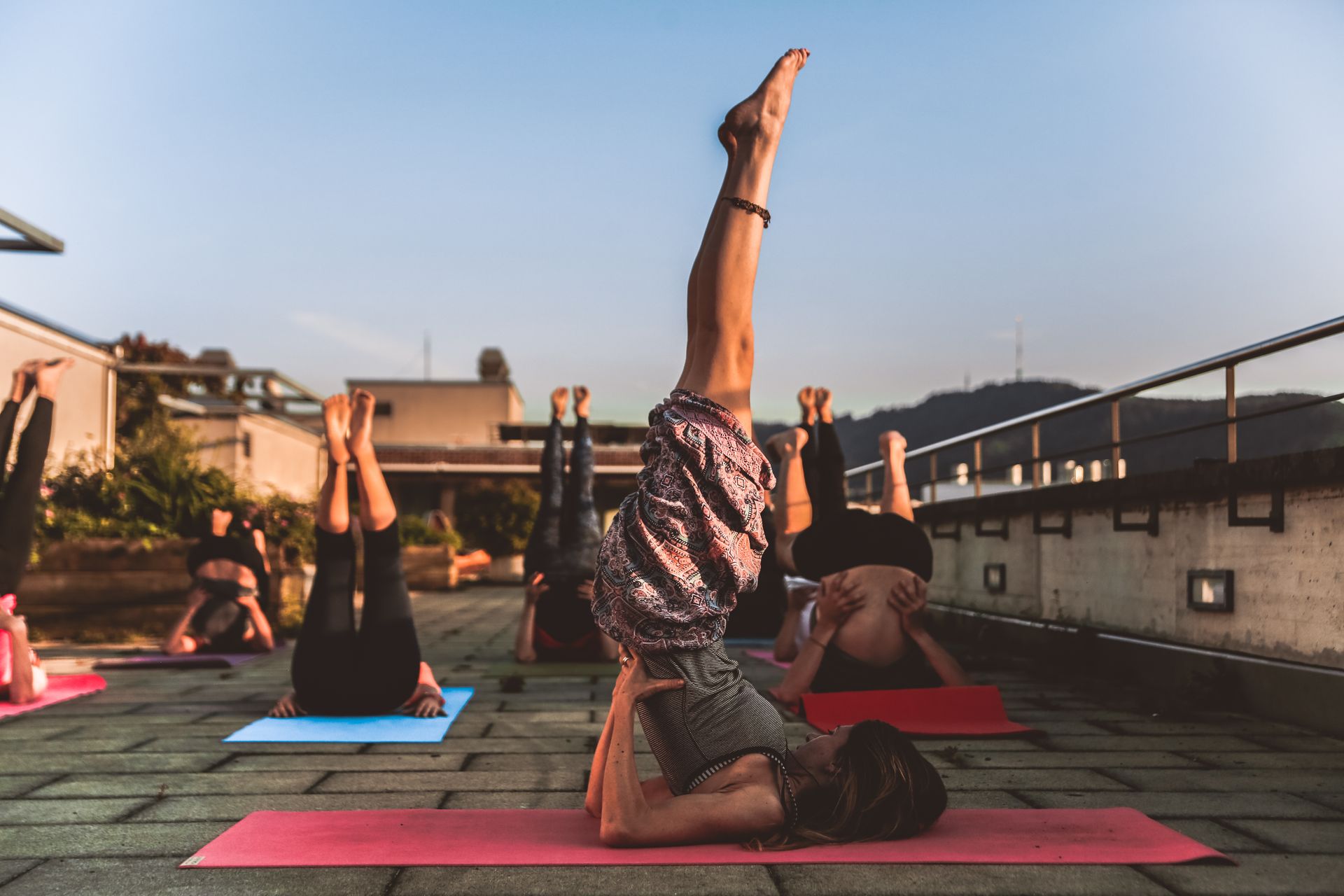
Physical activity becomes a cornerstone of wellbeing. Despite the heat, many parks offer spaces for running, yoga or tai chi. Air-conditioned gyms also attract a large expat community, who find them both an outlet for stress and a place to socialise.

Lessons learnt: what they wish they had known beforehand

Experienced expats share some recurring advice. The first concerns expectations: Singapore is not the West in Asia, but a modern Asian society with its own codes. Arriving with an attitude of learning rather than judgement makes adapting much easier.

Building a social network requires active effort. Contrary to some preconceived ideas, friendships do not form spontaneously. Taking part in clubs, associations or community events is essential to avoid isolation. Following French-language local news helps you stay connected to community life.

Finally, maintaining a connection with France while fully embracing Singapore represents the ideal balance. Expats who settle successfully are those who build bridges between the two cultures, rather than living in a sealed-off French bubble or completely denying their roots.

Orange Travel eSIM

Frequently asked questions

How long does it take to feel truly settled in Singapore?

Most expats estimate that it takes between six months and a year to move beyond the initial adaptation phase. This timeframe varies depending on family circumstances, English proficiency and involvement in local life. The first few months are often marked by alternating enthusiasm and moments of doubt.

Can you live in Singapore without speaking Mandarin?

Yes, English is sufficient for everyday and professional life. However, learning a few basic Mandarin phrases makes integration easier and shows respect for the local culture. Children educated locally generally learn Mandarin, which enriches the overall family experience.

How can you cope with homesickness and being far from family?

Expats recommend establishing regular communication rituals with family back in France, while becoming fully involved in local life. Building a new community locally, taking part in French-speaking events and planning regular trips back to France helps maintain emotional balance.

Do children adapt easily to Singapore?

Children generally show a remarkable ability to adapt. The international school system provides a stimulating multicultural environment. The safe surroundings reassure parents, while the many activities available make it easier for younger children to integrate socially.

What are the main pitfalls to avoid when arriving?

Staying inside the expat bubble is the main pitfall. Other common mistakes include constantly comparing everything with France, underestimating the cost of living and failing to prepare for cultural differences. Adopting an open and curious attitude from the outset makes the experience much easier.