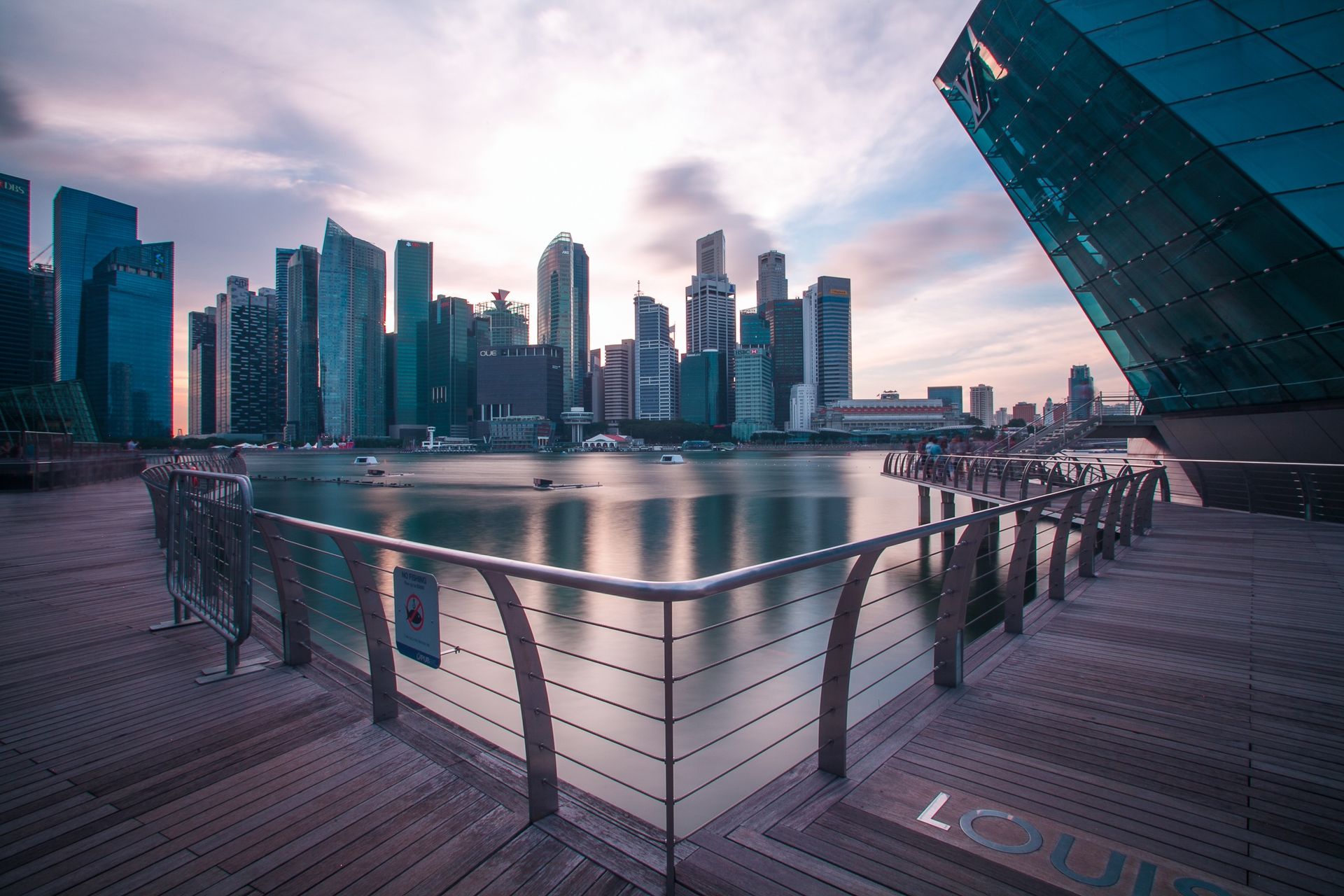
Panoramic view of Singapore in 2026
Exclusive 2026 Guide

Everyday Life & Budget in Singapore

Navigate the city-state with peace of mind. From managing your monthly expenses to choosing your supermarkets, discover how to optimise your cost of living without sacrificing comfort.

The cost of living in Singapore in 2026 remains high, with a minimum monthly budget of 3 500 SGD for a single person in shared accommodation eating local food, and between 5 500 and 7 000 SGD for a standard expat lifestyle. Housing is the main expense (40 to 50% of spending), but affordable options do exist: Hawker Centers offer full meals from 5 SGD, while the MRT public transport network costs just 120 to 200 SGD per month.

The essential services most popular with the community

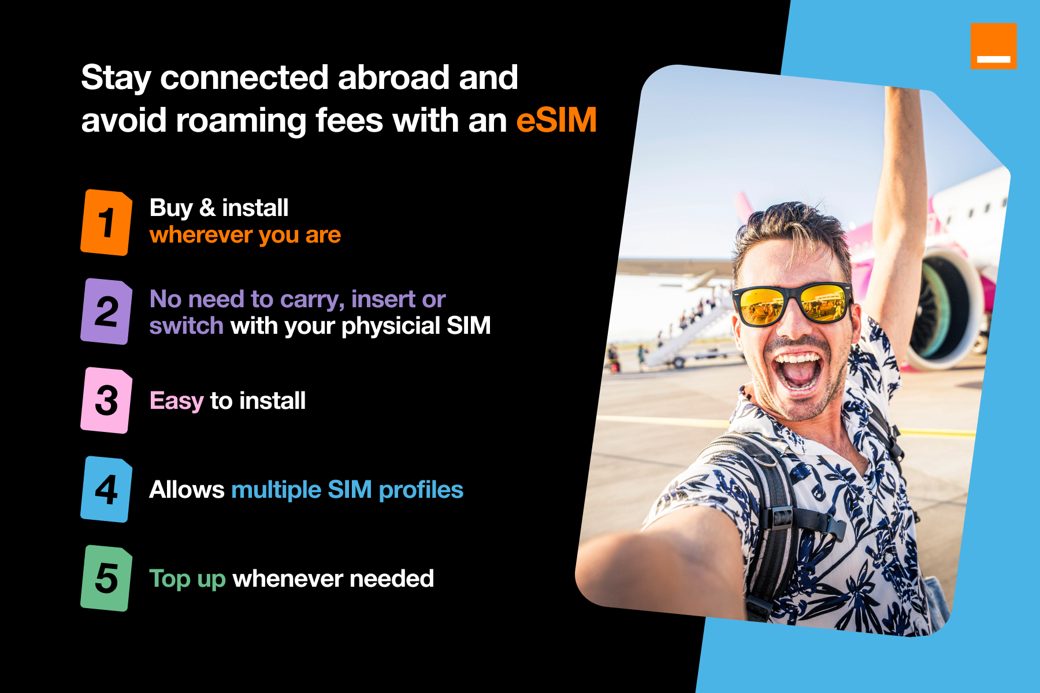
To get online as soon as you land, a Singapore eSIM can be installed before you leave, with no need to look for a local SIM card.

DBS Bank Grab FairPrice Singtel Lazada

Financial Balance in 2026: Between Modernity and Restraint

Singapore remains, in 2026, one of the most dynamic and safest cities in the world. However, this excellence comes at a price. For a French-speaking expat, understanding the structure of local costs is not just a question of figures; it is the key to successful integration. Whether you are here for a short-term contract or a permanent move, this guide breaks down every cent of your future daily life.

The secret to living well here lies in the duality of what is on offer: Singapore offers the height of global luxury while retaining extremely affordable local options, such as the famous Hawker Centers.

Overview of Your Expenditure Categories

Housing

The largest expense (around 40-50% of the budget). Rents vary drastically between Condos in the CBD and HDBs on the outskirts.

  • • 2-bedroom Condo (Central): 5,500 - 8,000 SGD
  • • 2-bedroom Condo (Outskirts): 3,800 - 5,200 SGD
  • • Room in shared accommodation: 1,200 - 2,500 SGD
Explore the neighbourhoods
Customisable

Food & Groceries

From a 5 SGD Hawker Center meal to fine dining. Your choices will make this budget vary from 600 to 2 000 SGD per month.

Transport

The MRT is one of the best in the world. Budget: 120-200 SGD/month.

Healthcare

Private and expensive. Insurance is essential.

Housing: Understanding the Property Jungle

In Singapore, housing is more than just a roof over your head; it is a strategic decision. In 2026, property pressure remains strong, but new areas are emerging.

1

Condominiums (Condos)

Private developments with a swimming pool, gym and security. This is the standard choice for expats. Expect a 5% increase in service charges in 2026.

2

HDB (Public Housing)

Government housing. Cheaper and spacious, but without private leisure facilities. An excellent option for saving money.

3

Landed Properties

Detached houses. Rare and extremely expensive (15 000 SGD+). Reserved for very high earners.

"Don't overlook additional costs: air conditioning can add 150 to 400 SGD to your monthly electricity bill, depending on your usage."
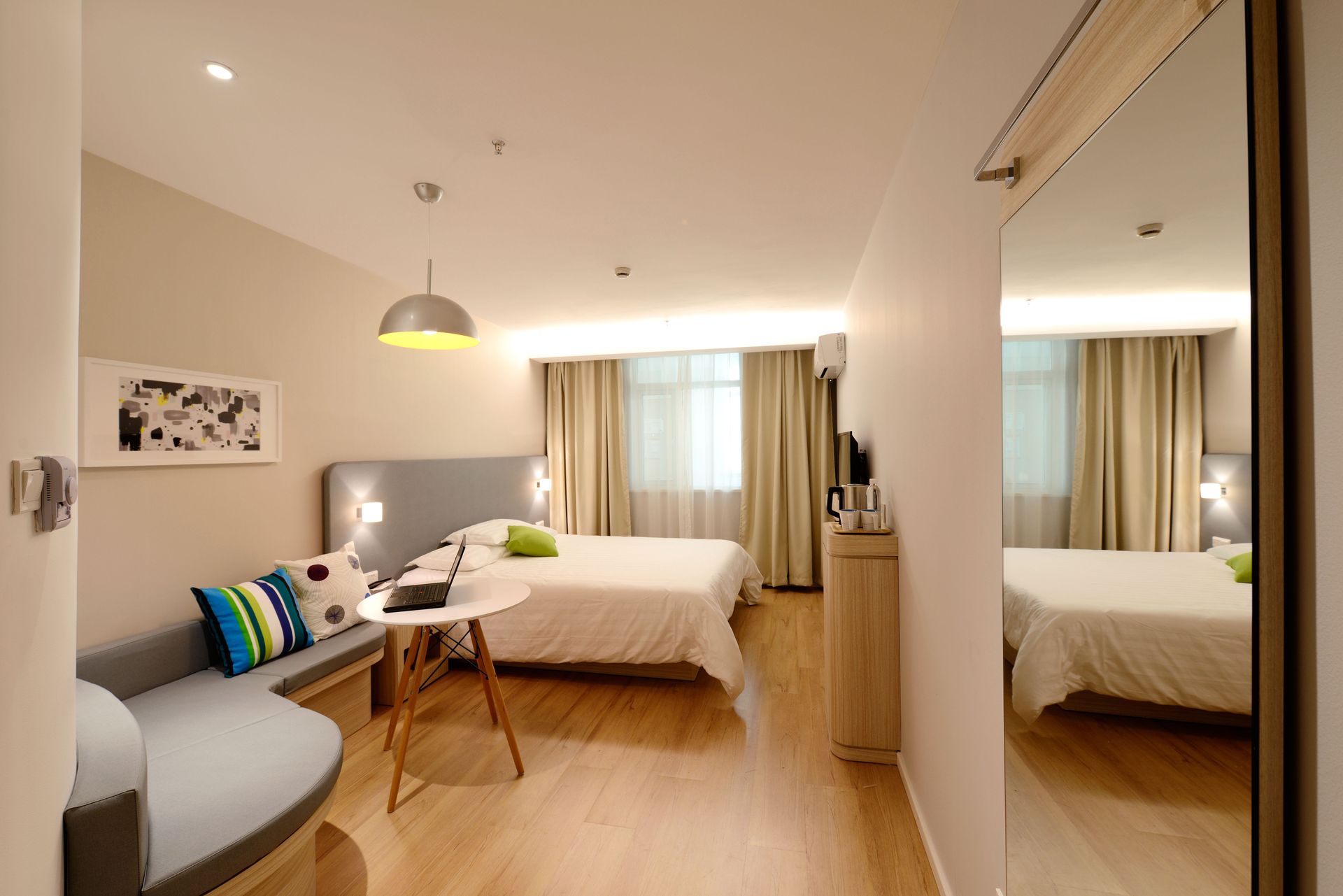
Interior of a modern condominium

2026 Budget Calculator

Estimate your monthly expenses in just a few clicks, according to your lifestyle.

1 500 SGD 4 500 SGD 12 000 SGD

Estimated Monthly Total

6 500

SGD / month

Housing: 4 500 SGD
Food: 1 200 SGD
Other: 800 SGD

Note: These estimates include a margin for essential services (internet, mobile, water). For a broader overview, see our taxation page.

The Art of Grocery Shopping

Singapore imports 90% of its food. Learning to navigate the different supermarket chains can save you hundreds of dollars.
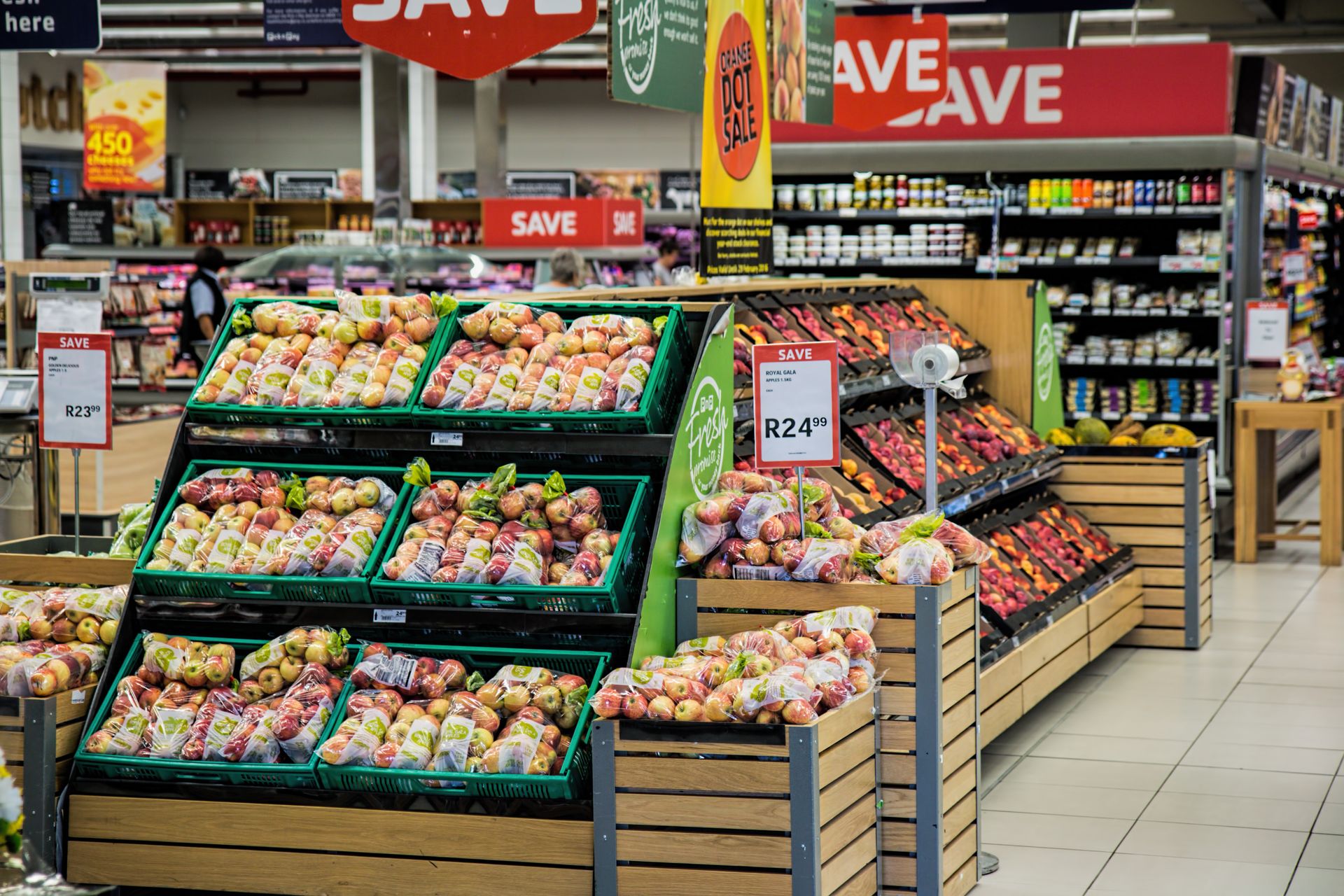
Supermarket aisle in Singapore

Where to shop?

  • ✔ FairPrice / Giant: The most affordable, found all over the island.
  • ✔ Cold Storage / CS Fresh: More imported products (cheese, wine), and more expensive.
  • ✔ Wet Markets: For unbeatable fresh, local produce.

Hawker centre food

Eating out

Paradoxically, it is often cheaper for a single person to eat out at a Hawker than to cook at home.

Chicken Rice (Hawker) 4.50 - 6 SGD
Food Court Meal (Mall) 8 - 15 SGD
Bistro Restaurant 35 - 70 SGD

The 2026 Household Shopping Basket

Average prices in SGD:

  • Milk (1L) 3.50 SGD
  • Eggs (12) 4.20 SGD
  • Sliced bread 2.80 SGD
  • Rice (5kg) 12.00 SGD
  • Beer (Can) 4.50 - 7 SGD
  • Chicken fillet (500g) 9.00 SGD

Getting Around Without Breaking the Bank

Owning a car in Singapore is an extreme luxury because of the COE (Certificate of Entitlement), which can cost over 100,000 SGD even before buying the vehicle. Fortunately, the public transport network is exemplary.

MRT & Bus

Contactless bank card payments (SimplyGo). A journey costs between 1 and 2.30 SGD.

Grab & Taxis

Efficient and ubiquitous. Expect to pay 15-30 SGD for an average 20-minute journey.
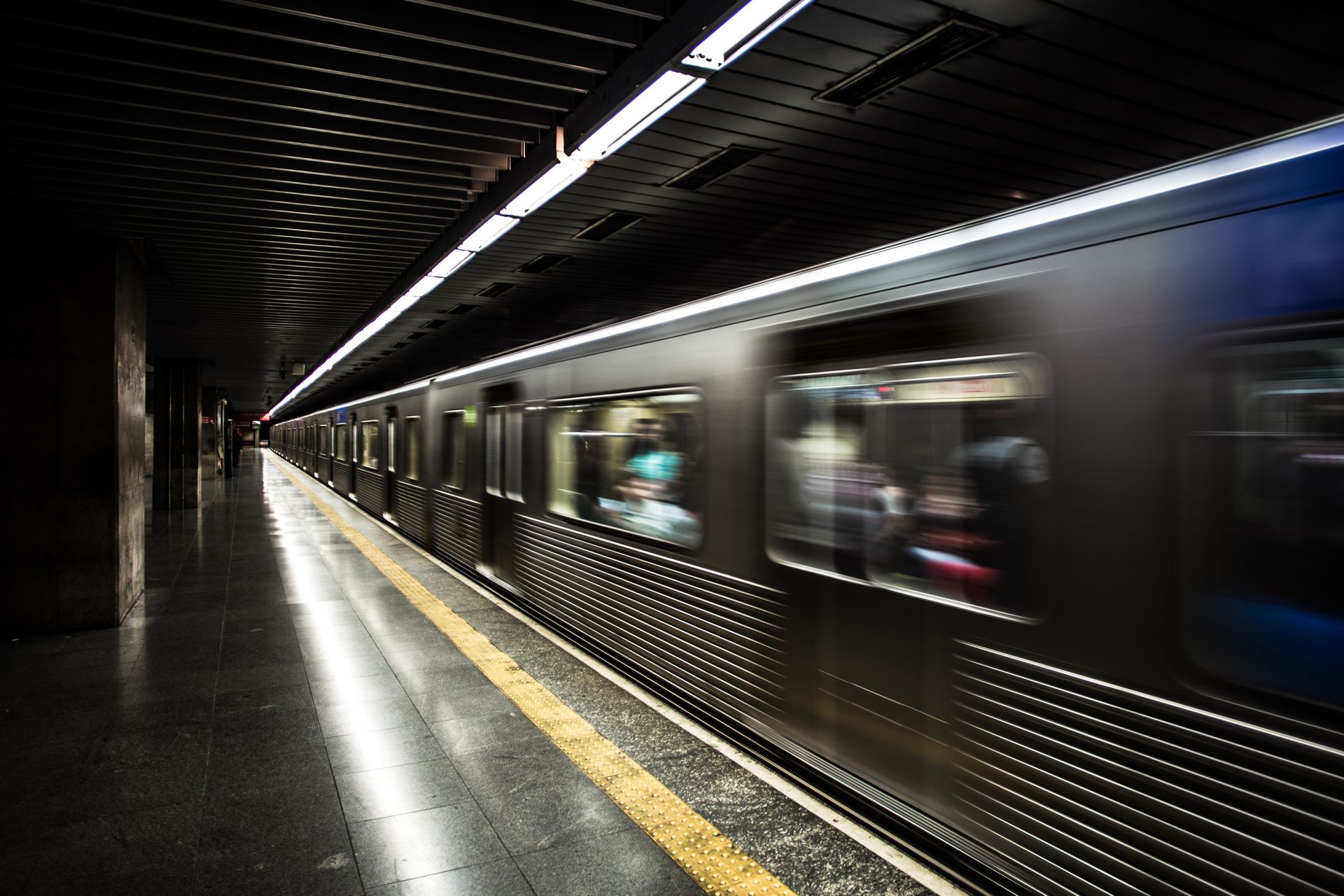
MRT train in Singapore

Singapore vs France: The Price Shock

Type of expenditure Singapore (2026) France (Average) Verdict
Rent (3-room central) ~ 6 500 SGD ~ 2 200 SGD (Paris) +++ Expensive
Public Transport ~ 150 SGD / month ~ 85 SGD (Navigo) Excellent value
Restaurant (Simple) 10 - 20 SGD 25 - 40 SGD - Expensive
Bottle of Wine 25 - 50 SGD 8 - 20 SGD ++ Expensive (Taxes)
Education (International) 25k - 45k SGD / year Free (Public) Huge budget

Data based on feedback from the French-speaking community. Share your figures here.

Services: Connectivity and Utilities

Mobile

5G is the norm. "No-contract" operators such as Giga! and Circles.Life offer 100GB plans for 18-25 SGD.

Fibre Internet

1Gbps fibre is standard. Expect to pay 40 to 60 SGD per month with Singtel, Starhub or ViewQwest.

Energy (SP Group)

Combined water/electricity/waste billing. Average for a condo: 180-350 SGD depending on air conditioning.

Cleaning / Helper

A weekly 4-hour service costs around 80-100 SGD. A "Live-in Helper" costs 800-1200 SGD + taxes.

The Savvy Expat's Tips

To enjoy Singapore to the full without burning through your savings, follow these golden rules shared by our members.

★

Use Cashback Apps

ShopBack, Fave and bank loyalty programmes (DBS Altitude, etc.) can earn you 2-5% on every purchase.

★

The MRT During Off-Peak Hours

In 2026, travelling before 7.45am still allows you to benefit from significant fare reductions.

★

Wet Markets

Go to Tiong Bahru or Geylang Serai at the weekend. Fresh produce there is 40% cheaper than in premium supermarkets.

★

Free Events

Check our calendar regularly. Many concerts and exhibitions at the Botanical Gardens or Esplanade are free.

Frequently Asked Questions

What is the minimum budget for a single person in Singapore? ↓

To live decently (HDB flatshare, Hawker meals, public transport), allow a minimum of 3 500 SGD. For a "standard expat" lifestyle (Condo studio, a few outings, restaurants), budget between 5 500 and 7 000 SGD.

Have prices increased significantly since 2024? ↓

Yes, Singapore has experienced moderate but steady inflation. GST (Goods and Services Tax) rose to 9% in 2024, and rents, although their growth has slowed, remain at a high plateau in 2026.

Is alcohol really that expensive? ↓

Yes. Because of "Sin Taxes", a rooftop cocktail costs around 25-35 SGD, and a pint of beer 15-20 SGD. Imported wines are subject to high excise duties.

How do I pay my bills? ↓

Everything can be done via your bank's app (DBS PayLah!, OCBC Pay Anyone) or AXS Stations. The GIRO system (automatic direct debit) is recommended for rent and utilities.

Do I need to leave a tip in Singapore? ↓

No, tipping is not customary. Most restaurants automatically add a 10% service charge (Service Charge) and 9% GST to the bill (shown as "++").

Is it possible to live in Singapore on a small student budget? ↓

Yes, by choosing student residences or shared accommodation on the outskirts. See our special student guide for targeted money-saving tips.

Ready to start your Singapore adventure?

Join our community to access exclusive deals, detailed neighbourhood guides and support from thousands of French speakers already living here.

One of the habits to adopt in everyday life is recycling. Our guide to recycling in Singapore covers blue bins, e-waste and mistakes to avoid.
Updated on

Understanding the structure of spending in Singapore

Your monthly budget is predictably divided between several key areas. Housing takes up the largest share, followed by food, transport and essential services. This breakdown varies according to your lifestyle and spending choices.

Typical monthly budget breakdown

Type of expenditureEconomy budgetStandard budgetComfortable budget
Housing1 500 - 2 000 SGD3 500 - 5 000 SGD6 000 - 8 000 SGD
Food400 - 600 SGD800 - 1 200 SGD1 500 - 2 000 SGD
Transport120 - 150 SGD150 - 250 SGD300 - 500 SGD
Services (mobile, internet, utilities)150 - 200 SGD250 - 350 SGD400 - 600 SGD
Leisure and going out200 - 300 SGD500 - 800 SGD1 000 - 2 000 SGD

These amounts provide a reference point. Your actual budget will depend on your personal priorities and your ability to combine local options with imported products.

Factors that influence your cost of living

Several factors determine your monthly spending. Your choice of neighbourhood directly affects your rent: a flat in the Central Business District costs twice as much as one on the outskirts. Your eating habits also play a major role: eating daily at Hawker Centers costs 300 SGD a month, compared with 1 500 SGD if you prefer Western restaurants.

The size and composition of your household also change the equation. A family with children attending an international school needs to budget 25 000 to 45 000 SGD per child per year for education. To find out more about family-related matters, see our page dedicated to family life in Singapore.

Strategies for keeping your food costs under control

Food is a flexible area where your choices make all the difference. Singapore offers a wide range of options, from ultra-budget solutions to premium imported products.

Making the most of your supermarket shop

Local chains such as FairPrice and Giant offer the most competitive prices for basic products. Wet Markets remain unbeatable for fresh fruit, vegetables and meat, with prices 30 to 40% lower than at premium supermarkets. Choose local or Asian brands rather than imported European products, which are often three times more expensive.

Plan your shopping around weekly promotions. Supermarket apps announce upcoming discounts, and loyalty programmes let you accumulate points that can be converted into vouchers. Buy non-perishable products in bulk: rice, pasta and tinned goods cost less per kilo in family-size packs.

Making the most of Hawker Centers

These popular food centres are one of Singapore's greatest assets when it comes to saving money. A full meal costs between 4 and 7 SGD, which is cheaper than cooking at home for one person. Hawker Centers offer an impressive range of cuisines: Chinese, Malay, Indian and Thai.

Visit Hawker Centers outside peak hours to avoid the crowds. Some open as early as breakfast time, with options costing 3 SGD. This local habit can save you several hundred dollars a month while allowing you to discover Singapore's food culture.

Transport: getting around efficiently without breaking the bank

Singapore's public transport network is among the best in the world. Using it wisely helps you avoid the prohibitive costs associated with owning a car.

Making the most of the MRT and buses

The SimplyGo system lets you pay directly with your contactless bank card, without needing a dedicated card. A journey costs between 1 and 2.30 SGD depending on the distance. Monthly passes do not exist, but the system automatically caps your daily and weekly spending.

Travelling before 7.45am on weekdays gives you a fare discount. This measure encourages off-peak travel and can save you 20 to 30 SGD a month if you adjust your schedule. For a complete overview of mobility options, our guide to the cost of living details the different means of transport.

When to use Grab and taxis

Ride-hailing services such as Grab remain affordable for occasional journeys. A 20-minute ride costs between 15 and 30 SGD depending on the time and demand. Traditional taxis charge similar fares, with surcharges during peak hours and at night.

Book your Grab rides in advance to avoid peak fares. The GrabShare option reduces the cost by sharing the journey with other passengers heading in the same direction. For journeys to the airport, compare prices with public shuttles, which cost less than 10 SGD.

Essential services and monthly subscriptions

Basic services in Singapore are reliable and efficient. Choosing your plans carefully helps you optimise this area of your spending.

Mobile and internet

No-contract mobile plans offer the best value for money. Operators such as Giga!, Circles.Life and GOMO offer 100 GB plans with 5G for 18 to 25 SGD a month, with no hidden fees. Contract plans from traditional operators sometimes include a subsidised smartphone, but work out more expensive over time.

Home fibre internet costs between 40 and 60 SGD a month for a 1 Gbps connection. The three main providers (Singtel, StarHub, ViewQwest) offer similar plans. Check for new-customer promotions, which often include several free months or free equipment.

Electricity, water and waste management

SP Group bills electricity, water and waste collection on a single bill every two months. Electricity consumption varies considerably depending on air-conditioning use: allow between 180 and 350 SGD per month for a two-bedroom flat. Setting the air conditioning to 25°C rather than 22°C significantly reduces the bill.

Water remains relatively affordable, at around 30 to 50 SGD per month for a household. Progressive tariffs encourage saving: the more you consume, the higher the price per cubic metre. Install water-saving showerheads and repair leaks quickly to keep this cost under control.

Adjusting your budget to suit your profile

Your personal circumstances determine your budget priorities. A student, a young professional and a family do not have the same needs or financial constraints.

Student and young professional budget

Students can live in Singapore on a tight budget by choosing a flat share on the outskirts (800 to 1,200 SGD per month) and consistently opting for local options. Student residences offer rooms from 600 SGD, including utilities. For specific advice, see our guide to language stays.

Single young professionals often find it more cost-effective to share a flat with two or three people. This arrangement divides the rent and bills while offering more space than a studio. Allow for an overall budget of 2,500 to 3,500 SGD for a modest but comfortable lifestyle.

Family and expatriate budget with children

Families need to include specific expenses such as school fees, extracurricular activities and childcare. A domestic helper costs between 800 and 1,200 SGD per month, plus government levies. This option is often still more affordable than private nurseries.

The choice of school has a major impact on the family budget. French international or bilingual schools charge between 25,000 and 45,000 SGD per year per child. Local state schools offer a quality, lower-cost alternative, but require a good command of English.

Tips for reducing your everyday spending

A few simple habits can save several hundred dollars each month without compromising your quality of life.

Cashback apps and loyalty programmes

ShopBack returns between 2 and 15% of your online purchases, depending on the retailer. Use the app before completing a purchase on Lazada, Grab or fashion websites. Local credit cards also offer points programmes: DBS Altitude, OCBC 365 and UOB One earn miles or cashback on everyday spending.

Supermarkets and local retailers have their own free loyalty cards. FairPrice Link Card offers instant discounts at the checkout and quarterly shopping vouchers. These small savings add up to 50 to 150 SGD per month.

Making the most of free events and public spaces

Singapore offers a largely overlooked range of free cultural and leisure activities. The Botanical Gardens, a UNESCO heritage site, are free to enter, as are regular concerts at the Esplanade. Public libraries offer air-conditioned spaces, free Wi-Fi and thousands of books in French.

Neighbourhood community centres organise sports and language classes, as well as family activities, at nominal prices. This public infrastructure makes it possible to maintain an active social life without spending a fortune on private clubs. To build your social network, see our advice on social life in Singapore.

Planning for exceptional expenses

In addition to your recurring monthly budget, certain one-off expenses should be planned for to avoid unpleasant surprises.

Medical costs and health insurance

Singapore’s healthcare system is excellent but entirely private and expensive. A GP consultation costs between 50 and 100 SGD, while hospitalisation can quickly reach several thousand dollars. Comprehensive international health insurance is essential and is generally covered by employers for expatriates.

If you do not have insurance, build up an emergency fund of at least 5,000 SGD to cover medical emergencies. Public clinics (polyclinics) offer reduced rates but have longer waiting times. Compare private insurance options if your employer does not cover you in full.

Travel and trips home

Return flights to Europe vary considerably depending on the season: allow between 800 and 1,800 SGD. Book several months in advance to get the best fares, particularly during school holidays. Gulf airlines (Emirates, Qatar Airways) and Asian airlines (Singapore Airlines, Cathay Pacific) often offer the best options.

If you travel frequently within the region, low-cost airlines such as Scoot, AirAsia and Jetstar serve destinations across Southeast Asia from 100 SGD return. These regional getaways let you explore the region without putting a strain on your annual budget.

Orange Travel eSIM

Frequently asked questions

What weekly food budget should you allow for in Singapore?

For one person, allow between 100 and 150 SGD per week by favouring Hawker Centers and local supermarkets such as FairPrice. This rises to 200–300 SGD if you regularly eat at restaurants and buy imported products. A family of four generally spends between 300 and 500 SGD per week, depending on its habits.

How can you reduce your electricity bill in Singapore?

Air conditioning accounts for 60 to 70% of your electricity consumption. Set it to 25°C rather than 22°C, use fans alongside it and turn it off when you go out. Choose appliances with a good energy-efficiency rating. These simple steps can reduce your bill by 30 to 40% and save you more than 100 SGD per month.

Is it better to rent a condo or an HDB?

HDB flats (public housing) cost 30 to 50% less than condos and offer more space, but without a swimming pool or private gym. They are ideal for families or those who prioritise saving money. Condos are better suited to expatriates looking for leisure facilities and an international environment, in exchange for a higher housing budget.

Which are the most affordable neighbourhoods to live in?

Outlying neighbourhoods such as Woodlands, Jurong, Punggol and Sengkang offer rents 40 to 50% lower than in the city centre. Well served by the MRT, they offer a good balance between cost and quality of life. To discover what makes each area unique, see our neighbourhood guide, which details the advantages of each district.

How much does a car really cost in Singapore?

Owning a car in Singapore represents a major investment. The COE (Certificate of Entitlement) alone often exceeds 100 000 SGD, even before buying the vehicle. Add insurance, parking, petrol and maintenance, and the total cost can easily exceed 2 000 SGD per month. The public transport network is a much more economical alternative for most residents.

Can you live comfortably on a salary of 5 000 SGD per month?

Yes, if you make sensible choices. Opt for a flatshare or an HDB flat on the outskirts (1 500-2 000 SGD), eat regularly at Hawker Centres, use public transport and take advantage of free activities. This salary allows a comfortable lifestyle for a single person, with the possibility of saving 1 000 to 1 500 SGD per month.